

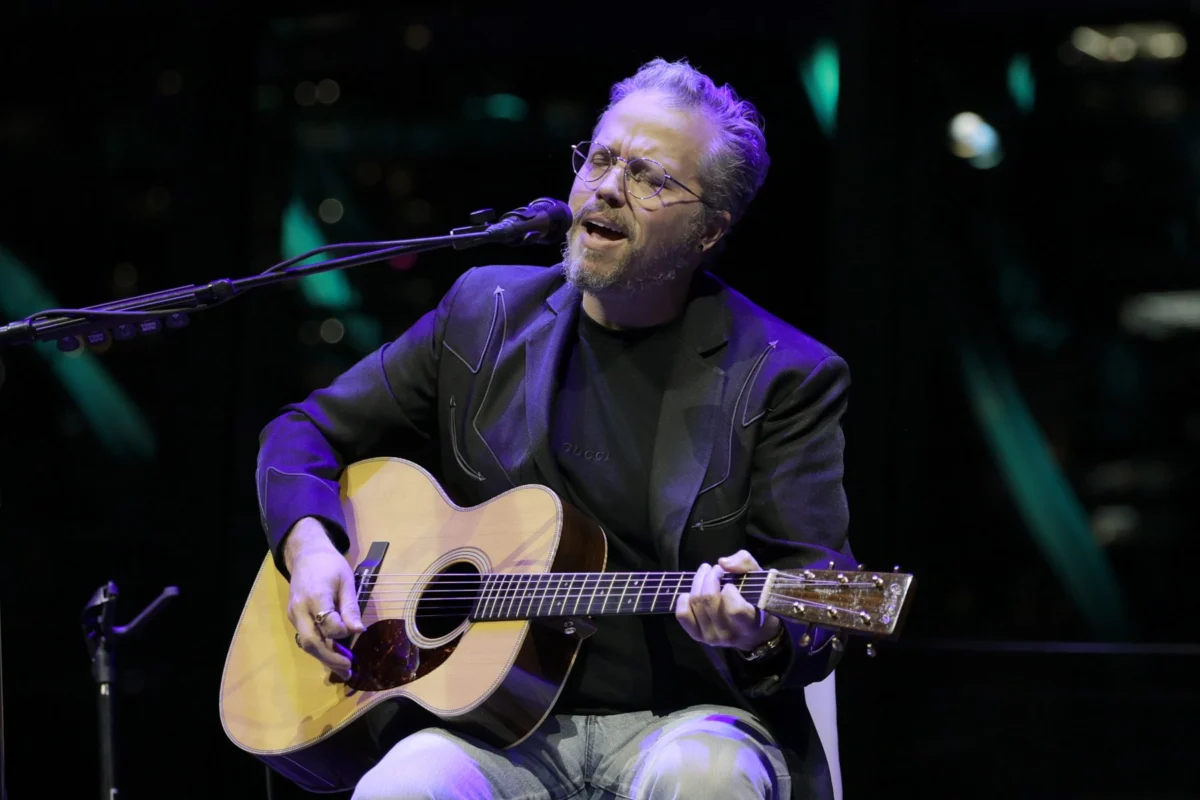
In a significant escalation of the ongoing legal battles between artists and generative artificial intelligence companies, acclaimed country-folk artist Jason Isbell has filed a class action lawsuit accusing AI music generator Suno of systematically violating musicians’ "rights of publicity." The complaint, lodged on Monday, August 31, and obtained by Billboard, asserts that Suno’s platform is deliberately engineered to recognize and evoke the unique identifying characteristics of artists, allowing users to generate content closely mimicking their musical personas. This legal action marks a critical juncture in the broader debate surrounding intellectual property rights and the burgeoning capabilities of AI in creative industries.
Central Allegations: Evoking Artist Identity Through AI
The lawsuit claims that Suno has gone beyond merely generating new music, instead encoding entire musical personas of artists as "tokens" within its AI model. This sophisticated design, the plaintiffs argue, enables Suno users to produce songs, descriptions, and even artwork that can "conjure up a beloved musician’s identity" by simply inputting the artist’s name as a prompt. This capability, they contend, directly infringes upon artists’ rights of publicity, which protect an individual’s commercial interest in their name, image, and likeness.
"Suno’s system recognizes ‘Jason Isbell’ as far more than a mere text string; it is a retrieval key for a set of performer-specific representations that it can use to generate a response associated with that musician," the lawsuit states. It further elaborates, "From a name prompt alone, a user receives a multi-modal experience evoking that named musician. This includes access to a generated song like one the named musician might create, a description of the musician’s attributes and a related image. This is true for countless other musicians."
To underscore its claims, the complaint cites specific examples. When Isbell’s name was entered into Suno, the AI allegedly "produced an Americana song called ‘Paper Bell,’ imitating Isbell’s characteristic clear male vocals and country twang." This direct mimicry, according to the plaintiffs, demonstrates the AI’s capacity to replicate an artist’s signature style and vocal characteristics, rather than merely creating original content.
The Plaintiffs: A Coalition for Artist Rights

Leading this landmark case is Jason Isbell, a Grammy-winning singer-songwriter known for his distinct voice and lyrical prowess. Isbell has been an outspoken critic of AI music generation, having previously expressed his "distaste for Suno" on social media. He is joined by a diverse group of artists, each representing different genres and highlighting the widespread nature of the alleged infringement. These include David Lowery, frontman for Camper Van Beethoven and Cracker, who is also a prominent artist rights advocate with a long history of championing fair compensation and protection for creators; blues singer Guy Forsyth; and jazz saxophonist Ed Calle.
This group intends to represent a broader "class" of all musicians whose names have been used as prompts by Suno’s AI. The lawsuit projects that this class could potentially number in the "millions," indicating the vast scope of individuals who may have been impacted by Suno’s technology. The inclusion of artists from varied musical backgrounds reinforces the argument that the alleged infringement is not isolated but rather a systemic issue impacting the entire creative community. Lowery, in particular, has been a vocal proponent for creators’ rights in the digital age, having previously engaged in significant advocacy regarding streaming royalties and copyright issues. His involvement lends considerable weight to the legal challenge, drawing on his extensive experience in navigating the complexities of artist compensation and intellectual property.
Suno’s Stated Intent vs. Alleged Reality
Suno has publicly maintained that its mission is to "help people create something new, not imitate someone else’s work." The company claims to employ filters designed to block users from prompting the model with specific artist names. However, the lawsuit directly challenges the efficacy and intent behind these safeguards.
The complaint alleges that Suno’s filtering system is frequently ineffective and can be "easily defeated by inserting a space between each letter of a name" of any artist. The plaintiffs provided compelling examples of this alleged circumvention:
- Typing "m i c h a e l j a c k s o n" into Suno reportedly generated a pop song titled "Glovebox Moonwalk," complete with an image reminiscent of Michael Jackson’s iconic white glove.
- Similarly, prompting the AI with "t a y l o r s w i f t" allegedly produced a Taylor Swift-style breakup song.
- When "b a d b u n n y" was entered, the system reportedly created a Spanish-language reggaeton urbano track in the distinctive style of Bad Bunny.
These examples are presented as clear evidence that, despite Suno’s public assertions, the platform is inherently designed to recognize and exploit artists’ unique identities. "The platform is built to identify musicians by name and generate identity-evocative output on command," the lawsuit contends. "This is its product." The ability of the AI to generate not just music but also descriptive text and images that evoke a specific artist suggests a deeper integration of artist identity into its core functionality, far beyond what might be considered incidental.
The Crucial Distinction: Rights of Publicity vs. Copyright Law

A key legal argument in Isbell’s lawsuit hinges on the distinction between rights of publicity and copyright law. While both fall under the umbrella of intellectual property, they protect different aspects of an artist’s creation and persona. Copyright law, which has been the basis for several other high-profile lawsuits against AI companies, protects specific creative works, such as sound recordings, compositions, and lyrics. Rights of publicity, conversely, safeguard an individual’s inherent ownership over their name, image, and likeness, preventing unauthorized commercial exploitation.
The lawsuit asserts that Suno is violating the rights of publicity under various state statutes, specifically citing laws in New York, California, and Tennessee – states with strong protections for individuals’ personas. This distinction is critical because it means artists can have valid claims against Suno even if their record labels have struck licensing deals with the AI platform for the use of their sound recordings. For instance, Warner Music Group inked a licensing deal with Suno last fall, and BMG followed suit with a similar agreement last month. The lawsuit explicitly argues that these copyright licenses, controlled by labels, do not grant Suno the right to appropriate an artist’s personal identity or style without their consent. Artists, the complaint emphasizes, retain ownership over their own names and personas, irrespective of who controls the copyright to their recorded works. This legal nuance could set a powerful precedent, empowering artists to protect their individual identities in an era where AI can effortlessly mimic human creativity.
Broader Implications in the Evolving AI Music Landscape
This lawsuit by Jason Isbell and his fellow artists is not an isolated incident but rather a significant development within a rapidly evolving and contentious landscape at the intersection of AI and the music industry. The past year has seen a surge of legal challenges and debates surrounding generative AI’s use of copyrighted material and artist likeness. Major record labels, including Sony and Warner, have initiated their own copyright infringement lawsuits against AI companies like Anthropic, accusing them of training models on vast datasets of copyrighted music without permission or compensation. These parallel lawsuits highlight a multi-pronged legal strategy by the music industry to address the perceived threats posed by AI.
The concerns extend beyond legal frameworks, touching upon ethical considerations, fair compensation, and the very definition of creativity. Many artists, producers, and industry professionals have voiced anxieties about AI’s potential to devalue human artistry, diminish income streams, and create a glut of derivative content. Artists like Grimes have experimented with licensing their voice for AI, while others like Paul McCartney, Sting, and Billie Eilish have expressed strong reservations or outright opposition to the unauthorized use of their work to train AI models. The fear is that if AI can flawlessly replicate an artist’s style, voice, and persona, it could undermine their unique brand and livelihood.
The rise of "deepfakes" in audio and video has further intensified these concerns, demonstrating AI’s capacity to generate convincing imitations of human performance, raising questions about authenticity, control, and potential misuse. This environment underscores the urgency of establishing clear legal boundaries for AI development and deployment in creative fields. The Isbell lawsuit, by focusing on rights of publicity, shifts the legal spotlight from the protection of specific recorded works to the more fundamental right of an artist to control their identity and persona, a right that is often considered inalienable and central to their brand.
Potential Outcomes and Future Precedents

The outcome of this class action lawsuit could have far-reaching implications for both AI developers and the entire creative economy. If the plaintiffs are successful, it could force AI music generators like Suno to fundamentally re-evaluate their training methodologies, filter mechanisms, and business models. It could necessitate stricter controls on how artist names and characteristics are used, potentially requiring explicit consent or licensing agreements for the incorporation of any identifying stylistic elements into AI models.
The lawsuit seeks unspecified financial damages for the proposed class of artist plaintiffs, which it suggests could amount to "millions." Such a financial penalty, if awarded, would serve as a significant deterrent for AI companies considering similar practices. Moreover, a favorable ruling for the artists could establish a crucial legal precedent regarding the scope of publicity rights in the digital age, particularly in the context of generative AI. It would affirm that an artist’s identity, distinct from their copyrighted works, remains their exclusive property and cannot be exploited without authorization.
The challenge for the courts will be to navigate the complexities of proving intent and causality in AI generation. While Suno claims its filters prevent direct name prompts, the lawsuit’s demonstration of easy circumvention poses a direct challenge to this defense. The legal battle will likely delve into the internal workings of Suno’s algorithms and the data sets used for training, seeking to uncover whether the identification and replication of artist personas were an intended feature or an unintended consequence of its design.
As of Tuesday, September 1, Suno had not immediately returned a request for comment on the claims outlined in the lawsuit. The absence of an immediate response from Suno means the industry awaits their official stance on these specific allegations, particularly concerning the alleged ineffectiveness of their artist-name filters and the broader claims of exploiting artist identity.
This lawsuit by Jason Isbell and his colleagues represents a pivotal moment in the ongoing dialogue between technological innovation and creative rights. It underscores the growing resolve of artists to protect their identities and livelihoods in the face of rapidly advancing AI, pushing for legal frameworks that can keep pace with technological change and ensure fair treatment for creators in the digital future. The outcome will undoubtedly shape the future of AI in music, influencing how technology companies engage with creative content and how artists can safeguard their unique contributions in an increasingly automated world.
