

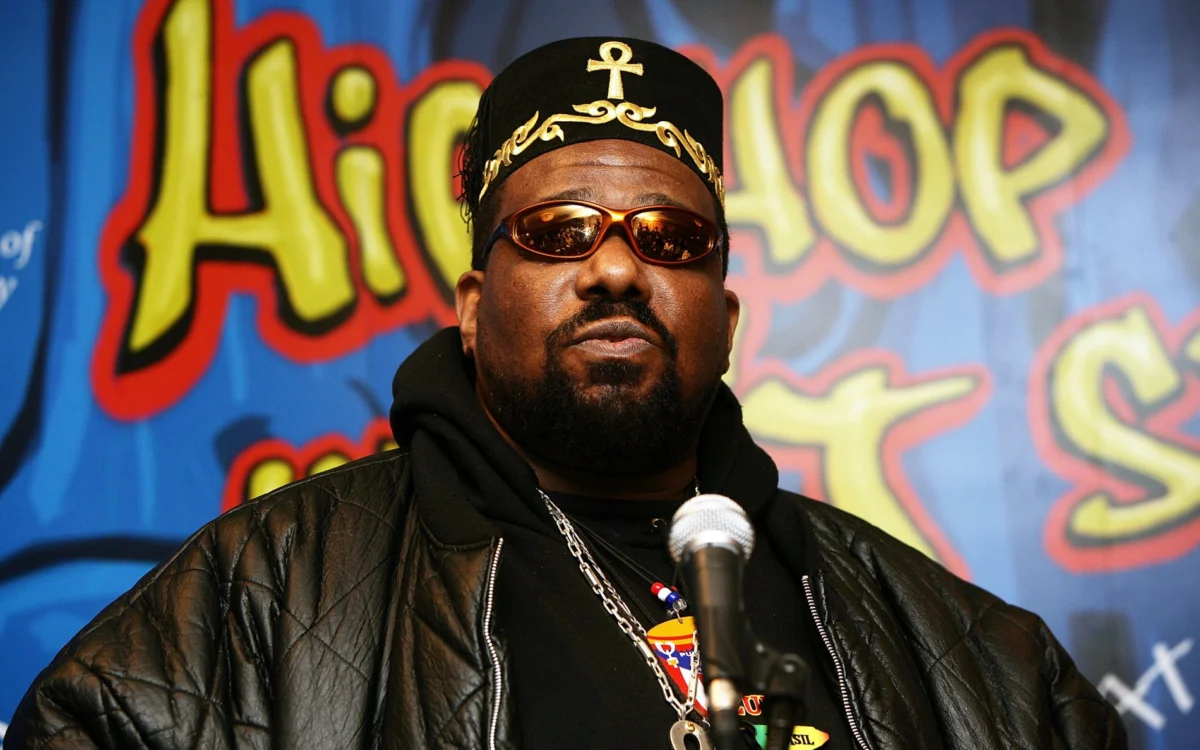
Afrika Bambaataa, a towering figure in the genesis of hip-hop and the visionary behind the seminal track "Planet Rock," has passed away at the age of 68. The influential DJ, rapper, and producer, born Lance Taylor, died on Thursday, April 9, in Pennsylvania. His death was attributed to prostate cancer, as confirmed by his legal counsel to the Associated Press. Bambaataa’s passing marks the end of an era for a culture he not only helped define but actively shaped into a global phenomenon.
The news of his death was met with a mixture of profound respect for his pioneering contributions and a somber acknowledgment of the deeply troubling allegations of sexual abuse that have shadowed his later years. Kurtis Blow, serving as executive director of the Hip Hop Alliance, issued a statement reflecting this duality. "Today, we acknowledge the transition of a foundational architect of Hip Hop culture, Afrika Bambaataa," Blow stated. "He helped shape the early identity of Hip Hop as a global movement rooted in peace, unity, love, and having fun." He further elaborated on Bambaataa’s transformative impact, noting, "His vision transformed the Bronx into the birthplace of a culture that now reaches every corner of the world. At the same time, we recognize that his legacy is complex and has been the subject of serious conversations within our community."
From Street Gangs to Global Stages: The Rise of a Hip-Hop Icon
Born and raised in the heart of the South Bronx, New York, Lance Taylor’s early life was intertwined with the social dynamics of a borough grappling with urban decay and burgeoning youth subcultures. He initially emerged as a prominent member of the Black Spades, a formidable street gang. However, rather than succumbing to the cycle of violence, Bambaataa channeled his energy and influence into a different path, one that would ultimately redefine urban youth culture. He transitioned from gang leadership to becoming a celebrated local DJ, his innovative turntable techniques and eclectic musical selections drawing crowds and establishing him as a pivotal figure in the nascent hip-hop scene.
In the 1970s, Bambaataa founded the Universal Zulu Nation, an influential art collective and social organization. This organization was instrumental in codifying and promoting the core elements of hip-hop culture: DJing, graffiti art, breakdancing, and MCing. The Zulu Nation provided a framework for creative expression and a sense of community for young people, fostering a philosophy of peace, unity, and positive social engagement. Bambaataa’s vision extended beyond mere entertainment; he aimed to create a movement that offered an alternative to street violence and empowered marginalized youth through artistic expression and cultural pride.
"Planet Rock" and the Electro-Funk Revolution
As a recording artist, Afrika Bambaataa achieved widespread recognition with the release of "Planet Rock" in 1982, a collaboration with his group, the Soulsonic Force. This groundbreaking track, with its futuristic soundscape heavily influenced by the German electronic pioneers Kraftwerk, became an instant classic. It not only cracked the top 50 of the Billboard Hot 100 but also ignited a seismic shift in popular music. "Planet Rock" is widely credited with spearheading the electro-rap and dance-pop genres, its innovative use of synthesizers, drum machines, and sampling techniques inspiring a generation of musicians and producers. The song’s infectious rhythm and otherworldly sonic textures captured the imagination of listeners worldwide, solidifying Bambaataa’s reputation as a musical innovator.
Alongside contemporaries like DJ Kool Herc and Grandmaster Flash, Afrika Bambaataa is consistently cited as one of the founding fathers of hip-hop. These pioneering DJs and artists are credited with laying the essential groundwork for a genre that has since evolved into arguably the most culturally dominant and influential artistic movement of the past half-century. Their collective innovations in turntablism, rhythmic storytelling, and party-rocking created the bedrock upon which modern hip-hop stands.
A Shadow of Allegations: The Complexities of a Legacy
Despite his monumental contributions to music and culture, Afrika Bambaataa’s legacy is undeniably complex, profoundly impacted by numerous allegations of sexual abuse. These accusations cast a long shadow over his later life and have prompted difficult conversations within the hip-hop community and beyond.
The most prominent of these allegations surfaced in 2016 when a man named Ronald Savage accused Bambaataa of sexually abusing him during the 1980s when Savage was a minor. Bambaataa vehemently denied these accusations at the time. However, the situation became more convoluted when, in 2024, Savage publicly retracted his claims in an interview with AllHipHop. Savage stated, "Bambaataa is not a pedophile and, in my eyes, he was doing something that was consensual with someone that he thought was of age." This retraction, while significant, did not erase the initial accusations or the subsequent emergence of similar claims from other individuals.
Following Savage’s initial public statement, several other men came forward, alleging that Bambaataa had sexually abused them during their teenage years. These accusations painted a disturbing picture and added further weight to the growing concerns surrounding the hip-hop icon.
In 2021, a civil lawsuit was filed against Bambaataa by an anonymous plaintiff. This lawsuit detailed allegations of sexual abuse and human trafficking spanning a four-year period, beginning in 1991. The plaintiff claimed that the abuse began when he was just 12 years old, while Bambaataa was in his 30s. The "Planet Rock" hitmaker never formally responded to this lawsuit, leading to a default judgment against him in 2025. The court awarded the alleged victim a default judgment, underscoring the seriousness of the legal proceedings.
Official Statements and Community Reactions
The news of Afrika Bambaataa’s passing prompted a range of reactions from individuals and organizations within the music industry and broader cultural sphere. While many expressed sorrow and acknowledged his undeniable impact, others reiterated the importance of addressing the allegations that marred his reputation.
The Hip Hop Alliance’s statement, as delivered by Kurtis Blow, encapsulated this nuanced response, highlighting both the positive contributions and the troubling aspects of Bambaataa’s life and career. This dual perspective reflects a broader societal trend of grappling with the legacies of influential figures whose personal conduct has been called into question.
Prominent figures within hip-hop have largely maintained a respectful silence regarding the allegations, focusing instead on Bambaataa’s role as a cultural architect. However, the ongoing legal battles and public accusations have made it impossible to ignore the darker side of his history. The discourse surrounding Bambaataa’s legacy now includes a critical examination of power dynamics within the music industry and the protection of young artists.
The Enduring Impact and Lingering Questions
Afrika Bambaataa’s death leaves a void in the history of hip-hop, but his influence is indelible. His pioneering spirit, his vision for a unifying culture, and his groundbreaking musical innovations will continue to be studied and celebrated. "Planet Rock" remains a touchstone of electronic music and a testament to his forward-thinking artistry. The Universal Zulu Nation, despite the controversies, represents a significant moment in the organized development of hip-hop as a global subculture.
However, the persistent allegations of sexual abuse cannot be overlooked. They raise crucial questions about accountability, the separation of art from the artist, and the need for robust mechanisms to protect vulnerable individuals within creative industries. The ongoing conversations surrounding Bambaataa’s legacy underscore the importance of a critical and comprehensive understanding of history, one that acknowledges both brilliance and transgression. As the hip-hop world mourns the loss of a foundational figure, it also continues to grapple with the complex truths of his life, ensuring that his full story, with all its triumphs and its shadows, is remembered. The passing of Afrika Bambaataa serves as a poignant reminder of the multifaceted nature of influential figures and the ongoing need for dialogue and justice.
