

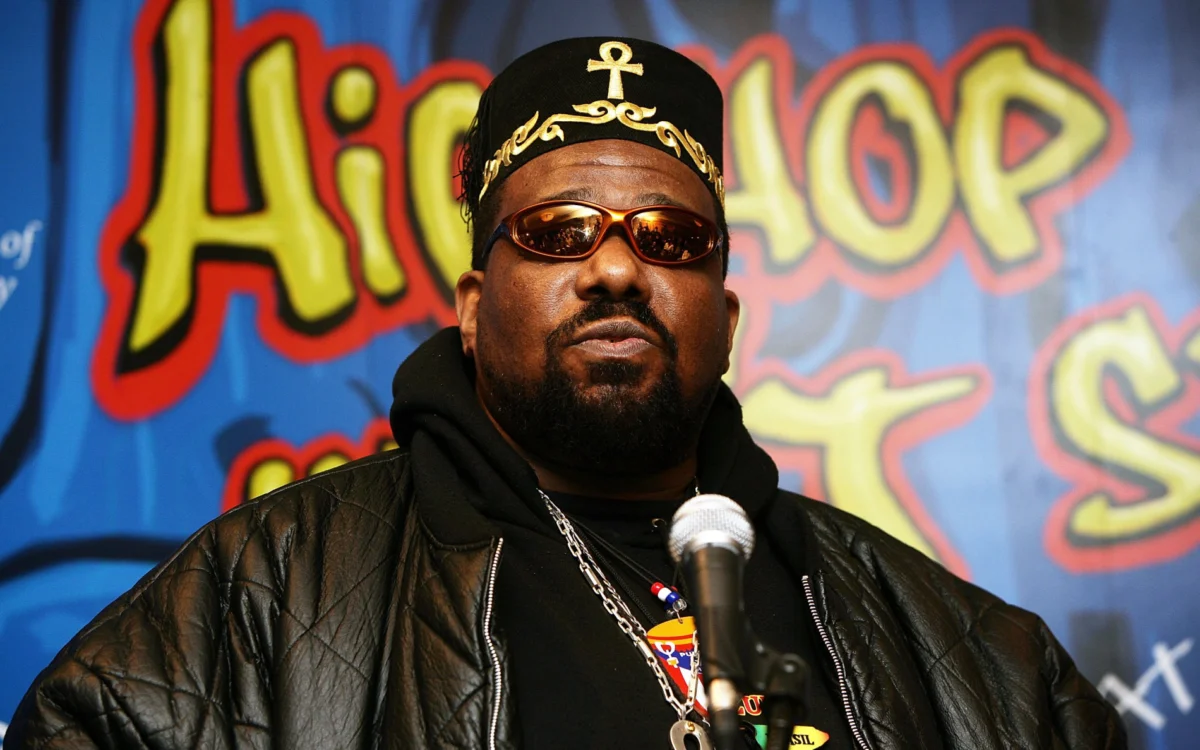
Afrika Bambaataa, a towering figure whose innovative spirit and foundational contributions are intrinsically woven into the fabric of hip-hop culture, has died at the age of 68. The artist, born Lance Taylor, passed away on Thursday, April 9, in Pennsylvania, succumbing to prostate cancer, a battle he had been fighting. His death was confirmed by his lawyer to the Associated Press, marking the end of an era for a man who was not only a musical visionary but also a complex and often controversial public figure.
Acknowledging a Foundational Architect of Hip Hop
Kurtis Blow, serving as the executive director of the Hip Hop Alliance, issued a statement acknowledging Bambaataa’s profound impact. "Today, we acknowledge the transition of a foundational architect of Hip Hop culture, Afrika Bambaataa," Blow stated. "He helped shape the early identity of Hip Hop as a global movement rooted in peace, unity, love, and having fun." Blow further emphasized the transformative power of Bambaataa’s vision: "His vision transformed the Bronx into the birthplace of a culture that now reaches every corner of the world. At the same time, we recognize that his legacy is complex and has been the subject of serious conversations within our community." This duality—the celebrated innovator and the individual facing serious accusations—underscores the multifaceted nature of Bambaataa’s enduring influence.
From Street Gang to Global Movement: The Genesis of a Hip-Hop Icon
Born in the South Bronx, New York, Lance Taylor’s early life was shaped by the socio-economic realities of the era. He initially rose to prominence as a member of the Black Spades, a formidable street gang. However, Bambaataa’s trajectory shifted dramatically as he began to channel his energies into music and community building. He transitioned from street leadership to becoming a popular local DJ, recognizing the burgeoning potential of this nascent art form.
In the 1970s, Bambaataa founded the Universal Zulu Nation, an organization that transcended mere musical affiliation. It evolved into an influential art collective and social movement dedicated to fostering peace, unity, and creativity within marginalized communities. The Zulu Nation played a pivotal role in defining and popularizing the four core elements of hip-hop culture: DJing, graffiti art, breakdancing, and MCing. Bambaataa’s philosophy of "peace, love, unity, and having fun" became the ideological bedrock of this burgeoning cultural phenomenon, offering an alternative to the violence and despair that characterized some aspects of urban life at the time.
"Planet Rock" and the Sonic Revolution
As a recording artist, Afrika Bambaataa achieved widespread recognition with the 1982 release of "Planet Rock," a groundbreaking collaboration with his group the Soulsonic Force. This seminal track, with its futuristic soundscape and innovative sampling of Kraftwerk’s "Trans-Europe Express," catapulted Bambaataa into the global spotlight. "Planet Rock" not only cracked the top 50 of the Billboard Hot 100 but also served as a sonic blueprint for a generation of electro-rap and dance-pop artists. Its infectious rhythm and pioneering use of synthesizers and drum machines redefined the boundaries of popular music, solidifying Bambaataa’s reputation as a sonic innovator. The track’s influence can be heard in countless subsequent recordings, marking it as a pivotal moment in the evolution of electronic and hip-hop music.
The Founding Fathers of Hip-Hop
Afrika Bambaataa is universally recognized alongside DJ Kool Herc and Grandmaster Flash as one of the principal founding fathers of hip-hop. These pioneers, through their DJing techniques, their community organizing, and their artistic vision, laid the essential groundwork for a genre that would eventually become the most culturally influential musical movement of the last half-century. Their collective efforts transformed block parties into vibrant cultural gatherings and established the artistic principles that would guide hip-hop’s explosive growth. The impact of their innovation has been so profound that hip-hop is now a dominant force in global music, fashion, and popular culture, influencing billions worldwide.
A Complicated Legacy: Navigating Allegations and Legal Battles
Despite his monumental contributions to music and culture, Afrika Bambaataa’s legacy is undeniably complicated by serious allegations of sexual abuse. The artist’s later years were marked by these disturbing accusations, which cast a long shadow over his celebrated career.
The first public accusation emerged in 2016 when a man named Ronald Savage alleged that Bambaataa had sexually abused him in the 1980s when Savage was a teenager. Bambaataa consistently denied these allegations. However, in a turn of events that further complicated the narrative, Savage later walked back his claims in 2024. In an interview with AllHipHop, Savage stated, "Bambaataa is not a pedophile and, in my eyes, he was doing something that was consensual with someone that he thought was of age." This retraction, while offering a different perspective, did not erase the initial accusations or the subsequent claims made by other individuals.
Following Savage’s initial accusations, several other men came forward, also alleging that Bambaataa had sexually abused them when they were teenagers. These allegations painted a picture of a pattern of abuse that contradicted the positive ethos Bambaataa outwardly promoted.
The legal ramifications of these allegations intensified in 2021 when an anonymous man filed a lawsuit against Bambaataa. The lawsuit detailed claims of sexual abuse and trafficking, alleging that the abuse had spanned four years, beginning in 1991 when the plaintiff was 12 years old and Bambaataa was in his 30s. Bambaataa did not formally respond to this lawsuit, and consequently, he lost the civil case in 2025 due to a failure to appear in court. The court awarded the alleged victim a default judgment, a significant legal outcome that underscored the gravity of the claims.
Broader Impact and Enduring Questions
The death of Afrika Bambaataa compels a re-evaluation of his legacy, forcing the hip-hop community and the broader public to confront the uncomfortable duality of his life. He was a revolutionary artist who provided a voice and a culture for the disenfranchised, fostering a sense of community and empowerment. His pioneering work laid the foundation for a global musical and cultural phenomenon.
However, the persistent allegations of abuse, regardless of retractions or legal outcomes, raise critical questions about accountability, the impact of power dynamics, and the complexities of venerating public figures. The hip-hop community, which has long grappled with issues of gender inequality and abuse within its ranks, now faces the challenge of reconciling Bambaataa’s immense artistic contributions with the harm alleged to have been inflicted upon others.
The passing of Afrika Bambaataa marks the end of a significant chapter in hip-hop history. While his musical innovations and his role in shaping the culture are undeniable and will continue to be celebrated, the shadow of the allegations he faced ensures that his legacy will remain a subject of complex and necessary discourse for years to come. The conversation surrounding his life and work will undoubtedly involve acknowledging both the light and the darkness, a testament to the intricate and often challenging nature of historical figures. His death serves as a somber reminder that even the most influential figures are not immune to scrutiny and that their legacies are often multifaceted and open to ongoing interpretation and re-examination. The cultural impact of Bambaataa is indelible, but the ethical considerations surrounding his alleged actions demand continued reflection within the community he helped to build.
