

The global independent music sector has undergone a seismic shift over the last decade, transitioning from a niche segment of the industry into a dominant force that generated over $1.2 billion in revenue in recent years, according to data from MIDiA Research. As the barriers to entry for recording and distribution have collapsed, the primary challenge for the modern independent artist has shifted from production to visibility. In an environment where approximately 100,000 new tracks are uploaded to streaming platforms daily, professional networking and cross-disciplinary collaboration have emerged not merely as social endeavors but as critical business strategies for career sustainability. For many independent musicians, the prospect of networking remains a daunting hurdle, often perceived as an intimidating necessity rather than a creative opportunity. However, industry analysts and veteran performers suggest that by reframing networking as a community-driven exchange, artists can unlock new demographics and professional milestones that were previously inaccessible.
The Evolution of the Collaborative Landscape
Historically, networking within the music industry was a gatekept process, largely mediated by record labels, A&R executives, and high-priced public relations firms. The contemporary "DIY" era has democratized this process, placing the onus of connection directly on the artist. This shift requires a multifaceted approach that extends beyond digital self-promotion into physical spaces and unconventional creative circles. Strategic partnerships are no longer limited to two musicians writing a song together; they now encompass a broader ecosystem of visual artists, event organizers, and community leaders. The objective is to foster "scenius"—a term coined by musician Brian Eno to describe the collective intelligence and creative output of a community rather than a lone individual.
Integrating with Local Multi-Disciplinary Art Scenes
One of the most effective, yet frequently overlooked, avenues for networking is the local non-musical arts scene. While musicians often gravitate toward other musicians, the saturation of talent in music-centric spaces can lead to redundant connections. Conversely, engaging with visual arts, theater, and performance poetry offers a "blue ocean" strategy where musical talent is often in high demand but low supply.
Local art galleries, for instance, frequently require sonic environments to complement physical installations. A sculptor or digital artist may be seeking a bespoke soundtrack for an exhibition, providing a musician with a unique platform to reach a high-intent, culturally engaged audience. Similarly, community theater companies and independent film collectives are perpetually in need of original scores or incidental music. By attending gallery openings and theater workshops, musicians position themselves as essential collaborators in the broader creative economy. This cross-pollination not only diversifies an artist’s portfolio but also embeds them within a local cultural infrastructure that can provide long-term support and advocacy.
The Rise of Peer-to-Peer Education and Professional Workshops
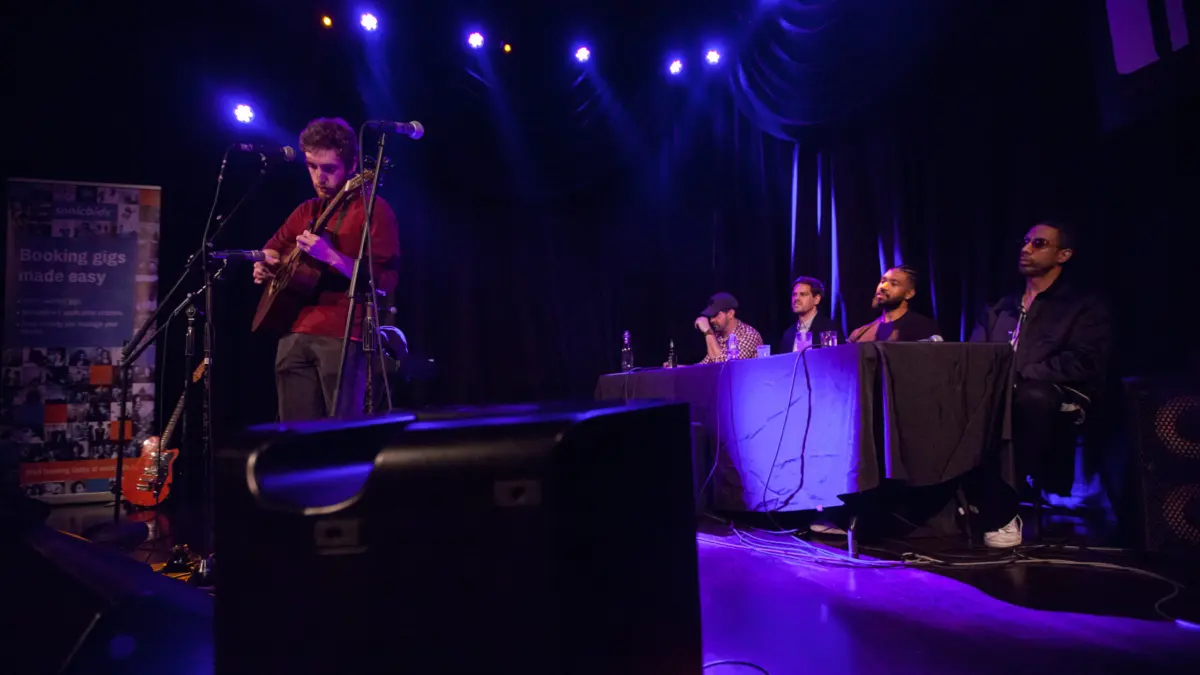
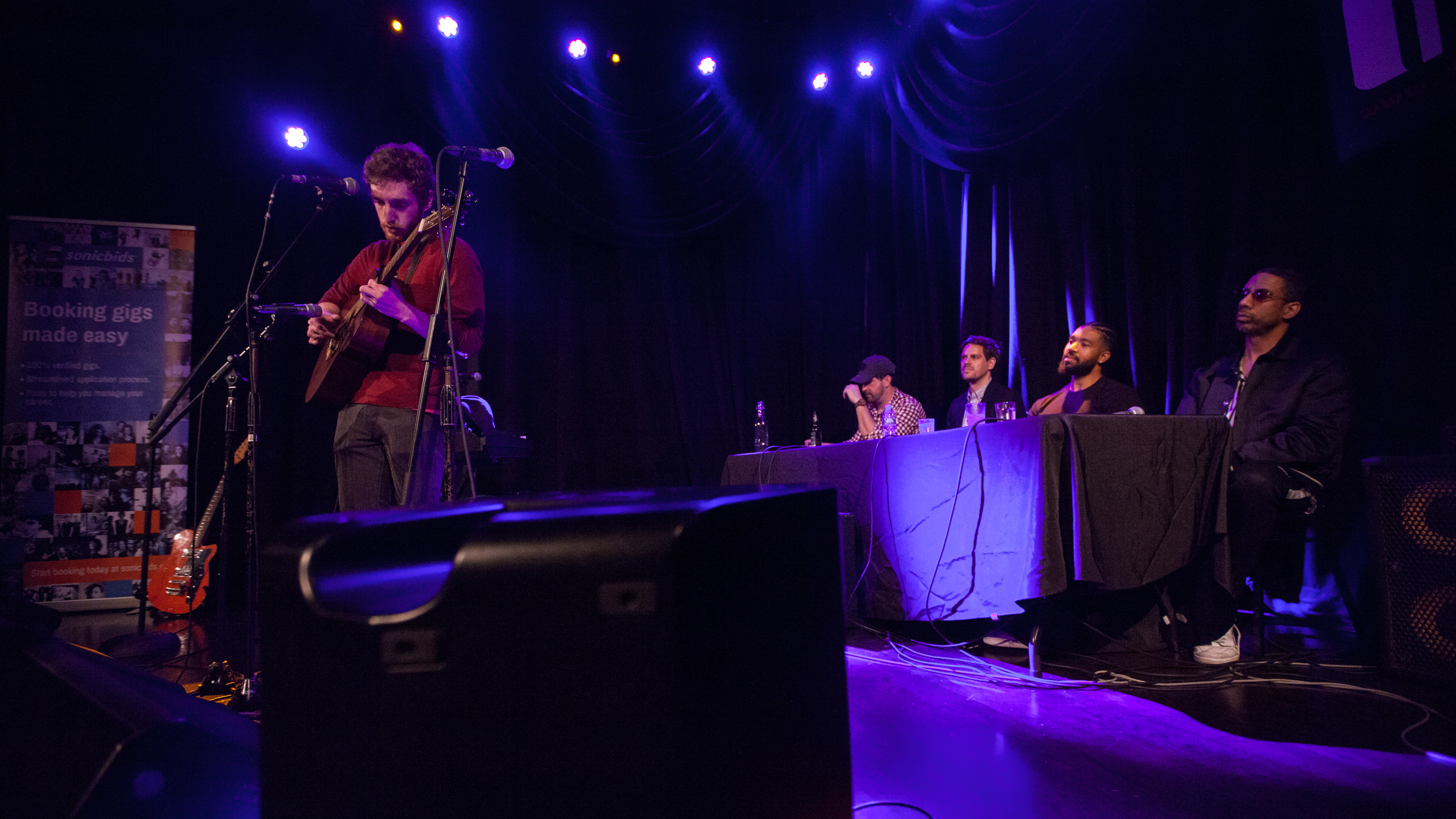
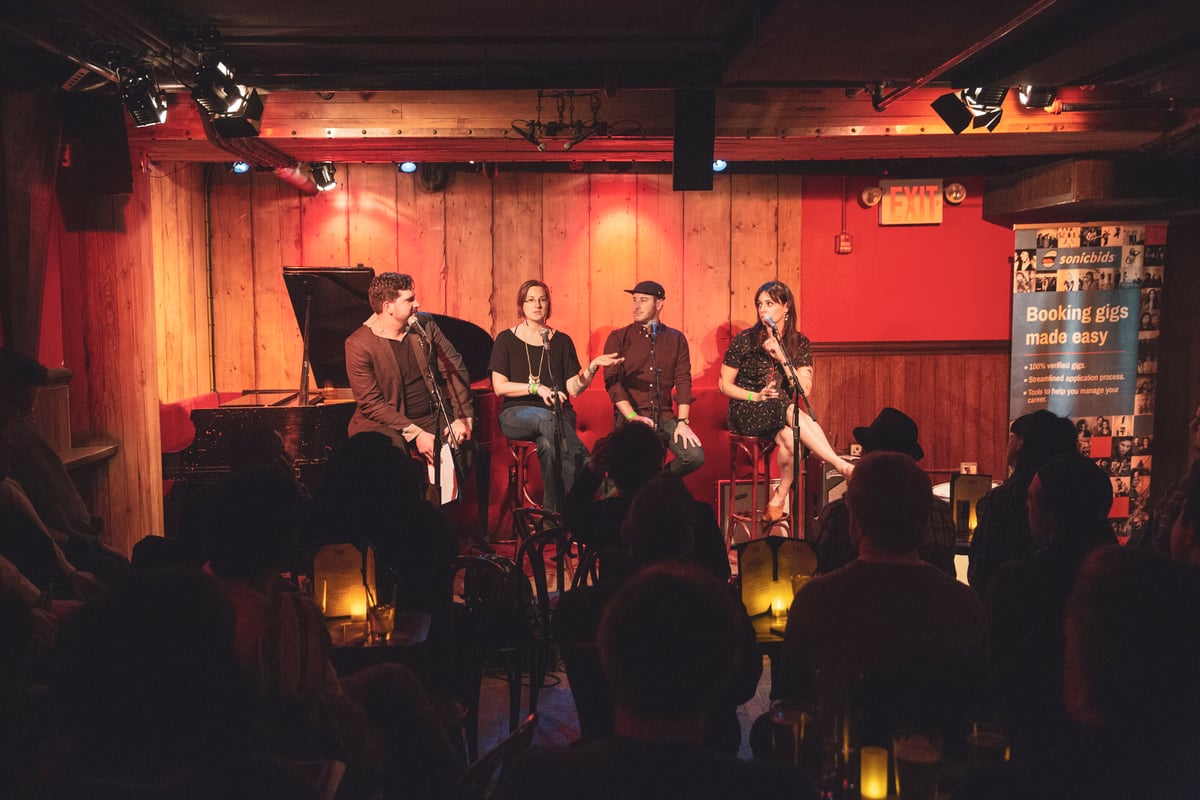
The emergence of structured networking events, such as the Sonicbids Feedback Collective, highlights a growing trend in peer-to-peer professional development. These gatherings, which range from panel discussions to songwriting workshops, serve a dual purpose: they provide technical skill enhancement while facilitating organic introductions between artists of varying experience levels.
In a typical workshop setting, such as those hosted by Sonicbids, musicians are encouraged to present their work for critique by industry professionals and peers. This transparency breaks down the social barriers often found at traditional concerts. When a rock guitarist engages in a workshop with a jazz saxophonist, the resulting "collision" of genres often yields innovative sounds that neither artist would have developed in isolation. Industry data suggests that collaborative releases often see a 25% to 40% increase in initial streaming reach compared to solo releases, as the algorithms of platforms like Spotify and Apple Music leverage the combined follower bases of all participating artists.
Digital Synergy and Specialized Creative Platforms
While mainstream social media platforms like Instagram and TikTok are essential for fan engagement, they are often optimized for consumption rather than collaboration. To build a professional network, musicians are increasingly turning to specialized digital environments. Platforms such as BandLab and SoundCloud have evolved into sophisticated social DAWs (Digital Audio Workstations) where the primary focus is on the "forking" and "remixing" of creative ideas.
BandLab, which recently surpassed 60 million users globally, facilitates remote collaboration by allowing artists to contribute tracks to a shared project file from anywhere in the world. This removes the geographical limitations that once hindered independent growth. For the professional musician, the strategy involves more than just uploading content; it requires active participation in the digital commons. Leaving insightful, technical feedback on a peer’s work or proposing a specific collaborative element—such as a vocal melody or a drum pattern—establishes a professional rapport that can lead to official co-releases and shared touring opportunities.
Strategic Volunteering and Industry Immersion
The logistics of the music industry offer another significant networking vector: event production. Volunteering at music festivals or industry conferences provides a "behind-the-scenes" perspective that is invaluable for emerging artists. This role places the musician in direct contact with event organizers, stage managers, and touring professionals—the very individuals who make booking decisions.
The timeline of a music festival often includes periods of high-intensity work followed by downtime, during which volunteers and staff interact. These moments are prime opportunities for "lateral networking." By demonstrating reliability and a strong work ethic in a volunteer capacity, an artist builds a level of trust with industry stakeholders that cannot be achieved through a cold email or a social media message. Many successful independent careers have been launched when a volunteer was called upon to fill a last-minute opening on a secondary stage or when a festival director took an interest in a staff member’s personal musical project.
Leveraging the Fanbase as a Collaborative Engine
In the age of direct-to-consumer (D2C) marketing, an artist’s existing audience is one of their most potent networking tools. Modern independent musicians are moving away from a broadcast model of communication toward a conversational one. By utilizing polls, surveys, and direct engagement on platforms like Discord or Patreon, artists can tap into the collective knowledge of their fans.

Fans often have deep connections within their own local communities that the artist may not be aware of. A fan might be a professional videographer, a venue owner, or a connection to another musician. Encouraging fan involvement in the collaborative process—such as asking for suggestions on who to work with next—not only strengthens fan loyalty but also provides a "warm introduction" to new potential partners. This democratized approach to A&R (Artist and Repertoire) allows the artist to grow their network in a way that is already pre-validated by their core audience.
Economic and Psychological Implications of a Connected Career
The shift toward a more collaborative and networked existence has profound implications for the longevity of an independent music career. From an economic standpoint, collaboration acts as a risk-mitigation strategy. By sharing the costs of production, marketing, and touring with partners, independent artists can achieve a scale that would be financially impossible alone. Furthermore, the diversification of an artist’s network provides a buffer against the volatility of the industry; if one avenue of revenue or exposure dries up, the artist has multiple other communities to lean on.
Psychologically, the "lonely artist" trope is being replaced by a model of communal resilience. The independent path is fraught with burnout and mental health challenges. Networking provides a support system of peers who understand the unique pressures of the industry. This emotional infrastructure is often what allows an artist to persist through the inevitable plateaus of a creative career.
Conclusion: The Path Forward for Independent Artists
As the music industry continues to fragment into thousands of micro-niches, the ability to navigate and connect these niches will be the defining skill of the successful 21st-century musician. Networking is no longer an optional add-on to a musical career; it is the foundation upon which the career is built. By embracing local art scenes, participating in professional workshops, leveraging specialized digital tools, volunteering for industry roles, and engaging their fanbase, independent musicians can transform their career trajectory.

The data is clear: the most successful independent artists are those who view themselves as part of a larger, interconnected ecosystem. Every encounter, whether at a local gallery or in a digital comment section, represents a potential pivot point. As the barriers between genres and disciplines continue to blur, the opportunities for innovative collaboration are limited only by an artist’s willingness to step outside their comfort zone and engage with the world around them. The future of music is not solo; it is a collective endeavor fueled by strategic, intentional, and creative networking.
