

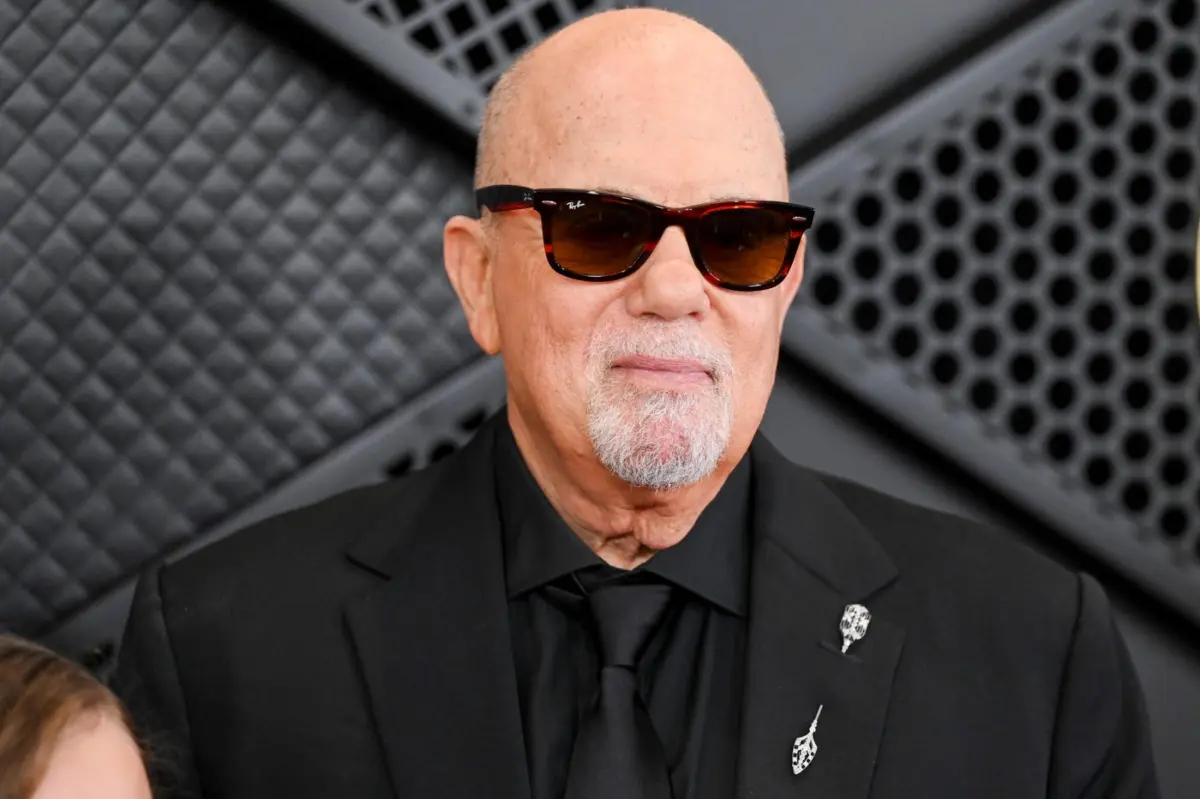
Legendary musician Billy Joel is embarking on a significant personal transition, announcing the sale of his extensive motorcycle collection as he continues to navigate his diagnosis of normal pressure hydrocephalus (NPH). The decision, revealed in a recent interview with The Hollywood Reporter on Thursday, October 15, comes with the poignant disclosure that his health condition has not only sidelined him from driving but also casts a shadow over his future onstage performances, with a neurologist comparing each show to incurring a concussion. This update offers a rare glimpse into the health challenges faced by the iconic "Piano Man" as he approaches his 77th birthday, underscoring the profound impact NPH has had on both his personal passions and professional career.
A Difficult Farewell to a Lifelong Passion
For decades, Billy Joel’s passion for motorcycles has been as well-known as his musical prowess. Amassing a collection that reportedly numbers over a hundred bikes, his garage has been a sanctuary, a workshop, and a source of exhilaration away from the glare of stadium lights. His love affair with two-wheeled machines, ranging from vintage classics to custom builds, has been a significant part of his public persona and private life, often seen cruising the roads of Long Island. The decision to part with this cherished collection is not merely a logistical one but a deeply personal relinquishment forced by his health. As Joel candidly expressed in the interview, "I’m into my 70s now, and I realized I can’t ride as much as I used to. I don’t want to die like a bug on a windshield." This stark statement encapsulates the gravity of his situation, prioritizing safety and well-being over a lifelong hobby. The collection, featuring a diverse array of motorcycles, is slated to go under the hammer at Gooding Christie’s Rétromobile auction, scheduled for November 20-21 at the Javits Center in New York, an event anticipated to draw significant attention from collectors and fans alike.
Normal Pressure Hydrocephalus: Understanding the Diagnosis
Billy Joel’s health challenges stem from normal pressure hydrocephalus, a brain disorder characterized by the buildup of cerebrospinal fluid (CSF) within the skull, exerting pressure on the brain. The Cleveland Clinic defines NPH as a condition affecting "several brain-related abilities, including thinking and concentrating, memory, movement and more." Unlike other forms of hydrocephalus, NPH typically occurs in older adults, and its symptoms—which can include gait disturbances, cognitive impairment (such as memory loss and difficulty planning), and urinary incontinence—are often mistakenly attributed to more common age-related conditions like Alzheimer’s disease or Parkinson’s disease. This misdiagnosis often leads to delayed treatment, highlighting the importance of early and accurate identification.
While the diagnosis sounds formidable, Joel had previously offered a measure of reassurance to his fanbase. In an interview on Bill Maher’s Club Random Podcast in July 2024, he stated, "It sounds a lot worse than what I’m feeling," suggesting a degree of personal resilience and perhaps a less severe manifestation of the condition at that time. However, the latest updates indicate a more pronounced impact, particularly concerning his mobility and ability to engage in physically demanding activities. Medical research indicates that NPH affects an estimated 700,000 Americans, though many remain undiagnosed. Treatment often involves the surgical implantation of a shunt system to drain excess CSF from the brain to another part of the body, offering significant relief from symptoms for many patients. Joel’s public disclosure of his condition serves to raise crucial awareness about NPH, potentially encouraging others experiencing similar symptoms to seek medical evaluation.
The Impact on Performance and Touring
The most significant implication of Joel’s NPH diagnosis, beyond his personal hobbies, is its potential curtailment of his illustrious live performance career. His neurologist’s stark comparison of each show to "getting a concussion" underscores the profound physical and neurological toll that high-energy rock concerts can take. Joel elaborated on the multi-faceted nature of this impact, citing "the volume" inherent in rock music—a genre that, as he humorously but truthfully noted, "made me deaf already." Beyond auditory stress, he pointed to "the lighting, the sound, the stress of the show, the audience, the energy of the performance. There’s a lot going on when you’re on stage." These combined factors, the medical advice suggests, make performing a high-risk activity for someone managing NPH.
This medical counsel directly led to the cancellation of his previously scheduled 2025-2026 tour, an announcement made in spring 2025. While Joel has expressed a strong desire to return to the stage—"which I would like to be able to do"—he remains in a holding pattern, awaiting further medical tests to determine the feasibility of future performances. The prospect of a prolonged hiatus or even an indefinite retirement from touring is a somber reality for millions of fans who have cherished his live shows for decades. For an artist whose career has been defined by his electrifying presence behind the piano, the physical demands of playing for thousands, night after night, are immense, even without an underlying health condition. This situation highlights the often-overlooked physical toll on aging musicians, even those as seemingly indefatigable as Billy Joel.
A Chronology of Health Updates and Career Milestones
Billy Joel’s career spans over five decades, marked by a string of hit songs, sold-out concerts, and a unique place in the pantheon of American music. His longevity and consistent touring schedule have been remarkable, making any health-related interruption particularly notable.
- Early Career (1970s-1980s): Joel rises to superstardom with hits like "Piano Man," "Just the Way You Are," and "Uptown Girl," establishing himself as a prolific songwriter and dynamic live performer.
- Late 1980s-Early 1990s: Continues extensive touring and releases critically acclaimed albums.
- 1993: Releases River of Dreams, his last studio album of pop songs, though he continues to tour extensively.
- 2000s-2010s: Maintains a robust touring schedule, including his long-running residency at Madison Square Garden, solidifying his status as a premier live act.
- July 2024: Appears on Bill Maher’s Club Random Podcast, addressing his health for the first time by stating his NPH diagnosis "sounds a lot worse than what I’m feeling," offering a hopeful outlook to fans.
- Spring 2025: Publicly announces his diagnosis of normal pressure hydrocephalus (NPH) and, consequently, cancels his entire 2025-2026 touring schedule, citing health concerns. This marked the first significant, planned interruption to his touring in decades due to health.
- October 15, 2025: In an interview with The Hollywood Reporter, Joel provides a more detailed and sobering health update, revealing the neurologist’s warning about performing and his decision to sell his extensive motorcycle collection. He also confirms his inability to drive currently.
- November 20-21, 2025: His prized motorcycle collection is scheduled for auction at Gooding Christie’s Rétromobile auction in New York.
This timeline illustrates a gradual escalation of the impact of NPH on Joel’s life, moving from an initial reassuring statement to a more candid and concerning assessment of its effects on his core activities.
The Market for Celebrity Collectibles and Motorcycle Auctions
The auction of Billy Joel’s motorcycle collection at Gooding Christie’s Rétromobile is more than just a sale of vehicles; it’s an event in the high-stakes world of celebrity collectibles. Items owned by iconic figures often command prices far exceeding their intrinsic value due to their provenance and the emotional connection fans have to the celebrity. A collection of over a hundred motorcycles, curated by a music legend, represents a unique opportunity for collectors.
Gooding & Company, known for specializing in the auction of exceptional classic and collector cars, often features rare and historically significant vehicles. Their Rétromobile event, typically held annually, attracts a global audience of serious collectors. The sale of Joel’s bikes, expected to be a highlight of the November 2025 auction, will likely see significant bids driven by both the rarity of some models and the sheer star power of their former owner. Beyond their monetary value, these motorcycles represent a tangible piece of Joel’s personal history, offering fans and enthusiasts a chance to own a piece of the "Piano Man’s" world. Industry experts anticipate robust bidding, reflecting the strong market for celebrity-owned assets and the enduring appeal of motorsports culture.
Broader Implications for Musicians and Aging Artists
Billy Joel’s current predicament serves as a potent reminder of the unique challenges faced by aging artists, particularly those whose careers are built on the physically demanding act of live performance. While rock and roll legends are often perceived as ageless, immune to the ravages of time, the reality is that touring, performing, and even just traveling can take a significant toll on the body. The sheer volume of sound, the intense lighting, the physical exertion of playing instruments, and the adrenaline of interacting with a live audience combine to create an environment that can be taxing even for younger performers. For artists in their seventies and beyond, managing chronic health conditions becomes an increasingly complex balancing act between passion and personal well-being.
Joel’s situation highlights a broader trend within the music industry, where an increasing number of legendary musicians are grappling with health issues that impact their ability to tour. This raises questions about the future of live music from iconic acts and prompts discussions about alternative performance formats, such as virtual concerts or less physically strenuous engagements. Furthermore, Joel’s public disclosure of NPH contributes to raising awareness for a condition that is often underdiagnosed. His openness could encourage more individuals, particularly older adults experiencing similar symptoms, to seek medical attention, potentially leading to earlier diagnosis and treatment. His story underscores the human vulnerability beneath the rockstar persona, resonating deeply with fans and fellow artists alike.
A Legacy Defined Beyond the Stage
Regardless of whether Billy Joel performs live again, his musical legacy is irrevocably etched into the fabric of popular culture. With over 150 million records sold worldwide, numerous Grammy Awards, and induction into the Rock and Roll Hall of Fame, his contributions as a songwriter, pianist, and performer are monumental. His catalog of timeless hits continues to resonate across generations, ensuring his enduring influence.
The difficult decisions he is making now, from selling his cherished motorcycle collection to facing the uncertainty of future performances, are a testament to his commitment to his health and his pragmatic approach to aging. While these changes mark a new chapter, they do not diminish the indelible mark he has left on music. His current health journey, bravely shared with the public, only adds another layer to the narrative of a remarkable artist who has always connected with his audience through honesty and raw emotion. Fans around the world will undoubtedly continue to hope for positive outcomes from his ongoing medical evaluations, but his place as a musical icon is secure, defined not just by his stage presence but by the profound and lasting impact of his artistry.
