

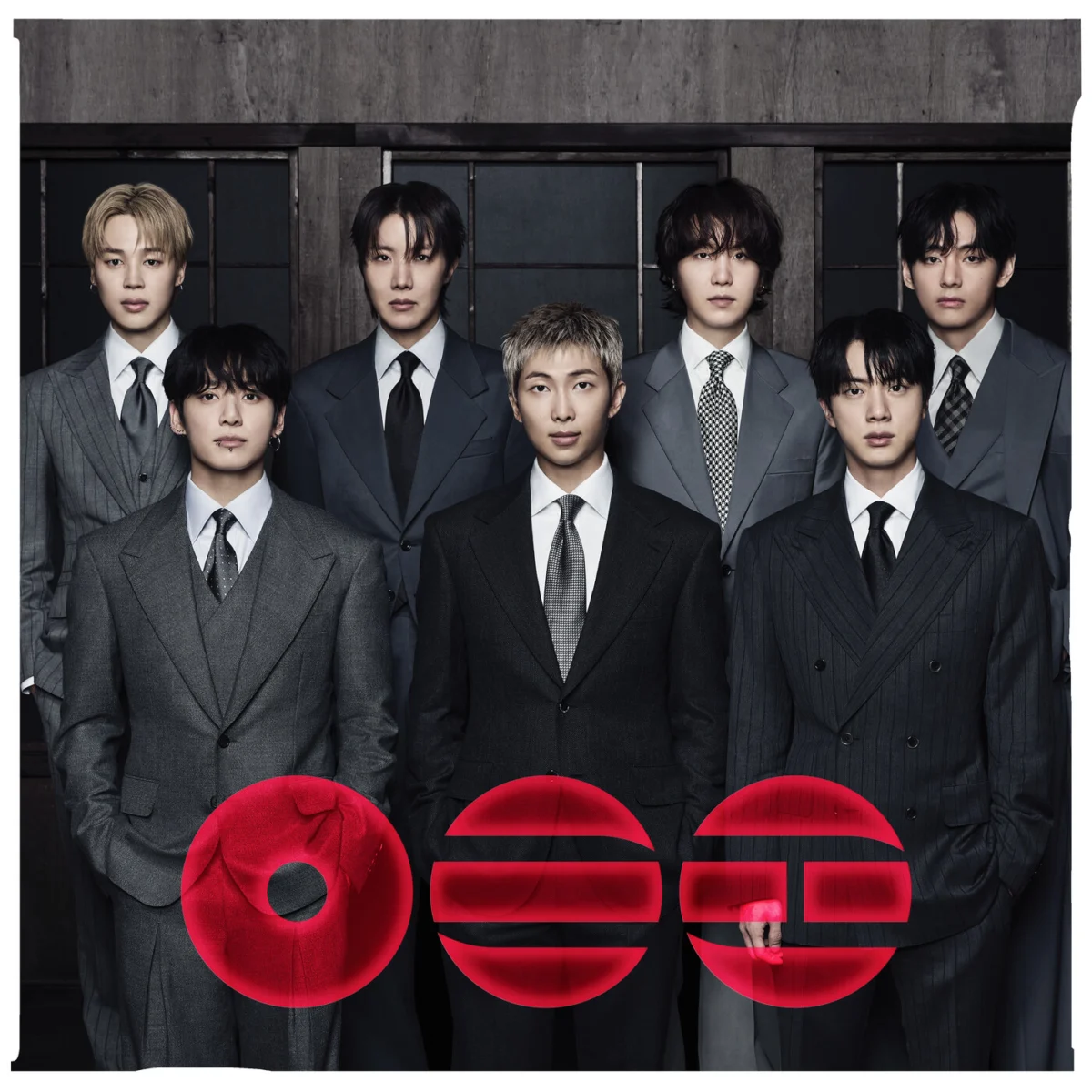
After a meticulously planned hiatus that saw its seven members fulfill their mandatory military service, the globally dominant K-pop sensation BTS has officially re-entered the music scene with the release of their highly anticipated new album, Arirang, and a monumental comeback concert held at Seoul’s historic Gwanghwamun Square. This return marks a pivotal moment for the group, their dedicated fanbase, and the broader K-pop industry, signifying the end of a nearly four-year period since all seven members last collaborated on a full-length project. The hiatus, announced in June 2022, was framed as an opportunity for individual artistic exploration and the fulfillment of civic duties, a common, yet often disruptive, requirement for male South Korean citizens.
The Return of a Global Phenomenon: A Calculated Pause and Resurgent Unity
The journey back to collective musical endeavors for BTS has been closely watched by millions worldwide. The 2022 announcement of an indefinite hiatus for group activities to allow members to focus on solo work and enlist in the military sent ripples through the entertainment world. For a group that has shattered numerous records, redefined global pop music, and become a cultural ambassador for South Korea, this pause was unprecedented. It sparked intense public discourse regarding the fairness of mandatory military service for high-profile figures and the potential impact on the nation’s soft power, a debate that ultimately concluded with the members serving their time.
A Mandatory Pause and Individual Growth
South Korea mandates approximately 18 to 21 months of military service for all able-bodied men between the ages of 18 and 28 (with some extensions for specific circumstances, notably cultural figures). For years, there had been a national conversation about potential exemptions or alternative service for K-pop idols, given their immense contribution to the country’s economy and international prestige, often referred to as "the BTS effect." Reports from the Hyundai Research Institute in 2018 estimated BTS’s annual economic contribution to South Korea at over $4.65 billion, equivalent to the output of 26 mid-sized companies. Despite these arguments, and after much deliberation, all seven members – RM, Jin, Suga, J-Hope, Jimin, V, and Jungkook – confirmed their commitment to fulfilling their military obligations, beginning with Jin’s enlistment in December 2022.
During this period, individual members released solo albums, collaborated with international artists, embarked on solo tours, and participated in various fashion and brand endorsements, further solidifying their individual artistic identities while keeping the BTS brand alive. These solo ventures were met with critical acclaim and commercial success, demonstrating the depth of talent within the group and maintaining fan engagement throughout the hiatus. For instance, Jungkook’s debut solo album Golden reached the top of charts globally, and Jimin’s "Like Crazy" made him the first South Korean solo artist to top the Billboard Hot 100. These individual successes served not only as a testament to their personal growth but also as a strategic move by HYBE Corporation, BTS’s management company, to mitigate the impact of the group’s temporary absence and sustain market interest.
Arirang: A New Chapter in Sound and Collaboration
The new album, Arirang, is more than just a collection of songs; it represents a powerful statement of unity, artistic evolution, and global collaboration. As the first collective effort featuring all seven members in nearly four years, the project has been under intense scrutiny and anticipation. The title itself, Arirang, carries profound cultural weight. "Arirang" is a beloved Korean folk song, often considered the unofficial national anthem, symbolizing resilience, separation, and reunion – themes that resonate deeply with BTS’s journey and their return to the global stage.
Collaborative Horizons: A Fusion of Global Talents
One of the most striking aspects of Arirang is its impressive roster of international collaborators. The album features contributions from acclaimed artists such as Tame Impala, known for his psychedelic rock and synth-pop soundscapes; JPEGMAFIA, an experimental rapper and producer; Flume, the Australian electronic music innovator; and El Guincho, the Spanish producer famed for his work with Rosalía. This diverse array of artists suggests a deliberate effort by BTS to push their sonic boundaries and integrate a broader spectrum of genres into their signature sound.
Tame Impala’s Kevin Parker, celebrated for his intricate arrangements and dreamy textures, likely brings a new layer of atmospheric depth to tracks. JPEGMAFIA’s inclusion hints at edgier, more experimental hip-hop elements, potentially showcasing the rap line’s versatility. Flume’s electronic prowess could infuse the album with innovative beats and production techniques, while El Guincho’s Latin-infused pop sensibilities might introduce rhythmic complexities and global melodic influences. This strategic choice of collaborators not only broadens BTS’s appeal but also underscores their position as global music ambassadors, seamlessly blending diverse musical traditions. The synergy between these artists and BTS promises a fresh, eclectic sound that is both familiar to ARMY (BTS’s fanbase) and adventurous for new listeners.
Anticipation and Market Impact
The lead-up to Arirang‘s release generated unprecedented market buzz. Pre-order figures reportedly soared into the millions globally within weeks of the announcement, indicating immense fan demand and market confidence. Industry analysts projected significant first-week sales, potentially rivaling or surpassing previous BTS records, which often reached multi-million unit sales for albums like Love Yourself: Answer and Map of the Soul: Persona. Streaming platforms also braced for record-breaking numbers, with early data suggesting Arirang quickly dominated global charts upon its release. The album’s commercial success is not just a win for BTS but also a significant boon for HYBE Corporation, whose stock price typically experiences considerable fluctuations based on BTS’s activities. Financial reports anticipated a surge in revenue from album sales, merchandise, and the upcoming world tour, signaling a robust return on investment after the hiatus.
A Historic Comeback Concert in Seoul: Gwanghwamun Square Unites Fans
The grand unveiling of Arirang was complemented by a spectacular comeback concert, a free event held in the heart of Seoul at Gwanghwamun Square. This iconic location, often the site of major national events and protests, provided a symbolic backdrop for BTS’s return. The choice of venue emphasized the group’s deep connection to their homeland and its cultural significance.
The Significance of Gwanghwamun Square
Gwanghwamun Square is a historically charged location, flanked by the majestic Gyeongbokgung Palace and the modern skyscrapers of downtown Seoul. It stands as a symbol of Korean history, resilience, and national identity. Holding their first concert in four years at such a prominent public space underscored the magnitude of their return, transforming it from a mere musical performance into a cultural event of national importance. Tens of thousands of fans, known as ARMY, gathered at the square, while countless others watched remotely, creating an atmosphere of collective celebration and emotional reunion. The spectacle transformed the square into a vibrant hub of music and community, reinforcing BTS’s role not just as entertainers, but as cultural icons.
Performance Highlights and Setlist Debuts
The concert was a masterclass in stage presence and fan engagement, despite a minor setback. The group gave live debuts to eight tracks from Arirang: "Body To Body," "Hooligan," "2.0," "Aliens," "FYA," "SWIM," "Like Animals," and "NORMAL." Each performance was meticulously choreographed, showcasing the members’ renewed energy and synchronized precision, a hallmark of BTS’s live shows. The setlist was carefully curated to blend the new material with fan favorites, creating a dynamic and emotionally resonant experience.
A notable detail from the concert was the appearance of leader RM, who was mostly seated during the performance due to an ankle injury. Despite this, RM’s powerful stage presence and vocal contributions remained undiminished, a testament to his professionalism and dedication. The other members rallied around him, ensuring a seamless and high-energy show, demonstrating their enduring camaraderie and resilience. The incident, while minor, served to highlight the human element behind the global superstars and only deepened the connection with fans who appreciated their commitment.
Global Reach via Netflix: Accessibility and Innovation
In a move that underscored their commitment to global accessibility, the entire Gwanghwamun Square concert was streamed live on Netflix. This partnership with a major international streaming platform allowed millions of fans across different time zones and geographical locations to witness the comeback in real-time. The decision to stream on Netflix not only expanded the concert’s reach beyond traditional concert venues but also cemented BTS’s status as a global entertainment phenomenon, leveraging modern technology to bridge distances between artists and their worldwide audience. This strategy also sets a precedent for future large-scale musical events, demonstrating the potential for hybrid live/digital experiences that cater to a global fanbase.
The Path to Reunion: A Chronology
- June 2022: BTS announces an indefinite hiatus for group activities, with members focusing on solo careers and fulfilling mandatory military service. The announcement leads to a temporary dip in HYBE stock value, but solo releases quickly stabilize investor confidence.
- December 2022: Jin, the oldest member, becomes the first to enlist in the South Korean military, setting the timeline for the group’s eventual reunion.
- Early 2023 – Late 2024: Other members progressively enlist, while those not yet enlisted release solo albums, singles, and embark on solo tours. Key releases include albums from J-Hope, Suga (Agust D), Jimin, V, Jungkook, and RM, all achieving significant global chart success. This period is marked by sustained fan engagement through social media and individual content.
- Late 2024 – Early 2025: Members begin to complete their military service, with the final members’ discharge anticipated. HYBE begins to subtly hint at a group comeback, increasing speculation and excitement among ARMY.
- Early 2026 (Inferred): Official announcement of Arirang, the new album, and the comeback concert. Details about collaborators and the world tour are gradually revealed, generating massive pre-release buzz.
- [Today’s Date]: Release of Arirang and the live comeback concert at Gwanghwamun Square, streamed globally on Netflix, marking the official reunion of all seven members.
Industry Reactions and Broader Implications
The return of BTS is more than just a musical event; it carries significant economic, cultural, and industry-wide implications.
HYBE’s Strategic Vision and Statements
While specific official statements regarding the comeback were limited to logistical announcements, HYBE Corporation’s strategic handling of the hiatus and return speaks volumes. The company’s calculated approach to individual member activities ensured that the BTS brand remained potent throughout the group’s absence. This strategy, often referred to as a "chapter 2" for the group, allowed for artistic growth while managing the mandatory military service. Industry observers infer that HYBE’s management of this complex period will serve as a blueprint for other K-pop agencies facing similar challenges with their top groups. The success of Arirang and the subsequent tour will be a strong validation of this long-term strategy, prioritizing group longevity and artistic integrity over short-term market gains.
Economic and Cultural Impact
The economic ripple effect of BTS’s return is substantial. South Korea’s tourism industry is expected to see a significant boost, with fans traveling to attend concerts and visit BTS-related sites. Merchandise sales, streaming revenue, and concert ticket sales are projected to contribute billions to the global entertainment economy. The "BTS effect" on South Korean soft power, which saw the group appointed as special presidential envoys for future generations and culture, will undoubtedly be rekindled. Their return reinforces South Korea’s position as a global cultural powerhouse, influencing music, fashion, and lifestyle trends worldwide. The stock prices of HYBE and related entertainment companies are also expected to stabilize or rise further, reflecting renewed investor confidence in the group’s continued profitability and influence.
Setting a Precedent for K-Pop
BTS’s successful navigation of mandatory military service provides a crucial precedent for other K-pop groups. The industry has often grappled with the challenge of maintaining group cohesion and market relevance when members enlist. BTS’s strategy of staggered solo activities, followed by a unified, high-impact comeback, offers a viable model. It demonstrates that a temporary hiatus, when managed strategically, can lead to artistic rejuvenation and renewed fan enthusiasm rather than a decline. This could fundamentally alter how K-pop agencies plan for their male idols’ military enlistment, potentially leading to more structured and less disruptive approaches across the industry.
The Road Ahead: A Massive World Tour
Following the Seoul comeback concert, BTS is set to embark on a massive world tour. The tour announcement, made concurrently with the album release, has already ignited a frenzy among fans globally. This extensive tour will take Arirang‘s new sound and the group’s electrifying performances to continents worldwide, solidifying their re-established presence on the global stage. Dates and venues for the tour are expected to be announced in phases, leading to intense competition for tickets and further driving the economic and cultural impact of their return.
In conclusion, BTS’s return with Arirang and their Gwanghwamun Square concert marks not just the end of a hiatus, but the beginning of a vibrant new chapter. It is a testament to their enduring artistry, the unwavering loyalty of their fanbase, and the strategic foresight of their management. The group has not merely returned; they have re-emerged, stronger and more diverse in their musical offerings, ready to once again shape the landscape of global pop music and reinforce their legacy as one of the most influential cultural phenomena of the 21st century.
