

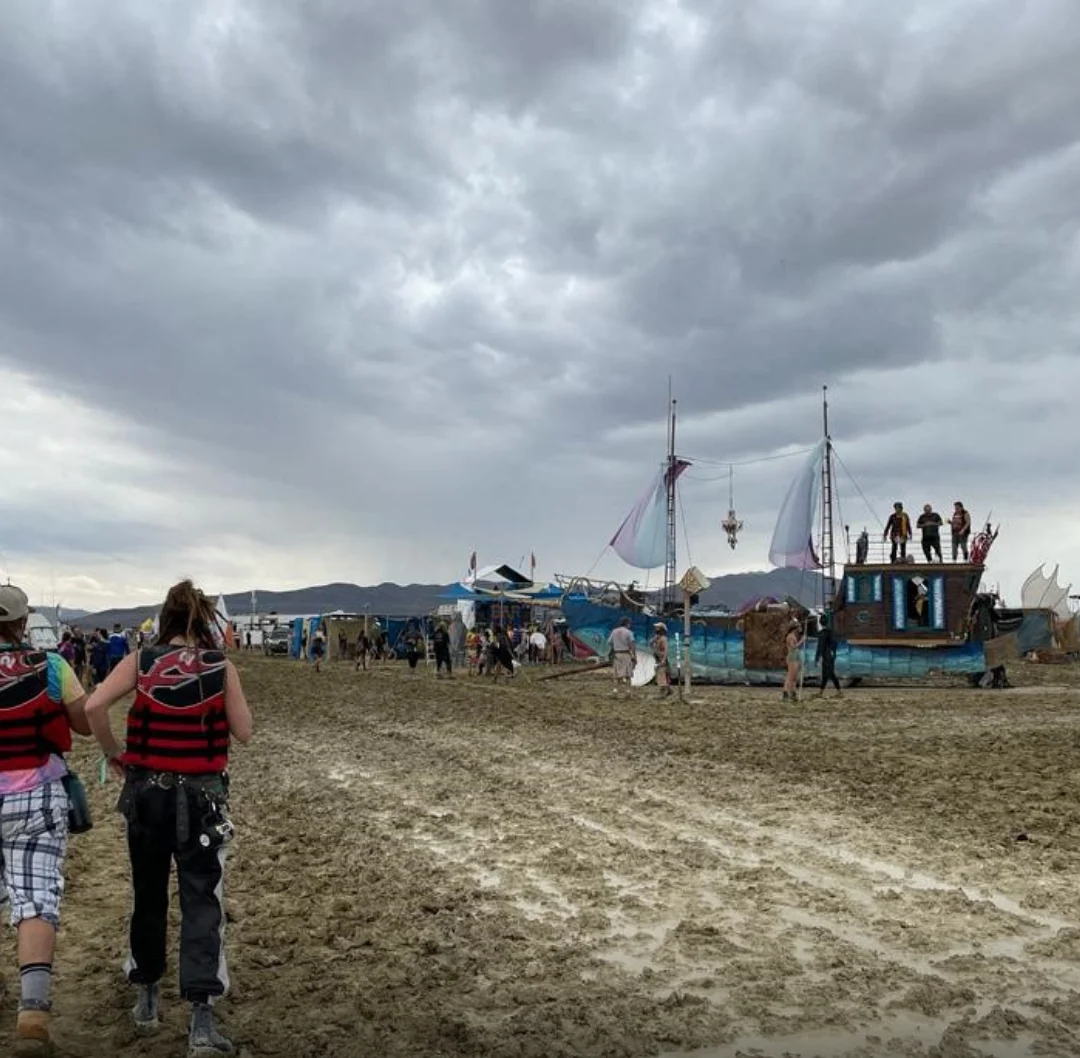
The 2026 iteration of the iconic Burning Man festival, held annually in Nevada’s Black Rock Desert, has concluded with a somber note as the official death toll for the event has tragically climbed to three. This grim statistic emerged following a festival marked by extreme weather conditions that led to significant logistical disruptions, including a temporary gate closure and a challenging exodus for thousands of participants. The series of fatalities has cast a pall over the traditionally vibrant and free-spirited gathering, prompting questions about safety protocols, emergency response capabilities, and the inherent risks associated with staging a temporary city in such an extreme environment.
A Tragic Chronology: Three Lives Lost
The first fatality of the 2026 festival was confirmed on Friday, September 4th. Sampson Tshombe, reported to be in his mid-50s, suffered a medical emergency within the festival grounds. Despite immediate attention, Tshombe’s condition proved fatal. Details surrounding the specific nature of his medical emergency have not been publicly disclosed, respecting the privacy of the deceased and his family, pending official investigation.
Just twenty-four hours later, on Saturday, September 5th, the festival reported a second death. Craigh Mann, aged 60, was discovered deceased in his camp. The circumstances surrounding Mann’s death are currently under investigation by local authorities, with initial reports indicating he was found by fellow attendees. As with the first incident, official statements have been cautious, awaiting the results of forensic examinations to determine the exact cause of death.
The final day of the festival, Monday, September 7th, brought the confirmation of a third fatality, further deepening the tragedy. This individual, whose identity has not yet been released, reportedly died while en route to a hospital in Reno. According to reports from TMZ, the Pershing County Sheriff’s Office confirmed this third death, indicating that emergency medical personnel were transporting the attendee when the fatality occurred. The journey from the remote Black Rock Desert to a major medical facility like those in Reno can be arduous and time-consuming, highlighting the logistical challenges of providing advanced medical care in such an isolated setting. No further information regarding this third death, including the individual’s age or the nature of their medical condition, has been made available at this time, as investigations remain ongoing.
Burning Man: A Temporary Metropolis in an Extreme Landscape
Burning Man is not merely a music festival; it is an experimental community, a temporary city known as Black Rock City, erected annually in the Black Rock Desert of Nevada. For over three decades, hundreds of thousands of "Burners" have converged here to create art, foster radical self-expression, and practice principles like radical self-reliance, communal effort, and leaving no trace. The event typically attracts upwards of 70,000 participants, transforming a barren playa into a bustling, vibrant, and often surreal urban landscape complete with its own infrastructure, art installations, and a unique socio-cultural ethos.
The Black Rock Desert itself is a vast, flat, and ancient lakebed characterized by its extreme conditions. Temperatures can swing wildly from scorching daytime highs to freezing nighttime lows. Dust storms are a common occurrence, capable of reducing visibility to near zero and coating everything in a fine, alkaline powder. The environment demands a high degree of preparedness and self-sufficiency from participants, aligning with the festival’s principle of radical self-reliance. Attendees are responsible for bringing all their own supplies, including food, water, and shelter, and are expected to pack out everything they bring in.
Despite its emphasis on self-reliance, the Burning Man Project, the organization behind the event, does provide essential services, including emergency medical teams, a temporary sheriff’s substation, and harm reduction services. However, the sheer scale and remoteness of the event mean that any severe medical emergency or widespread crisis can strain these resources to their limits. Over its history, Burning Man has experienced fatalities due to various causes, including pre-existing medical conditions, accidents, and drug-related incidents. Each death prompts a review of safety protocols and emergency response, underscoring the inherent risks of congregating tens of thousands of people in such an unforgiving environment.
The 2026 "Mud Apocalypse": Weather Woes and Logistical Nightmares
The 2026 festival was particularly notable for the severe and unexpected weather conditions that gripped Black Rock City. Heavy, unseasonal rains transformed the usually dry playa into a thick, impassable mud pit. This "mud apocalypse," as some attendees dubbed it, began with torrential downpours that started days before the official end of the festival, trapping tens of thousands of participants.
The unexpected deluge led to an unprecedented "shelter-in-place" order from organizers, effectively closing the main gate to all vehicle traffic – both incoming and outgoing. The thick, clay-like mud made roads impassable, creating a logistical nightmare. Vehicles became stuck, and walking through the muck was a strenuous and often perilous endeavor. This closure left many attendees stranded, facing dwindling supplies of food, water, and fuel, and raising concerns about sanitation and access to essential services. Emergency vehicles also struggled to navigate the terrain, complicating any rapid response efforts.
The situation sparked widespread media attention and public concern, with images and videos of mired vehicles and mud-caked attendees circulating globally. While the Burning Man Project worked tirelessly to mitigate the crisis, including advising participants to conserve resources and offering limited transport for urgent medical cases, the extended period of entrapment tested the resilience and self-reliance of even the most seasoned Burners. The closure significantly delayed the planned exodus, turning what is usually a carefully managed departure process into a chaotic, multi-day ordeal once the ground began to dry sufficiently for vehicles to move.
Official Responses and Ongoing Investigations
The Pershing County Sheriff’s Office has taken the lead in investigating the three confirmed deaths. Sheriff Jerry Allen, or a spokesperson for the office, would likely have issued statements emphasizing the thoroughness of their inquiries, confirming that autopsies and toxicology reports would be conducted to ascertain the precise causes of death for each individual. Such investigations are standard procedure in any unattended or unexplained death, especially in a large public gathering. The office would also be coordinating with the Burning Man Project’s own safety and medical teams to gather all relevant information.
The Burning Man Project, through its official channels and spokespeople, would have undoubtedly expressed profound sorrow and offered condolences to the families and friends of the deceased. In the wake of such tragedies, the organization typically reinforces its commitment to participant safety, while also acknowledging the challenges inherent in the desert environment. They would likely detail the emergency medical services that were on site, the protocols followed, and any assistance provided to authorities. Furthermore, the organization would be expected to conduct an internal review of the events, particularly concerning the emergency response during the severe weather and the management of the mass exodus, to identify areas for improvement in future events.
The difficulties encountered by emergency services in reaching those in need during the "mud apocalypse" are a critical point of concern. The impassable roads would have significantly hampered response times for ambulances and other essential personnel, potentially exacerbating medical emergencies. This aspect will undoubtedly form a key part of any subsequent review by both county authorities and the festival organizers.
Attendee Perspectives: Exodus Narratives and Defenses of the Culture
Amidst the official reports and crisis management, personal accounts from attendees painted a vivid picture of the event’s unique challenges and enduring spirit. DJ Diplo, who performed five sets at the festival, became a prominent figure in the narrative of the exodus. He posted videos claiming he walked an astounding 15 miles through the desert to escape the mud-bound festival. While his friend in the video humorously suggested the walk took only 39 minutes, Diplo countered with a more realistic, yet still impressive, estimate of "more like two hours." This account, regardless of the precise duration or distance, highlighted the desperate measures some took to leave the site and the sheer effort required to navigate the muddy terrain on foot before the roads reopened. Diplo’s narrative, widely shared, underscored the difficult conditions faced by thousands of participants.
Another prominent DJ, John Summit, took to social media platform X (formerly Twitter) to defend the Burning Man experience against a wave of online criticism. "coming back from burning man & seeing all these haters online who didn’t even go while everyone i met there was positive, present, loving & full of life just shows how much the internet isn’t a real place," he wrote on September 7, 2026. Summit’s statement reflects a common sentiment among "Burners" who often feel that external media portrayals and public reactions fail to capture the true spirit of community, resilience, and positive human interaction that defines the event for many participants. His comments highlight a significant dichotomy: the perception of Burning Man as an indulgent, chaotic, or even dangerous gathering by outsiders versus the deeply transformative and communal experience reported by many who attend. This year’s extreme conditions intensified this public scrutiny, making such defenses more pertinent.
Broader Impact and Implications for Future Events
The events of the 2026 Burning Man festival, particularly the triple fatality and the unprecedented environmental disruptions, carry significant implications for the future of the event and large-scale gatherings in extreme environments.
Reputational Impact: The negative publicity surrounding the deaths and the "mud apocalypse" will undoubtedly affect Burning Man’s public image. While many loyal attendees will continue to defend its core values, the incidents could deter potential first-timers or lead to increased scrutiny from regulatory bodies and local authorities. The juxtaposition of the festival’s ethos of radical self-reliance with the need for robust external support during a crisis will be a point of ongoing discussion.
Review of Safety Protocols and Emergency Preparedness: It is highly probable that the Burning Man Project will undertake a comprehensive review of its safety protocols, emergency response plans, and logistical strategies. This could include:
- Enhanced Weather Monitoring and Mitigation: Investing in more sophisticated weather forecasting for the remote desert and developing more robust contingency plans for extreme precipitation.
- Improved Infrastructure for Adverse Conditions: Exploring options for more resilient road surfaces or alternative evacuation routes that can withstand heavy rainfall.
- Medical Services Augmentation: Potentially increasing the number of on-site medical personnel, equipment, and possibly even temporary advanced care facilities to reduce reliance on long-distance transport.
- Communication Strategies: Refining communication channels to ensure timely and clear information reaches all participants during an emergency, especially when traditional networks might be compromised.
- Resource Management: Reviewing strategies for ensuring adequate supplies (food, water, fuel) are available or can be rapidly deployed in the event of prolonged entrapment.
Regulatory Scrutiny: Local and state authorities, including the Bureau of Land Management (which manages the land), the Pershing County Sheriff’s Office, and health departments, may impose stricter conditions or require more detailed emergency plans for future events. This could lead to increased operational costs for the Burning Man Project and potentially impact the scale or format of the festival.
Economic Considerations: The extended stay and logistical challenges for participants likely had an economic ripple effect on local communities, particularly Reno, which serves as a primary gateway for many attendees. While some businesses might have seen increased sales from delayed departures, others might have faced disruptions. The long-term economic impact on the region, which benefits significantly from the festival, will depend on its future viability and attendance numbers.
The Enduring Challenge of the Wild: Ultimately, the 2026 Burning Man serves as a stark reminder of humanity’s vulnerability when confronted with the raw power of nature, even in highly organized events. The festival’s foundational principle of radical self-reliance is continually tested by the unpredictable and often harsh realities of the Black Rock Desert. While the community will mourn the lives lost and reflect on the challenges faced, the enduring spirit of Burning Man will likely prompt a renewed commitment to adaptation, safety, and the unique, often challenging, experience it offers. The investigations into the deaths and the subsequent reviews of the event’s handling will be crucial in shaping the future trajectory of this extraordinary annual gathering.
