

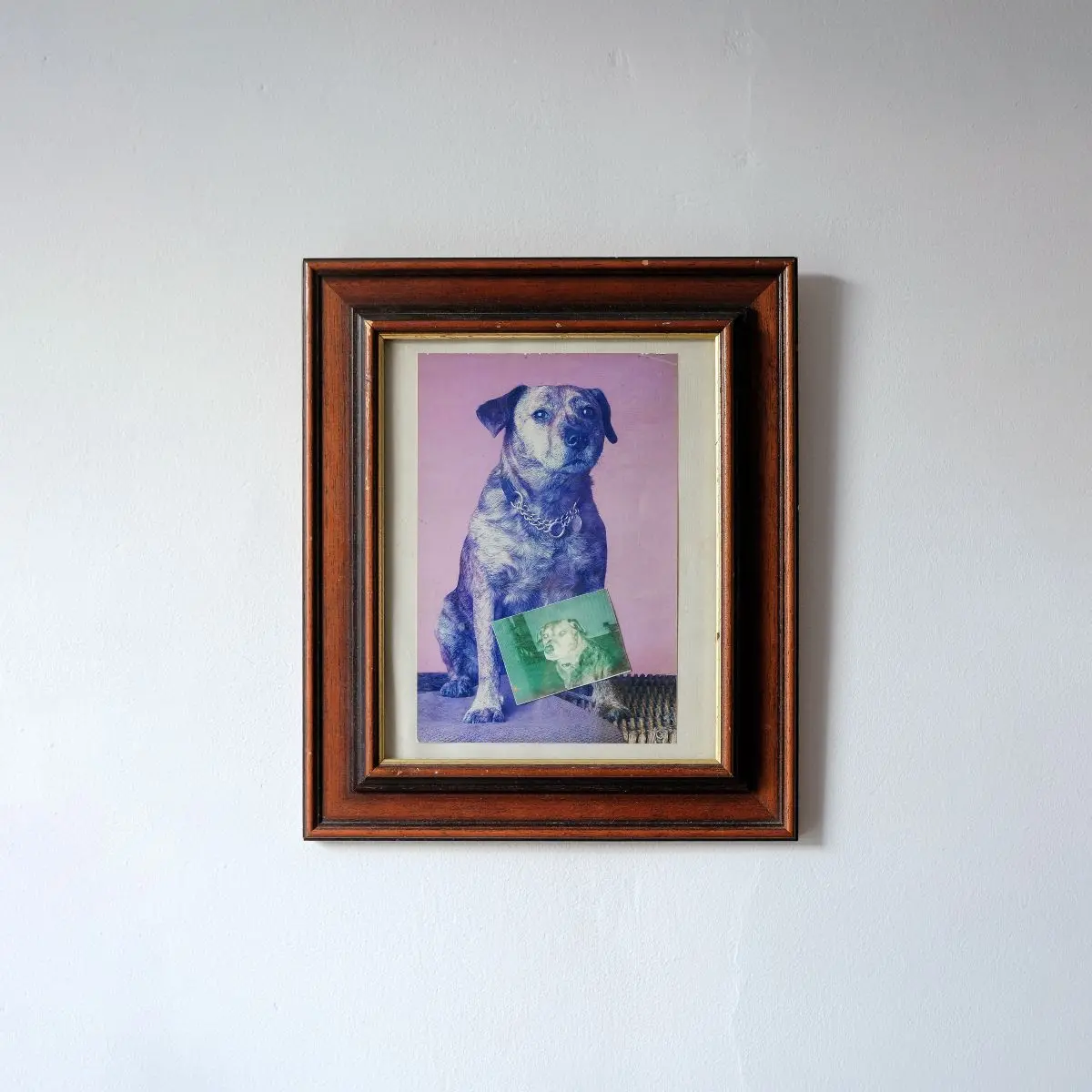
Manchester’s acclaimed art-pop ensemble Dutch Uncles has formally announced the impending release of their sixth studio album, Polygon Hotel, slated for distribution on February 19, 2025, via Memphis Industries. This forthcoming record marks a significant evolution for the band, notably as their first full-length effort since expanding to a six-piece lineup and undertaking self-production, with mixing handled by Felix Davis, known for his work with Geese and Lime Hotel. Accompanying the album announcement is the unveiling of "No Note," the lead single, which arrives with a distinctive ’90s-style CGI animated music video and an initial series of UK tour dates for March 2025.
A Decade and a Half of Art-Pop Innovation: The Dutch Uncles Journey
Formed in Marple, Greater Manchester, in 2008, Dutch Uncles quickly carved a niche within the British independent music scene with their distinctive blend of intricate art-pop. The band’s initial lineup comprised Duncan Wallis (vocals, piano), Robin Richards (bass, composition), Peter Broadhead (guitar), Andy Proudfoot (drums), and Daniel Spanton (keyboards, later replaced by Broadhead’s brother, Henry Broadhead). The band’s moniker, often a source of playful confusion, has become synonymous with their quirky, cerebral approach to pop music. Their sound is characterized by complex rhythmic structures, often employing unconventional time signatures, coupled with melodic sophistication, soaring vocals, and rich, layered instrumentation that frequently features the prominent use of marimba, largely driven by bassist and lead composer Robin Richards.
Their debut self-titled album in 2009 introduced listeners to their unique aesthetic, drawing comparisons to bands like Talking Heads and early Foals, while retaining a distinctly British sensibility. This was followed by Cadenza (2011), which further solidified their reputation for intelligent, rhythmically adventurous pop. The critically acclaimed Out of Touch in the Wild (2013) marked a significant breakthrough, lauded for its ambitious arrangements and lyrical depth, earning them a wider audience and strong critical praise. This period saw them touring extensively and building a dedicated fanbase, appreciating their blend of accessible melodies with challenging musicality.
Big Balloon (2017) continued their trajectory, showcasing a more direct yet equally intricate approach, exploring themes of anxiety and modern life with their signature blend of wit and poignancy. After a period of relative quiet, the band re-emerged in 2023 with True Entertainment, an album that revisited some of their foundational elements while incorporating fresh perspectives. True Entertainment was received positively, demonstrating the band’s enduring capacity for innovation and their commitment to evolving their sound without abandoning their core identity. In parallel with the band’s activities, bassist and primary composer Robin Richards released his debut solo album, Taproots, in 2023, offering a glimpse into his individual compositional voice and further showcasing the depth of talent within the group. These individual ventures often serve to enrich the collective creative output, bringing new influences and refined skills back to the band dynamic.
The Evolution to a Sextet and Self-Production for Polygon Hotel
Polygon Hotel represents a pivotal moment in Dutch Uncles’ trajectory, not least due to the formal expansion of their lineup. Longtime collaborators Henry Broadhead, a versatile multi-instrumentalist who had previously contributed keyboards and other textures, and Neil Wright, a skilled guitarist, have now been integrated as full members, transforming Dutch Uncles into a six-piece ensemble. This expansion is expected to enrich their already complex sonic palette, allowing for even more intricate arrangements, broader textural exploration, and potentially more expansive live performances. The addition of two full-time members suggests a deliberate move towards a more layered and robust sound, capitalizing on the collective talent and collaborative chemistry that has been nurtured over years of working together.
Perhaps even more significant is the band’s decision to self-produce Polygon Hotel. In an era where artists increasingly seek greater creative autonomy, self-production allows Dutch Uncles to meticulously craft every aspect of their sound without external pressures or interpretations. This hands-on approach typically fosters a deeper connection to the material and can result in a more authentic and uncompromised artistic statement. While self-production can present challenges in terms of objectivity and technical demands, the band’s extensive experience and shared artistic vision likely mitigated these, enabling them to realize their precise sonic ambitions. The involvement of Felix Davis, a collaborator known for his work with critically acclaimed acts like Geese and Lime Hotel, as the mixing engineer, suggests a strategic decision to maintain a polished, professional sound while retaining creative control. Davis’s expertise will be crucial in balancing the intricate layers and ensuring the album’s sonic clarity and impact. This combination of self-production and expert mixing points to an album that is both deeply personal and sonically sophisticated.
"No Note": A Lead Single Reflecting Modern Discontent
The lead single from Polygon Hotel, "No Note," offers a compelling preview of the album’s direction, showcasing the band’s characteristic blend of musical complexity and thematic relevance. The track immediately evokes comparisons to classic art-pop pioneers like XTC and Tears For Fears, known for their sophisticated pop songwriting, unconventional structures, and lyrical depth. "No Note" is a "big, busy song" characterized by an "elaborate arrangement" and a prominent presence of marimba, a signature instrument in Dutch Uncles’ sound. Its melodic decisions are described as "veering all over the place," indicating a dynamic and unpredictable sonic journey that rewards repeated listens. This intricate musicality serves as a vibrant backdrop for the song’s poignant lyrical content.
In a press statement, Duncan Wallis, the band’s vocalist, articulated the song’s core message: "A three-minute lament on time wasted looking at one’s phone. Specifically, time spent on social media and a regret that so much of our lives has been invested into the engine of social media, just for it to be snatched up and controlled by the worst people imaginable." This statement positions "No Note" as a timely and incisive commentary on the pervasive influence of digital technology and social media in contemporary society. The theme resonates deeply with widespread concerns about screen addiction, the erosion of genuine connection, and the increasing sense of disillusionment with platforms initially hailed as tools for connection and empowerment. Wallis’s additional comment—"And, somewhat ironically considering it’s a reflection on time wasted, it only took five minutes to write the lyrics"—adds a layer of self-aware wit, underscoring the immediate and visceral nature of the sentiment. This quick genesis suggests the lyrics emerged from a deeply felt and universally relatable frustration, amplifying the song’s impact.
The accompanying music video for "No Note," directed by Patrick King with "nightmarish ’90s-style CGI animation" by Miles Buckle, further enhances the song’s thematic depth. The aesthetic choice of ’90s CGI, often characterized by its nascent, sometimes uncanny, digital appearance, perfectly complements the song’s critique of digital immersion. This visual style can evoke a sense of nostalgia for an earlier, perhaps less overwhelming, digital age, while simultaneously creating a disorienting, almost dystopian atmosphere that mirrors the "nightmarish" aspects of social media’s current state. The animation visually interprets the feeling of wasted time and the loss of control, presenting a distorted digital landscape that traps and manipulates, effectively translating the song’s emotional core into a compelling visual narrative.
Anticipated Tracklist and Tour Dates
The full tracklist for Polygon Hotel provides further insight into the album’s structure and scope:
- "Outset I"
- "Le Bin"
- "No Note"
- "No Wonder"
- "Catapulting"
- "Outset II"
- "Rialto"
- "Boots!"
- "Wrecking House"
- "The Dome"
- "Chosen"
The inclusion of "Outset I" and "Outset II" suggests a deliberate structural framework for the album, potentially bookending thematic or musical movements, a common technique in conceptually driven albums. The titles themselves hint at a diverse lyrical landscape, from the introspective ("No Wonder") to the potentially kinetic ("Catapulting," "Boots!").
To support the release of Polygon Hotel, Dutch Uncles have announced a series of UK tour dates for March 2025:
- March 5 – Glasgow, UK @ Nice N Sleazy
- March 7 – Bristol, UK @ The Exchange
- March 10 – Manchester, UK @ Band on the Wall
- March 12 – Newcastle, UK @ The Cluny
- March 17 – Birmingham, UK @ Hare & Hounds
- March 18 – London, UK @ 100 Club
- March 21 – Leeds, UK @ Brudenell Social Club
These dates offer fans an opportunity to experience the new material live and witness the expanded sextet in action. Touring remains a crucial component for independent artists, allowing for direct engagement with their audience and the vital revenue streams that support their continued artistic endeavors. The choice of intimate venues like Nice N Sleazy and Band on the Wall suggests a desire to foster a close connection with their long-standing fanbase while introducing their new sound to a broader audience.
Broader Implications and The Band’s Enduring Legacy
The release of Polygon Hotel carries significant implications for Dutch Uncles and the broader independent music landscape. For the band, it represents a bold step forward, embracing creative autonomy through self-production and expanding their sonic capabilities with new members. This evolution demonstrates their commitment to artistic growth and their refusal to rest on past achievements. The critical reception of True Entertainment and Robin Richards’ solo work has set a positive precedent, indicating a period of renewed creative vigor within the collective. Polygon Hotel is poised to further solidify their standing as one of the UK’s most consistently innovative and compelling art-pop acts.
In the context of the wider music industry, Dutch Uncles’ longevity and continued innovation serve as an inspiring example for independent artists. Operating outside the mainstream spotlight, they have consistently produced high-quality, thought-provoking music, building a career on artistic merit rather than fleeting trends. Their decision to tackle themes like digital fatigue in "No Note" ensures their work remains culturally relevant, resonating with contemporary anxieties and prompting reflection on modern life. The album’s themes and musical sophistication position Polygon Hotel not just as another entry in their discography, but as a potential touchstone for discussions around technology, human connection, and the evolving nature of art in the 21st century. As Dutch Uncles embark on this new chapter, Polygon Hotel stands as a testament to their enduring creativity, resilience, and unwavering dedication to pushing the boundaries of art-pop.
