

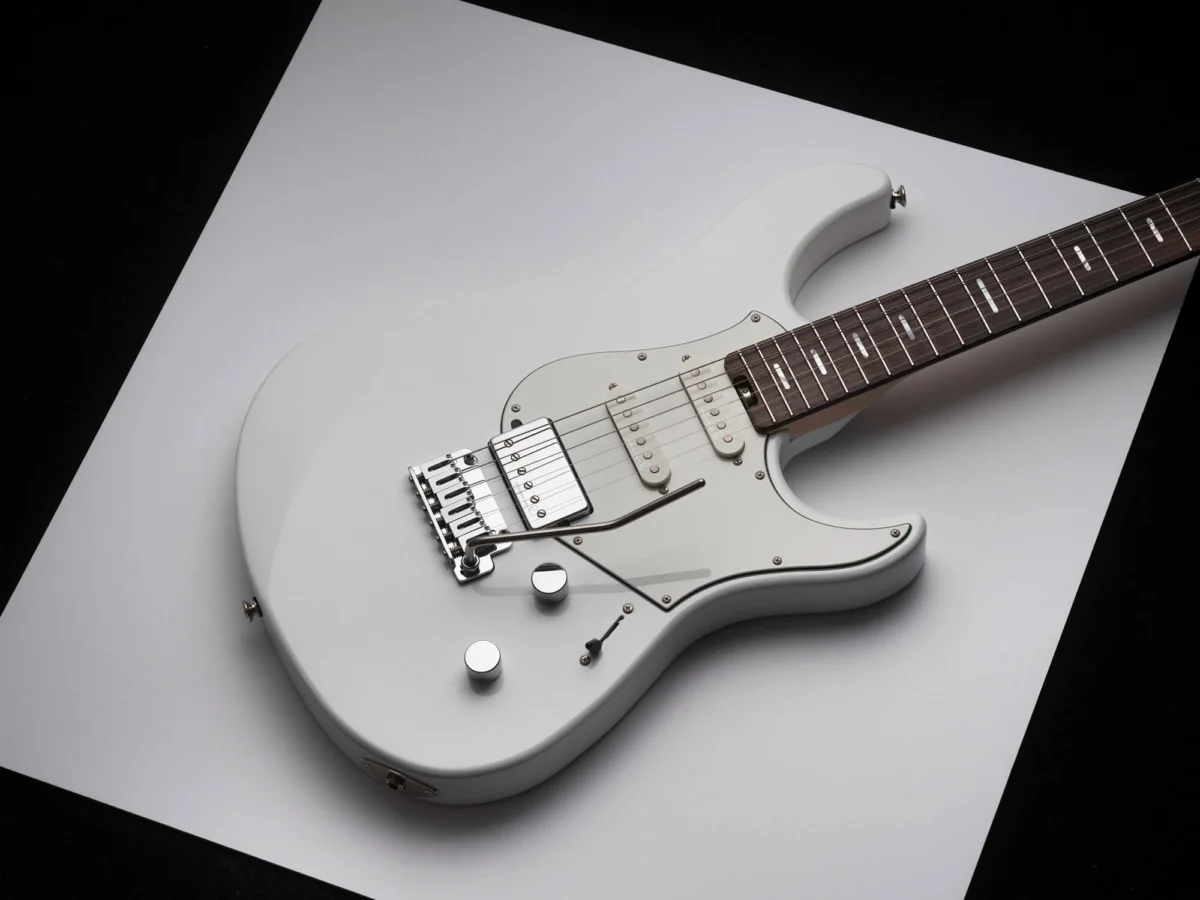
Yamaha, a global titan in musical instrument manufacturing, has officially confirmed its receipt of a cease-and-desist letter from Fender Musical Instruments Corporation, joining a growing list of companies targeted in Fender’s aggressive campaign to protect the iconic Stratocaster body shape. This development escalates an already contentious intellectual property dispute that has sent ripples of concern and defiance across the international guitar community, particularly within the European Union market. The confirmation places Yamaha alongside other notable recipients such as PRS Guitars, LSL Instruments, and Thomann, the European retail giant whose house brand, Harley Benton, also received a letter. While many other brands are suspected to have received similar notices, a significant number have yet to publicly acknowledge them, underscoring the sensitive and legally fraught nature of this unfolding situation.
The Genesis of the Dispute: A German Court Ruling and Its Aftermath
The current wave of cease-and-desist letters stems from a crucial default judgment secured by Fender in a German court in March. This legal victory, often referred to as "the stone that started the avalanche," saw Fender successfully argue that the Stratocaster body design qualifies as an "applied work of art" under German copyright law. The defendant in that case was Yiwu Philharmonic Musical Instruments, a Chinese manufacturer that failed to appear in court to contest Fender’s claims. Consequently, the court ruled in Fender’s favor, establishing a precedent that Fender is now leveraging to assert its perceived rights over the S-style guitar design throughout the EU.
Fender’s strategy centers on copyright infringement rather than trademark infringement, a distinction that carries significant legal weight. Trademarks protect brand identifiers like logos and specific product names, while copyright protects original artistic and literary works. By successfully classifying the Stratocaster body as an "applied work of art," Fender aims to secure broader and potentially more enduring protection against replication of the shape itself, irrespective of branding. This legal maneuver has surprised many in the industry, as guitar body shapes have historically been a complex area for intellectual property protection, often relying on design patents or trade dress (a form of trademark that protects the overall visual appearance of a product). The German court’s acceptance of the "applied work of art" argument provides Fender with a potent new weapon in its intellectual property arsenal.
Yamaha’s Deliberation: A Strategic Crossroads
Yamaha’s statement to Reuters confirmed the receipt of the letter but remained tight-lipped on specifics, including which particular models were cited as infringing. The company indicated it was "weighing how to respond," a cautious but telling remark from a company of Yamaha’s stature. While Yamaha’s extensive catalog includes a vast array of instruments, its popular Pacifica series, known for its versatility and S-style aesthetics, is widely speculated to be among the targeted models. The Pacifica series, particularly models like the Pacifica 112V and its variants, are flagship offerings for Yamaha, enjoying considerable market success and critical acclaim, especially within the European market.
For Yamaha, a multinational corporation with a market capitalization significantly larger than Fender’s, the decision of how to respond carries immense strategic importance. Acquiescing to Fender’s demand could set a precedent for future intellectual property disputes and potentially impact sales of a key product line. Conversely, challenging Fender could lead to a protracted and costly legal battle, though Yamaha possesses the financial and legal resources to mount such a defense. The company’s measured response suggests a thorough internal review of legal options, market implications, and potential long-term consequences for its product development and brand image.
Fender’s Position: Stewardship and Protection
Fender, for its part, has articulated its position as a "steward of the brand" and its legacy. In a statement to Reuters, the company asserted, "protecting these iconic designs is part of Fender’s obligation as a steward of the brand, its legacy, and the authenticity musicians associate with Fender instruments. We remain open to engaging constructively with partners and companies across the industry." This statement attempts to frame Fender’s actions not as an aggressive expansion of market dominance but as a defensive measure to safeguard intellectual property integral to its identity and heritage.
However, this narrative has met with widespread skepticism and outright condemnation from many within the guitar community. The Stratocaster, introduced in 1954, has inspired countless variations and homages over decades, becoming an archetypal electric guitar design. Many argue that its ubiquity and influence have transcended proprietary ownership, entering the public consciousness as a fundamental guitar shape. The perceived sudden and aggressive enforcement of rights over a design that has been widely emulated for generations has fueled accusations of corporate overreach and an attempt to stifle competition and innovation, particularly against smaller builders who rely on classic designs to offer affordable alternatives.

Industry Backlash and Thomann’s Counter-Offensive
The immediate aftermath of Fender’s cease-and-desist campaign was marked by significant backlash. Online forums, social media platforms, and guitar publications buzzed with criticism, with many musicians and industry observers expressing dismay at Fender’s perceived heavy-handed approach. Fender CEO Bud Cole attempted to quell the controversy by stating that the company was "not suing anybody" in a meeting with dealers. However, this assertion largely failed to appease critics, who pointed out that cease-and-desist letters inherently carry legal threats and imply potential litigation if demands are not met.
The most significant challenge to Fender’s campaign came from Thomann, Europe’s largest online music retailer. Thomann revealed its intention to sue Fender over the cease-and-desist letters it received concerning its Harley Benton S-style guitars. Thomann’s rationale is particularly noteworthy: the company declared it was fighting the legal battle not only for its own interests but also on behalf of the numerous smaller manufacturers and boutique builders who lack the financial and legal means to challenge a company of Fender’s magnitude. Thomann’s objective is to force a more comprehensive legal review of the Stratocaster body’s copyright status, preventing it from being established through a series of default judgments against smaller, less resourced entities. This counter-suit introduces a critical element to the dispute, moving it from a series of unilateral demands by Fender to a contested legal arena where the underlying merits of Fender’s copyright claims will be subjected to rigorous examination.
The Legal Nuances: Copyright, Trademark, and Design Patents in the Guitar World
To fully understand the complexity of this situation, it is crucial to differentiate between the various forms of intellectual property protection relevant to guitar designs.
- Trademark: Protects brand names, logos, and sometimes distinctive product shapes (trade dress) if they acquire secondary meaning, meaning consumers associate the shape directly with a specific brand. Fender already holds trademarks on its headstock shapes and logos. While the Stratocaster body shape might arguably have acquired trade dress status in some jurisdictions, enforcing it can be challenging, especially against non-identical copies.
- Design Patent: Protects the ornamental design of a functional item. Design patents are typically granted for a limited period (e.g., 14-15 years in the US, up to 25 years in the EU for registered community designs). Given the Stratocaster’s age, any original design patents would have long expired.
- Copyright: Protects original works of authorship, including literary, dramatic, musical, and certain artistic works. Traditionally, the functionality of an item often precluded copyright protection for its overall shape. However, the German court’s ruling that the Stratocaster body is an "applied work of art" opens a new avenue for Fender. This classification implies that the aesthetic elements of the Stratocaster body are separable from its functional aspects and possess sufficient artistic originality to warrant copyright protection. Copyright protection, where applicable, can last for much longer periods, often for the life of the author plus 70 years, or 95 years for corporate works.
Fender’s decision to pursue copyright protection via the "applied work of art" argument is a sophisticated legal strategy. If successful on a broader scale, it could grant Fender enduring control over the fundamental visual identity of the Stratocaster, potentially limiting the design freedom of countless manufacturers. This shift from relying on trade dress (which requires proving consumer association) or expired design patents to leveraging copyright could fundamentally alter the landscape of guitar design and manufacturing.
Broader Implications for the Guitar Industry
The outcome of this legal battle, particularly Thomann’s counter-suit and Yamaha’s eventual response, will have profound implications across the entire musical instrument industry:
- For Manufacturers: Smaller builders, who often rely on classic, universally recognized designs (like S-style and T-style guitars) as a basis for their unique offerings, face significant uncertainty. The cost of legal defense could be prohibitive, potentially forcing them to cease production of certain models or exit the market entirely. Larger manufacturers like Yamaha, while better equipped, must weigh the commercial impact against the costs and risks of litigation.
- For Retailers: Retailers, especially those in the EU, could face increased scrutiny over the guitars they stock. If Fender’s copyright claims are upheld more broadly, retailers might be liable for selling infringing products, leading to a reduction in available S-style alternatives.
- For Innovation and Design: A strict enforcement of copyright on such fundamental shapes could stifle creativity and innovation. While protecting unique designs is important, an overly broad interpretation might limit the palette available to designers, pushing them towards less familiar or less ergonomically established forms.
- For Consumers: A reduction in competition could lead to higher prices for S-style guitars and a narrower selection of options. Enthusiasts of classic designs might find fewer affordable alternatives to Fender’s own products.
- The Precedent Effect: The most significant implication is the precedent this sets. If Fender successfully establishes strong copyright protection for the Stratocaster body shape in the EU, other major manufacturers might be emboldened to pursue similar claims for their own iconic designs (e.g., Gibson with the Les Paul or SG shapes). This could lead to a proliferation of intellectual property disputes, transforming a historically collaborative and imitative industry into a more litigious one.
The Road Ahead: Uncertainties and Potential Outcomes
As Yamaha weighs its options, the industry watches with bated breath. Yamaha could choose to:
- Acquiesce: Cease selling the targeted S-style Pacifica models (and potentially others) in the EU. This would be a significant commercial concession but would avoid costly litigation.
- Negotiate a Licensing Agreement: Enter into a commercial agreement with Fender to license the Stratocaster body shape. This would allow Yamaha to continue selling its models but would incur ongoing costs.
- Challenge Fender Legally: Join Thomann in its counter-suit or initiate its own legal action. This would signify a major escalation, pitting two industry giants against each other in a high-stakes legal battle that could redefine intellectual property rights for guitar designs. Given Yamaha’s size and resources, a legal challenge from them would carry immense weight and significantly alter the dynamics of the dispute.
The coming months will be crucial. Thomann’s lawsuit aims to bring Fender’s "applied work of art" argument to a more rigorous judicial test, moving beyond the default judgment that currently underpins Fender’s campaign. The outcome of that challenge, combined with Yamaha’s strategic decision, will undoubtedly shape the future of guitar design, manufacturing, and intellectual property enforcement for decades to come, defining the delicate balance between protecting legacy designs and fostering an environment of innovation and accessibility within the global musical instrument market.
