

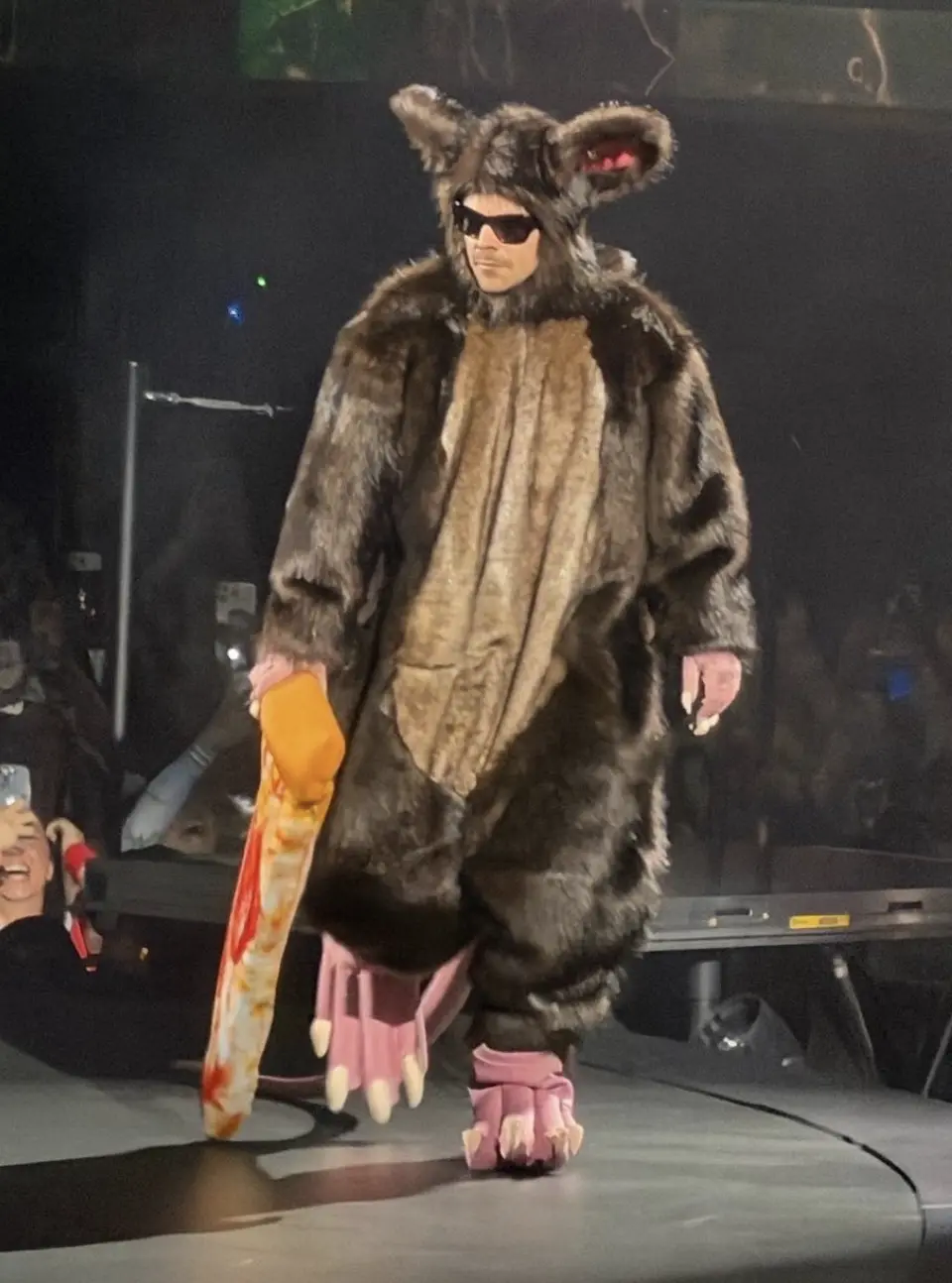
The iconic Madison Square Garden in New York City recently concluded a landmark 30-day residency by global superstar Harry Styles, culminating in a festive "Harryween" celebration over the final weekend of October 2026. This extended engagement, a significant expansion from his inaugural 15-day "Harryween" run in 2021, solidified Styles’ unique connection with the venue and its dedicated fanbase, offering a blend of musical performance, theatricality, and profound cultural moments. The series of concerts, part of his acclaimed "Love On Tour," not only showcased his evolving artistry but also contributed substantially to the city’s vibrant cultural landscape and economy, drawing tens of thousands of attendees from across the globe.
The Genesis and Evolution of "Harryween"
The concept of "Harryween" first emerged in 2021 during Harry Styles’ initial 15-day residency at Madison Square Garden. This inaugural event transformed the traditional concert experience into a multi-night Halloween celebration, with Styles himself donning elaborate costumes and encouraging his audience to participate in the festive spirit. The success of this initial venture laid the groundwork for its highly anticipated return in 2026, marking a significant escalation in scale and ambition. While long-term concert residencies have historically been associated with Las Vegas, artists like Styles are redefining the format, bringing extended engagements to major metropolitan areas and adapting them to a younger, globally diverse audience. This shift reflects a broader trend in the music industry, where live performances are increasingly becoming immersive, multi-sensory experiences designed to foster deeper connections between artists and their fans. The decision to expand to a 30-day residency at a venue as prestigious as Madison Square Garden underscored Styles’ immense drawing power and the enthusiastic demand for his live performances, transforming a mere concert series into a month-long cultural phenomenon for New York City.
A Chronology of Costumes and Covers: Harryween 2026 Weekend
The final weekend of Styles’ residency was a meticulously planned spectacle, merging musical performance with elaborate Halloween theatrics. Each night presented a distinct theme, showcasing Styles’ penchant for sartorial flair and his deep appreciation for musical history.
Friday Night’s Thematic Transformation: Elvis and the X Factor Echo
On Friday, October 30, Styles captivated the audience with a dual costume presentation, beginning with a homage to the "King of Rock and Roll," Elvis Presley, specifically referencing his 1970s Las Vegas era. This choice resonated deeply, drawing parallels between Presley’s iconic showmanship and Styles’ own burgeoning status as a global entertainer known for his charismatic stage presence. The vibrant jumpsuits and slicked-back hair of this period are instantly recognizable, and Styles’ interpretation was met with fervent enthusiasm.
The second costume of the evening offered a poignant callback to his origins: a recreation of his attire from his 2010 audition for the British reality television show The X Factor. This moment served as a powerful reminder of his journey from an aspiring young singer to a stadium-filling superstar. To amplify this nostalgic touch, Styles performed a cover of Stevie Wonder’s "Isn’t She Lovely," the very song he sang during that pivotal audition. "Isn’t She Lovely," released in 1976 as part of Wonder’s critically acclaimed album Songs in the Key of Life, is celebrated for its intricate composition and heartfelt lyrics, written to commemorate the birth of his daughter, Aisha Morris. Styles’ rendition not only demonstrated his vocal range but also offered fans a glimpse into the foundational moments of his career, reinforcing a narrative of perseverance and triumph that resonates deeply with his fanbase. The choice to revisit this specific song highlighted a journey from hopeful contestant to an artist who now commands one of the world’s most famous stages.
Amidst the musical performances and costume changes, Styles made a lighthearted observation about the price of caffeinated beverages in New York City. While presented in a casual manner, this comment briefly touched upon a common sentiment among New Yorkers regarding the city’s cost of living, subtly connecting the global pop star with a relatable, everyday urban experience, albeit from a unique vantage point. This brief interjection provided a moment of unexpected relatability in an otherwise fantastical evening.
Halloween Night Extravaganza: Pizza Rat and the NYC Iconography
The pinnacle of the "Harryween" celebration arrived on actual Halloween night, October 31, which also marked the final evening of his historic Madison Square Garden residency. Styles’ costume choice for this momentous occasion was a playful yet profoundly symbolic tribute to New York City: the infamous "Pizza Rat." This viral internet sensation, a rat famously filmed dragging a slice of pizza down a subway staircase, has evolved into a quirky, quintessential piece of New York City iconography, embodying the city’s grit, humor, and unique urban ecosystem. Styles initially appeared in a full-body rat costume, later shedding it to reveal an "I Am a Rat" T-shirt, maintaining the thematic continuity while allowing for greater freedom of movement during his performance.
Adding another layer of New York-centric humor and cultural alignment, Styles’ fiancée, Zoë Kravitz, was reportedly dressed as a bodega plastic bag. The bodega, a cornerstone of New York City’s street-level commerce and community, and its ubiquitous plastic bags, are instantly recognizable symbols of daily life in the metropolis. Kravitz’s costume, paired with Styles’ Pizza Rat, created a spiritually aligned duo that celebrated the city’s mundane yet iconic elements, resonating deeply with the New York audience. This thematic coherence underscored a genuine appreciation for the city’s unique character and folklore, transcending typical celebrity Halloween choices.
Musically, the final night also featured a significant debut: Styles performed a cover of Talking Heads’ "Psycho Killer." This iconic new wave track, released in 1977 from their debut album Talking Heads: 77, is known for its distinctive bassline, avant-garde lyrics, and frontman David Byrne’s unique delivery. The choice of "Psycho Killer" showcased Styles’ eclectic musical tastes and his willingness to experiment with genres outside his pop comfort zone. Earlier in the "Love On Tour" series, he had incorporated elements of another Talking Heads classic, "This Must Be the Place (Naive Melody)," into his performance of "Treat People With Kindness," demonstrating a consistent reverence for the influential band’s catalog. These covers are not mere reproductions but reinterpretations that allow Styles to infuse his own artistic sensibility while paying homage to musical legends, further solidifying his reputation as a thoughtful and versatile artist.
The Unveiling of a Legacy: Jalen Brunson and the 30-Day Banner
Perhaps the most significant non-musical event of the final night was the ceremonial recognition of Harry Styles’ unprecedented 30-day residency. Madison Square Garden, often dubbed "The World’s Most Famous Arena," has a storied tradition of honoring its most impactful performers and athletes by raising banners to its rafters. This distinction is reserved for those who achieve extraordinary feats within its hallowed walls. Styles’ 30-day residency stands as a remarkable accomplishment, a testament to his enduring popularity and his ability to consistently fill a venue of MSG’s magnitude over an extended period.
The honor of presenting Styles with his commemorative banner fell to Jalen Brunson, the star point guard for the New York Knicks, affectionately known as "The King of New York" by many fans. Brunson, a pivotal figure in the Knicks’ recent resurgence, represents the athletic elite of the city, and his presence bridged the worlds of sports and music in a uniquely New York fashion. In a playful nod to Styles, Brunson appeared in a costume mimicking the pop star’s casual, off-duty look: running gear, a baseball cap, and headphones – an ensemble Styles has been frequently spotted wearing during his walks across the Williamsburg Bridge. This gesture of mutual admiration and cultural cross-pollination delighted the audience, symbolizing the deep connection both figures share with the city and its residents. Brunson’s introduction, "My name is Jalen Brunson and welcome to Madison Square Garden," before presenting the banner, was met with thunderous applause, marking a truly historic moment in the venue’s illustrious history. The raising of the banner solidifies Styles’ place among the legends who have graced the Garden’s stage, an enduring symbol of his remarkable achievement.
The Business and Cultural Impact of Long-Term Residencies
Harry Styles’ 30-day residency at Madison Square Garden represents a significant evolution in the concert industry’s approach to live performance. Historically, residencies were predominantly associated with Las Vegas, offering a stable, long-term engagement for artists, particularly those with established fanbases. However, Styles, much like artists such as Bruce Springsteen and Billy Joel before him at MSG, has demonstrated that major metropolitan arenas can also sustain extended runs, drawing diverse audiences.
The economic impact of such a lengthy engagement on New York City is substantial. A 30-day residency by an artist of Styles’ caliber translates into significant tourism revenue. Fans traveled from across the United States and internationally to attend multiple shows, boosting local businesses ranging from hotels and restaurants to transportation services and retail. Estimates for a major concert series at MSG suggest millions of dollars in direct and indirect economic activity, covering ticket sales, merchandise, hospitality, and local spending. For example, a single sold-out Madison Square Garden show can generate upwards of $3-5 million in ticket revenue alone, not including ancillary spending. Over 30 nights, these figures multiply dramatically, underscoring the critical role of such events in the city’s post-pandemic economic recovery and ongoing vitality.
Culturally, the residency fostered a unique sense of community among fans. The recurring nature of the shows allowed for a deeper immersion into the "Love On Tour" experience, with many attendees seeing multiple performances. This created a dynamic environment where fan engagement, from elaborate costumes to coordinated singalongs, became an integral part of the show. "Harryween" itself became a highly anticipated sub-event, allowing fans to express their creativity and shared passion for both Halloween and Styles’ artistry. This model of extended engagement allows artists to cultivate a more intimate and sustained relationship with their audience, moving beyond the fleeting experience of a single-night stadium show.
Artistic Evolution and Performance Craftsmanship
Beyond the commercial success and cultural phenomenon, the 30-day residency provided a unique platform for Harry Styles’ artistic evolution. His performances during "Love On Tour" and particularly "Harryween" showcased a matured vocal performance and an increasingly sophisticated stage presence. Styles is known for his ability to command vast spaces with an infectious energy that feels both personal and expansive. The extended residency allowed for nuanced variations in his setlists, costume changes, and audience interactions, preventing monotony and keeping each night fresh for both the artist and the returning fans.
The curated mix of his chart-topping original hits, fan favorites, and iconic covers like "Isn’t She Lovely" and "Psycho Killer" highlighted his versatility and deep musical knowledge. These covers were not simply crowd-pleasers; they were artistic statements that demonstrated his reverence for musical history while seamlessly integrating these influences into his contemporary pop sound. The core message of "Treat People With Kindness," which has become a mantra for his global fanbase, permeated the residency, fostering an inclusive and joyous atmosphere. Styles’ ability to consistently deliver high-energy, emotionally resonant performances over such an extended period is a testament to his dedication to his craft and his commitment to providing an unparalleled live experience.
Looking Ahead: The Legacy of Harryween and Future Endeavors
The successful conclusion of Harry Styles’ 30-day Madison Square Garden residency and the "Harryween" celebration firmly cement his status as one of the most significant and innovative performers of his generation. The event has undoubtedly set a new benchmark for concert residencies in major urban centers, demonstrating the immense potential for artists to create sustained, immersive experiences that transcend the traditional tour model.
The legacy of "Harryween" is likely to influence future Halloween-themed concert events, both by Styles himself and by other artists seeking to engage their audiences in creative, festive ways. For Styles, this residency represents another milestone in a career marked by continuous growth and artistic exploration, from his boy band origins to his current reign as a multifaceted global icon in music, fashion, and film. The raising of his banner at Madison Square Garden is not just a recognition of past achievement but a powerful symbol of his enduring impact and future potential. As the music industry continues to evolve, the "Harryween" residency stands as a compelling case study in how artists can innovate to create deeper, more meaningful connections with their audiences, solidifying their place in cultural history and within the hearts of their devoted fans.
