

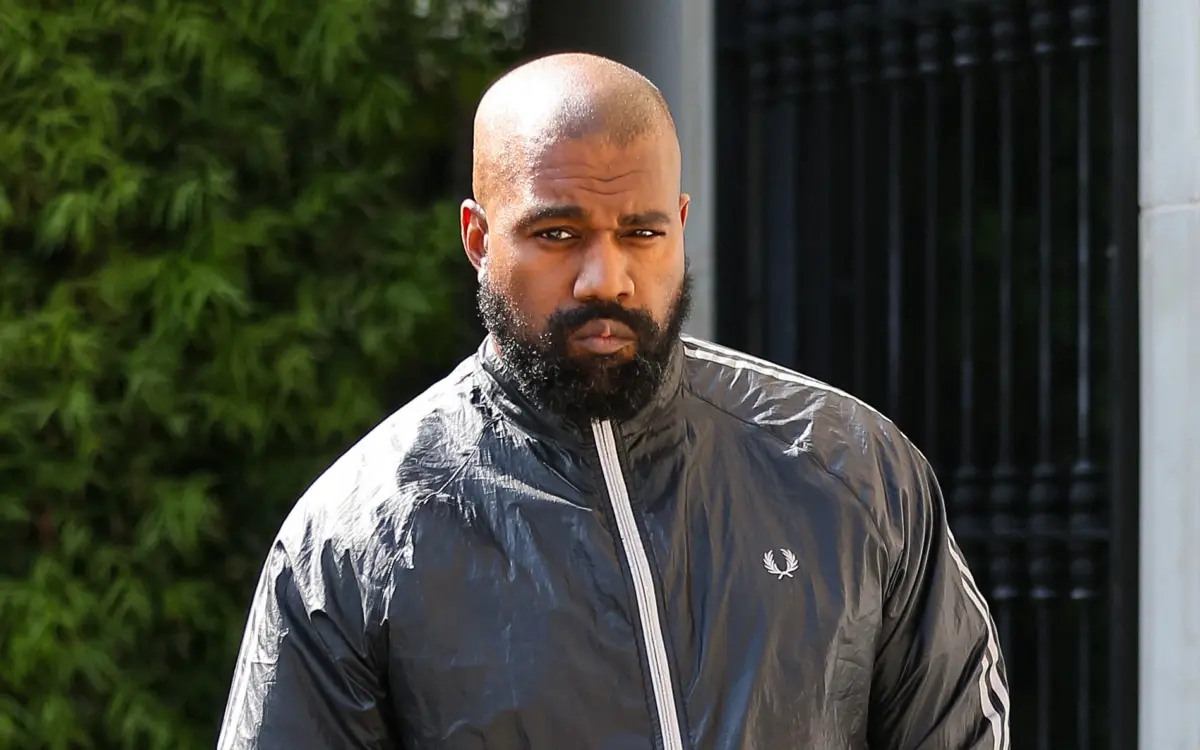
Wireless Festival has been canceled after its headliner, Kanye West, was denied entry into the UK. The London-based rap and R&B festival announced in a statement on Tuesday (April 7) that, "As a result of the Home Office banning YE from entering the United Kingdom, Wireless Festival has been forced to cancel. All ticket holders will receive an automatic full refund." This abrupt cancellation follows a tumultuous period of mounting pressure from major sponsors, campaign groups, and even high-profile political figures within the UK, all of whom voiced strong opposition to the festival’s decision to feature the controversial artist as its sole headliner. The controversy stems directly from West’s repeated antisemitic and pro-Nazi remarks made in recent years, which have ignited widespread condemnation and concern.
Escalating Backlash and Sponsor Exodus
The decision to ban West from the UK, a move made by the Home Office, appears to be the culmination of significant public and corporate pressure. In the days leading up to the festival’s cancellation, a number of prominent brands, including Pepsi, PayPal, and Diageo, publicly declared their withdrawal of sponsorship in protest of West’s booking. This exodus of financial backing signaled the severity of the reputational risk associated with associating with the artist.
The political climate surrounding the booking also intensified. Prime Minister Sir Keir Starmer, a prominent figure in UK politics, publicly addressed the situation, describing the festival’s decision as "deeply concerning." This sentiment was echoed by various community leaders and advocacy groups who highlighted the potential harm and offense caused by providing a platform to an individual with a history of hate speech.
The Home Office’s Decision: Grounds for Exclusion
According to reports from the BBC, Kanye West submitted an application for an Electronic Travel Authorisation (ETA) to travel to the UK on Monday, April 6. The Home Office, responsible for immigration and border control in the United Kingdom, subsequently rejected his application. The official grounds for the rejection were stated as the Home Office’s determination that West’s presence in the country would "not be conducive to the public good." This phrasing typically indicates that an individual’s entry could pose a threat to public order, security, or societal harmony.
The timing of the application and subsequent rejection is crucial, as it occurred just days before the festival was set to commence. This suggests that the Home Office’s decision was made with considerable urgency, likely in response to the escalating public outcry and the potential for widespread disruption and offense.
West’s Attempts at Reconciliation and Counter-Arguments
In the wake of the intensifying backlash, Kanye West himself issued a statement on Tuesday, attempting to address the controversy surrounding his planned Wireless Festival performances. In his statement, West asserted that his "only goal is to present a show of change" and that he aimed to "bring unity, peace and love through my music." He also extended an offer to meet with "members of the Jewish community in the UK in person, to listen."
This olive branch was met with a measured response from the Board of Deputies of British Jews. While acknowledging a willingness to engage in dialogue, the organization stipulated that any meeting would be contingent on West agreeing "not to play the Wireless Festival this year." This condition underscored the community’s priority: preventing the platforming of hateful rhetoric rather than solely engaging in post-performance dialogue.
Prior to the UK ban and the festival’s cancellation, Melvin Benn, the managing director of Festival Republic, the company behind Wireless Festival, had defended the decision to book West. In a statement, Benn acknowledged the abhorrent nature of West’s past remarks about Jews and Hitler. However, he argued that West’s music is widely available and played on commercial radio stations in the UK without significant public objection. Benn contended that West possessed a legal right to enter and perform in the country, and that the festival was not providing a platform for opinion but for musical performance. He further advocated for forgiveness and second chances, suggesting that "forgiveness and giving people a second chance are becoming a lost virtue in this ever-increasing divisive world."
Chronology of Events Leading to Cancellation
- Recent Past: Kanye West makes a series of antisemitic and pro-Nazi statements across various public platforms, sparking widespread condemnation.
- Early April (Specific Date Not Provided in Original Text, but implied to be prior to April 7): Wireless Festival announces Kanye West as its sole headliner for the upcoming event.
- Days Leading Up to April 7: Significant backlash erupts from the public, campaign groups, and political figures in the UK. Major sponsors, including Pepsi, PayPal, and Diageo, withdraw their support for the festival. Prime Minister Sir Keir Starmer expresses concern over the booking.
- Monday, April 6: Kanye West reportedly applies for an Electronic Travel Authorisation (ETA) to enter the UK.
- Tuesday, April 7 (Morning): Kanye West issues a statement addressing the controversy, promising a "show of change" and offering to meet with members of the Jewish community. The Board of Deputies of British Jews responds, agreeing to meet only if West cancels his Wireless performance.
- Tuesday, April 7 (Afternoon): The Home Office denies Kanye West entry into the UK, citing that his presence would not be conducive to the public good.
- Tuesday, April 7 (Evening): Wireless Festival officially announces its cancellation due to Kanye West’s inability to enter the UK, promising full refunds for ticket holders.
Broader Implications and Precedents
The cancellation of Wireless Festival due to the UK’s refusal to grant entry to its headliner is a significant development with far-reaching implications. It highlights a growing trend of increased scrutiny and accountability for public figures, particularly in the entertainment industry, regarding their public statements and the potential impact of their platforms. The decision by the Home Office signals a stronger stance against individuals whose speech is deemed to be harmful or detrimental to societal cohesion.
This event could set a precedent for future decisions regarding the entry of artists with controversial histories into the United Kingdom. It raises questions about the balance between freedom of expression and the responsibility to protect public sentiment from hate speech. The financial and reputational damage incurred by Wireless Festival serves as a stark warning to event organizers about the due diligence required when selecting headliners and the potential consequences of overlooking past transgressions.
Furthermore, the situation underscores the power of public opinion and organized advocacy in influencing corporate and governmental decisions. The collective action of sponsors, community groups, and political figures played a pivotal role in shaping the outcome.
Contrast with Domestic Reception
Interestingly, the backlash and subsequent ban in the UK stand in contrast to West’s recent reception on home soil. Earlier in the year, the Chicago-native artist performed two sold-out shows at Los Angeles’ SoFi Stadium in support of his album Bully. These performances were reportedly well-received, with special guests such as Lauryn Hill, Travis Scott, and Don Toliver joining him on stage. This disparity in reception suggests that while West’s artistic output continues to garner significant attention and commercial success, his public persona and past controversial statements are subject to different levels of scrutiny and tolerance across international borders. The UK’s stringent approach to immigration, particularly when public good is cited as a factor, has evidently led to a different outcome than what West experienced in the United States. The cancellation of Wireless Festival is a direct consequence of this divergence in regulatory and societal attitudes.
