

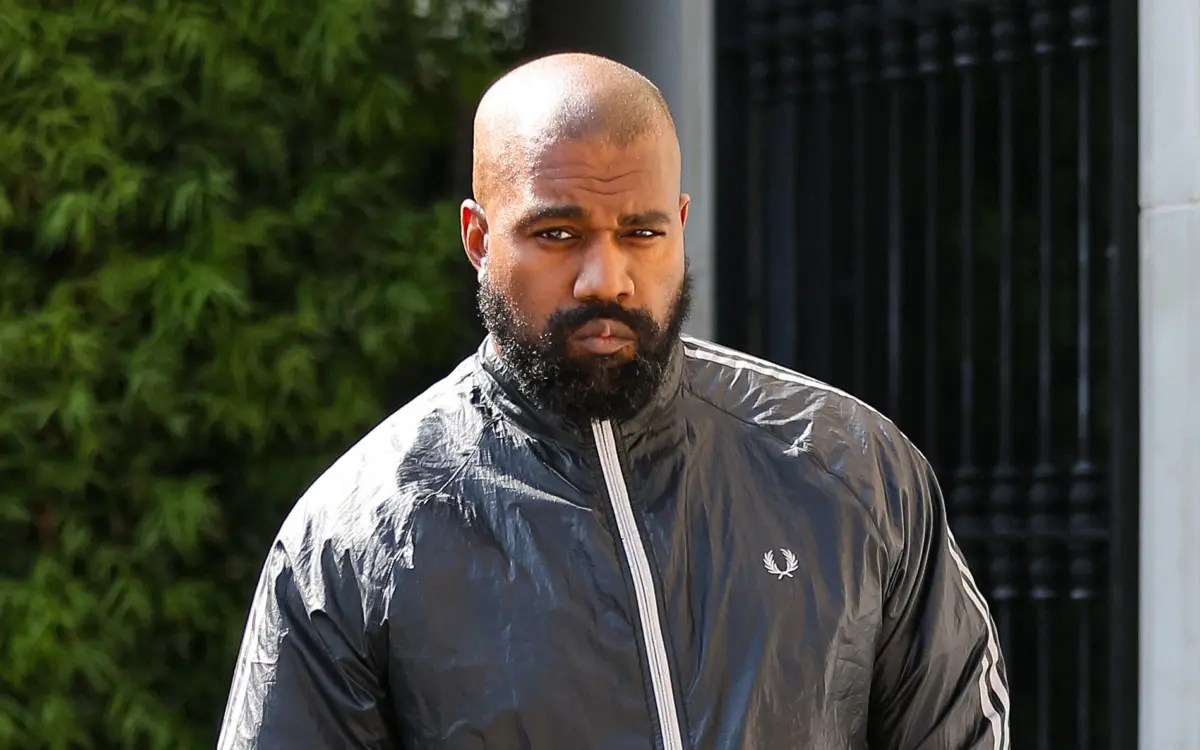
Wireless Festival has been canceled after its headliner, Kanye West, was denied entry into the UK. The London-based rap and R&B festival announced in a statement on Tuesday (April 7): “As a result of the Home Office banning YE from entering the United Kingdom, Wireless Festival has been forced to cancel. All ticket holders will receive an automatic full refund.” This abrupt cancellation marks a significant disruption for the highly anticipated event and raises critical questions about the intersection of artistic expression, public discourse, and national policy.
The decision by the UK Home Office to bar West, also known as Ye, from entering the country follows a period of intense scrutiny and mounting pressure from various stakeholders. The controversy stems from a series of deeply offensive and widely condemned remarks made by the artist in recent years, including antisemitic slurs and expressions of admiration for Adolf Hitler. These statements have ignited widespread outrage and prompted calls for accountability from human rights organizations, community leaders, and commercial entities.
Escalating Controversy and Sponsor Withdrawal
The booking of Kanye West as the sole headliner for Wireless Festival, a prominent fixture in the UK’s urban music calendar, had already generated significant debate. However, the tide of public opinion and corporate sentiment turned sharply following the resurfacing and amplification of his most inflammatory comments. In the days leading up to the festival’s scheduled start, several major sponsors announced their withdrawal from the event in protest of Ye’s inclusion.
Prominent brands such as Pepsi, PayPal, and Diageo, all of whom had previously associated themselves with Wireless Festival, declared their intentions to disassociate from the event. This exodus of financial backing underscored the severity of the backlash and the perceived reputational risk associated with associating with an artist whose public statements have been deemed unacceptable by a broad segment of society. The financial implications of these withdrawals were substantial, creating a precarious situation for the festival organizers.
Political Pressure and Home Office Intervention
The controversy also reached the highest echelons of British politics. Prime Minister Sir Keir Starmer publicly voiced his concerns, describing the decision to book Ye as "deeply concerning." This political condemnation signaled that the issue had transcended the realm of cultural commentary and entered the domain of national policy and public interest.
The UK Home Office, responsible for immigration and border control, ultimately intervened. According to reports from the BBC, Kanye West submitted an application for an Electronic Travel Authorisation (ETA) on Monday, April 6, seeking permission to enter the United Kingdom. The Home Office, in a decisive move, rejected this application. The official grounds for the refusal were stated as the belief that the artist’s presence in the country would "not be conducive to the public good." This phrase is often used in immigration cases to deny entry to individuals deemed a risk to national security, public order, or public health, or whose presence could otherwise be harmful to the interests of the UK.
Artist’s Response and Community Engagement Efforts
In the midst of the escalating crisis, Kanye West issued a statement attempting to address the widespread criticism and the potential consequences for his planned performance. He asserted that his "only goal is to present a show of change" and that he aimed to "bring unity, peace and love through my music." This statement, released earlier on Tuesday, appeared to be an effort to mitigate the damage and salvage his participation in the festival.
Furthermore, West extended an offer to meet with "members of the Jewish community in the UK in person, to listen." This overture was a direct response to the specific nature of his most damaging comments. The Board of Deputies of British Jews, a prominent representative body for the Jewish community in the UK, responded to his statement. While acknowledging the potential for dialogue, their statement indicated a willingness to meet with Kanye West as part of his "journey of healing," but stipulated that such a meeting would only occur "after he agrees not to play the Wireless Festival this year." This conditional acceptance highlighted the community’s demand for concrete actions and a demonstration of remorse rather than mere pronouncements.
Festival Organizers’ Initial Defense and Shifting Stance
Prior to the UK ban and the festival’s ultimate cancellation, Melvin Benn, the managing director of Festival Republic, the company behind Wireless Festival, had initially defended the decision to book Kanye West. In a statement, Benn acknowledged the abhorrent nature of Ye’s past remarks regarding Jews and Hitler. However, he argued that the artist’s music was widely accessible and enjoyed in the UK through commercial radio, streaming, and downloads, without widespread public condemnation.
Benn contended that Ye had a legal right to enter the country and perform. He emphasized that the festival’s intention was not to provide a platform for the artist to "extol opinion of whatever nature," but rather to allow him to perform his music, which he described as songs "currently played on the radio stations in our country and the streaming platforms in our country and listened to and enjoyed by millions."
In his earlier defense, Benn also touched upon themes of forgiveness and second chances, stating, "Forgiveness and giving people a second chance are becoming a lost virtue in this ever-increasing divisive world and I would ask people to reflect on their instant comments of disgust at the likelihood of him performing (as was mine) and offer some forgiveness and hope to him as I have decided to do." This perspective suggested a belief in redemption and the possibility of positive engagement through artistic platforms. However, the subsequent Home Office ban rendered these arguments moot and forced a complete reevaluation of the festival’s programming.
Timeline of Events
The rapid escalation of this situation can be traced through a discernible timeline:
- Weeks/Months Prior: Kanye West makes a series of highly controversial and offensive public statements, including antisemitic remarks and pro-Nazi sentiments.
- Early April: Wireless Festival announces Kanye West as its sole headliner for the upcoming event.
- Days Leading Up to April 7: Public outcry intensifies. Major sponsors, including Pepsi, PayPal, and Diageo, withdraw their support for the festival. Political figures, including Prime Minister Sir Keir Starmer, express strong disapproval.
- Monday, April 6: Kanye West reportedly applies for an Electronic Travel Authorisation (ETA) to enter the UK.
- Tuesday, April 7 (Morning): Kanye West issues a statement addressing the backlash, offering to meet with the Jewish community and vowing to present a "show of change."
- Tuesday, April 7 (Afternoon): The UK Home Office rejects Kanye West’s ETA application, citing that his presence would not be conducive to the public good.
- Tuesday, April 7 (Evening): Wireless Festival announces its cancellation, citing the Home Office ban on Kanye West as the direct cause. Full refunds for ticket holders are promised.
Broader Implications and Analysis
The cancellation of Wireless Festival due to the UK government’s ban on its headliner has significant implications beyond the immediate disappointment for ticket holders and the music industry.
Firstly, it highlights the increasing influence of public discourse and social responsibility on commercial enterprises. The swift withdrawal of major sponsors demonstrates a clear message that corporate partnerships are contingent upon adherence to ethical standards and societal expectations. Brands are increasingly sensitive to the reputational damage that can arise from association with controversial figures.
Secondly, the Home Office’s decision sets a precedent regarding the use of immigration policy to address perceived threats to public good, particularly in the context of hate speech. While the government has a right and responsibility to protect its citizens and maintain public order, the application of such powers in the realm of artistic expression is complex. It raises questions about the line between freedom of speech and the potential for incitement to hatred, and how these are weighed in policy decisions. The justification that West’s presence would not be "conducive to the public good" suggests a governmental assessment that his past statements pose a tangible risk to social cohesion or public safety in the UK.
Thirdly, the situation underscores the evolving role of social media in shaping public opinion and influencing corporate and governmental decisions. The rapid dissemination of West’s controversial remarks and the subsequent public outcry, amplified across various platforms, played a crucial role in the pressure campaign against his booking and, ultimately, his ban.
Finally, the incident prompts a broader discussion about accountability in the entertainment industry. While artists are often afforded significant creative freedom, the consequences of their public statements are increasingly being felt. The debate surrounding Kanye West’s booking and subsequent ban reflects a societal shift towards demanding greater accountability from public figures for the impact of their words and actions. The festival’s cancellation, while a loss for music fans, serves as a stark reminder that artistic expression does not exist in a vacuum and can have profound real-world consequences.
The Chicago native, known for his multifaceted career as a rapper, producer, and fashion designer, has a history of making provocative statements. However, the recent string of antisemitic and hateful remarks marked a significant escalation, drawing condemnation from a wide spectrum of society. His recent performances in the United States, including two sold-out shows at Los Angeles’ SoFi Stadium in support of his album Bully, had not faced similar levels of public opposition or governmental intervention. These US concerts featured notable guest appearances from artists such as Lauryn Hill, Travis Scott, and Don Toliver, indicating continued support within certain segments of the music industry. However, the UK’s stance has unequivocally signaled a different threshold for acceptable public discourse.
