

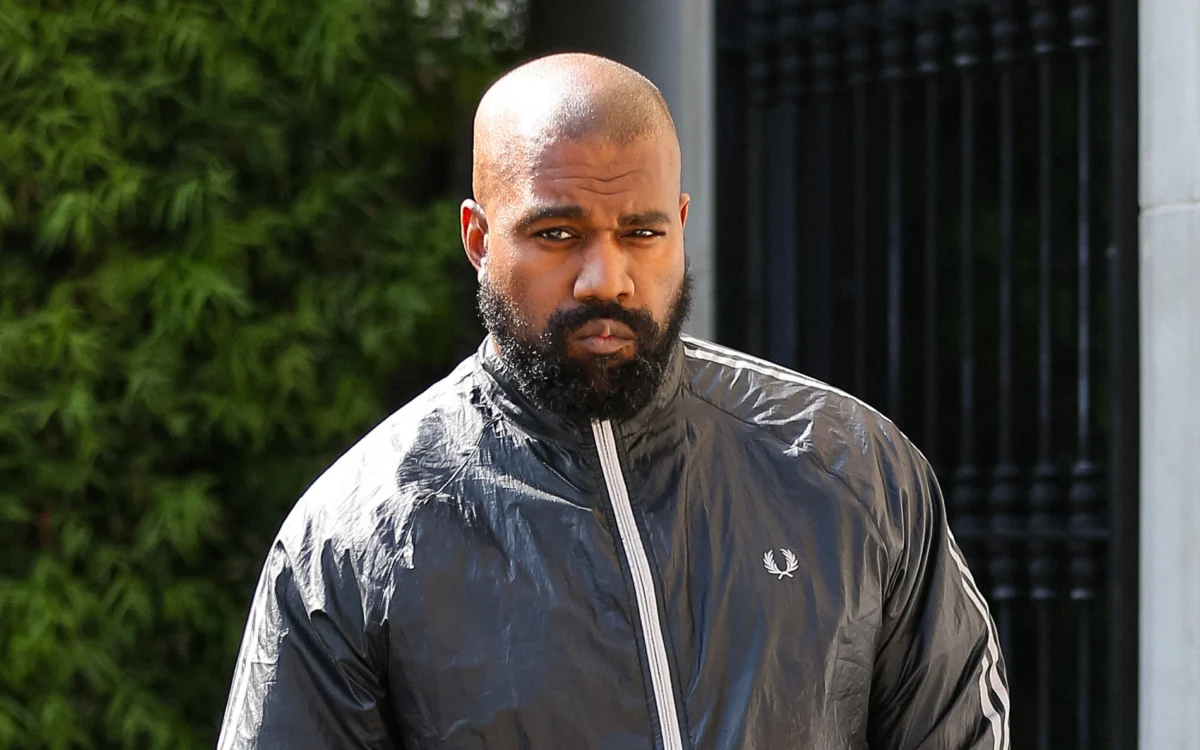
Wireless Festival has been canceled after its headliner, Kanye West, was denied entry into the UK. The London-based rap and R&B festival announced in a statement on Tuesday (April 7): “As a result of the Home Office banning YE from entering the United Kingdom, Wireless Festival has been forced to cancel. All ticket holders will receive an automatic full refund.” This abrupt cancellation follows a period of intense scrutiny and mounting pressure on festival organizers regarding the booking of the controversial artist, whose recent public statements have been widely condemned.
The decision to ban West from the UK marks a significant escalation in the fallout from his increasingly inflammatory remarks. The festival, a cornerstone of the UK’s urban music calendar, was scheduled to take place from July 10-12. The Home Office, the government department responsible for immigration, stated that West’s application to travel to the UK was rejected on the grounds that his presence would not be conducive to the public good. This determination is typically made based on an individual’s past conduct and potential impact on public order and safety.
A Growing Storm of Controversy
The controversy surrounding Kanye West’s planned headlining slot at Wireless Festival began to escalate in the weeks leading up to the announcement. West, who legally changed his name to Ye, has faced widespread criticism for a series of antisemitic and pro-Nazi comments made in public appearances and on social media platforms. These statements have alienated many fans, corporate partners, and public figures, leading to a significant backlash against the festival for including him in its lineup.
Major sponsors, including global brands such as Pepsi, PayPal, and Diageo, announced their withdrawal of support for Wireless Festival in protest of Ye’s booking. The departure of these significant financial backers placed considerable strain on the event’s viability. The economic impact of losing such prominent sponsors can be substantial, potentially affecting not only the festival’s operational costs but also its ability to attract future investment and talent. The cumulative effect of these withdrawals signaled a growing consensus that the risks associated with West’s participation had become untenable.
Official Condemnation and Public Pressure
The chorus of disapproval extended to political circles. Prime Minister Sir Keir Starmer publicly voiced his concerns, describing the decision to book West as "deeply concerning." This sentiment was echoed by various campaign groups and organizations dedicated to combating hate speech and promoting tolerance. The pressure mounted on Festival Republic, the company behind Wireless Festival, to reconsider its commitment to West as a headliner.
The BBC reported that West submitted an application for an Electronic Travel Authorisation (ETA) on Monday, April 6. This is a standard procedure for many international visitors seeking to enter the UK. However, the Home Office’s swift rejection of this application underscored the severity with which his recent public pronouncements were viewed by UK authorities. The grounds for refusal, "not conducive to the public good," indicate a formal assessment of his potential negative impact on society.
Ye’s Response and Community Engagement Efforts
In an attempt to mitigate the growing backlash, Kanye West issued a statement on Tuesday, April 7, addressing the controversy. He expressed a desire to use his performances as a platform for positive change, stating that his "only goal is to present a show of change" and "bring unity, peace and love through my music." He further offered to engage directly with members of the Jewish community in the UK, proposing in-person meetings to "listen."
This overture was met with a measured response from the Board of Deputies of British Jews. They indicated a willingness to meet with West, framing it as part of a potential "journey of healing," but stipulated that such a meeting would only occur "after he agrees not to play the Wireless Festival this year." This condition highlighted the community’s stance: while open to dialogue and reconciliation, their priority was to prevent the platforming of an artist whose words have caused significant harm.
Festival Republic’s Defense and Shifting Stance
Prior to the official cancellation and the UK ban, Melvin Benn, the managing director of Festival Republic, had publicly defended the decision to book West. Benn acknowledged the abhorrent nature of West’s past statements regarding Jewish people and Hitler. However, he argued that West’s music was widely available and consumed in the UK through commercial radio, streaming services, and digital downloads without widespread condemnation. He asserted that West possessed a legal right to enter and perform in the country.
Benn articulated a philosophy of providing a second chance, stating, "Forgiveness and giving people a second chance are becoming a lost virtue in this ever-increasing divisive world." He urged the public to reflect on their immediate reactions and consider offering "some forgiveness and hope." This defense, however, appears to have been overtaken by the gravity of the Home Office’s decision and the ongoing pressure from sponsors and the public. The festival’s eventual cancellation indicates a pragmatic shift, prioritizing event continuity and reputation over the defense of an artist whose continued inclusion posed an existential threat to the festival itself.
Broader Implications and Precedent
The ban on Kanye West and the subsequent cancellation of Wireless Festival have significant implications. It sets a precedent for how the UK government may handle individuals with a history of making hate speech, particularly when their presence could be deemed detrimental to public order or social cohesion. The decision reflects a broader societal trend towards greater accountability for public figures and a reduced tolerance for hate speech, even when presented under the guise of artistic expression.
The economic impact on the festival industry is also a consideration. While Wireless Festival has been forced to cancel, other major events may now face increased scrutiny when booking artists with controversial pasts. This could lead to more stringent vetting processes and a potential shift in how talent is selected, with a greater emphasis on reputational risk assessment. The festival’s cancellation also represents a financial loss for ticket holders, vendors, and the local economy that would have benefited from the influx of attendees.
A Timeline of Events
- Early April 2026 (specific date not provided in source): Kanye West applies for an Electronic Travel Authorisation (ETA) to enter the United Kingdom.
- Tuesday, April 7, 2026:
- The Home Office denies Kanye West entry into the UK, citing that his presence would not be conducive to the public good.
- Wireless Festival announces its cancellation due to the UK ban on its headliner.
- All ticket holders are informed they will receive automatic full refunds.
- Kanye West issues a statement addressing the controversy and offering to meet with members of the Jewish community.
- The Board of Deputies of British Jews responds, stating willingness to meet only if West agrees not to play Wireless Festival.
- Previously, major sponsors like Pepsi, PayPal, and Diageo had withdrawn their support.
- Prime Minister Sir Keir Starmer had publicly voiced concerns about West’s booking.
West’s Recent Activities in the United States
In stark contrast to the situation in the UK, Kanye West has recently enjoyed a relatively smooth reception for his performances in the United States. He headlined two sold-out shows at Los Angeles’ SoFi Stadium in support of his album Bully. These concerts featured a number of high-profile guest artists, including Lauryn Hill, Travis Scott, and Don Toliver, indicating continued support from within the music industry in his home country. The lack of similar backlash on US soil highlights the varying cultural and regulatory landscapes regarding freedom of speech and the platforming of controversial figures.
The cancellation of Wireless Festival represents a significant disruption to the UK’s summer music calendar and a stark reminder of the consequences faced by artists and event organizers when controversial statements ignite public and governmental opposition. The incident underscores the complex interplay between artistic freedom, social responsibility, and the increasing power of public opinion in shaping the cultural landscape.
