

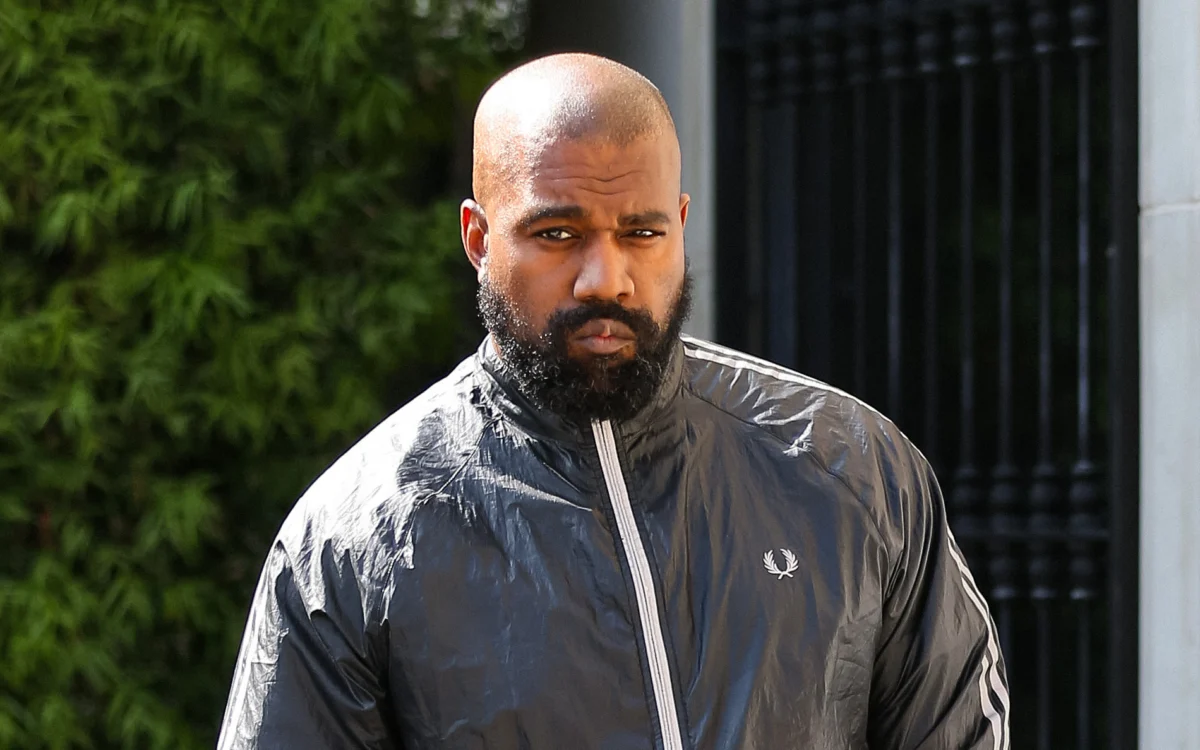
The cancellation of the prestigious Wireless Festival, a cornerstone of London’s urban music calendar, has sent shockwaves through the music industry and beyond. The decision, announced on Tuesday, April 7th, stems directly from the United Kingdom’s Home Office barring headliner Kanye West, now legally known as Ye, from entering the country. This unprecedented move by immigration authorities has not only deprived thousands of ticket holders of a highly anticipated performance but also ignited a fierce debate about artistic freedom, accountability for controversial speech, and the responsibilities of major festival organizers.
Wireless Festival, renowned for showcasing the crème de la crème of rap and R&B talent, was set to feature Ye as its sole headliner across all three nights from July 10th to July 12th. The festival organizers, in a stark statement, articulated the gravity of the situation: "As a result of the Home Office banning YE from entering the United Kingdom, Wireless Festival has been forced to cancel. All ticket holders will receive an automatic full refund." This definitive cancellation underscores the Home Office’s firm stance and its direct impact on a significant cultural event.
Mounting Pressure and the Home Office’s Decision
The Home Office’s decision did not occur in a vacuum. It followed a period of intense public scrutiny and mounting pressure from various stakeholders, including major corporate sponsors, influential campaign groups, and prominent political figures. Ye’s well-documented history of antisemitic and, at times, pro-Nazi remarks in recent years had drawn widespread condemnation, making his booking as the primary draw for a major festival increasingly untenable for many.
Brands that had previously aligned themselves with Wireless Festival, including consumer giants Pepsi, PayPal, and Diageo, progressively withdrew their sponsorship in protest. This exodus of financial backing signaled a significant shift in corporate tolerance for association with controversial figures. The political landscape also weighed in, with Prime Minister Sir Keir Starmer publicly describing the decision to book Ye as "deeply concerning." Such statements from national leaders amplify the ethical considerations surrounding the festival’s programming choices.
According to reports from the BBC, Ye submitted an application for an Electronic Travel Authorisation (ETA) to enter the UK on Monday, April 6th. The Home Office’s swift rejection of this application was based on the grounds that his presence in the country would not be "conducive to the public good." This legal phrasing typically refers to individuals whose presence could incite hatred, promote extremism, or otherwise undermine public safety and order. The rejection signifies that the UK government views Ye’s past pronouncements as a potential threat to social cohesion.
Ye’s Response and Community Engagement Efforts
In the wake of the escalating backlash, Ye himself issued a statement on Tuesday, attempting to address the controversy surrounding his planned Wireless Festival performances. He asserted that his "only goal is to present a show of change" and pledged to "bring unity, peace and love through my music." This statement appeared to be an attempt to reframe his artistic intent and to mitigate the negative perceptions surrounding his public persona.
Furthermore, Ye extended an olive branch, offering to meet with "members of the Jewish community in the UK in person, to listen." This proposition signaled a potential willingness to engage in dialogue and to understand the impact of his words. The Board of Deputies of British Jews responded to this overture, stating their willingness to meet with Ye. However, they stipulated a crucial condition: "We are willing to meet Kanye West as part of his journey of healing, but only after he agrees not to play the Wireless Festival this year." This response highlights the community’s desire for tangible commitment and a clear demonstration of remorse and change before engaging in dialogue.
Festival Republic’s Defense and Shifting Dynamics
Prior to the UK ban and the subsequent cancellation of Wireless Festival, Melvin Benn, the managing director of Festival Republic, the company responsible for organizing the event, had publicly defended the decision to book Ye. In a statement, Benn acknowledged the abhorrent nature of Ye’s past comments regarding Jews and Hitler. However, he argued that Ye’s music is widely accessible and consumed in the UK through commercial radio, streaming platforms, and downloads, often without significant public outcry.
Benn maintained that Ye possessed a legal right to enter the country and perform. He emphasized that the festival’s intention was not to provide a platform for the dissemination of hateful opinions but rather to allow him to perform his widely played songs. He stated, "We are not giving him a platform to extol opinion of whatever nature, only to perform the songs that are currently played on the radio stations in our country and the streaming platforms in our country and listened to and enjoyed by millions."
In a broader philosophical reflection, Benn also touched upon the prevailing societal climate. He remarked, "Forgiveness and giving people a second chance are becoming a lost virtue in this ever-increasing divisive world and I would ask people to reflect on their instant comments of disgust at the likelihood of him performing (as was mine) and offer some forgiveness and hope to him as I have decided to do." This perspective underscored a belief in redemption and the potential for individuals to evolve, even after significant missteps. However, the subsequent events have demonstrated that the public and governmental appetite for such second chances, particularly in the context of hate speech, has its limits.
Chronology of Events and Broader Implications
The unfolding of this situation can be traced through a series of key moments:
- Recent Past: Kanye West (Ye) makes a series of antisemitic and other controversial public statements.
- Preceding Weeks: Wireless Festival announces Ye as its sole headliner, sparking immediate backlash.
- Days Leading Up to Announcement: Major sponsors like Pepsi, PayPal, and Diageo withdraw their support for the festival. Political figures, including Prime Minister Sir Keir Starmer, express concern.
- Monday, April 6th: Ye applies for an Electronic Travel Authorisation (ETA) to enter the UK.
- Tuesday, April 7th (Morning): Ye issues a statement addressing the backlash and offering to meet with the Jewish community. The Board of Deputies of British Jews responds with conditions.
- Tuesday, April 7th (Announcement): The UK Home Office denies Ye entry into the UK. Wireless Festival announces its outright cancellation due to Ye’s ban.
The cancellation of Wireless Festival has significant implications beyond the immediate disappointment of ticket holders. It signals a potential recalibration of the relationship between artists, festival organizers, and governing bodies. The event serves as a stark reminder that in an era of heightened social awareness and scrutiny, artists with a history of controversial or hateful speech may face considerable hurdles in accessing international platforms.
Furthermore, the financial repercussions for Wireless Festival and its associated entities are substantial. The loss of headline talent, coupled with the obligation to refund all ticket sales, represents a considerable economic blow. The incident also raises questions about the due diligence undertaken by festival organizers when booking high-profile artists with a history of controversy, and the criteria by which such decisions are made.
The situation highlights the ongoing tension between artistic freedom and the responsibility to foster inclusive and safe environments. While the principle of allowing artists to express themselves is fundamental, the line between provocative art and harmful rhetoric remains a subject of intense debate. The Home Office’s intervention in this instance suggests that the UK government views certain forms of speech as crossing that line, with tangible consequences for both the individual artist and the events they are scheduled to headline.
Recent Performances and International Comparisons
Interestingly, Ye’s recent performances in his home country have not encountered similar levels of public or governmental resistance. He recently headlined two sold-out shows at the SoFi Stadium in Los Angeles in support of his album Bully. These concerts featured a roster of high-profile guest artists, including Lauryn Hill, Travis Scott, and Don Toliver, and were met with considerable fanfare. This contrast between his reception in the US and the UK underscores the specific legal and social frameworks that govern public discourse and immigration policies in different nations.
The UK’s approach, as exemplified by the Home Office’s decision, suggests a more stringent interpretation of what constitutes "conducive to the public good" when it comes to individuals entering the country. This stance could set a precedent for future bookings of artists with problematic public records.
In conclusion, the cancellation of Wireless Festival due to Kanye West’s UK ban is a complex event with far-reaching implications. It underscores the power of public opinion, the assertiveness of governmental immigration policies regarding hate speech, and the evolving landscape of accountability within the entertainment industry. As the dust settles, the incident will undoubtedly fuel ongoing discussions about the responsibilities of artists, the ethical considerations for event organizers, and the delicate balance between freedom of expression and the imperative to maintain a respectful and inclusive society.
