

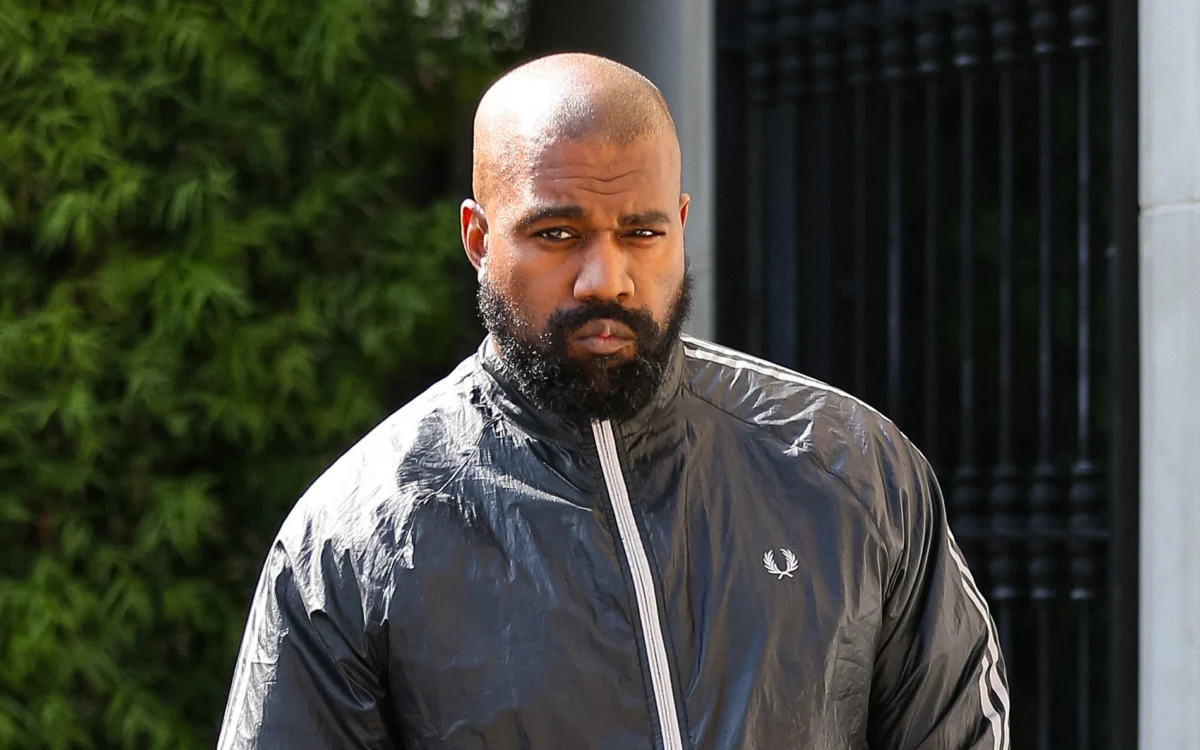
Wireless Festival has been canceled after its headliner, Kanye West, was denied entry into the UK. The London-based rap and R&B festival announced in a statement on Tuesday (April 7) that, "As a result of the Home Office banning YE from entering the United Kingdom, Wireless Festival has been forced to cancel. All ticket holders will receive an automatic full refund." This abrupt cancellation follows weeks of mounting pressure on festival organizers and sponsors due to West’s repeated controversial statements, including antisemitic remarks and expressions of support for Nazism. The decision by the Home Office marks a significant escalation in the consequences faced by the artist for his public pronouncements, directly impacting a major international music event.
The Home Office’s Decision and Its Immediate Fallout
The UK Home Office officially denied Kanye West entry into the country on Monday, April 6, following an application for an Electronic Travel Authorisation (ETA). According to reports citing the BBC, the application was rejected on the grounds that the artist’s presence would not be "conducive to the public good." This determination by the government underscores the severity with which West’s public statements have been perceived within the UK, leading to direct governmental action.
The immediate consequence of this ban was the swift cancellation of the Wireless Festival, scheduled to take place from July 10 to July 12. The festival, a prominent fixture in the UK’s summer music calendar, had positioned West as its sole headliner, a decision that had already ignited considerable controversy. The festival organizers’ statement confirmed the automatic full refunds for all ticket holders, aiming to mitigate the disruption for attendees.
A Cascade of Sponsor Withdrawals and Public Condemnation
The decision to ban West from the UK was preceded by a significant withdrawal of corporate sponsors from the Wireless Festival. Major brands, including Pepsi, PayPal, and Diageo, announced their disassociation from the event in the days leading up to the Home Office’s ruling. These companies cited West’s history of antisemitic and pro-Nazi comments as the primary reason for their withdrawal, signaling a strong stance against the artist’s association with their brands and the festival.
The controversy also drew commentary from prominent political figures. UK Prime Minister Sir Keir Starmer described the booking of West as "deeply concerning," reflecting a broader apprehension among political leadership regarding the festival’s decision and its potential implications. This public condemnation from high-profile individuals and corporations created an environment of intense scrutiny and pressure on the festival organizers.
Kanye West’s Statements and Attempts at Reconciliation
In the wake of the escalating backlash, Kanye West, who legally changed his name to Ye, issued a statement on Tuesday addressing the controversy surrounding his planned Wireless Festival performances. In his statement, West asserted that his "only goal is to present a show of change" and "bring unity, peace and love through my music." He further offered to engage directly with members of the Jewish community in the UK, proposing an in-person meeting to "listen."
This overture for dialogue was met with a measured response from the Board of Deputies of British Jews. They indicated a willingness to meet with West as part of a "journey of healing," but stipulated that such a meeting would only occur "after he agrees not to play the Wireless Festival this year." This conditional acceptance highlighted the community’s concern for genuine accountability and a commitment to change before any form of endorsement or reconciliation.
Festival Republic’s Initial Defense and Shifting Landscape
Prior to the Home Office’s ban and the festival’s subsequent cancellation, Melvin Benn, the managing director of Festival Republic, the company behind Wireless Festival, had publicly defended the decision to book West. Benn acknowledged the abhorrent nature of West’s past remarks regarding Jews and Hitler. However, he argued that West’s music is widely available and consumed in the UK through commercial radio, streaming, and downloads without widespread objection.
Benn contended that West had a legal right to enter the country and perform, emphasizing that the festival’s intention was to showcase his musical performances, not to provide a platform for him to express divisive opinions. He also appealed for a broader societal consideration of forgiveness and second chances, stating, "Forgiveness and giving people a second chance are becoming a lost virtue in this ever-increasing divisive world and I would ask people to reflect on their instant comments of disgust at the likelihood of him performing (as was mine) and offer some forgiveness and hope to him as I have decided to do." This perspective, however, ultimately proved insufficient to counter the weight of public and governmental opposition.
The Broader Context: A Pattern of Controversial Behavior
Kanye West’s booking at Wireless Festival and the subsequent fallout occurred within a broader pattern of controversial public statements and actions by the artist. Over the past several years, West has faced widespread criticism for making antisemitic remarks, expressing admiration for Adolf Hitler, and engaging in other behaviors that have been widely condemned as hateful and divisive. These incidents have led to significant professional repercussions, including the termination of lucrative endorsement deals, most notably with Adidas.
Despite these domestic and international controversies, West has continued to maintain a significant presence in the music industry. His recent album, "Bully," has seen commercial success, and he recently performed two sold-out shows at Los Angeles’ SoFi Stadium. These performances featured a number of high-profile guest artists, including Lauryn Hill, Travis Scott, and Don Toliver, indicating a continued ability to attract major talent and large audiences within the United States. However, the UK’s firm stance demonstrates a divergence in how his public behavior is being addressed internationally.
Implications for Future Events and Artist Conduct
The cancellation of Wireless Festival due to the UK’s ban on Kanye West carries significant implications for the music industry and the broader discourse surrounding artistic freedom and accountability. It signals a stronger willingness by governmental bodies to intervene in cultural events when an artist’s public conduct is deemed to be harmful to public good. This decision could set a precedent for future bookings and raise questions about the due diligence required by festival organizers when selecting headliners with a history of controversial statements.
Furthermore, the event highlights the increasing power of social media and public opinion in shaping the landscape of the entertainment industry. The rapid mobilization of sponsors and the vocal condemnation from various groups demonstrate how swiftly public sentiment can translate into tangible consequences for artists and the events they are associated with. The situation also underscores the ongoing challenge of balancing artistic expression with the responsibility to foster an inclusive and respectful public sphere. The Home Office’s decisive action in this instance suggests that, in certain circumstances, the potential for harm may outweigh considerations of artistic freedom, particularly when it involves hate speech and incitement.
