

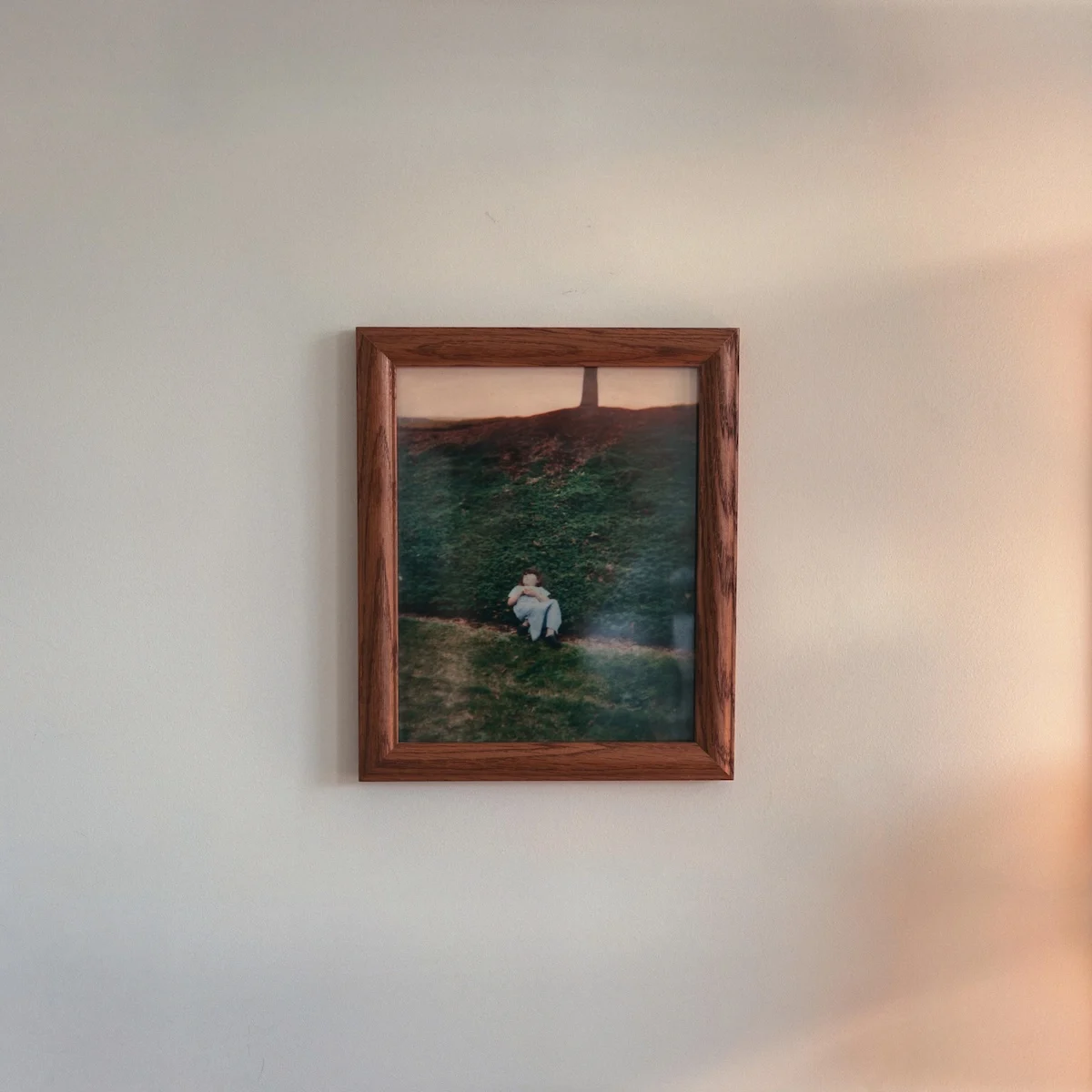
Richmond, VA – Esteemed singer-songwriter Lucy Dacus has announced a significant milestone in her career, celebrating the 10th anniversary of her debut album, No Burden. The celebration includes the forthcoming reissue of the critically acclaimed record and the sharing of a previously unreleased, fan-favorite track titled "No Thank You, I Love You, Goodbye." This announcement, made on a pivotal day for Dacus, marks not only a retrospective look at her artistic beginnings but also a powerful statement on artist ownership and control, as she revealed she has officially regained the masters to her inaugural work.
The Genesis of No Burden: A Humble Beginning
No Burden originally saw its release in February 2016, quickly establishing Dacus as a formidable new voice in the indie rock landscape. However, the true genesis of the album dates back further, to the period surrounding 2014 when the songs were first conceived and recorded. Dacus, in a candid statement shared via Instagram, provided an intimate glimpse into the album’s origins, revealing a creative process born out of necessity and a nascent understanding of her own artistic identity.
"I wrote these songs when I would not have called myself a musician, while I was working other jobs," Dacus recounted, painting a vivid picture of her life in Richmond, Virginia. Her days were filled with a series of disparate odd jobs – box office attendant, yearbook photo editor, and even a "terrible waitress" – all undertaken to cover her modest $195 monthly contribution to a shared room. It was amidst this daily grind, during shifts and on her walk home, that the melodies and lyrics for No Burden began to coalesce. She meticulously jotted down lyrical fragments on sticky notes and napkins, humming tunes to herself before diligently translating them into guitar parts each night before sleep. This period, she admits, is now "very easy to romanticize," acknowledging the stark contrast between her then-unseen aspirations and her current status as a widely recognized artist.
The recording of No Burden itself was characterized by a raw immediacy, a reflection of both limited resources and an instinctive approach to music-making. Dacus highlighted the rapid-fire production schedule: "We only had one day to record, and if we had more time, I might’ve found my footing, for better or possibly worse." She further elaborated that the majority of the album was captured live, often in a single take, before moving on to the next track. A mere "couple hours the next day" were allotted for minor overdubs and the recording of "Trust." This spontaneous, unvarnished method, while now seemingly impossible for an artist of her stature, produced an authentic document of a musician in the very act of discovering her voice.
Dacus reflected on listening to the album recently for the first time in years, confessing she "blushed." She described a voice she hadn’t yet "found," one that sounded distinctly "southern" and unfamiliar through a microphone. This self-assessment underscores the profound evolution artists undergo, often leaving early works as poignant markers of their formative years. The album, in her words, became "a document of working it out," a testament to the unrefined brilliance that can emerge from constrained circumstances and uninhibited creativity.
The Significance of Master Ownership: A Battle for Artistic Autonomy
The timing of this anniversary celebration is particularly significant, coinciding with Dacus’s reclamation of her master recordings. "So it means the world to me that, today, I get my masters back. No Burden is mine," she declared, her words resonating with a profound sense of empowerment. This statement taps into a broader, ongoing discourse within the music industry concerning artist rights and the control of their creative output.
Master recordings, or "masters," are the original sound recordings from which all copies are made. They represent the definitive version of a song and are distinct from the musical composition (the melody and lyrics), which is typically owned by the songwriter. Ownership of the masters grants significant control over how music is used, distributed, and monetized. This includes licensing for film, television, commercials, and digital platforms, as well as the terms of physical and digital distribution. Historically, record labels often retained ownership of masters, a practice that has been a point of contention for many artists who feel they lose financial and creative control over their own work.
The movement for artists to own their masters has gained considerable momentum in recent years. High-profile cases, such as Taylor Swift’s decision to re-record her entire back catalog to regain control over her music, have brought this issue into mainstream consciousness. For independent artists like Dacus, reclaiming masters often signifies a crucial step towards complete artistic and financial autonomy. It allows them to dictate the terms of their music’s legacy, ensuring that future revenues directly benefit them and that their artistic vision remains uncompromised by external commercial pressures. Dacus’s triumphant declaration, "This day always seemed so far in the future, but here we are," encapsulates the long-term struggle and ultimate victory many artists strive for. The reissue of No Burden with new artwork, under her full ownership, is a powerful assertion of this independence.
A Decade of Artistic Evolution: From No Burden to Boygenius
The 10-year span since No Burden‘s inception has witnessed Lucy Dacus transform from a budding independent artist into a celebrated figure in contemporary music. No Burden, with its intimate lyricism and raw, guitar-driven sound, laid the groundwork for a career marked by introspection, emotional honesty, and a keen observational eye.
Following No Burden, Dacus signed with Matador Records and released her sophomore album, Historian, in 2018. This album garnered widespread critical acclaim, solidifying her reputation as a powerful songwriter capable of crafting deeply moving and intellectually engaging narratives. Tracks like "Night Shift" became instant fan favorites, showcasing her evolving vocal prowess and more intricate arrangements.
Her third solo album, Home Video, released in 2021, delved even deeper into themes of memory, identity, and personal history, earning her further accolades and a broader audience. The album explored her upbringing in Richmond, her relationship with faith, and the complexities of human connection, all delivered with her characteristic blend of vulnerability and sharp wit.
Beyond her solo work, Dacus has achieved significant success as one-third of the supergroup boygenius, alongside Phoebe Bridgers and Julien Baker. Formed in 2018, boygenius released an eponymous EP that year, quickly captivating audiences with their collaborative songwriting and harmonious vocals. Their full-length debut, the record, released in 2023, was a major cultural event, earning widespread critical praise, commercial success, and multiple Grammy nominations, including Album of the Year, ultimately winning Best Rock Album. This collaboration showcased Dacus’s versatility and her ability to thrive within a collective artistic vision, further expanding her reach and influence.
Looking back at No Burden from the vantage point of her current success, Dacus’s reflection on her "unfound voice" becomes particularly poignant. Her subsequent albums demonstrate a clear progression in vocal control, lyrical sophistication, and instrumental arrangement, illustrating a natural artistic maturation that began with the earnest efforts documented on her debut. The raw energy of No Burden serves as a powerful contrast to the refined artistry that has come to define her later work, yet both are imbued with an undeniable authenticity.
"No Thank You, I Love You, Goodbye": A Rediscovered Gem
As part of the anniversary reissue, Dacus has shared "No Thank You, I Love You, Goodbye," a track written concurrently with the songs on No Burden but previously left unreleased. The inclusion of this song offers fans a deeper dive into the creative wellspring of her early career, providing another piece of the puzzle that formed her debut. Its release as an official lyric video allows for immediate engagement with its lyrical content, which undoubtedly carries the same introspective and heartfelt qualities that define the rest of No Burden. This addition is a gift to both long-time listeners and new fans, offering a fresh perspective on a formative period in her musical journey.
Community and Collaboration: The Bumbershoot Performance
Adding to the recent flurry of activity, Lucy Dacus made a notable appearance at the Bumbershoot Festival over the weekend. Stepping in for Japanese Breakfast (Michelle Zauner), who is pregnant, Dacus delivered a heartfelt tribute by performing a cover of "Paprika," a track from Japanese Breakfast’s acclaimed 2021 album, Jubilee. This gesture not only underscored the strong sense of community and mutual support within the indie music scene but also demonstrated Dacus’s versatility as a performer. Her rendition of "Paprika" served as a powerful testament to her respect for her peers and her ability to imbue another artist’s work with her unique emotional depth. Such acts of solidarity highlight the collaborative spirit that often thrives among contemporary artists, transcending individual successes to foster a supportive creative environment.
The Enduring Legacy of a Debut
No Burden, initially a self-released effort before being picked up by independent label EggHunt Records and later Matador, arrived at a pivotal moment in the indie music landscape. It contributed to a burgeoning wave of confessional, eloquent singer-songwriters who were beginning to redefine the genre. Upon its original release, critics lauded Dacus for her mature songwriting, evocative storytelling, and compelling vocal delivery. Publications noted her ability to craft narratives that felt both deeply personal and universally resonant, often tackling themes of love, loss, and self-discovery with an arresting honesty.
While perhaps not achieving the immediate commercial splash of her later works, No Burden quickly garnered a dedicated following and earned critical praise that foreshadowed her future success. Its impact was foundational, laying the emotional and sonic blueprint for her subsequent acclaimed albums. The reissue serves not only as a celebration of a decade past but also as a re-affirmation of the album’s enduring quality and its vital role in charting the course of one of contemporary music’s most compelling voices.
For the "50 of you" Dacus initially believed would hear her songs, and for the countless more who have discovered her since, the No Burden anniversary reissue is a moment of both nostalgia and renewed appreciation. It’s a chance to revisit the raw, unfiltered beginnings of an artist who has consistently pushed boundaries and captivated audiences with her profound lyrical insights and undeniable talent. As Dacus herself reflected, "If you’re one of the people who started listening to me 10 years ago, I can’t believe you’re still here. Thank you." This sentiment encapsulates the deep connection she shares with her audience, a bond forged in the earnest, unburdened spirit of her debut.
