

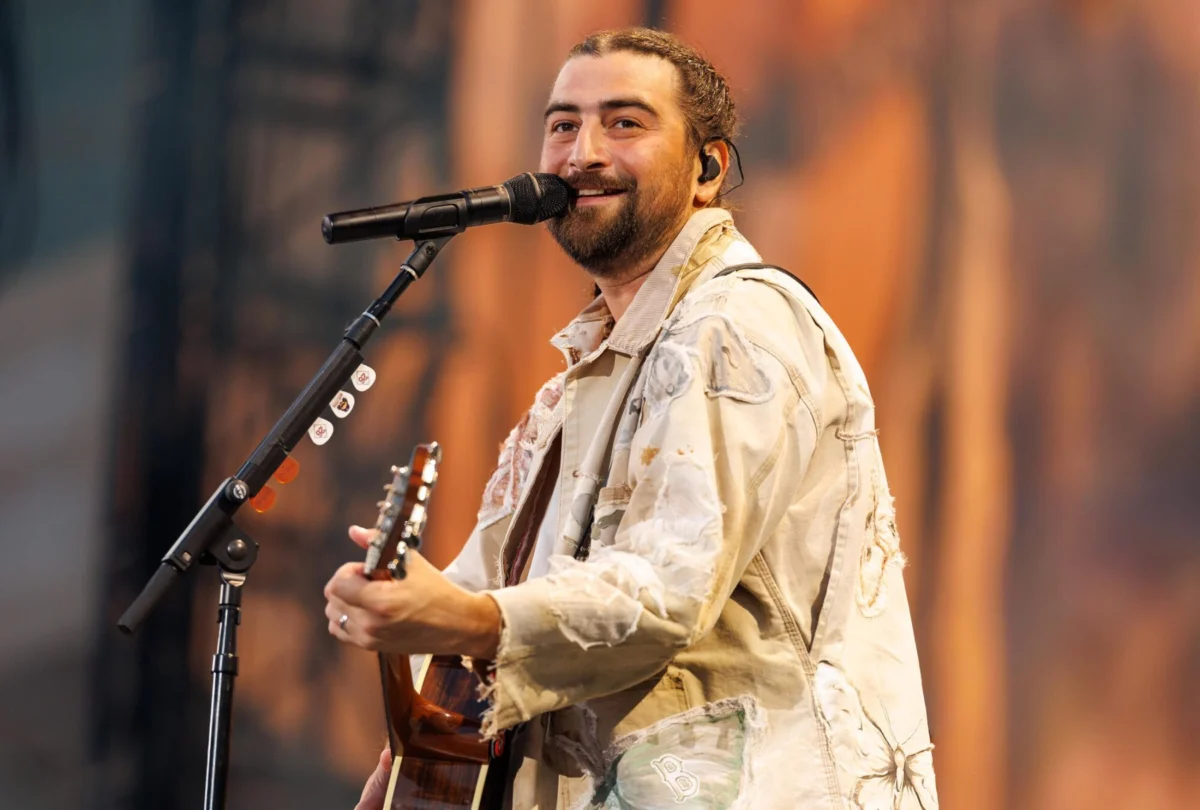
Massachusetts Governor Maura Healey, on Thursday, July 16, announced the introduction of "An Act Relative to Closing the Great Divide between Ticket Prices and Affordability," swiftly dubbed "The Great Divide Act," a legislative initiative directly inspired by Noah Kahan’s chart-topping 2026 Billboard 200 No. 1 album, The Great Divide. This landmark proposed bill aims to significantly reform the concert and sporting event ticketing landscape within the Commonwealth by capping resale prices at 110% of the original face value and limiting secondary ticketing platform service fees to a maximum of 10% of the total resale ticket price. The announcement signals a growing, bipartisan legislative movement across the United States to address the pervasive issue of ticket market manipulation and consumer exploitation, with artists like Kahan emerging as powerful advocates for their fan bases.
The Genesis of a Movement: Frustration and Advocacy
The challenges within the live event ticketing industry have long plagued consumers, artists, and venues alike. For years, fans have expressed widespread frustration over opaque pricing structures, exorbitant service fees, and the rapid resale of tickets at significantly inflated prices on secondary markets, often by automated bots and professional scalpers. These practices have not only made live events increasingly inaccessible for many but have also eroded trust in the ticketing ecosystem. The problem intensified dramatically in the early 2020s, with high-profile incidents like the widespread failures during major artist presales, drawing national attention and prompting calls for legislative intervention.
Noah Kahan, the Vermont-born singer-songwriter, has been at the forefront of this advocacy. His personal experience, coupled with a deep connection to his fan base, fueled his commitment to ensuring fair access to live music. Kahan’s recent historic achievement of headlining four consecutive sold-out shows at Boston’s iconic Fenway Park underscored both his immense popularity and the intense demand for tickets, making the issue of affordability particularly salient for his fans. During a virtual appearance at Governor Healey’s press conference, Kahan articulated his support for the bill, stating, "I heard about what you’re announcing today, and I just wanted to let you know how excited I am about it. The artist community and fans will greatly benefit from limiting ticket scalping and the sales of speculative tickets. I love my fans and want to protect them however I can. Artists alone could not tackle the market manipulation of secondary resellers. So, thank you so much for making this a priority in Massachusetts." This sentiment reflects a broader consensus among artists who feel disempowered by the current market dynamics, where a significant portion of their ticket revenue is siphoned off by intermediaries.
Key Provisions of The Great Divide Act
The Massachusetts "Great Divide Act" is designed to introduce a multi-pronged approach to tackle the most pressing issues in ticket resale. Its core tenets include:
- Resale Price Cap: The most impactful provision is the proposed cap on resale prices, limiting them to 110% of the ticket’s original face value. This measure directly targets price gouging on secondary markets, which often see tickets listed at several times their initial cost, effectively pricing out many fans. This cap would apply to virtually all events unless an artist or venue explicitly authorizes a higher resale cap through a written agreement, providing a degree of flexibility while maintaining consumer protection as the default.
- Service Fee Limitation: Beyond the ticket price itself, "junk fees" on secondary platforms have been a significant point of contention. The bill proposes limiting service fees and charges imposed by secondary ticketing platforms for both sporting and non-sporting events to no more than 10% of the total price of the ticket for resale. This aims to bring transparency and fairness to the total cost a consumer pays, addressing a common complaint where fees can add 30-50% or more to the advertised price.
- Ban on Speculative Tickets: The practice of "speculative ticketing," where resellers list tickets for sale before they actually possess them, often leading to cancellations or invalid tickets, would be explicitly banned. This provision seeks to protect consumers from fraudulent transactions and the anxiety of purchasing tickets that may not materialize.
- Prohibition of Deceptive Websites: The act also targets deceptive resale websites that mimic official artist or venue sites, misleading consumers into believing they are purchasing directly from a primary source. This measure aims to prevent confusion and protect consumers from unknowingly engaging with unauthorized resellers.
Governor Healey emphasized the human impact of these issues in her statement: "Far too many Massachusetts residents have experienced the pain of being excited to buy tickets to see their favorite singer or sports team, only to realize that resale prices and fees have driven up the cost to outrageous levels. Or how about when you do purchase tickets from a reseller, only to get to the venue to realize the seller never actually transfers them to you? Enough is enough. We are taking action to lower ticket resale prices so Massachusetts fans can better afford to see their favorite performer or team." Her words resonate with countless fans who have been priced out or scammed, highlighting the urgent need for regulatory reform.

A Broader Movement for Ticketing Reform
Massachusetts is not acting in isolation. The introduction of "The Great Divide Act" is part of a burgeoning national movement to overhaul the ticketing industry. Noah Kahan’s advocacy extends beyond his adopted state; he was also a vocal proponent for a similar bill in his home state of Vermont. That state’s governor, Phil Scott, signed a resale cap bill into law at the end of May, making Vermont the second state in the country to pass such legislation, following Maine. Maine’s pioneering legislation set a precedent, demonstrating the viability of state-level intervention.
The momentum is undeniable. More than 20 other states have introduced various ticketing consumer protection bills this year, addressing issues ranging from speculative ticketing to hidden fees and resale caps. Just this week, the Washington, D.C. Council passed the RESALE Act, which aims to regulate the ticketing market in the nation’s capital, further signaling a widespread legislative intent to rein in what many view as an unregulated secondary market.
At the federal level, while comprehensive legislation has been slower to materialize, there have been increasing calls for action. The Better Online Ticket Sales (BOTS) Act of 2016 made it illegal to use bots to circumvent security measures on ticketing websites, but its enforcement and scope have been limited in addressing the broader market issues. Recent Congressional hearings have also scrutinized the practices of major ticketing entities, particularly in the wake of public outcry over incidents like the 2022 Taylor Swift Eras Tour presale debacle, which exposed significant vulnerabilities and market dominance issues within the Live Nation/Ticketmaster ecosystem. The Department of Justice has also reportedly been investigating antitrust concerns in the live entertainment industry, indicating a multi-faceted approach to addressing these systemic problems.
Supporting Data and Consumer Impact
The arguments for ticketing reform are backed by substantial data illustrating the scale of the problem. Research by various consumer advocacy groups consistently shows that markups on the secondary market often exceed 200-300% for high-demand events, with some reaching astronomical levels. For instance, a study conducted in early 2026 revealed that for popular concerts, the average resale price was 2.5 times the face value, with service fees adding an additional 20-40% on top of the inflated price. This means a $100 ticket could easily become a $350-$400 purchase on the secondary market.
Consumer surveys also paint a grim picture. A 2025 poll indicated that over 70% of live event attendees felt that ticket prices, including fees, were "too high" or "outrageous." Nearly half reported abandoning a ticket purchase due to unexpected fees, a phenomenon commonly referred to as "drip pricing." The practice of speculative ticketing has also led to a significant number of complaints, with some estimates suggesting that up to 10% of tickets listed on certain secondary platforms might be speculative, leading to a high rate of non-fulfillment or last-minute issues for buyers.
The economic impact extends beyond individual consumers. Artists often see minimal benefit from inflated resale prices, as the profits largely accrue to resellers and secondary platforms. This can undermine their ability to set fair prices and connect directly with their fan base, ultimately affecting their long-term sustainability and artistic freedom. Venues, too, can suffer when their events become prohibitively expensive, potentially impacting attendance and local economic activity around entertainment districts.

Industry Reactions and Future Outlook
The proposed legislation in Massachusetts, mirroring similar efforts nationwide, is expected to elicit varied reactions from different stakeholders within the complex ticketing ecosystem.
Consumer advocacy groups are likely to applaud "The Great Divide Act" as a significant step forward for consumer protection. Organizations like the Fan Freedom Project and Americans for Live Music have long campaigned for greater transparency, lower fees, and protection against predatory practices, viewing resale caps and fee limits as essential safeguards.
Primary ticketing platforms like Ticketmaster and AXS have historically expressed support for measures combating bots and speculative tickets, as these issues undermine their direct sales and customer experience. However, their stance on resale caps can be more nuanced. While they might support policies that disincentivize unauthorized resale, they also operate their own authorized resale markets, where some flexibility in pricing and fees is often maintained. Their primary concern often revolves around preserving the integrity of their platform and ensuring a smooth user experience.
Secondary ticketing platforms such as StubHub, SeatGeek, and Vivid Seats are expected to voice strong opposition to resale caps and strict fee limitations. Their business model largely relies on the free market dynamics of supply and demand, allowing prices to fluctuate based on consumer willingness to pay. These platforms typically argue that caps interfere with a competitive market, potentially driving transactions underground to less regulated channels and making it harder for fans who genuinely cannot attend an event to recoup their costs. They may also contend that such regulations could stifle innovation and reduce consumer choice. Their arguments often center on the principle of a seller’s right to set a price for their property, albeit a digital one.
Venue operators and promoters may have mixed reactions. While they generally support measures that ensure fair access for fans and prevent scams, some might be concerned about the potential impact of strict resale caps on dynamic pricing strategies or VIP package sales, which are increasingly important revenue streams. However, many also recognize that widespread fan dissatisfaction with ticketing practices ultimately harms the live event experience and their long-term business.
The Massachusetts bill will now embark on its legislative journey, requiring consideration and approval by both the state’s House of Representatives and Senate before it can be signed into law. The process will undoubtedly involve robust debate, lobbying efforts from various industry groups, and public hearings. The successful passage of similar bills in Maine and Vermont, along with the D.C. Council’s recent action, suggests a growing political will to tackle these issues. If enacted, "The Great Divide Act" could serve as a powerful model for other states, further solidifying the trend towards greater consumer protection and fairness in the live event ticketing market. The convergence of artist advocacy, public outcry, and legislative action signals a potential turning point for an industry long characterized by complexity and consumer discontent.
