

A Chronicle of Resilience: From Diagnosis to Chart Success
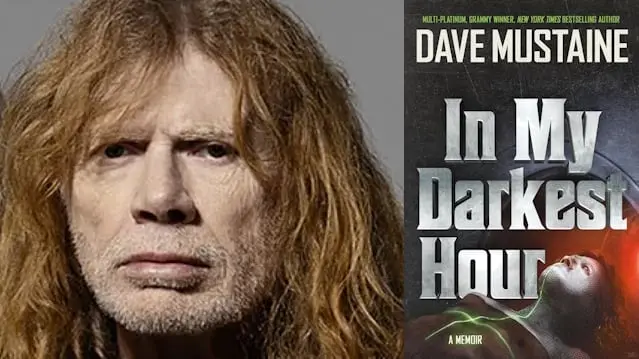
Published on September 8, 2026, by Grand Central Publishing’s newly established Da Capo imprint, "In My Darkest Hour" meticulously chronicles Mustaine’s arduous fight against cancer. The memoir details the grueling regimen of chemotherapy and radiation that defined much of 2019 and 2020, juxtaposed against the demanding studio sessions for Megadeth’s sixteenth album, "The Sick, The Dying… And The Dead!", released in 2022. This period, marked by immense physical and emotional strain, also saw Mustaine confront his own mortality, finding solace and strength in his family and deepening his faith.
The narrative artfully navigates the stark realities of the treatment room and the creative sanctuary of the recording studio. Mustaine’s diagnosis, a life-altering event, served as a catalyst, compelling him to channel his experiences into both his songwriting and his memoir. The book reveals how he transitioned from arduous medical appointments directly into extended recording sessions, a testament to his unwavering dedication to his craft and his commitment to delivering new music to his legion of fans. This intense period of vulnerability and perseverance forged a deeper connection with his family, taught him the importance of seeking and accepting help, and ultimately reshaped his perspective on art and life.
"In My Darkest Hour" is presented as a masterful portrait of a Dave Mustaine rarely seen by the public – a man grappling with profound vulnerability, yet driven by an indomitable spirit. The book’s underlying theme of perseverance and the determination to overcome adversity offers a poignant reminder that even those perceived as invincible are inherently human.
Megadeth’s Apex: A Farewell Tour Fueled by Unprecedented Success
Remarkably, six years after his initial cancer diagnosis, Mustaine and Megadeth are experiencing a career renaissance, marked by unprecedented commercial success and a multi-year farewell tour. The band’s self-titled final studio album, released in 2026, achieved a monumental No. 1 debut on the Billboard 200 chart, representing the highest debut week in the band’s storied history. This peak achievement underscores the enduring power and relevance of Megadeth, a group that has consistently pushed the boundaries of heavy music for over four decades.
The impact of Dave Mustaine on the landscape of heavy metal and popular culture is immeasurable. As the founder, vocalist, guitarist, songwriter, and producer of Megadeth, and an early architect of the thrash metal sound with Metallica, Mustaine’s influence has been profound and far-reaching since the band’s inception in 1983. Over their career, Megadeth has sold over 50 million records worldwide, earned a Grammy Award and garnered 12 additional nominations, accumulated billions of streams, achieved nine Top 10 entries on the Billboard 200, and captivated millions of fans across the globe with their electrifying live performances.
Their discography boasts a collection of undeniable classics, including the platinum-certified "Peace Sells… But Who’s Buying?", critically acclaimed by Rolling Stone as the No. 8 greatest metal album of all time; the platinum-selling "Rust In Peace"; and the double-platinum "Countdown To Extinction," which reached No. 2 on the Billboard 200. More recently, the album "Dystopia" achieved a Top 3 debut and secured a Grammy Award for Best Metal Performance. Their 2022 release, "The Sick, The Dying… And The Dead!", further solidified their formidable presence, reaching No. 3 on the charts and earning a Grammy nomination for the single "We’ll Be Back," alongside widespread critical acclaim. The culmination of this sustained excellence arrived in 2026 with their self-titled final album, which not only hit No. 1 on the Billboard 200 but also topped seven other Billboard charts and achieved No. 1 status in eleven countries.
A Spiritual Foundation and the Power of Music
In a recent Q&A session on TalkShopLive, Mustaine addressed a fan’s question about whether his cancer battle had shifted his perspective towards a more spiritual path. The 65-year-old musician stated, "Nah. I was pretty set spiritually before this all happened, and a lot of the people that have suggested stuff online, a lot of them were really wonderful people. So, it was great to see like-minded people, people that were willing to send positive thoughts and feelings my way. But I have to remember my whole thing – God wanting me to be healed – and that that was it. He said that was gonna happen, and I got healed." This statement highlights a pre-existing spiritual conviction that provided a bedrock of strength during his illness.
Mustaine also elaborated on what sustained his motivation to create music during his intense cancer treatments. He credited his "great bandmates" and a "really professional co-producer" for fostering a productive and supportive environment. He alluded to resolving internal band drama, a discreet reference to the May 2021 departure of longtime bassist David Ellefson following public revelations. Mustaine expressed a desire to move past this "ugly chapter," emphasizing the importance of focusing on the music as a "musical offering to our fans" rather than succumbing to external distractions.
The Unwavering Support System
The memoir also sheds light on the crucial support Mustaine received from his bandmates and family during his health crisis. He specifically praised drummer Dirk Verbeuren for his unwavering support. While current guitarist Teemu Mäntysaari was not yet part of the band, then-guitarist Kiko Loureiro, though helpful, reportedly felt a degree of discomfort and apprehension due to the gravity of Mustaine’s condition. Mustaine acknowledged the fear and concern felt by his family, including his son and wife, and his daughter’s anxiety, noting that these individual experiences are all detailed within the book, offering diverse perspectives on navigating such a profound challenge.
The Genesis of "In My Darkest Hour": A Story of Hope and Vulnerability
Mustaine’s decision to write "In My Darkest Hour" stemmed from a deeply personal desire to share his story of survival and to offer hope to others facing similar life-threatening illnesses. He expressed his adoration for his fans and his wish to alleviate their potential sadness. Upon receiving news of his remission in October 2019, Mustaine felt a profound sense of relief and a renewed purpose to document his journey.
He candidly discussed the uncertainties surrounding cancer treatment, the psychological toll of undergoing procedures designed to "kill" the disease, and the sheer terror involved. "You don’t know what’s going on. And you’re gonna go put your head into a machine that’s meant to fucking kill you," he stated, illustrating the profound mental fortitude required. The concept of "chemo brain," a side effect of chemotherapy and radiation that impairs cognitive function, was a significant challenge, particularly given his awareness of memory-related illnesses like Alzheimer’s. This concern about memory loss added another layer of anxiety to an already terrifying experience.
The Da Capo Imprint and the Broader Narrative
The publication of "In My Darkest Hour" through Da Capo, Grand Central Publishing’s imprint focused on music-related literature, signifies a deliberate choice to place Mustaine’s story within a context that understands and appreciates the intersection of music and personal narrative. The Da Capo imprint itself has a rich history, evolving from Da Capo Press, a respected music publisher, through various acquisitions and restructuring within the publishing industry.
In a statement, Mustaine described his seven-year journey through cancer treatment and remission as "one of the most harrowing experiences of my adult life." He emphasized that the book is far more than a simple account of diagnosis and treatment; it is a narrative of self-preservation, maintaining family unity, and continuing to create music throughout the ordeal.
Ben Schafer, Da Capo’s executive editor, lauded the memoir, stating, "’In My Darkest Hour’ is Dave Mustaine at his most revealing, vulnerable, and true." He highlighted Mustaine’s "lacerating honesty and soulful reflection" in addressing the universal human experience of confronting serious illness and its transformative impact on individuals, their families, and their creative endeavors.
A Literary Partnership and Previous Works
The collaboration with Joe Layden on "In My Darkest Hour" marks a significant reunion. Layden, a New York Times journalist, previously co-authored Mustaine’s 2010 autobiography, "Mustaine: A Heavy Metal Memoir," and Ace Frehley’s memoir, "No Regrets: A Rock ‘N’ Roll Memoir." Layden’s extensive experience also includes authoring "The Last Great Fight," chronicling the historic upset of Mike Tyson by James "Buster" Douglas.
Mustaine had previously discussed the book’s focus in a June 2026 interview with Chaoszine, explaining that "The book is about my journey through cancer, having to make ‘The Sick, The Dying…And The Dead!’ record at the same time." He elaborated on the urgency to record, fearing it might be his last if he succumbed to the illness, making it an "intense time."
The challenges of writing about his cancer battle were significant, not necessarily emotionally, but due to the memory lapses caused by chemotherapy, a condition he identified as "chemo brain." This struggle with memory, he confessed, was "scary stuff, man."
When asked about the distinction between writing as "musician Dave" versus "person Dave," Mustaine clarified that the book is primarily about "me, the person, Dave." However, he acknowledged the integral role of music in his identity, stating, "It’s not what I am; it’s what I do." He expressed his hope that the memoir will offer solace and inspiration to others facing similar diagnoses, reinforcing the power of shared experience and the possibility of triumph.
A Legacy of Literary Contributions
"In My Darkest Hour" is the latest in a series of literary endeavors by Dave Mustaine. His first memoir, "Mustaine: A Heavy Metal Memoir," published in August 2010, reached No. 15 on The New York Times Hardcover Nonfiction list. The UK edition was titled "Mustaine: A Life In Metal." In September 2020, Mustaine released his second book, "Rust In Peace: The Inside Story Of The Megadeth Masterpiece" (initially planned as "Building The Perfect Beast"), which delved into the creation of Megadeth’s seminal 1990 album, "Rust In Peace."
Mustaine first revealed his cancer diagnosis in June 2019, expressing optimism that doctors had given him a 90 percent chance of beating the illness. Following 51 radiation treatments and nine chemotherapy sessions, he announced his recovery and returned to the stage in early 2020, just before the global pandemic temporarily halted live music.
In 2014, Mustaine and his family relocated to Tennessee, a move partly motivated by his daughter Electra’s aspirations in the music industry. Electra is now involved in the family’s wine brand, House Of Mustaine, which seeks to merge music, culture, and winemaking. This move and his family’s involvement in various ventures underscore a continued commitment to family and a forward-looking vision beyond his illustrious music career. The success of "In My Darkest Hour" on The New York Times best-sellers list further solidifies Dave Mustaine’s enduring appeal and his ability to connect with audiences on a deeply personal level, transcending the confines of the heavy metal genre.
