

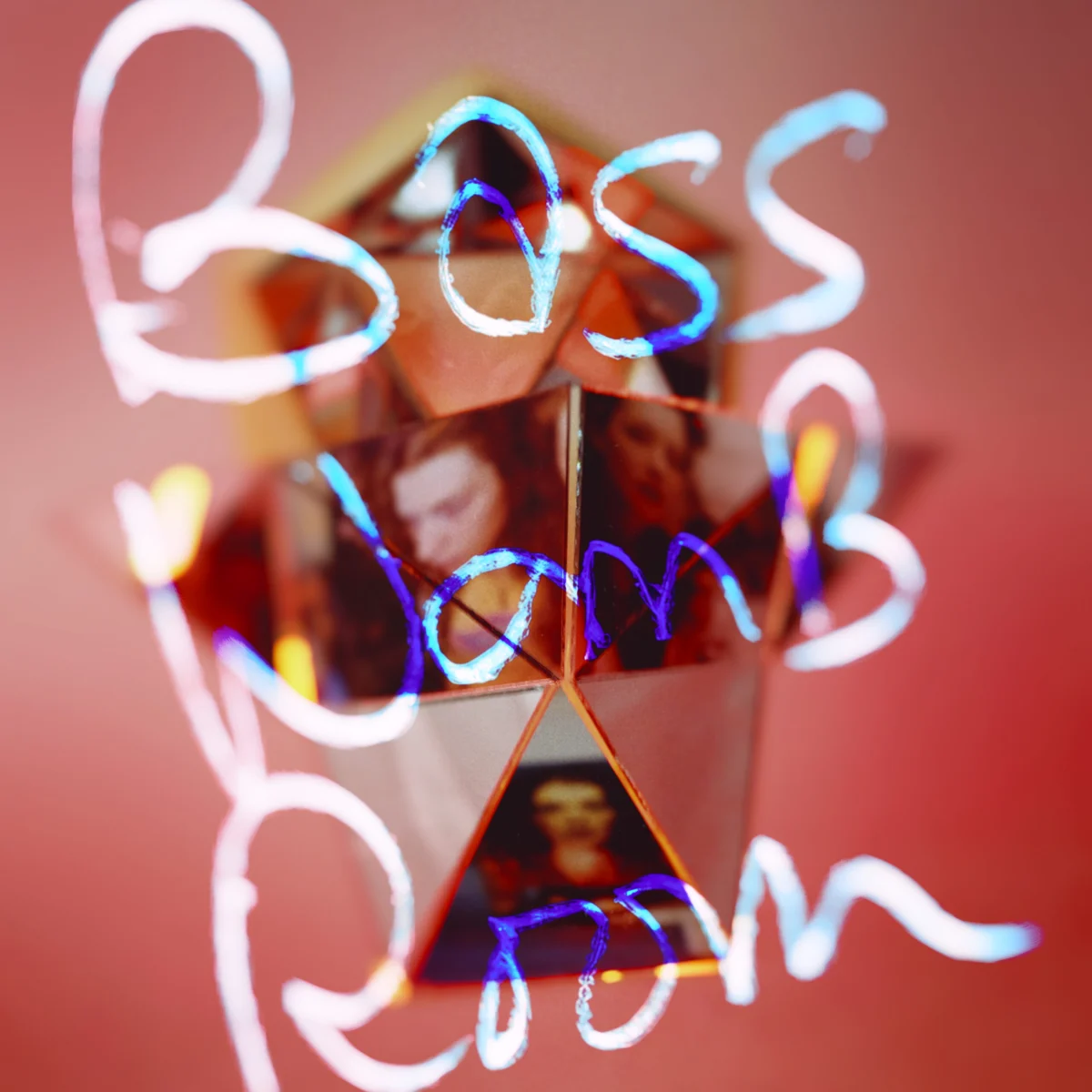
Melissa Auf der Maur, a revered figure in alternative rock renowned for her distinctive bass contributions to iconic groups Hole and The Smashing Pumpkins, is set to release her first new music in 16 years. The Montreal-born musician, artist, and photographer has announced BASS WOMB ROOM: My ’90s 4-Track Demos x Field Recordings, scheduled for release on September 4 via Envision Records. This significant musical return is complemented by a multi-faceted artistic endeavor, including a major photography exhibition and an accompanying photobook, offering an unprecedented look into her creative genesis during the pivotal 1990s.
The forthcoming musical project, BASS WOMB ROOM, features a collection of seven previously unheard 4-track tape recorder demos, meticulously crafted by Auf der Maur during the 1990s, a period that saw her rise to prominence in the alternative music scene. These intimate recordings are interspersed with eight new "interludes" that she specifically created for her concurrent visual project, Melissa Auf der Maur: My ’90s Rock Photographs. This exhibition is slated to open on September 2 at the esteemed Art Gallery of Ontario (AGO), marking a prominent cultural institution’s engagement with her artistic output. Further solidifying this retrospective vision, a substantial 240-page photobook of the same name will be published on September 8 through DelMonico Books/D.A.P. in collaboration with the AGO.
The Genesis of BASS WOMB ROOM: A Return to Raw Authenticity
BASS WOMB ROOM is presented as a profound exploration of Auf der Maur’s early creative landscape, characterized by its raw, unpolished authenticity. The collection comprises makeshift recordings produced using a Tascam 4-track recorder, an acoustic guitar, and lyrics born from stream-of-consciousness journaling and personal diaries. This approach stands in stark contrast to the high-gloss, major-label productions that defined much of the mainstream music industry during the era. The very title, BASS WOMB ROOM, evokes a sense of introspection, foundational creativity, and a private space where ideas gestated before their public unveiling.
In a press release accompanying the announcement, Auf der Maur articulated the context and motivation behind these unearthed recordings. "I wrote these songs in the context of rising pressure from the major label-driven music industry on myself and my peers to make glossy hit songs to dominate radio airwaves," she explained. This statement underscores the prevailing commercial pressures faced by artists in the 1990s, particularly those emerging from independent and alternative scenes into the major label ecosystem. The decade, while celebrated for its musical innovation, also saw an intense commercialization of alternative rock following the breakthrough success of bands like Nirvana. Record labels, eager to replicate such triumphs, often pushed artists towards more radio-friendly, mass-appeal sounds.
For Auf der Maur, these demos served as a vital creative refuge. "These songs are the sound of my internal experimentation and a way of keeping the Montreal art girl alive inside," she elaborated. "These sounds are the quiet and private side of the girl who joined the big American major label rock band." This poignant reflection highlights a duality in her artistic life: the public persona as a member of globally recognized rock bands and the private individual nurturing an experimental, deeply personal artistic voice. The reference to her "Montreal art girl" roots harks back to her formative years in the vibrant artistic community of her hometown, where she cultivated a multi-disciplinary approach to art long before joining Hole.
To offer an initial glimpse into the album’s introspective sound, Auf der Maur has shared a preview of the closing track, "Skip A Beat," inviting listeners into the intimate sonic world she inhabited decades ago.
A Visual Narrative: My ’90s Rock Photographs
Complementing the sonic journey of BASS WOMB ROOM is the equally significant visual component: Melissa Auf der Maur: My ’90s Rock Photographs. The exhibition at the Art Gallery of Ontario (AGO) is poised to be a major cultural event. The AGO, one of North America’s largest art museums, is renowned for its comprehensive collection spanning centuries and its commitment to showcasing diverse artistic expressions. Hosting Auf der Maur’s photography within its esteemed walls lends significant weight to her work as a visual artist, transcending her well-established musical identity.
The exhibition promises a "vulnerable peak into the creative mind" of Auf der Maur, offering candid, behind-the-scenes glimpses of her life and the alternative rock landscape of the 1990s. Her photographs are expected to capture the raw energy, camaraderie, and sometimes chaotic reality of touring and creating within that era, providing a unique perspective from an insider who was both participant and observer. The eight new "interludes" on BASS WOMB ROOM were specifically crafted to serve as sonic companions to this visual narrative, suggesting a deliberate cross-pollination between her musical and photographic expressions.
The accompanying 240-page photobook, co-published by DelMonico Books/D.A.P. and the AGO, will serve as a lasting document of this visual archive. DelMonico Books and D.A.P. (Distributed Art Publishers) are highly regarded in the art world for producing high-quality, meticulously curated art books, often featuring photography, contemporary art, and design. Their involvement underscores the artistic gravitas of Auf der Maur’s photographic oeuvre, positioning it within a broader discourse of visual culture. The substantial page count suggests a comprehensive collection, likely featuring previously unseen images, personal anecdotes, and perhaps essays that provide further context to the photographs and the era they depict.
Chronology of a Multi-Faceted Artistic Unveiling
The release schedule for Melissa Auf der Maur’s expansive artistic return is strategically staggered, allowing each component to receive dedicated attention while forming a cohesive narrative:
- September 2, 2024: The Melissa Auf der Maur: My ’90s Rock Photographs exhibition opens at the Art Gallery of Ontario (AGO). This marks the official public debut of her visual archive.
- September 4, 2024: BASS WOMB ROOM: My ’90s 4-Track Demos x Field Recordings is released digitally and physically via Envision Records. This is the core musical component of her return.
- September 8, 2024: The Melissa Auf der Maur: My ’90s Rock Photographs photobook is officially released by DelMonico Books/D.A.P. and the AGO, providing a permanent record of the exhibition’s contents and further visual context.
This carefully planned rollout ensures that fans and art enthusiasts alike can engage with the full scope of Auf der Maur’s multi-disciplinary vision, moving from visual introspection to sonic revelation over a concentrated period.
Melissa Auf der Maur: A Career Defined by Impact and Evolution
Born in Montreal, Quebec, Melissa Auf der Maur’s artistic journey began long before she became a household name in alternative rock. Her early immersion in Montreal’s vibrant arts scene, coupled with a background in photography and fine arts at Concordia University, provided a fertile ground for her diverse creative interests. It was her distinctive bass playing, however, that first brought her international recognition.
Her entry into the music world truly began in 1994 when she joined the seminal grunge band Hole, replacing the late Kristen Pfaff. This period was immediately following the release of Hole’s critically acclaimed and commercially successful album, Live Through This. Auf der Maur’s arrival coincided with a tumultuous yet creatively fertile period for the band, contributing her powerful stage presence and melodic bass lines to their subsequent album, Celebrity Skin (1998), which showcased a more polished, glam-influenced sound while retaining Hole’s raw emotional core. Her tenure with Hole cemented her reputation as a formidable bassist in a male-dominated genre.
After five years with Hole, Auf der Maur departed in 1999. Shortly thereafter, she joined The Smashing Pumpkins for their Machina/The Machines of God tour cycle and contributed to the recordings for Machina II/The Friends & Enemies of Modern Music. This move showcased her versatility, adapting her playing to the more expansive, orchestral soundscapes of Billy Corgan’s vision. These two high-profile roles established her as one of the most recognizable and respected bassists in alternative rock.
Following her stints with these iconic bands, Auf der Maur embarked on a solo career, releasing her debut album Auf der Maur in 2004, which featured a blend of alternative rock, shoegaze, and art-rock influences. Her second solo album, Out of Our Minds, followed in 2010, further exploring her experimental tendencies and incorporating multimedia elements, including a companion film. Throughout this period, she continued to develop her photography, film, and other visual art forms, demonstrating a consistent commitment to a multi-disciplinary approach that often blurred the lines between music, visual art, and performance. Her return to music with BASS WOMB ROOM, integrated with her photography projects, represents a full-circle moment, synthesizing the various facets of her artistic identity.
The ’90s Alternative Landscape: Context for Creative Pressure
The 1990s were a fascinating and often contradictory decade for popular music. On one hand, the rise of grunge and alternative rock offered a counter-narrative to the polished excess of 1980s pop and hair metal, bringing raw emotion and lyrical depth to the mainstream. Bands like Nirvana, Pearl Jam, Soundgarden, and Alice in Chains achieved unprecedented commercial success, proving that "alternative" could sell millions. This seismic shift created an environment where major record labels, previously focused on pop and rock anthems, aggressively sought out the "next big thing" from the underground.
This rush to sign alternative acts, however, often came with strings attached. Labels, driven by quarterly earnings and the desire for radio dominance, frequently exerted pressure on artists to produce commercially viable material. This could manifest in demands for catchy singles, more accessible production, or even changes in songwriting direction. For artists like Melissa Auf der Maur, who were deeply rooted in a more experimental, art-driven ethos, this created a palpable tension between artistic integrity and commercial imperative. Her statement about "rising pressure… to make glossy hit songs to dominate radio airwaves" perfectly encapsulates this dilemma. The 4-track demos, therefore, represent a conscious act of resistance, a sanctuary where her "Montreal art girl" could freely experiment without external commercial pressures. They are sonic artifacts of an artist navigating the treacherous waters between underground authenticity and mainstream aspiration.
The Enduring Appeal of Archival Releases and Retrospective Works
Melissa Auf der Maur’s decision to unearth and release these ’90s demos aligns with a broader trend in the music industry: artists revisiting their archives. In recent years, there has been a significant surge in the release of demo collections, B-sides, live recordings, and previously unreleased material. This trend is driven by several factors: nostalgic demand from long-time fans, the technological ease of digital distribution, the resurgence of physical formats like vinyl appealing to collectors, and artists’ desire to recontextualize their past work or reclaim narratives.
For artists, these archival releases offer an opportunity to present a more complete picture of their creative process, often revealing the raw ideas that blossomed into iconic songs or showcasing paths not taken. BASS WOMB ROOM fits squarely into this phenomenon, offering not just music, but a historical document of Auf der Maur’s formative artistic years. It provides listeners with an intimate window into the development of her unique sound and lyrical themes, demonstrating the foundational elements that would later inform her work with Hole, The Smashing Pumpkins, and her solo career. The act of recontextualizing these private, makeshift recordings into a public artistic statement transforms them from mere demos into a curated exhibition of her early artistic identity, inviting deeper engagement with her entire body of work.
Related Developments: Hole and the Live Through This Reissue
Coincidentally, or perhaps synchronously, with Melissa Auf der Maur’s announcements, there was a flurry of activity surrounding one of her former bands. Hole’s social media channels recently began "teasing" news of an upcoming announcement, sparking fervent speculation among fans. Comment sections erupted with calls for a full band reunion tour, a reissue of their 1997 compilation album My Body, The Hand Grenade, or even new music. This outpouring of enthusiasm underscored the enduring legacy and passionate fanbase that Hole continues to command decades after their peak.
The eventual "UPDATE" revealed that the news was an audiophile vinyl reissue of Hole’s seminal 1994 album, Live Through This. This reissue is part of Interscope/Capitol’s Definitive Sound series, which focuses on delivering high-quality, meticulously remastered versions of classic albums for discerning listeners and collectors. Live Through This is widely regarded as one of the most important albums of the 1990s, critically acclaimed for its raw emotional power, Courtney Love’s provocative lyricism, and its visceral blend of punk aggression and melodic sensibility. Its release shortly after Kurt Cobain’s death added another layer of tragic resonance to its themes of grief, anger, and femininity. An "audiophile vinyl reissue" typically implies a premium pressing, often on heavy-weight vinyl, sourced from original master tapes (or high-resolution digital transfers thereof), and mastered specifically for optimal playback on high-fidelity audio systems. This news, while not a reunion, provides a fresh opportunity for fans to experience a pivotal album from Auf der Maur’s past in a new, enhanced format, further contributing to the current wave of ’90s alternative rock re-appreciation.
Tracklist for BASS WOMB ROOM
The full tracklist for BASS WOMB ROOM: My ’90s 4-Track Demos x Field Recordings is as follows:
01 "Active Heart"
02 "… And The Next Day"
03 "Courtney Chimes In"
04 "Desire is Critical"
05 "In The Reflection"
06 "Water Wars"
07 "Flesh Flush"
08 "Is She His"
09 "Billy Seoul Crowd"
10 "Love Is The Drug"
11 "Sparkle Bass"
12 "Fancy Piece (Featuring The Hunger World)"
13 "River’s Dream"
14 "Sea Of Tranquility"
15 "Skip A Beat"
BASS WOMB ROOM: My ’90s 4-Track Demos x Field Recordings is scheduled for release on September 4 via Envision Records. Pre-orders are available now, inviting listeners to delve into this intimate and revealing chapter of Melissa Auf der Maur’s extraordinary artistic journey.
Broader Impact and Implications
Melissa Auf der Maur’s comprehensive return with BASS WOMB ROOM, the AGO exhibition, and the accompanying photobook represents more than just a musical comeback; it is a profound artistic statement. By unveiling these deeply personal, foundational works, she solidifies her status as a multidisciplinary artist whose creative vision extends far beyond her iconic roles as a bassist. This series of releases invites a re-evaluation of her entire career, highlighting the continuous thread of artistic exploration and authenticity that has defined her trajectory from her Montreal art school days through her time in major rock bands and into her current role as a curator of her own past.
The projects also speak to the enduring cultural significance of the 1990s alternative rock era and the artists who shaped it. For fans who grew up with Hole and The Smashing Pumpkins, these releases offer a rare opportunity to connect with the formative experiences of a beloved figure, providing context for the music that soundtracked a generation. In an age where artists increasingly control their narratives and archives, Auf der Maur’s initiative stands as a testament to the power of introspection, artistic integrity, and the timeless appeal of vulnerability. Her willingness to share these "quiet and private" moments underscores a commitment to artistic truth, offering a vital counterpoint to the commercial pressures she described, and ultimately enriching the legacy of one of alternative rock’s most compelling figures.
