
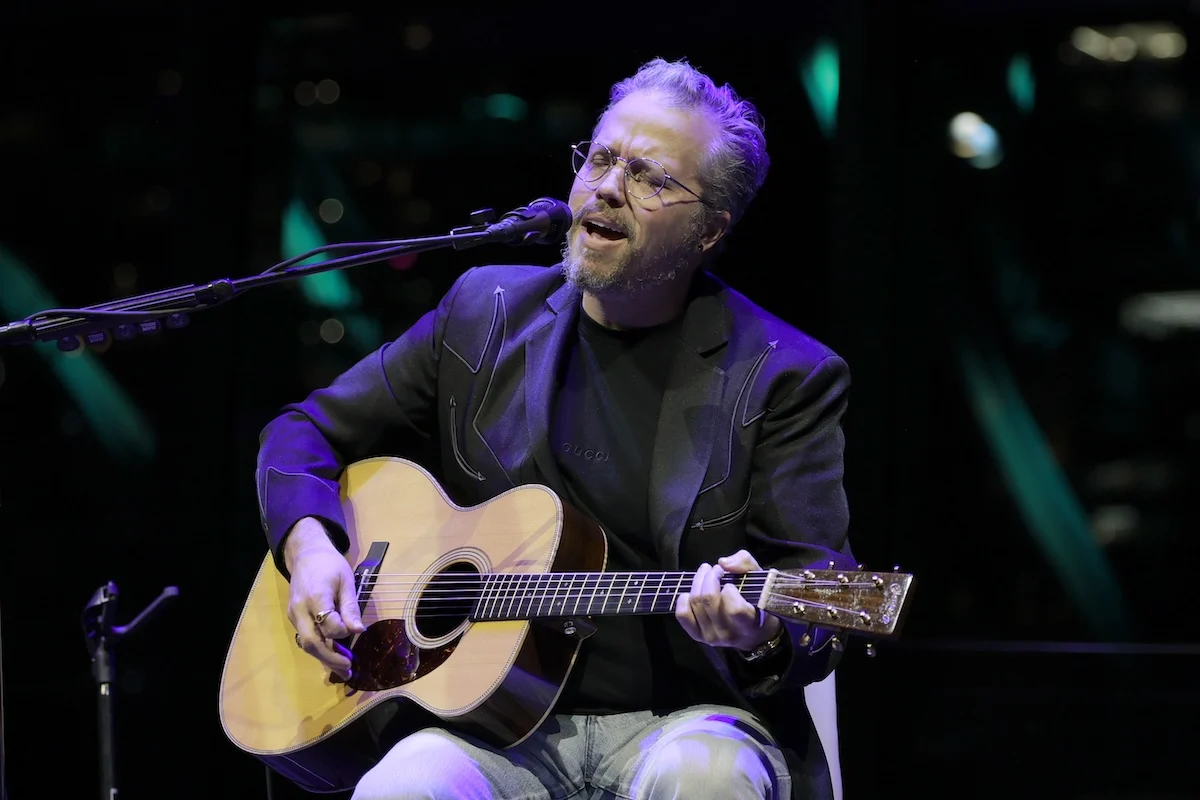
A landmark class-action lawsuit has been filed against Suno, a prominent artificial intelligence music generation platform, by a coalition of acclaimed musicians, including Jason Isbell and David Lowery. The legal complaint, lodged on Monday, August 31, 2024, asserts that Suno’s technology exploits artists’ names, identifiable vocal characteristics, and unique stylistic traits for commercial gain, thereby violating their rights of publicity under various state statutes. This action represents a significant escalation in the ongoing battle between human creators and generative AI technologies, moving beyond traditional copyright infringement claims to address the more nuanced exploitation of artistic identity.
The Core Allegations: Exploitation of Identity, Not Just Copyright
The lawsuit, spearheaded by plaintiffs Jason Isbell, a Grammy-winning Americana artist; David Lowery, frontman for Camper Van Van Beethoven and Cracker; blues singer-songwriter Guy Forsyth; and jazz saxophonist Eduardo Calle, meticulously argues that Suno’s system goes beyond mere algorithmic generation. It contends that the platform actively "name-indexes" and "style-replicates" artists, transforming their established personas and artistic signatures into "retrieval keys" for generating new content. This distinction is crucial, as it pivots the legal challenge away from direct copyright infringement—which can be notoriously difficult to prove with generative AI outputs that are technically "new" compositions—towards the commercial appropriation of an artist’s persona.
"Suno’s system recognizes ‘Jason Isbell’ as far more than a mere text string; it is a retrieval key for a set of performer-specific representations that it can use to generate a response associated with that musician," the lawsuit reads. This sophisticated indexing, according to the plaintiffs, enables a user to receive a "multi-modal experience evoking that named musician" from a simple name prompt. This includes not only a generated song in the artist’s style but also a description of their attributes and a related image, effectively creating a simulacrum of the artist’s creative output and public image.
To illustrate this, the complaint cites an instance where typing "Jason Isbell" into Suno’s prompt produced an Americana song titled "Paper Bell," which allegedly imitated Isbell’s characteristic clear male vocals and country twang. Another compelling example presented in the lawsuit involves the input of "m i c h a e l j a c k s o n" (demonstrating a workaround for Suno’s alleged filters), which reportedly generated a pop song called "Glovebox Moonwalk," complete with an image evocative of Michael Jackson’s iconic white glove. These examples highlight the plaintiffs’ assertion that Suno is not just creating "new" music but rather leveraging and profiting from the established artistic identities and cultural recognition of specific individuals.
Suno’s Position and Alleged Loopholes
Suno, a rapidly growing player in the AI music space, has previously asserted its commitment to responsible AI development. In blog posts and public statements, the company has claimed its primary goal is to "help people create something new, not imitate someone else’s work." It also states that it integrates filters designed to prevent users from explicitly prompting the model with specific artist names, aiming to avoid direct artistic impersonation.
However, the lawsuit directly challenges the efficacy and intent behind these safeguards. The plaintiffs argue that these filters are easily circumvented through simple tactics, such as inserting spaces between letters of an artist’s name. The "m i c h a e l j a c k s o n" example serves as a stark illustration of this alleged vulnerability, demonstrating that even with supposed protective measures, the platform can still be prompted to generate content highly derivative of specific artists’ personas. This discrepancy between Suno’s stated intentions and the observed functionality forms a critical point of contention in the legal proceedings.
The Broader Context: Generative AI and Artist Anxiety
The lawsuit against Suno emerges against a backdrop of increasing anxiety and legal challenges surrounding generative artificial intelligence across various creative industries. The rapid advancements in AI models capable of generating text, images, and audio have sparked a global debate about intellectual property rights, fair compensation, and the very future of human creativity.
Musicians, in particular, have been vocal about their concerns. The past year has seen a surge in discussions and protests regarding AI’s potential to devalue human artistry and exploit copyrighted works without permission or compensation. Artists like SZA have publicly warned about AI’s potential to exploit Black artists, whose unique vocal styles and cultural contributions are particularly susceptible to algorithmic appropriation. This sentiment underscores a broader fear within the creative community that AI, if left unchecked, could systematically diminish the value of individual artistic contributions and create an economic landscape where human creators struggle to compete with machine-generated content derived from their own legacy.
Conversely, the landscape is not entirely monolithic. Some artists and entities have explored partnerships with AI platforms. Notably, Mary J. Blige recently participated in a commercial featuring Suno-generated music, presenting a contrasting perspective on the integration of AI in music. This divergence highlights the complex and evolving relationship between artists and AI, with some viewing it as a tool for innovation and others as an existential threat.
Legal Framework: Rights of Publicity as a Key Battleground
Unlike traditional copyright infringement cases, which focus on the unauthorized reproduction or distribution of specific creative works, this lawsuit primarily hinges on the "right of publicity." This legal concept grants individuals the exclusive right to control the commercial use of their name, image, likeness, and other identifiable attributes. It is a state-level right, and the plaintiffs allege Suno is violating these rights under the statutes of New York, California, and Tennessee – states known for robust protections for celebrities and public figures due to their significant entertainment industries.
In California, for instance, the right of publicity is enshrined in Civil Code Section 3344, which protects against the unauthorized use of a person’s "name, voice, signature, photograph, or likeness" for commercial purposes. New York’s Civil Rights Law Sections 50 and 51 provide similar protections. Tennessee, a hub for country and blues music, also has strong publicity rights laws that protect artists’ personas. The lawsuit argues that Suno’s "name-indexing" and "style-replication" directly impinge on these rights by commercially exploiting artists’ unique, recognizable characteristics without their consent or compensation.
The legal strategy employed by Isbell, Lowery, and the other plaintiffs represents an innovative approach to AI litigation. By focusing on the right of publicity, they are attempting to establish a precedent that even if an AI-generated output is technically "original" in its melody or lyrics, the manner in which it evokes and capitalizes on an artist’s distinct persona is actionable. This could have profound implications for how AI models are trained and how their outputs are commercialized, potentially requiring consent and licensing for the use of identifiable stylistic elements derived from human artists.
A Chronology of Rising Tensions
The filing on August 31, 2024, is the latest development in a rapidly unfolding narrative concerning AI in music:
- Early 2023: Generative AI music platforms begin gaining significant public traction, showcasing capabilities to create songs from text prompts.
- Mid-2023: Concerns from artists and record labels escalate. Major record labels, including Universal Music Group, issue warnings to streaming services and AI developers regarding the unauthorized training of AI models on copyrighted music.
- Late 2023: Artists like SZA voice strong opposition to AI exploitation, particularly highlighting concerns for Black artists whose vocal styles are often mimicked.
- Early 2024: High-profile cases emerge, such as Scarlett Johansson’s dispute with OpenAI over a voice that allegedly mimicked hers, intensifying the debate over voice and likeness rights.
- June 2024: Mary J. Blige appears in a commercial for Suno, indicating a divided industry on AI adoption.
- August 31, 2024: The class-action lawsuit is filed against Suno, marking a direct legal challenge to the platform’s operating model and the commercial exploitation of artistic identity.
Economic Stakes and Broader Implications
The financial stakes in this lawsuit are considerable. The plaintiffs are seeking unspecified financial damages for the proposed class of artist plaintiffs, which they estimate could number in the "millions." This scale reflects the widespread adoption of AI music platforms and the potential for a vast number of artists to have their identities appropriated. On the other side, Suno is projected to achieve a market valuation of $1 billion by 2028, underscoring the lucrative potential of generative AI in the music industry. The outcome of this case could significantly impact these projections, potentially mandating licensing fees or substantial payouts to artists whose work and identity contribute to the AI’s training and output.
Beyond the immediate financial implications, this lawsuit carries profound implications for the future of the music industry and the broader creative economy:
- Precedent for AI Regulation: A ruling in favor of the artists could establish a critical legal precedent, compelling AI developers to implement more robust safeguards, seek explicit consent, and offer fair compensation when their models are trained on or generate content evocative of identifiable human artists.
- Redefining Artistic Ownership: The case could redefine what constitutes "ownership" in the age of AI, expanding it beyond specific copyrighted works to include an artist’s distinctive style, voice, and persona.
- Ethical AI Development: It places renewed pressure on the AI industry to prioritize ethical considerations, transparency in data sourcing, and respect for human creativity over rapid technological advancement.
- Empowerment of Artists: For individual artists, particularly those without major label backing, a victory could provide a new legal avenue to protect their livelihoods and artistic integrity against powerful AI entities. It could also galvanize collective action within the artistic community to advocate for stronger protections.
- Innovation vs. Protection: The lawsuit embodies the ongoing tension between fostering technological innovation and protecting the rights and livelihoods of human creators. The courts will be tasked with striking a delicate balance that allows for progress without undermining the foundational principles of intellectual property and individual rights.
The legal battle against Suno is more than just a dispute over monetary damages; it is a pivotal moment in the discourse surrounding artificial intelligence and its impact on human culture. Its resolution will likely shape the legal and ethical frameworks governing generative AI for decades to come, influencing how technology interacts with art, identity, and commerce in an increasingly automated world.
