

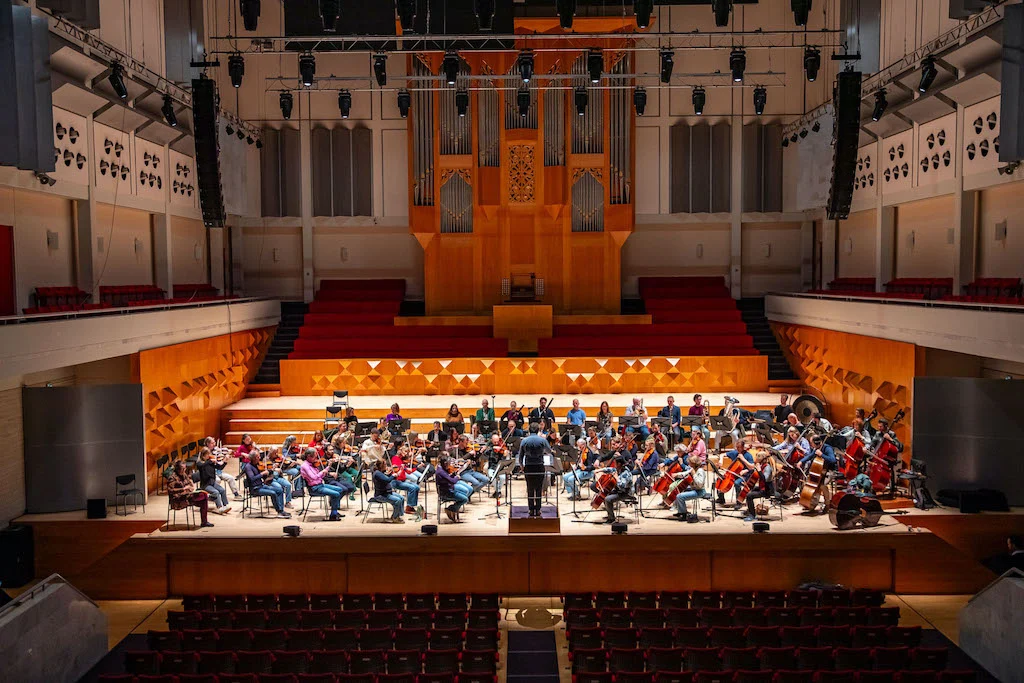
The Muziekcentrum in Enschede, a cornerstone of the cultural landscape in the eastern Netherlands, has officially completed a significant technological overhaul of its stage lighting systems. As part of a broader modernization initiative across the Wilminktheater and Muziekcentrum Enschede complex, the venue has replaced its aging orchestra lighting with 16 Robe T1 Profile and 16 T1 PC moving lights. This transition, facilitated by the prominent Benelux distributor Controllux, marks a milestone in the Dutch performing arts sector, as the Muziekcentrum becomes the first dedicated orchestral venue in the Netherlands to utilize moving LED fixtures for primary orchestra illumination.
The decision to move away from traditional, static lighting solutions toward a fully automated LED rig was driven by the evolving demands of modern classical performances and the need for greater operational efficiency. For over two decades, the resident and visiting orchestras had been illuminated by a series of MultiPAR fixtures—technology that, while reliable in its era, had become increasingly obsolete in terms of energy consumption, heat output, and versatility. The new installation not only addresses these technical shortcomings but also provides a level of precision and silence that was previously unattainable.
A Cultural Hub in the Eastern Netherlands
The Muziekcentrum is one of three primary performance spaces situated on a single expansive site in Enschede. Managed under the umbrella of the Wilminktheater en Muziekcentrum Enschede, the complex serves as the region’s premier destination for high-art culture, ranging from symphonic concerts and opera to contemporary pop and theater.
The Wilminktheater itself features a 1,000-seat auditorium designed for theatrical productions, while the Muziekcentrum’s concert hall offers a flexible capacity, accommodating up to 1,800 spectators for standing events or 800 for seated classical performances. The technical demands of managing five distinct stages across the city, which host approximately 670 events annually, require a robust and versatile equipment inventory.
Paul de Vries, Head of Lighting at the Wilminktheater, has been a pivotal figure at the institution since its opening in 2008. Working in close collaboration with Robin Bijker, the Technical Manager of the Muziekcentrum, de Vries has overseen a gradual but systematic transition toward LED technology. This latest upgrade to the Muziekcentrum’s orchestra lighting is the culmination of years of testing and internal advocacy to prove that LED sources can meet the exacting standards of world-class musicians.
The Technical Shift: From MultiPARs to Robe T1
For the past 20 years, the Muziekcentrum relied on MultiPAR units to light its stage. While functional, these fixtures lacked the nuance required for high-definition broadcasting and modern stage aesthetics. The primary requirements for the replacement units were non-negotiable: exceptional brightness, precise color temperature control, and, most importantly, near-silent operation.
In a classical music environment, the noise floor is a critical concern. Any mechanical hum or fan noise from a lighting fixture can interfere with delicate acoustic passages or sensitive recording equipment. The Robe T1 series was specifically engineered for theater and television environments where silence is paramount. By utilizing an advanced cooling system and high-quality components, the T1 Profile and T1 PC units provide the necessary output without the intrusive noise associated with older automated lights.
Furthermore, the T1 series utilizes Robe’s MSL™ (Multi-Spectral Light) LED engine. Unlike traditional white LEDs that use filters to achieve color, the MSL™ engine uses a multi-spectral approach to create a wide gamut of colors and varying shades of white. This allows the lighting team to adjust the color temperature to perfectly match the skin tones of the performers and the natural wood finishes of the orchestral instruments, ensuring a natural and warm visual environment that avoids the "sterile" look often associated with early-generation LED technology.
The Phion Orchestra: Overcoming Skepticism Through Demonstration
One of the primary beneficiaries of this upgrade is Phion, the Orkest van Gelderland & Overijssel. As one of the Netherlands’ leading symphony orchestras, Phion uses the Muziekcentrum regularly for rehearsals, concerts, and choral performances. Historically, classical musicians and conductors have been wary of LED lighting, often citing concerns over flickering, poor Color Rendering Index (CRI), and inadequate light intensity.
To address these concerns, Paul de Vries and his team engaged the orchestra in the selection process. Leveraging the fact that the Wilminktheater already owned several Robe T1 Profiles (installed in 2018), the technical team conducted a live, on-site demonstration for the musicians.
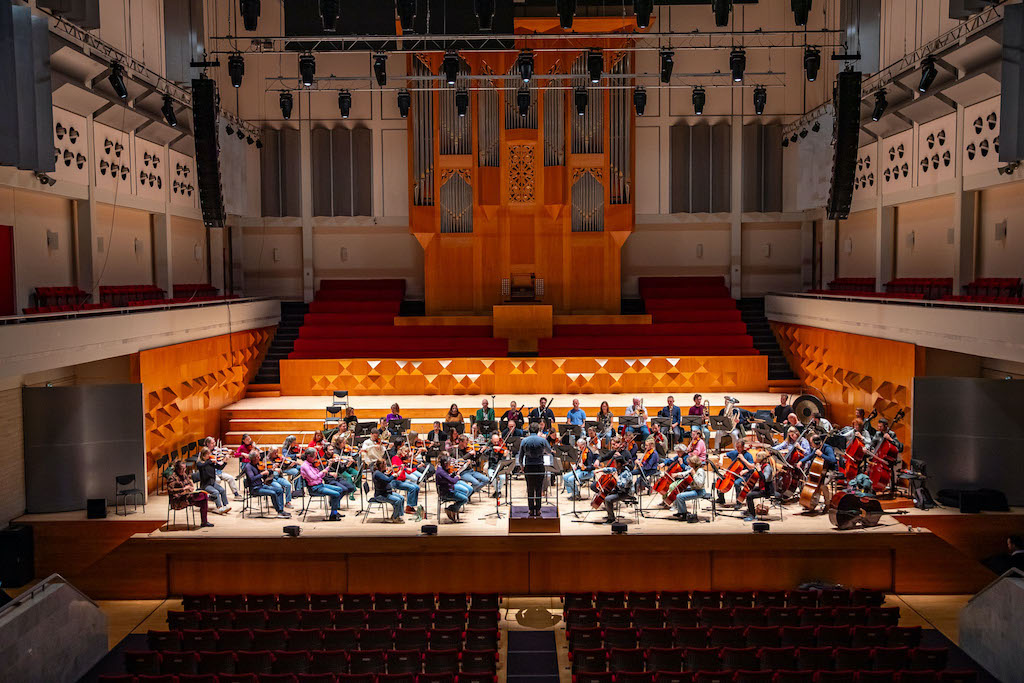
"In the beginning, they were not convinced by LED sources," de Vries noted during the transition. "Like many in the traditional theater and classical world, they initially thought the light output would be too low and the CRI would not be sufficient. However, LED technology has made enormous strides in the last five years. When we showed them the actual light output and the high CRI of the T1, they were impressed."
The high CRI (Color Rendering Index) of the T1, which exceeds 90, ensures that colors are rendered accurately—a vital feature for musicians who need to read complex sheet music without eye strain and for audiences who expect a high-fidelity visual experience. The musicians were so satisfied with the results that they have reportedly begun specifying Robe T1 fixtures for their performances in other venues, signaling a shift in the industry’s standard requirements.
Chronology of Technological Integration
The adoption of Robe technology at the Wilminktheater and Muziekcentrum Enschede has been a decade-long journey of incremental upgrades. This timeline illustrates the venue’s commitment to staying at the forefront of stage technology:
- 2008: Opening of the current venue configuration; reliance on traditional tungsten and MultiPAR fixtures.
- 2018: The first major shift toward high-end LED automation with the installation of Robe T1 Profiles in the Wilminktheater.
- 2021: Integration of Robe CycBar 15 fixtures to improve cyclorama and backdrop lighting efficiency.
- 2023: A significant expansion of the LED inventory, including the acquisition of Robe LEDBeam 350s and 16 T2 Profiles for the Muziekcentrum, along with eight additional T2 Profiles for the theater rig.
- 2024–2026: The final phase of the orchestra lighting modernization, replacing 20-year-old PAR cans with the current fleet of 32 Robe T1 fixtures (16 Profile and 16 PC).
This phased approach allowed the technical team to evaluate the reliability and performance of the Robe ecosystem before committing to a full-scale replacement of the orchestra’s primary lighting.
Operational Impact and Versatility
While the primary mission of the new T1 fixtures is to illuminate the orchestra, their "moving light" capabilities provide an added layer of versatility that static fixtures could never offer. The Muziekcentrum frequently hosts pop concerts, jazz ensembles, and corporate events that require more dynamic lighting designs.
With the T1 Profiles and PC units, the house lighting team can instantly reconfigure the stage for different genres without the need for manual focusing or climbing into the rig. The T1 PC (Planoconvex) units, in particular, provide a smooth, wash-like beam that is ideal for covering large areas of the stage with even illumination, while the T1 Profiles offer the precision framing shutters needed to highlight specific soloists or sections of the orchestra.
The technical team, consisting of 14 multi-disciplinary staff members, manages all lighting, sound, and staging requirements in-house. By standardizing their rig with Robe fixtures, they have simplified their maintenance routines and programming workflows. De Vries highlighted the reliability of the equipment and the support from Controllux as deciding factors in their continued partnership with the brand.
Broader Implications for the Industry
The successful implementation of moving LED lights for orchestra lighting in Enschede serves as a case study for other concert halls across Europe. As energy costs rise and sustainability mandates become more stringent, the shift away from power-hungry tungsten and halogen lamps is no longer optional.
The Robe T1 installation provides several key benefits that extend beyond aesthetics:
- Energy Efficiency: LED fixtures consume significantly less power than the MultiPAR units they replaced, contributing to the venue’s sustainability goals.
- Heat Reduction: Traditional orchestra lighting generates substantial heat, which can be uncomfortable for musicians and can even affect the tuning of sensitive wooden instruments like violins and cellos. The cool operation of LEDs mitigates this issue.
- Reduced Maintenance: With a long lifespan and no lamps to replace, the T1 units reduce the long-term operational costs and the physical labor required for rig maintenance.
- Creative Flexibility: The ability to change colors, focus, and beam shapes via a lighting console allows for more creative "mood" lighting during transitions or contemporary classical pieces.
Conclusion
The modernization of the Muziekcentrum Enschede’s lighting rig represents a forward-thinking approach to cultural infrastructure. By prioritizing the needs of the musicians—specifically regarding silence and light quality—while embracing the efficiency of modern automation, the venue has secured its position as a leader in the Dutch performing arts community.
As Paul de Vries and his team continue to facilitate over 600 events a year, the new Robe T1 installation stands as a testament to the fact that high-tech innovation and classical tradition can coexist harmoniously. The positive reception from the Phion orchestra suggests that the era of static, noisy, and inefficient orchestra lighting is drawing to a close, paved over by the silent, vibrant, and versatile performance of LED moving lights.
