

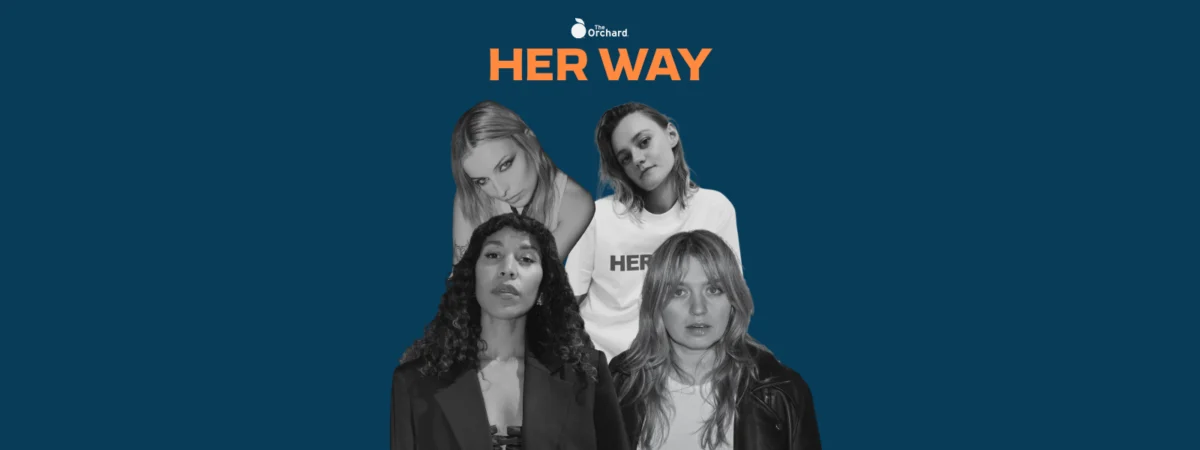
In a powerful celebration of International Women’s Day, a cohort of compelling voices emerging from the Nordic music scene has offered a profound redefinition of artistic success, eschewing conventional pressures to conform and instead championing the cultivation of the "hyper-personal." These artists, ranging from bedroom producers to established acts, shared insights into their creative rituals and offered invaluable advice to aspiring musicians. Their collective message emphasizes the transformative power of unwavering consistency and the often-overlooked beauty found within imperfection, resonating with creators and listeners alike.
The initiative, launched to coincide with the annual observance of International Women’s Day, aimed to illuminate the unique journeys of female and non-binary artists within the contemporary Nordic music landscape. This region, known for its rich cultural heritage and progressive approach to gender equality, has become a fertile ground for innovative artistic expression. The interviews, conducted in the weeks leading up to March 8th, provided a candid glimpse into the minds and methods of artists who are not only pushing creative boundaries but also forging their own paths in an industry often characterized by rigid expectations.
Inspiring the Next Generation: Voices of Wisdom from the North
When asked what message they would impart to younger artists navigating the complexities of the music industry, the responses were a tapestry of encouragement, self-belief, and practical wisdom.
Charlotte Dos Santos, a vocalist and producer celebrated for her ethereal soundscapes, offered a foundational piece of advice: "Stay curious, spend time on your craft and be your biggest fan. Remember your why and look inwards." This call for introspection and dedicated practice underscores the importance of internal motivation and self-validation, particularly in the face of external criticism or doubt. Dos Santos, whose work often blends jazz, soul, and electronic elements, consistently emphasizes the personal journey of artistic development, suggesting that external validation is secondary to genuine passion and self-discovery.
The experimental electronic artist garbagepink urged artists to embrace their distinctiveness: "Don’t be afraid to make music that sounds different. Don’t necessarily make music that you think people might like. Make the music you like. Trust your gut." This sentiment directly challenges the commercial pressures that can lead artists to dilute their unique sound in pursuit of wider appeal. garbagepink’s own sonic explorations, characterized by their innovative use of textures and unconventional structures, serve as a testament to the power of this philosophy. Her approach suggests that authenticity in creation can ultimately lead to a more resonant and enduring connection with an audience.
mags, a songwriter known for her deeply personal and introspective lyrical content, articulated a vision of authentic creation and living: "I would like to inspire other artists to live and create in an environment and way that feels authentic and expansive to them. I believe that one of the most powerful ways to make an impact is to remain authentic to oneself in how we create, love and live. I live and create with that in mind and hope to inspire other artists to do the same." This holistic view of artistry, extending beyond the studio to encompass one’s entire life, highlights the interconnectedness of personal well-being and creative output. mags’ commitment to this principle suggests that genuine expression stems from a foundation of self-acceptance and living in alignment with one’s values.
The indie-rock band Cyan Kicks, represented by their collective voice, offered a pragmatic yet inspiring perspective on overcoming self-doubt and embracing the creative process: "I think the biggest thing is not waiting until you feel ready, because most artists never do. You just start and grow into it. Courage is way more important than perfection, and imperfection is much more interesting than perfection. The thing you might think makes you weird or different is usually the thing that makes you interesting as an artist. Talent is great, but consistency is what really builds a career. And through all of that, try to protect the part of you that genuinely loves music, because that’s the thing that will keep you going when everything else gets hard." Their advice directly addresses the paralyzing fear of not being "ready," a common hurdle for emerging creatives. The emphasis on consistency as a career-building pillar, rather than solely relying on innate talent, provides a crucial roadmap for sustainable artistic growth. Furthermore, their poignant reminder to protect the intrinsic love for music serves as a vital safeguard against the inevitable challenges and setbacks that accompany a life in the arts.
Sources of Inspiration: From Daily Life to the Inner Landscape
The wellsprings of inspiration for these artists are as diverse as their musical styles, demonstrating that creativity can be found in the most unexpected places.
Charlotte Dos Santos finds her muse in the everyday: "I draw inspiration from daily life, experiences, dreams, and books. I love history and I love learning about our ancestors and people who came before us." This connection to the human experience, both personal and historical, imbues her music with a sense of depth and universality. Her fascination with history suggests a recognition that present-day emotions and struggles are often echoes of past human conditions, providing a rich narrative tapestry for her compositions.
garbagepink engages with music on a synesthetic level, exploring the interplay between sound and visuals: "I love experiencing music together with visuals. In the studio I sometimes play my track over a muted music video on YouTube to see how it comes alive with the footage." This innovative approach highlights a desire to create immersive experiences, where music is not merely heard but also seen and felt. It suggests an understanding that different artistic mediums can enhance and inform one another, leading to a more profound and multi-dimensional artistic output.
mags centers her songwriting on raw, unvarnished personal experience: "When it comes to my songwriting I usually draw the most inspiration from my own lived experiences. The good, the ugly and the bad. Usually trying to capture the universal by being hyper personal and radically honest. Hoping that it makes someone feel less alone in their experience and/or feelings." This commitment to radical honesty and the exploration of shared human vulnerability is a hallmark of her work. By delving into the depths of her own emotions, she offers a powerful form of catharsis and connection for her listeners, fostering a sense of solidarity and understanding.
Cyan Kicks explores the intricate landscape of their inner world, transforming emotional intensity into artistic expression: "I draw inspiration from my own mental landscape, I take stories for my songs from what’s shouting the loudest inside me at the moment. It’s usually something heavy or intense, my songs rarely come from happy places. That said, even difficult emotions or experiences can be approached in a positive way and I often try to do that too. When I turn frustration or pain into a song and listen to the first version on repeat it actually helps heal the wound the song originally came from. I hope it can do the same for others too." Their approach to songwriting as a form of therapeutic processing is a compelling example of how art can serve as a tool for personal healing and growth. The act of transforming difficult emotions into music, and then using that music for solace, underscores the profound restorative power of creative expression.
The Creative Process: From Ephemeral Ideas to Tangible Art
The artists’ descriptions of their creative processes reveal a spectrum of approaches, from constant subconscious processing to structured studio sessions and collaborative efforts.
Charlotte Dos Santos views creativity as an ongoing, everyday phenomenon: "I think my creative process is every day – I think its like this for most humans really, we’re always thinking and downloading information in the back of our minds, subconsciously. And having designated days in the studio is important too, to get the music down." This perspective suggests that creativity is not confined to specific moments but is an intrinsic part of being, with dedicated time in the studio serving as the crucible for transforming these subconscious currents into finished works.
garbagepink employs a rapid, intuitive method in the studio, inspired by quick sketching techniques: "I usually get my ideas in everyday life, writing down notes or recording voice memos when something comes to me. In the studio I work very quickly with the production. When I went to art school we did croquis, drawing fast sketches without overworking them. I approach music in a similar way. I try to capture the foundation of a song quickly before thinking too much, then build from there with vocals and layers of guitars." This "croquis" approach, prioritizing initial spontaneity and capturing the essence of an idea before overthinking, allows for a fresh and dynamic creative output, mirroring the energy of a fleeting moment.
mags has undergone a notable evolution in her creative process, moving towards a more interdisciplinary and collaborative approach: "I have seen a shift in my creative process in the past year. I have always written autobiographically with myself and (unusually) one other subject being the main characters. Recently I have had an urge to broaden and challenge that way of writing. As a part of that journey I have been dipping my toes into other forms of art through my creative studio CPC studio (cross pollination creatives). The idea of tapping into multiple creative mediums at once to create the most fulfilling creative experience is really driving my creative process at the moment. A recent example of that is my latest headliner concert at Vega, where I hired an actress, a light artist and one musician to be on stage with me instead of a full band. It was a concert, a light installation and a theater performance all at once. I love the different ways artistic mediums can cross pollinate one another and I cannot wait to see how that will play out through my next project." Her exploration of "cross-pollination creatives" signifies a forward-thinking embrace of diverse artistic disciplines, aiming to create richer and more impactful experiences. The Vega concert example, integrating theater and visual art with music, illustrates this ambition vividly.
Cyan Kicks utilizes a blend of individual songwriting and collaborative sessions, prioritizing a foundational simplicity: "We write songs both as a band and with external songwriters. It usually starts with a conversation about what we want to write about and what kind of vibe we’re going for. Most of the time we keep it really simple in the beginning, just an acoustic guitar or piano to find the direction instead of spending time building a full production right away. The nice thing about that approach is that the song doesn’t get locked into any specific style too early, so we can take it in any direction later on. For some reason, recording vocals for a new song for the first time is always really intense and emotionally draining for me. I also need a lot of peace and focus during the writing process – if it gets too loud or chaotic, I kind of shut down. We’ve had a couple of co-write sessions where people were bouncing off the walls and those sessions just left me frustrated and didn’t really lead to anything good. We’ve done a lot of writing on trips abroad, and then we finish everything at our own studio in Helsinki. Co-writing has actually developed me a lot as a songwriter. It used to make me really nervous but now it feels much more natural." Their emphasis on starting with stripped-down arrangements allows for maximum flexibility and creative exploration. The band’s candid admission of needing a calm environment for writing, and their successful navigation of co-writing despite initial apprehension, highlights their adaptability and growth as artists. Their experience underscores the idea that collaborative environments, while potentially challenging, can be immensely beneficial for artistic development.
Implications and Broader Impact
The collective wisdom shared by these Nordic artists on International Women’s Day offers a powerful counter-narrative to the often-pervasive pressures within the music industry. Their emphasis on authenticity, introspection, and embracing imperfection provides a roadmap for artists seeking to build sustainable and fulfilling careers. The data surrounding gender representation in music, while showing gradual improvements, still indicates a significant disparity, particularly in leadership roles and technical fields. For instance, reports from organizations like the USC Annenberg Inclusion Initiative have consistently highlighted the underrepresentation of women in songwriting and production credits.
The insights from Dos Santos, garbagepink, mags, and Cyan Kicks are particularly relevant in this context. By encouraging artists to "remember your why," "trust your gut," and prioritize "authentic and expansive" creation, they are empowering individuals to resist external pressures and to cultivate internal resilience. The notion that "imperfection is much more interesting than perfection" directly challenges the often-unrealistic standards of polish and uniformity that can stifle nascent talent.
The artists’ approaches to inspiration and creative process also underscore the importance of diverse methodologies. From the everyday observations of Dos Santos to the visual-auditory synesthesia of garbagepink, the deeply personal narratives of mags, and the therapeutic songwriting of Cyan Kicks, each artist demonstrates that there is no single "right" way to create. This plurality is crucial for fostering an inclusive artistic ecosystem.
The implications of these perspectives extend beyond aspiring musicians. For listeners, these artists offer a compelling invitation to engage with music that is honest, raw, and deeply personal. The celebration of imperfection, in particular, can foster a greater appreciation for the human element in art and encourage audiences to connect with artists on a more profound level.
As the music industry continues to evolve, the voices emerging from the Nordic region, with their unwavering commitment to individuality and authentic expression, serve as a beacon of inspiration. Their message on International Women’s Day is a powerful reminder that true artistic success is not measured by conformity, but by the courage to create and live "HER way"—a way that is unapologetically personal, beautifully imperfect, and ultimately, profoundly impactful. The journey from a voice memo to a fully realized song, as described by these artists, is a testament to the enduring power of passion, persistence, and the unwavering belief in one’s own unique artistic vision.
