

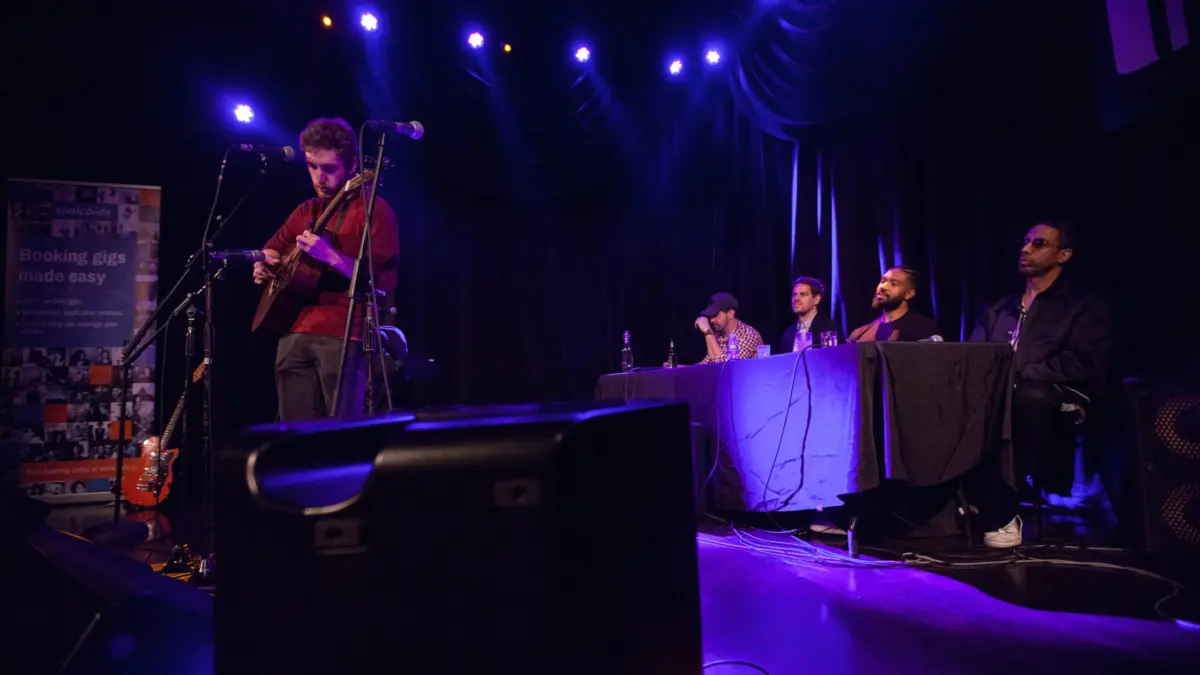
The global independent music market has undergone a seismic shift over the last decade, transitioning from a peripheral segment of the industry to a dominant force that generated approximately $1.2 billion in 2023, according to industry reports from MIDiA Research. As the barriers to entry for recording and distribution have effectively vanished, the primary challenge for the modern independent artist has shifted from production to visibility. With over 100,000 tracks uploaded to streaming platforms daily, the necessity for strategic networking and cross-disciplinary collaboration has never been more critical. Industry experts suggest that the most successful independent artists are those who view networking not as a peripheral social activity, but as a core business function designed to foster community-led growth and algorithmic discovery.
The Shift Toward Cross-Disciplinary Integration
The contemporary arts landscape is increasingly characterized by the blurring of lines between different creative disciplines. For the independent musician, local art events—ranging from gallery openings to experimental theater—provide a fertile ground for high-impact networking that transcends the traditional music venue circuit. Historically, the relationship between music and visual arts has been one of mutual benefit; however, in the digital age, this synergy is essential for content creation.
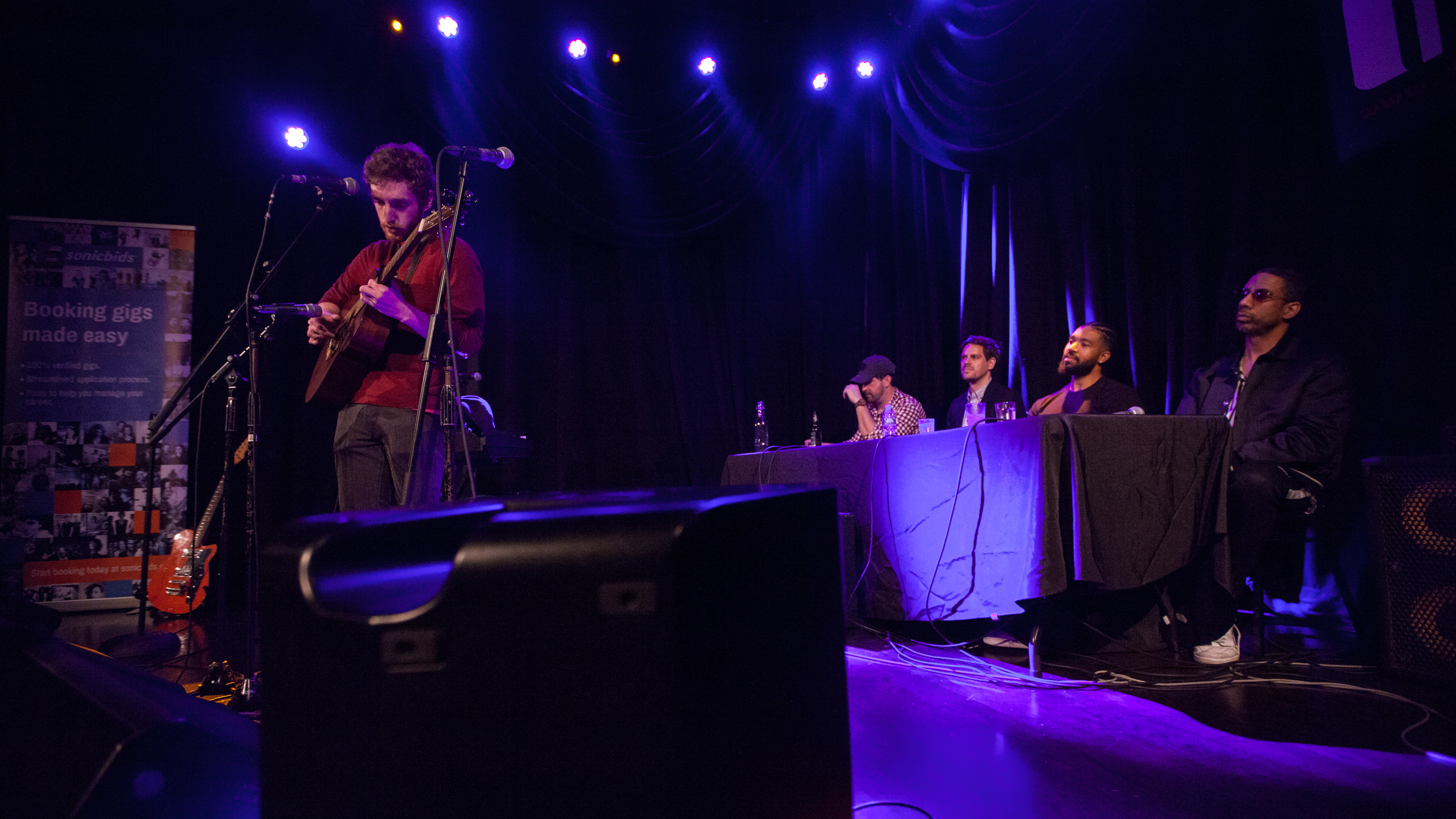
Data suggests that visual-audio integration leads to higher engagement rates on social media platforms. By attending local galleries or performance poetry events, musicians position themselves to meet visual artists, videographers, and directors who are often in need of original scores or atmospheric soundscapes for their installations. This "cross-pollination" allows musicians to tap into the existing audiences of other art forms, effectively doubling their reach with minimal financial investment. For instance, a collaboration between a local sculptor and a musician for a gallery opening creates a "multisensory experience" that attracts both art collectors and music enthusiasts, fostering a unique networking environment that a standard club gig cannot replicate.
Structured Collaborative Frameworks: The Rise of Workshops and Jam Sessions
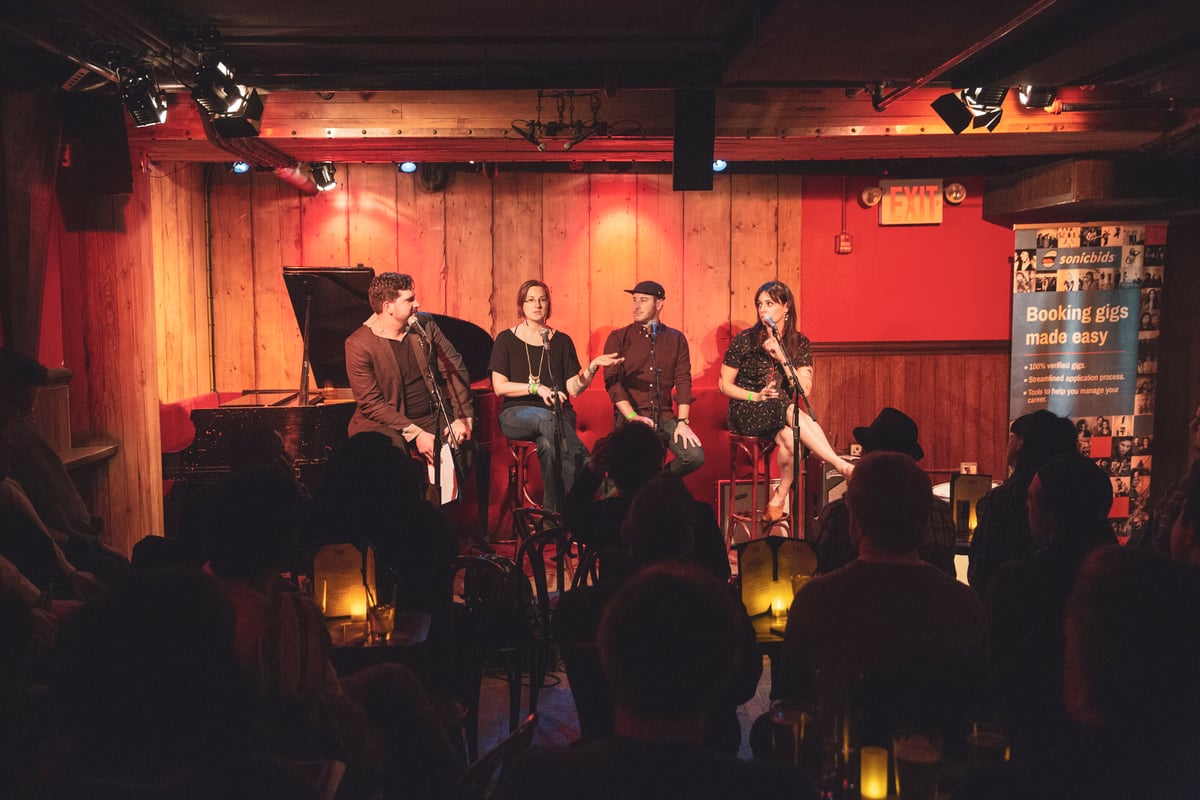
While organic networking remains valuable, there is a growing trend toward structured collaborative environments, such as the "Feedback Collective" panel discussions and songwriting workshops hosted by organizations like Sonicbids. These events represent a shift away from the "competitive" mindset of the 20th-century music industry toward a "co-opetition" model, where artists recognize that collective growth benefits the individual.
Chronologically, the rise of these workshops followed the decline of the traditional A&R (Artists and Repertoire) system. As labels stopped "developing" artists, the community stepped in to fill the void. By hosting jam sessions or workshops, an artist transitions from a passive participant to a community leader. This role allows for the curation of talent; a rock guitarist who facilitates a session involving a jazz saxophonist or an electronic producer is essentially performing the role of an executive producer. This diversification of sound is not merely an artistic choice; it is a strategic one. Collaborative tracks on platforms like Spotify allow artists to appear on each other’s "Release Radar," merging their respective fanbases and training the platform’s recommendation algorithms to associate their music with a wider variety of genres.
Digital Ecosystems Beyond Mainstream Social Media
While platforms like Instagram and TikTok are often cited as the primary tools for musician visibility, a deeper analysis of the digital landscape reveals that niche platforms are becoming more effective for professional networking. Sites such as BandLab, which recently surpassed 60 million users, and SoundCloud remain central to the collaborative process. These platforms are designed specifically for the "creator economy," offering tools for cloud-based DAW (Digital Audio Workstation) collaboration that allow musicians to work together regardless of geographical location.
The strategy of "creative engagement" on these platforms involves moving beyond the "follow-for-follow" mentality. Professional networking in this space is characterized by high-intent interaction, such as contributing a vocal hook to a producer’s unfinished track or offering a remix. This "active participation" model builds a portfolio of collaborative work that serves as a professional resume. Industry analysts point out that many of the breakthrough hits of the 2020s originated from these digital-first collaborations, where artists met via comments or direct messages on niche platforms before ever meeting in person.
The Economics of Volunteering and Event Infrastructure
One of the most overlooked avenues for professional advancement in the music industry is the utilization of volunteer roles at major festivals and industry conferences. This approach provides a "behind-the-curtain" perspective that is rarely available to the general public or even performing artists. Volunteers often work alongside event organizers, stage managers, and technical crews—the very individuals who make hiring decisions for future events.

A chronological look at the career trajectories of several mid-tier independent artists reveals a common pattern: initial entry into the festival circuit via non-performing roles. By volunteering, an artist gains access to the "Backstage Area," a high-density networking zone where industry gatekeepers are often more approachable than they are in a formal office setting. This environment facilitates the exchange of contact information and the building of rapport under the shared goal of event execution. Responses from festival organizers indicate that they are significantly more likely to book an artist who has previously demonstrated reliability and a positive attitude as a volunteer or staff member, as the professional relationship has already been established.
Leveraging Fanbase Intelligence for Professional Expansion
The final pillar of modern networking involves the strategic use of an existing fanbase. In the traditional model, fans were viewed as passive consumers; in the contemporary "superfan" economy, they are active participants and connectors. Utilizing surveys, polls, and direct engagement tools allows an artist to tap into the "collective intelligence" of their audience.
Data from platforms like Patreon and Discord show that fans often have direct links to other creative professionals. For example, a fan who works in a marketing agency or a local radio station can provide a "warm introduction" that would be impossible for an artist to secure through cold outreach. Furthermore, asking a fanbase which artists they would like to see a collaboration with provides valuable market research. If a significant portion of a musician’s audience also follows a specific local singer, a collaboration between the two is statistically more likely to succeed due to the existing overlap in listener demographics. This audience-driven networking ensures that collaborative efforts are aligned with the interests of the people who provide the financial support for the artist’s career.

Broader Impact and Industry Implications
The implications of these networking strategies extend beyond individual career growth; they are reshaping the structure of the music economy. The decentralization of the industry means that the "middle-class artist" is becoming a viable reality. By utilizing local art events, structured workshops, niche digital platforms, volunteering, and fan engagement, independent musicians are building a resilient infrastructure that does not depend on the whims of a major label.
Fact-based analysis suggests that this shift toward community-based networking is a response to the "loneliness epidemic" in the digital age. As more music is produced in isolation in home studios, the craving for physical community and collaborative energy becomes a market driver. Events like the Sonicbids Feedback Collective fulfill a dual role: they provide the professional critique necessary for artistic improvement while simultaneously creating the social bonds required for professional longevity.
In conclusion, the independent musician of 2024 is no longer just a creator of sound but a manager of relationships. The transition from a "soloist" mindset to a "collaborative" one is the defining characteristic of the modern music career. Those who master the art of the "unexpected connection"—whether through a chance meeting at a theater production or a strategic poll on a Discord server—are the ones who will navigate the complexities of the digital music landscape with the most success. Networking is no longer an intimidation to be feared, but a strategic toolkit to be utilized for the advancement of the arts as a whole.
