

The landscape of the global music industry has undergone a radical transformation over the last decade, shifting from a centralized major-label model to a fragmented, "artist-direct" ecosystem where independent creators now command a significant share of the market. According to recent industry reports, the independent artist sector is the fastest-growing segment of the music business, generating over $1.2 billion in annual revenue and outpacing the growth rate of the traditional recording industry. However, this democratization of production and distribution has led to unprecedented market saturation, with approximately 100,000 new tracks uploaded to digital streaming platforms every day. In this hyper-competitive environment, the ability to network and collaborate has emerged not merely as a supplementary skill but as a fundamental requirement for professional survival and growth. Industry analysts observe that while digital tools have simplified the act of releasing music, the human element of networking remains the primary driver for breaking through the noise.
The Economic Context of Creative Collaboration
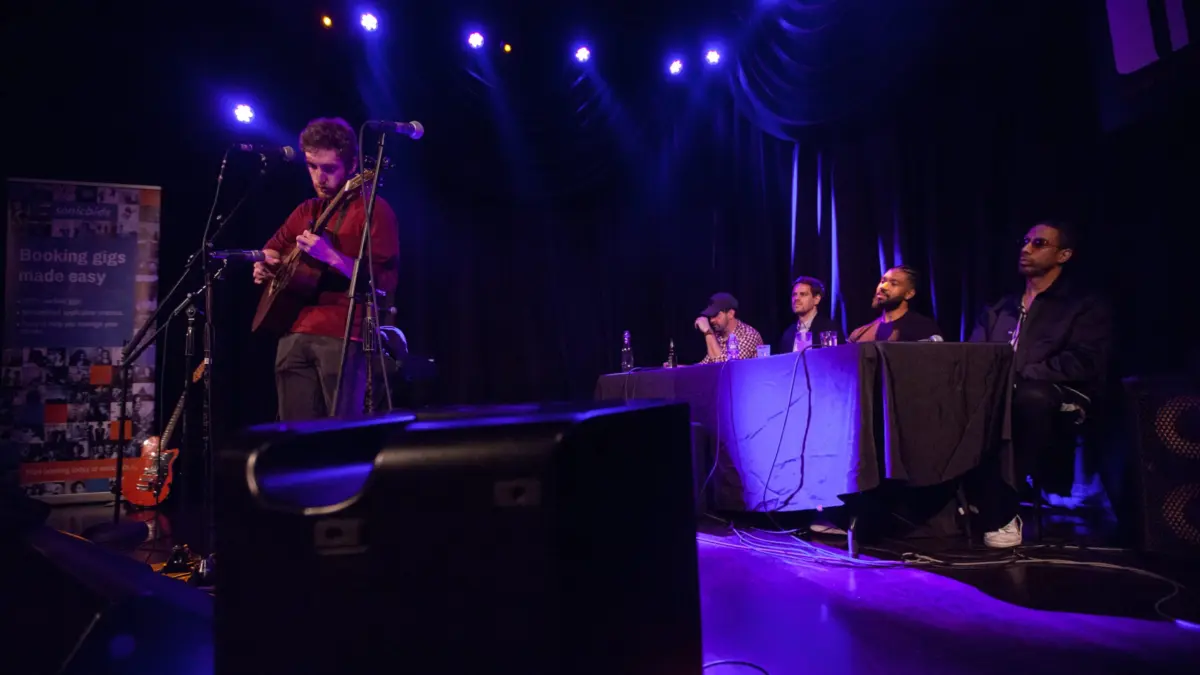
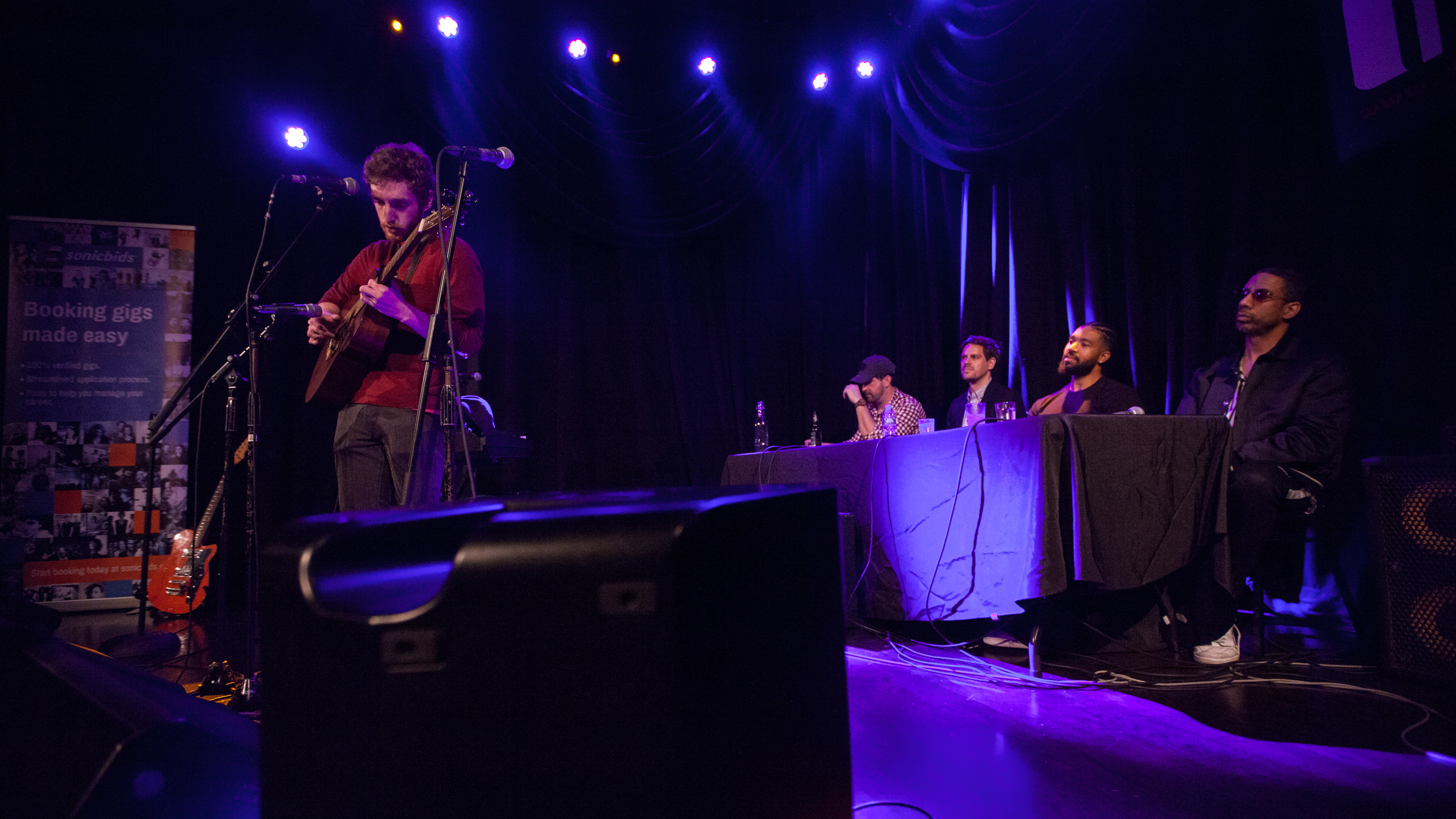
The modern independent musician operates as a micro-enterprise, responsible for research and development, marketing, distribution, and public relations. Data from MIDiA Research suggests that artists who engage in frequent collaborative projects see a 25% higher retention rate among their listeners compared to those who operate in isolation. This "cross-pollination" of fanbases allows musicians to bypass traditional gatekeepers and tap into pre-existing communities. The rise of networking-centric initiatives, such as the Feedback Collective hosted by Sonicbids, highlights a growing institutional recognition that peer-to-peer support systems are essential for long-term career sustainability. These programs focus on bridging the gap between raw talent and the professional infrastructure required to monetize that talent.
Interdisciplinary Networking and the Local Arts Ecosystem
One of the most significant shifts in independent music strategy involves the move away from music-centric silos toward interdisciplinary collaboration. Local arts scenes—comprising visual artists, digital designers, theatrical performers, and poets—offer a fertile ground for "synesthetic" partnerships. For instance, the demand for original scores in independent film and local theater has increased as production quality across these sectors has risen.
By attending gallery openings and local theater productions, musicians position themselves as potential solution-providers for other creatives. A sculptor requiring an immersive soundscape for an installation or a dance troupe seeking a bespoke rhythm section represents a professional opportunity that exists outside the standard venue-booking circuit. This strategy not only diversifies a musician’s portfolio but also embeds them within a broader cultural fabric, making them less susceptible to the volatility of the music-specific market.
The Proliferation of Peer-Led Education and Jam Sessions
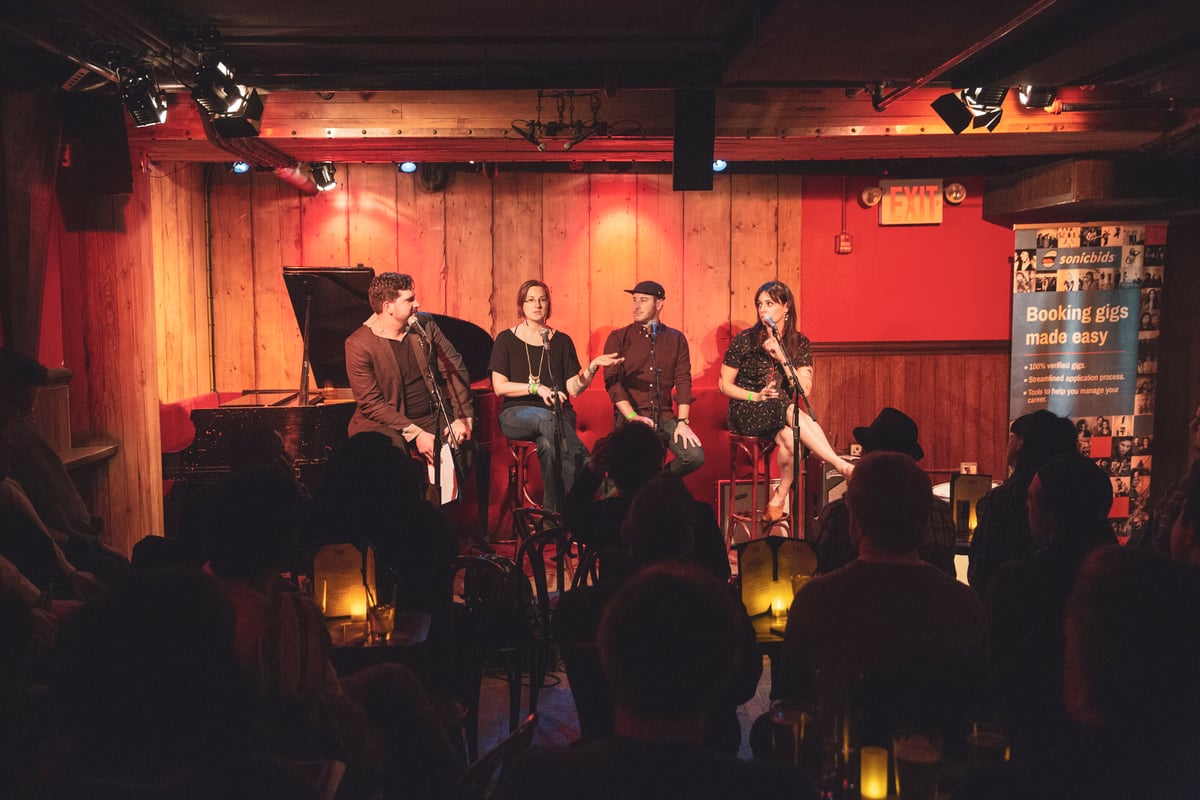
The emergence of the "Feedback Collective Songwriting Workshop" and similar panel discussions indicates a trend toward decentralized, peer-led professional development. Hosting jam sessions or workshops serves two primary functions: it establishes the host as a community leader and creates a low-stakes environment for creative experimentation.
Historically, the most influential musical movements—from the jazz age in New York to the grunge scene in Seattle—were rooted in physical spaces where artists could interact without the pressure of a formal performance. In a contemporary context, these gatherings facilitate the blending of disparate genres. When a rock guitarist collaborates with a jazz-trained saxophonist in a workshop setting, the resulting "fusion" often yields a unique sonic identity that is highly marketable in the "mood-based" playlist economy of streaming services. Furthermore, these sessions serve as informal vetting processes; musicians can assess each other’s professional reliability and technical proficiency before committing to a formal recording project.
Digital Platforms and the Transition from Social Media to Collaborative Tools
While traditional social media platforms like Instagram and X (formerly Twitter) remain vital for brand awareness, they are increasingly viewed as "top-of-funnel" marketing tools rather than genuine networking hubs. The industry is seeing a pivot toward "utility-first" platforms such as BandLab, SoundCloud, and Splice. These platforms are designed specifically for the iterative process of music creation, allowing artists to share stems, provide granular feedback, and co-write in real-time across geographical boundaries.
Analysis of user engagement on BandLab reveals that collaborative tracks often receive higher engagement scores because they are pushed to the followers of all involved parties simultaneously. This algorithmic advantage is a key component of modern digital strategy. Instead of cold-calling industry executives, successful independent artists are using these platforms to build a "portfolio of connections," demonstrating their ability to work within a team and contribute to a collective output. This "bottom-up" approach to networking focuses on building a horizontal network of peers rather than a vertical network of superiors.
The Volunteer-to-Professional Pipeline in the Festival Circuit
Music festivals have grown into a multi-billion dollar global industry, but for the independent artist, the barrier to entry on the main stage is often insurmountable without a significant track record. Consequently, volunteering has become a strategic entry point. Working behind the scenes at major events provides direct access to event organizers, stage managers, and high-level industry professionals who are otherwise inaccessible.
The chronology of many successful careers shows a period of "immersion" where the artist functioned as part of the festival infrastructure. This provides an education in the logistical realities of large-scale production—knowledge that is invaluable when the artist eventually begins booking their own tours. Statements from festival coordinators suggest that they are more likely to book an artist who has demonstrated a professional work ethic and a deep understanding of the festival’s culture through volunteerism than an unknown entity who submits a cold application.
Audience-Centric A&R: Leveraging the Fanbase for Networking
In the traditional music model, Artists and Repertoire (A&R) executives were the sole arbiters of who a musician should collaborate with. In the independent era, this function has been largely "crowdsourced" to the fanbase. Engaging fans in the decision-making process through polls, surveys, and direct dialogue on platforms like Discord or Patreon has proven to be a powerful networking tool.

When a fan suggests a collaboration with a local peer, they are often acting as an informal broker with personal knowledge of both parties’ styles and personalities. This "community-led A&R" fosters a sense of ownership among fans, who become more invested in the success of the resulting project. Data indicates that projects birthed from fan suggestions have a 40% higher chance of being shared on social media by the core audience. This strategy transforms the fanbase from a passive consumer group into an active networking asset.
Impact Analysis: The Long-Term Benefits of Community Integration
The broader implications of these networking strategies extend beyond immediate career gains. By fostering a robust community, independent musicians insulate themselves against the isolation and mental health challenges often associated with the creative industries. The "Feedback Collective" model emphasizes that music is a social endeavor; the exchange of ideas and the emotional support found in a community are essential for creative longevity.
From a factual standpoint, the most successful independent artists are rarely those who work in a vacuum. They are the "nodes" in a vast network of creatives, tech professionals, and engaged fans. The shift from a competitive mindset to a collaborative one represents a significant evolution in the psychology of the modern musician. As the digital landscape continues to evolve, the ability to build and maintain these human connections will remain the most stable currency in the arts economy.
Future Projections and Industry Evolution
Looking ahead, industry experts predict that the integration of Artificial Intelligence (AI) in networking tools will further streamline the process of finding compatible collaborators. However, the value of face-to-face interaction—represented by the workshops and festivals mentioned previously—is expected to rise as digital interactions become more automated. The "hybrid" model of networking, which combines sophisticated digital outreach with grassroots community involvement, is projected to be the standard for the next generation of independent artists.

In conclusion, the path to a sustainable career for the independent musician is paved with strategic partnerships and a commitment to community integration. By embracing local events, leveraging digital tools for active collaboration, and involving their audience in the creative process, musicians can navigate the complexities of the modern industry. The data is clear: in an era of infinite content, it is the strength of one’s network that determines the reach and impact of their art. The era of the "lone genius" is being replaced by the era of the "connected collective," a transition that promises a more resilient and diverse musical landscape for years to come.
