

The independent music sector has reached a critical juncture where creative output alone no longer guarantees commercial viability or professional growth in an increasingly saturated global market. As the barriers to entry for music production continue to lower, the emphasis has shifted toward strategic networking and collaborative synergy as the primary drivers of career longevity. Industry data suggests that independent artists now represent one of the fastest-growing segments of the music economy, yet many struggle to transition from isolated creators to integrated professionals. This transition requires a fundamental shift in how artists approach their local ecosystems, digital presence, and audience relationships. By adopting a multifaceted networking strategy, independent musicians can bypass traditional gatekeepers and build resilient, self-sustaining careers through community-driven initiatives.
The Evolution of Independent Music Networking
Historically, the trajectory of a musical career was largely dictated by a centralized industry structure composed of major labels, talent scouts, and high-budget marketing firms. However, the contemporary landscape is defined by the "creator economy," where decentralized networks and peer-to-peer collaborations form the backbone of the industry. According to recent market analysis, independent artists generated over $1.2 billion in 2023, a significant increase that underscores the power of self-distribution and grassroots promotion.
Within this context, networking is no longer a peripheral activity but a core professional competency. The challenge for many musicians lies in the intimidation factor associated with high-pressure industry events. To counter this, experts suggest a "community-first" approach, where networking is viewed as a mutual exchange of value rather than a transactional pursuit. This philosophy emphasizes the importance of building a diverse portfolio of connections that spans across various artistic disciplines and professional levels.
Multidisciplinary Integration: Beyond the Concert Hall
One of the most effective, yet often overlooked, methods for expanding a professional network is engaging with the broader local arts scene. While musicians naturally gravitate toward other musicians, the most innovative collaborations often occur at the intersection of different media. Visual art galleries, independent theaters, and performance poetry venues offer fertile ground for unique partnerships.
In a professional arts ecosystem, a sculptor or a painter may require a bespoke sonic environment for an exhibition, while a local theater company may lack the budget for licensed music but possesses a high demand for original scores. These interactions provide musicians with "asymmetric opportunities"—low-competition environments where their specific skills are highly valued. By attending local gallery openings or open mic nights for spoken word, musicians can position themselves as versatile collaborators. This multidisciplinary approach not only broadens the artist’s creative range but also exposes their work to the diverse audiences of their collaborators, effectively cross-pollinating fanbases.
The Rise of Interactive Learning and Feedback Collectives
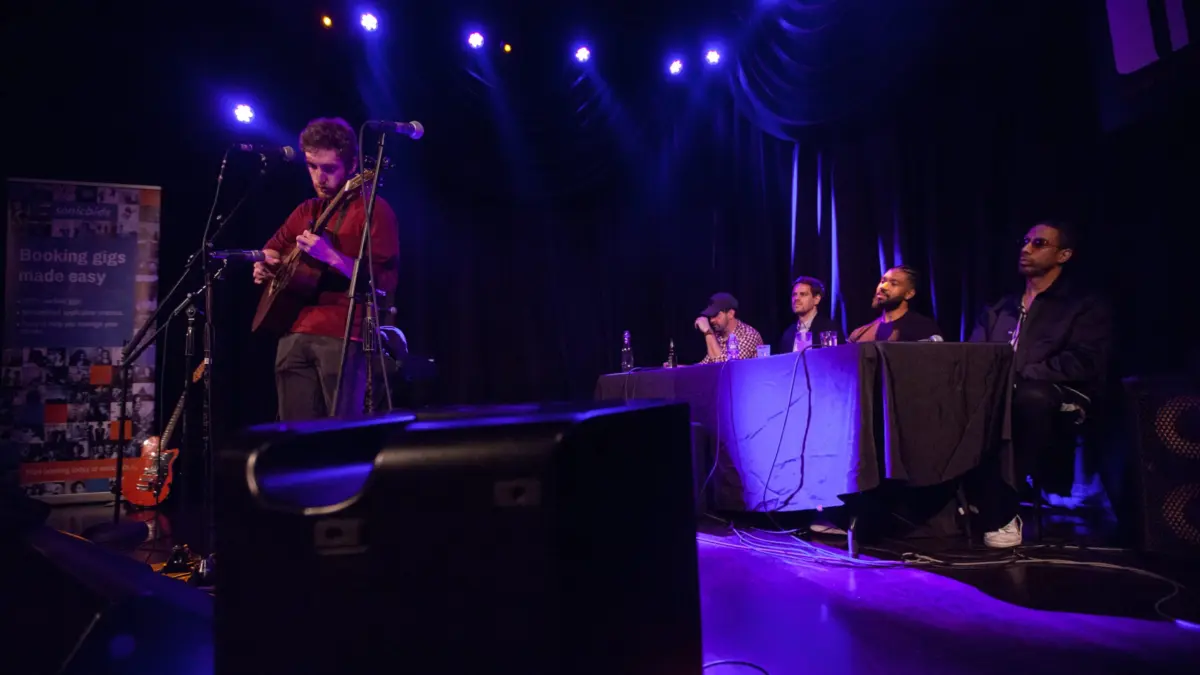
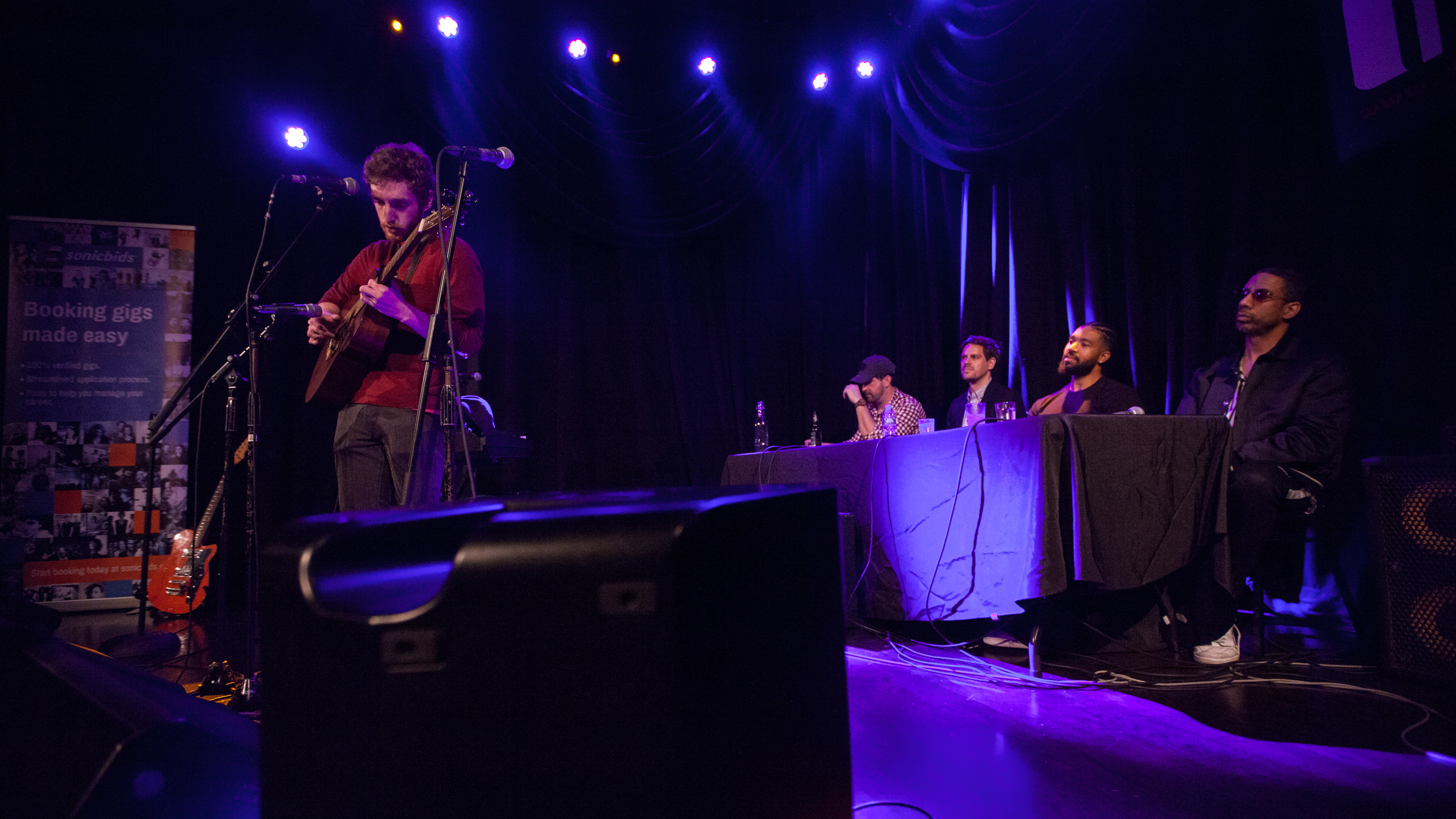
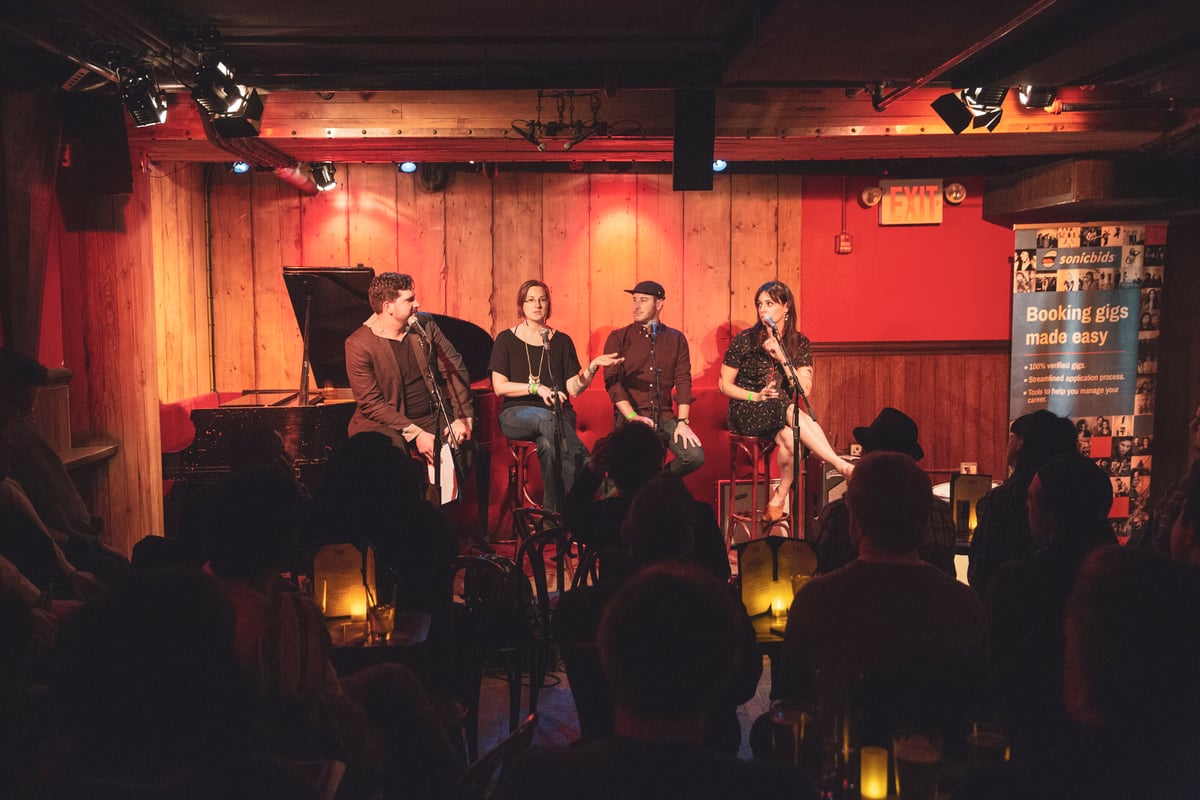
A significant trend in professional development is the move toward structured peer-to-peer learning. Initiatives such as the "Feedback Collective," often hosted by industry platforms like Sonicbids, demonstrate the value of organized workshops and panel discussions. These events serve a dual purpose: they provide high-level industry insights while creating a low-stakes environment for musicians to interact.
Hosting a jam session or a songwriting workshop is a proactive strategy to centralize talent. By taking the initiative to organize these events, a musician establishes themselves as a "node" or a leader within their local community. This role naturally attracts other serious professionals. For example, when a rock guitarist and a jazz saxophonist are brought together in a structured jam environment, the resulting fusion often leads to "happy accidents"—new sounds or genres that neither artist would have explored in isolation. Furthermore, these sessions act as a live portfolio, allowing artists to demonstrate their technical proficiency and interpersonal compatibility in real-time, which are essential factors when being considered for future tours or recording projects.
Digital Platforms and the Borderless Studio
While physical proximity remains a powerful networking tool, the digital landscape has evolved to support sophisticated, remote collaboration. While mainstream social media platforms like Instagram and TikTok are essential for audience reach, specialized platforms like BandLab and SoundCloud are designed for creative interaction. BandLab, for instance, reported over 60 million users by 2023, highlighting a massive global community of creators who use the platform’s cloud-based Digital Audio Workstation (DAW) to collaborate on tracks across different continents.
The strategic use of these platforms involves more than just uploading finished content. It requires active engagement with the works-in-progress of others. By providing constructive, professional feedback on tracks and proposing specific collaborative ideas—such as offering to provide a vocal hook or a drum track—musicians can build a global network of peers. This "borderless studio" model allows for a 24-hour creative cycle, where an artist in London can collaborate with a producer in Tokyo, significantly increasing the volume and variety of their output.
Strategic Entry Points: The Role of Event Volunteering
For many emerging artists, the cost of attending major music festivals and industry conferences can be prohibitive. Volunteering offers a strategic "backdoor" into these high-value environments. By working in logistics, artist relations, or stage management, musicians gain a behind-the-scenes understanding of how the industry operates at scale.
The chronology of a successful volunteer experience often begins months before the event, with the application and vetting process. Once on-site, the volunteer is immersed in a high-pressure environment where they work alongside event organizers, sound engineers, and established artists. This proximity provides organic opportunities for networking that are rarely available to the general public. Industry veterans often note that the most reliable collaborators are those they meet in the "trenches" of event production. A musician who demonstrates reliability and a positive work ethic as a volunteer is often viewed more favorably than one who simply hands out business cards at a bar.

The Fanbase as a Networking Catalyst
Modern music marketing emphasizes the "1,000 True Fans" theory, but the role of the fan as a networking agent is frequently undervalued. A loyal fanbase is not just a source of revenue; it is a vast, decentralized network of individuals with their own professional connections. By directly engaging fans through polls, surveys, or interactive social media sessions, musicians can tap into this resource.
For instance, an artist may ask their followers for recommendations on local videographers or graphic designers. Often, fans who are professionals in these fields, or who have close connections to them, will step forward. This "fan-led networking" creates a deeper sense of community and investment. When a fan facilitates a connection that leads to a successful collaboration, they become an advocate for the artist’s brand. This strategy transforms the audience from passive consumers into active participants in the artist’s career trajectory.
Economic Analysis and Long-term Career Implications
The long-term impact of these networking strategies is reflected in the increased sustainability of the independent sector. Data from the International Federation of the Phonographic Industry (IFPI) suggests that while the "superstar" tier of the industry remains lucrative, the "middle class" of musicians is increasingly composed of independent artists who manage their own networks.
The economic benefit of collaboration is measurable through streaming analytics. Collaborative tracks typically appear on the algorithmic playlists of both artists, doubling the potential for discovery. Furthermore, by sharing the costs of production and marketing through partnerships, independent musicians can achieve a higher Return on Investment (ROI) than those who attempt to fund every aspect of their career solo.

The broader implication for the music industry is a shift toward a more equitable and diverse landscape. As musicians become more proficient at networking outside of traditional channels, the power of central gatekeepers diminishes. This leads to a more vibrant cultural output where niche genres can find sustainable audiences through interconnected communities.
Conclusion: The Professional Imperative of Connection
Networking and collaboration are no longer optional extras for the independent musician; they are fundamental requirements for professional survival. The transition from a solitary creator to a networked professional involves a commitment to local engagement, digital collaboration, and strategic participation in industry events. By viewing every interaction—whether with a fan, a fellow artist, or an event organizer—as a potential partnership, musicians can build a robust infrastructure for their art.
The success of the modern independent musician is measured not just by the quality of their recordings, but by the strength of the community they build around their work. As the industry continues to evolve, those who embrace these multifaceted networking strategies will be best positioned to navigate the challenges and seize the opportunities of the digital age. The path forward is collaborative, and the most successful artists will be those who recognize that their greatest asset is the network they cultivate.
