

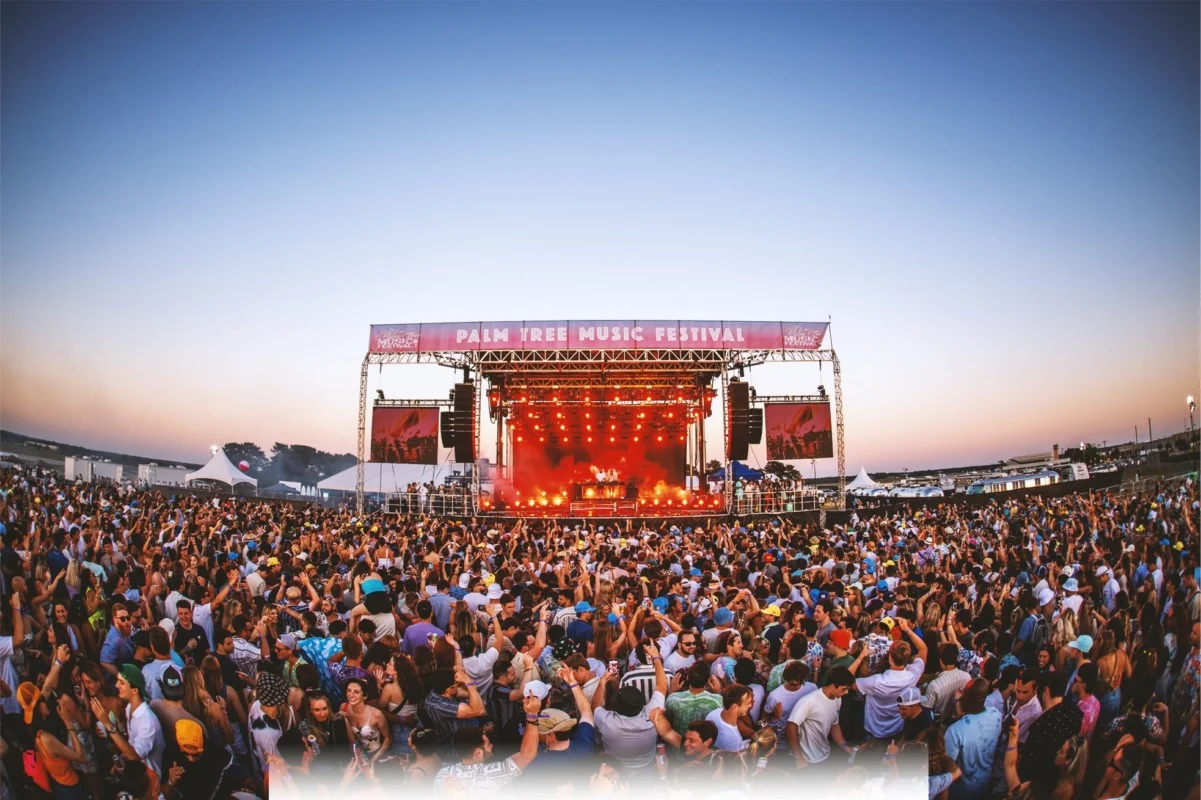
The live entertainment industry, particularly the festival sector, has navigated a turbulent landscape in recent years. Escalating production costs, the specter of cancellations, and evolving consumer spending patterns have presented significant headwinds for ticket sales. Even well-established events have grappled with increased difficulty in attracting attendees, leading many to pour greater resources into paid advertising campaigns aimed at capturing an increasingly elusive audience. However, one innovative company is demonstrating a potent alternative, proving that the most effective sales force for live events lies not in digital algorithms, but in the passionate fans themselves, when properly empowered.
This paradigm shift is spearheaded by Surge, an ambassador-driven marketing platform co-founded by 28-year-old Alex Hilburn. The company’s foundational principle is elegantly simple: engaged fans, when provided with the right tools and incentives, possess an unparalleled ability to drive sales that traditional advertising methods cannot replicate. Rather than relying on extensive paid media budgets or conventional street teams, Surge cultivates and mobilizes a vast network of over 10,000 ambassadors. These individuals are not merely marketers; they are authentic fans deeply embedded within the specific cities, cultural scenes, and musical genres that their represented events cater to. Surge equips them with the necessary resources to effectively promote and sell tickets to the very festivals and experiences they are already enthusiastic about.
The tangible results of this fan-centric approach have been nothing short of remarkable, rapidly drawing attention from major players in the live event space. What began as a passion project among friends blossomed into a significant commercial success, generating over $6 million in ticket sales within its inaugural year alone. This impressive figure translates to more than 35,000 tickets sold, averaging approximately $115,000 in weekly sales during that initial period. This rapid ascent and demonstrable impact have fostered trust among some of the most prominent names in the festival circuit. Surge’s client roster reads like a who’s who of premier live entertainment, featuring esteemed events such as Ultra Europe, Kygo’s Palm Tree Music Festival, Hotel EDC, Shaq’s Bass All Stars, Yacht Week, Windy City Smokeout, Dave Portnoy’s One Bite Pizza Festival, and Bert Kreischer’s Full Throttle Festival. Looking ahead, Surge has already secured over $6 million in confirmed sales for 2026 and is confidently projected to surpass $10 million in total sales by the close of the current year, underscoring sustained and accelerating growth.
A New Frontier in Fan Engagement and Revenue Generation
For the festivals partnering with Surge, the benefits extend far beyond the immediate financial metrics. The data indicates that these dedicated ambassadors frequently account for up to 30 percent of total ticket sales for individual events. This significant contribution has prompted a strategic re-evaluation among clients, with many now viewing Surge not as a supplementary marketing tactic, but as a core channel for sustained growth. In an economic climate where consumers are increasingly discerning about their discretionary spending, this community-driven model offers these events a rare commodity: a sense of stability and predictable revenue streams.
The Philosophy of Simplicity and Authentic Connection
Alex Hilburn, the driving force behind Surge, has dedicated his career to developing and refining these engagement systems, having been instrumental in generating over $20 million in festival ticket sales throughout his professional journey. His philosophy for success is rooted in an unwavering commitment to simplicity. "With these programs, the mistake most brands make is over-engineering the system or turning it into a data grab," Hilburn explains. "We focus on people who already love the event and give them simple tools to activate their communities. When that happens, sales follow naturally."
This emphasis on natural sales progression is a critical differentiator, particularly in an industry where the collection and monetization of attendee information have become pervasive. Unlike platforms that prioritize data acquisition, Surge operates on a fundamentally different principle: it collects zero fan data. This intentional approach ensures that the direct relationship between the ambassador, the fan, and the event remains pure and uncompromised, preserving the organic nature of engagement. This data-free model stands in stark contrast to the prevailing trend in the industry, where fan data is often treated as a primary commodity.
Empowering a New Generation of Ticket Sellers
Furthermore, Surge is actively creating meaningful income opportunities for its ambassadors. A significant portion of this network comprises Gen Z individuals, many of whom are students engaged through a college network that spans over 400 universities nationwide. These young fans are compensated for sharing their enthusiasm for events they would likely be discussing and promoting organically within their social circles anyway. This creates a mutually beneficial ecosystem: festivals gain access to a highly motivated and effective sales force that no traditional advertising campaign can truly replicate, while fans are rewarded for their genuine passion and influence.
A Movement Towards Trust and Community in Live Events
With Surge now surpassing the $10 million mark in total ambassador-led sales, its trajectory into its second year strongly suggests a broader, fundamental shift in how the live events industry approaches growth and audience acquisition. The undeniable success of Surge underscores a burgeoning trend where trust, authentic community engagement, and genuine word-of-mouth recommendations are increasingly eclipsing the efficacy of purely digital clicks and impressions. Surge is not merely a marketing platform; it is at the forefront of this transformative movement, reshaping the future of fan engagement and revenue generation in the dynamic world of live entertainment.
The Evolving Festival Landscape: Challenges and Opportunities
The festival industry has long been a vibrant cornerstone of the entertainment world, offering unique experiences that foster connection and shared memories. However, the past half-decade has presented unprecedented challenges. The global pandemic forced widespread cancellations, leading to significant financial losses and a period of intense introspection for organizers. As live events began to rebound, a new set of economic pressures emerged.
Rising Production Costs: The expenses associated with staging large-scale festivals, from artist fees and stage production to security and logistical management, have seen a substantial increase. Inflationary pressures have exacerbated these costs, forcing organizers to carefully scrutinize budgets and seek more efficient operational models.
Shifting Consumer Behavior: In the wake of economic uncertainties, consumers have become more deliberate in their spending. This means that entertainment choices, including festival attendance, are often subject to more rigorous evaluation. Disposable income may be redirected towards experiences perceived as offering higher value or more personal relevance.
The Digital Advertising Arms Race: In response to these challenges, many festivals have ramped up their investment in digital advertising. Targeted ads on social media platforms, search engine marketing, and influencer collaborations have become standard practice. However, this has led to an increasingly crowded and competitive digital space, often driving up the cost of customer acquisition and diminishing the return on investment for many. The constant pursuit of the same demographics through similar channels has created a cycle of diminishing returns for some.

Surge’s Innovative Solution: Harnessing the Power of the Fan
Against this backdrop, Surge’s model offers a compelling alternative. By focusing on empowering existing fans, the platform taps into a deeply ingrained human desire for belonging and shared enthusiasm. This approach leverages several key advantages:
Authenticity and Trust: Recommendations from friends and peers, particularly those who share similar interests, carry a weight that paid advertising often struggles to achieve. Ambassadors, being genuine fans, can speak with an authenticity that resonates more deeply with potential attendees.
Targeted Reach: The network of Surge ambassadors is inherently segmented by genre, location, and interest. This allows for highly targeted promotion, reaching audiences that are already predisposed to the event’s offerings, rather than broad, untargeted campaigns.
Cost-Effectiveness: While there are costs associated with compensating ambassadors and providing them with tools, the overall cost of acquisition through this channel can be significantly lower than traditional paid media, especially when considering the high conversion rates.
Community Building: Surge’s model actively fosters a sense of community around the events it promotes. Ambassadors become integral parts of the event’s ecosystem, contributing to its buzz and excitement even before it begins.
A Deeper Dive into Surge’s Impact
The success of Surge is not just anecdotal; it’s backed by quantifiable data and a growing list of satisfied clients. For instance, the substantial portion of ticket sales driven by ambassadors (up to 30%) highlights the significant impact of this grassroots approach. This means that for every ten tickets sold, three might be attributed directly to the efforts of a passionate fan. This level of contribution can be game-changing, especially for events that operate on tighter margins or are looking to expand their reach into new markets.
The fact that clients are increasingly viewing Surge as a "core growth channel" rather than a "supplemental tactic" is a testament to its effectiveness. This indicates a strategic shift in how festival organizers are thinking about their marketing investments. Instead of viewing ambassador programs as an add-on, they are now recognizing them as fundamental to their overall growth strategy. This evolution in perspective is crucial for long-term sustainability and resilience in the ever-changing entertainment landscape.
The Broader Implications: A Future Built on Trust and Connection
The success of Surge signifies a potential paradigm shift in how the broader live entertainment industry approaches marketing and audience engagement. In an era where digital fatigue is a growing concern and consumers are increasingly skeptical of overt advertising, the power of genuine connection and trusted recommendations is becoming paramount.
The Future of Event Marketing: Surge’s model suggests that the future of event marketing lies in nurturing and empowering authentic fan communities. This could lead to a greater emphasis on community management, influencer marketing that prioritizes genuine passion over transactional relationships, and loyalty programs that reward engaged fans.
Data Privacy and Consumer Trust: Surge’s commitment to a data-free model is particularly noteworthy. As concerns about data privacy continue to grow, companies that can demonstrate a respect for consumer privacy while still delivering effective marketing solutions will likely gain a competitive advantage. This approach builds a stronger foundation of trust between the event, the fan, and the platform facilitating the connection.
Economic Empowerment: The creation of income streams for ambassadors, particularly young individuals, offers a valuable economic opportunity. This not only benefits the ambassadors themselves but also strengthens the connection between them and the events they promote, fostering a sense of ownership and investment.
As Surge continues to expand its reach and influence, its model serves as a compelling case study for the live entertainment industry. By prioritizing authenticity, community, and the power of the fan, Surge is not just selling tickets; it is building lasting relationships and demonstrating a more sustainable and effective path to growth in the dynamic world of live events. The industry, once heavily reliant on traditional advertising, is beginning to recognize that sometimes, the most powerful voice is the one that comes from a genuine fan.
