

The 2026 FIFA Men’s World Cup, jointly hosted by the United States, Canada, and Mexico, has ushered in an era of unprecedented commercial integration and entertainment spectacle, significantly redefining the traditional tournament experience. This shift, colloquially termed "Americanization," extends beyond the selection of host cities to the very fabric of the game presentation, most notably with the introduction of Super Bowl-style halftime entertainment and the commercialization of in-game breaks. As the tournament approached its crescendo with Sunday’s final match between Spain and defending champions Argentina at New Jersey’s MetLife Stadium, these innovations have sparked considerable debate among football purists and proponents of broader global appeal.
The Inaugural World Cup Final Halftime Show: A Star-Studded Extravaganza
Central to this transformative approach is the decision to feature an all-star halftime show during the World Cup Final, a direct emulation of the highly successful and globally watched Super Bowl halftime spectacle. This year, Coldplay’s Chris Martin took on the role of curator for the inaugural event. The lineup, initially announced to include global icons Madonna, Shakira, and K-pop sensation BTS, was further augmented with the additions of pop superstar Justin Bieber and Nigerian Afrobeats sensation Burna Boy, promising a truly international fusion of musical talent. This star-studded assembly is poised to deliver a performance designed to captivate a diverse global audience, far beyond traditional football enthusiasts.
FIFA President Gianni Infantino has enthusiastically endorsed the initiative, describing the halftime show as a "groundbreaking spectacle" that will "celebrate football, music, and our shared values, ensuring a legacy that transcends the final whistle." This statement underscores FIFA’s ambition to broaden the World Cup’s appeal, positioning it not merely as a sporting event but as a comprehensive global entertainment phenomenon. The Final itself is scheduled to kick off on Sunday at 3 p.m. ET, with the halftime show expected to commence shortly after 4 p.m. ET, marking a distinct pause in the sporting narrative for a cultural interlude.
Beyond Entertainment: The Broader Scope of "Americanization"
The integration of a Super Bowl-esque halftime show is but one facet of a broader strategy aimed at enhancing the commercial viability and global entertainment value of the World Cup. Another significant shift observed during the tournament has been the transformation of mandatory hydration breaks into prime advertising opportunities. Traditionally implemented for player welfare in demanding conditions, these breaks now frequently feature commercial advertisements, blurring the lines between player needs and corporate sponsorship. This commercial re-imagining of in-game pauses reflects a strategic move to maximize advertising revenue and audience engagement across all available segments of the broadcast.
The decision to award the 2026 World Cup hosting rights to the United States, Canada, and Mexico under the "United 2026" bid was itself a testament to the commercial imperatives driving FIFA. The North American market, particularly the United States, represents an enormous untapped potential for football, both in terms of fan base growth and revenue generation. The bid emphasized state-of-the-art infrastructure, a robust commercial ecosystem, and a proven track record in hosting large-scale events, all factors that promised unprecedented financial returns for FIFA. While discussions around FIFA’s organizational integrity have historically surfaced, these recent developments are distinctly rooted in a proactive commercial strategy designed to leverage the vast entertainment industry expertise and market reach of the host nations.
Robert Smith’s Scathing Critique and the Purist Backlash
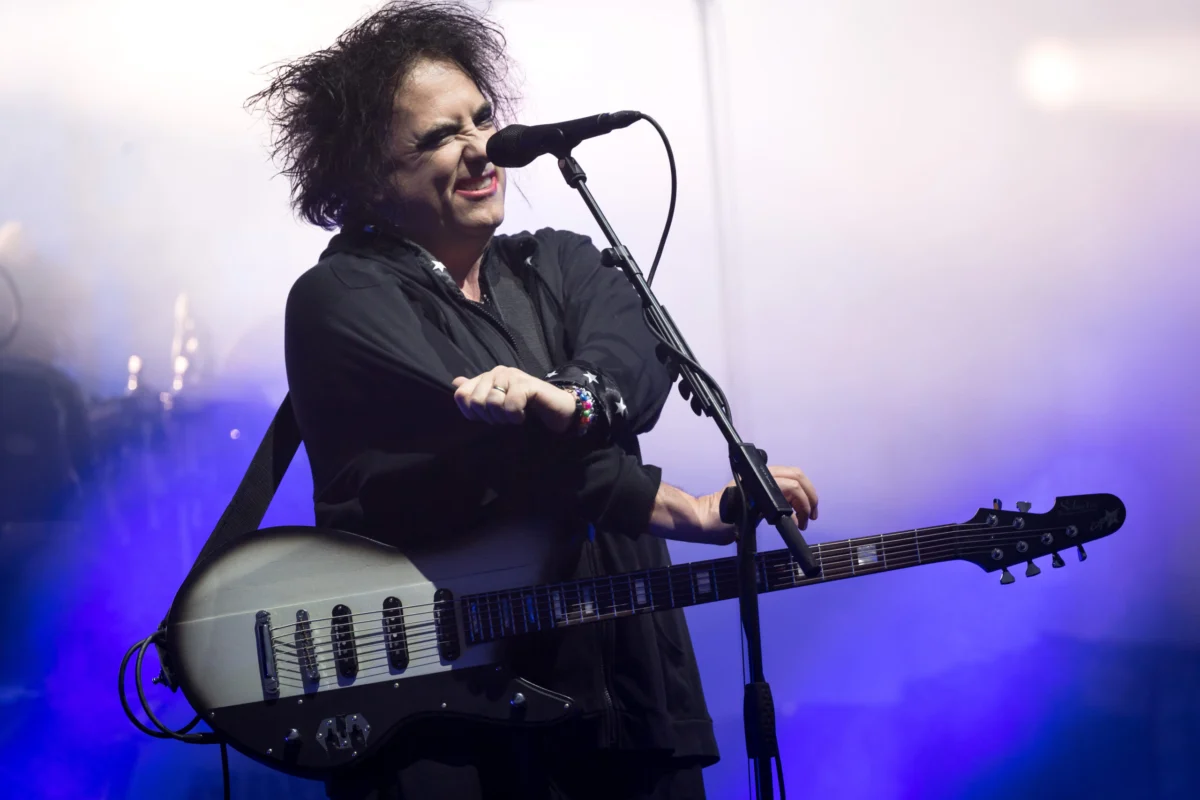
While FIFA and many commercial partners laud these innovations, the reception from within the traditional football community has been decidedly mixed, with many expressing concern over the perceived dilution of the sport’s core essence. A prominent voice in this critical chorus is Robert Smith, the iconic frontman of The Cure. The official Instagram account of The Cure shared the description of the halftime show, detailing the roster of performers and President Infantino’s glowing remarks. Accompanying this factual description, Smith offered his concise yet scathing commentary: "AAAAAAAAAAAAAAAAAAGH… #Breadandcircuses #MUGWANK #pleasejustfuckoff."
Smith’s reaction, characterized by an visceral outcry and pointed hashtags, encapsulates the frustration felt by many traditional football supporters. The term "bread and circuses," originally a Roman phrase referring to a superficial means of appeasement, powerfully conveys the sentiment that genuine sporting spectacle is being overshadowed by elaborate, commercially driven entertainment. As a lifelong supporter of the English club Queens Park Rangers, Smith’s passion for football is well-documented. His strong reaction could also be subtly influenced by England’s recent collapse in the semi-final against Lionel Messi’s Argentina, a match that left his compatriot and occasional collaborator Mick Jagger visibly dejected. This context highlights the deep emotional connection many fans have to the sport, a connection they feel is being undermined by excessive pageantry.
The debate sparked by these changes pits the proponents of football as a pure sport against those who see its future in broader entertainment integration. Traditionalists argue that the integrity of the game is paramount and that elaborate halftime shows and extended commercial breaks disrupt the flow and atmosphere of a match. They fear that the sport risks losing its unique cultural identity by adopting elements from other entertainment formats. Conversely, advocates for the new approach contend that such innovations are necessary to attract new, younger demographics, particularly in markets where football is still growing. They believe that a more diverse entertainment offering can elevate the World Cup to an even grander global platform, increasing its overall reach and cultural impact.
Commercial Imperatives and Global Market Expansion
The strategic decision to infuse the FIFA World Cup with American-style entertainment is underpinned by significant commercial imperatives. The Super Bowl’s halftime show, for instance, is not merely an entertainment segment; it is a meticulously planned commercial behemoth. It routinely draws over 100 million viewers in the United States alone, generating immense advertising revenue and providing unparalleled global exposure for the performing artists and associated brands. FIFA, recognizing this model’s success, aims to replicate and globalize it.
The United States represents a particularly lucrative market for FIFA. With its vast consumer base, advanced media infrastructure, and a growing interest in soccer (as it is known there), the potential for revenue generation through broadcasting rights, sponsorship deals, and merchandise sales is astronomical. Integrating a high-profile halftime show significantly increases the appeal to non-traditional football viewers, drawing in audiences who might tune in primarily for the music and celebrity factor. This expanded viewership, in turn, drives up the value of advertising slots and sponsorship packages, providing a substantial financial boost for FIFA and its commercial partners. Data from previous major sporting events demonstrates that major cultural performances can significantly increase viewership and social media engagement, translating directly into enhanced brand visibility and revenue streams for all stakeholders. This strategic pivot is a clear signal of FIFA’s intent to maximize its global commercial footprint and position the World Cup as a premier event not just in sports, but in the broader entertainment landscape.
Historical Context and Future Trajectory
Historically, World Cup ceremonies have primarily been confined to elaborate opening and closing events, with the actual matches featuring minimal mid-game interruptions beyond regulatory hydration or injury breaks. The idea of a significant entertainment interlude during the final match itself is a marked departure from this tradition. While previous World Cups have featured official tournament songs and performances by international artists, these have typically been ancillary to the competition rather than integrated into the live match broadcast in such a direct and prominent manner.
This shift raises pertinent questions about the future trajectory of international football tournaments. Will this "Americanization" become a permanent fixture, influencing future World Cups and potentially other major continental competitions like the UEFA European Championship or the Copa América? The commercial success of this model, if it materializes as anticipated, could set a new precedent for how global sporting events are conceptualized and executed. However, it also opens a broader debate on the delicate balance between preserving sporting tradition and embracing modern entertainment trends.
For players, the implications might include longer halftime breaks, potentially affecting their rhythm and recovery, though this would likely be managed by sports scientists. For fans, the experience will undeniably be different, offering a more multifaceted event that blends high-stakes football with global pop culture. The success or failure of this inaugural halftime show, both in terms of viewership and fan reception, will undoubtedly shape FIFA’s strategy for future tournaments.
The Final Countdown and the Evolving Landscape of Global Sports
As Spain and Argentina prepare to contest the World Cup Final, the focus remains primarily on the sporting drama unfolding on the pitch. The clash between two footballing titans, each vying for global supremacy, is the ultimate draw. Yet, this year’s final will be remembered not only for its athletic prowess but also for the ambitious steps taken to transform the World Cup into an unparalleled global entertainment spectacle. The introduction of the Super Bowl-style halftime show and the commercialization of in-game breaks signify a profound evolution in how FIFA perceives and markets its flagship event.
This transformation reflects a wider trend in global sports, where traditional boundaries between athletic competition and mass entertainment are increasingly blurring. As sports organizations seek to expand their reach, attract new audiences, and maximize revenue in an ever-competitive media landscape, the integration of pop culture elements becomes an increasingly attractive strategy. The 2026 FIFA Men’s World Cup, with its "Americanized" flavor, serves as a pivotal moment in this ongoing evolution, setting a new benchmark for how global sporting events can engage, entertain, and commercialize on an unprecedented scale, all while navigating the passionate and often polarized reactions of its diverse global audience.
