

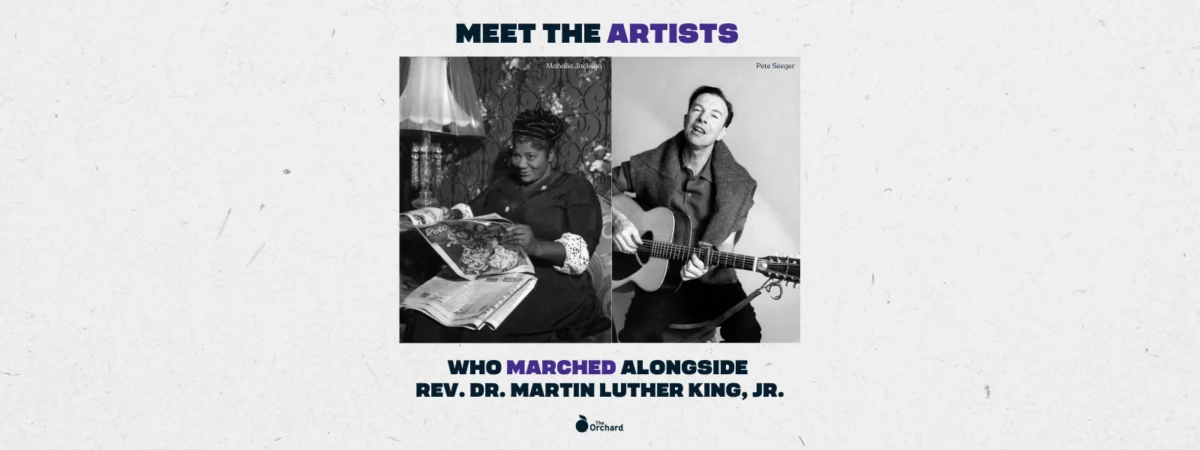
The observance of Rev. Dr. Martin Luther King, Jr. Day of Service on January 19, 2026, prompts a timely reflection on the profound impact of artistic expression and activism during the Civil Rights Movement. Beyond the powerful oratory of Dr. King, the movement was amplified and sustained by the voices and artistry of individuals like gospel icon Mahalia Jackson and folk legend Pete Seeger. Their contributions, both on and off stage, served as a crucial soundtrack and a moral compass, bolstering the spirit of those who marched for equality and justice. Exploring their legacies offers a deeper understanding of the multifaceted nature of the struggle for civil rights.
The Sonic Backbone of a Movement
The Civil Rights Movement, a pivotal era in American history spanning roughly from the mid-1950s to the late 1960s, was characterized by widespread nonviolent protests against racial segregation and discrimination. Central to its success was a vibrant cultural landscape where music played an indispensable role. Songs of freedom, hope, and solidarity became anthems that galvanized participants, provided solace in the face of adversity, and communicated the movement’s message to a national and international audience. Organizations like the Southern Christian Leadership Conference (SCLC), founded in 1957 with Dr. King as its president, frequently leveraged the power of music in their rallies, marches, and fundraising efforts. This strategic use of music was not merely entertainment; it was a form of communication, community building, and psychological warfare against the oppressive forces of segregation.
The impact of these artists extended far beyond mere performance. They were deeply intertwined with the fabric of the movement, offering personal support, financial assistance, and unwavering moral backing to Dr. King and his allies. Their willingness to lend their platforms and their voices to the cause lent legitimacy and visibility to the struggle, drawing wider attention and support. The music they created and performed became ingrained in the collective memory of the era, continuing to inspire movements for social justice today.
Mahalia Jackson: The "Queen of Gospel" and a Confidante of Dr. King
Mahalia Jackson, widely regarded as one of the most influential gospel singers of the 20th century, was not just a performer for the Civil Rights Movement; she was a close confidante and staunch supporter of Rev. Dr. Martin Luther King, Jr. Her powerful and emotive voice resonated with a spiritual depth that deeply connected with the aspirations and struggles of African Americans. Jackson’s performances were often scheduled to precede Dr. King’s sermons, building an atmosphere of spiritual readiness and communal resolve before he addressed the crowd. Her presence at SCLC fundraisers was instrumental in securing crucial financial support for the organization’s vital work.
Jackson’s most indelible contribution to the movement, however, occurred on August 28, 1963, during the historic March on Washington for Jobs and Freedom. As Dr. King delivered his iconic "I Have a Dream" speech from the steps of the Lincoln Memorial, Jackson, positioned on the dais, sensed the profound impact of his words and the collective yearning of the quarter-million people gathered. In a moment that has since become legendary, she famously called out, “Tell them about the dream, Martin!” This impassioned interjection is widely believed to have prompted Dr. King to deviate from his prepared remarks and launch into the extemporaneous, powerful, and enduring "I Have a Dream" section of his speech. This unplanned but powerful exchange highlights the symbiotic relationship between the artistic and the oratorical forces driving the movement, demonstrating how artistic intuition could amplify historical moments.
The impact of Jackson’s encouragement on Dr. King’s speech cannot be overstated. The "I Have a Dream" section, with its vivid imagery and profound articulation of racial equality, became the emotional and rhetorical core of the speech, resonating globally and becoming a defining moment of the Civil Rights Era. Jackson’s own discography, filled with spirituals and gospel hymns, served as a constant source of strength and inspiration for activists. Songs like "Move On Up a Little Higher" and "Precious Lord, Take My Hand" became anthems of resilience and faith for those facing immense hardship and danger. Smithsonian Folkways, a renowned archive of American folk music and cultural heritage, has been instrumental in preserving and disseminating the works of artists like Mahalia Jackson, ensuring their music continues to educate and inspire. Their extensive catalog offers a rich resource for understanding the musical landscape of the Civil Rights Movement.
Pete Seeger: A Folk Bard of Social Justice
Pete Seeger, a prolific American folk singer, songwriter, and dedicated social activist, embodied the spirit of protest music. Throughout the 1960s, Seeger committed himself to a broad spectrum of interconnected causes, including civil rights, workers’ rights, and environmental protection. His music was not merely reflective of social issues; it was an active force for change, articulating the grievances of the marginalized and rallying support for progressive movements. His most renowned songs often served as direct calls for social justice. The labor anthem "Solidarity Forever," a testament to the power of collective action, and "Which Side Are You On?", a question that challenged indifference, became rallying cries for workers and activists alike.
Perhaps his most enduring contribution to the Civil Rights Movement was through the song "If I Had a Hammer," which he co-wrote with Lee Hays. This song, a powerful metaphor for the desire to spread love, warning, and justice, became an anthem of hope and a plea for a more equitable world. Its simple yet profound message resonated deeply with the aspirations of the Civil Rights Movement.
Seeger’s pivotal role in popularizing "We Shall Overcome" is particularly significant. While the song’s origins are complex and trace back to earlier spirituals, Seeger was instrumental in adapting and bringing it to wider audiences. His version of "We Shall Overcome" was the first that Rev. Dr. Martin Luther King, Jr. encountered. The song’s message of unwavering hope and eventual triumph in the face of overwhelming odds made it the de facto anthem of the Civil Rights Movement. Dr. King himself quoted the song in his final speech, delivered in Memphis on March 18, 1968, just days before his assassination, underscoring its profound spiritual and motivational significance.
In 1965, Seeger performed at the invitation of Dr. King during the historic Selma to Montgomery marches, a series of three protest marches that were crucial in the passage of the Voting Rights Act of 1965. Seeger’s presence and performance at these pivotal moments demonstrated his deep personal commitment to the cause and his willingness to stand shoulder-to-shoulder with those on the front lines of the struggle. His legacy as a "musician of the people" continues to inspire, with his catalog of songs serving as a timeless reminder of the power of music to unite, uplift, and drive social change.
The Broader Impact of Artistic Engagement
The involvement of artists like Mahalia Jackson and Pete Seeger extended the reach and deepened the impact of the Civil Rights Movement in several critical ways.
- Emotional Resonance and Motivation: Music provided an essential emotional outlet and a powerful source of motivation for activists who faced immense personal risk and psychological strain. The shared experience of singing together during marches and rallies fostered a sense of solidarity and resilience, reminding individuals that they were not alone in their struggle.
- Public Awareness and Education: The songs performed by these artists carried messages of equality, justice, and human dignity to audiences far beyond the immediate participants of protests. Through radio airplay, recordings, and public performances, these songs educated the broader public about the injustices faced by African Americans and the moral imperative of change.
- International Solidarity: The universal language of music allowed the message of the Civil Rights Movement to transcend national borders. International audiences, moved by the powerful melodies and heartfelt lyrics, often expressed solidarity and exerted diplomatic pressure on the U.S. government to address racial inequality.
- Historical Documentation: The music of the Civil Rights era serves as an invaluable historical document, capturing the spirit, the struggles, and the triumphs of the movement. Archives like Smithsonian Folkways play a crucial role in preserving these artistic legacies for future generations.
Supporting the Legacy: Resources for Action and Learning
In recognition of the ongoing relevance of Dr. King’s message and the work of civil rights advocates, opportunities to engage and contribute remain vital. On this Rev. Dr. Martin Luther King, Jr. Day of Service, individuals are encouraged to explore avenues for civic participation and support for organizations dedicated to social justice.
Show Up and Mobilize: Platforms like YourCause Connect offer resources for individuals seeking to connect with and support non-profit organizations. Exploring the websites of organizations actively working on issues of civil rights, racial equity, and community empowerment is a tangible way to contribute to the ongoing struggle for justice. Many organizations dedicated to voter registration, education equity, and economic justice continue the work that was central to the Civil Rights Movement.
Get Social and Amplify: In the digital age, social media provides a powerful tool for raising awareness and advocating for change. Following and amplifying the voices of organizations and individuals dedicated to social justice ensures that important messages reach a wider audience. Engaging in constructive dialogue and sharing information about ongoing efforts can foster greater understanding and encourage collective action.
The legacy of Mahalia Jackson and Pete Seeger, intertwined with the enduring vision of Rev. Dr. Martin Luther King, Jr., serves as a powerful reminder that art and activism are not separate spheres but rather deeply interconnected forces capable of driving profound societal transformation. As we observe this Day of Service, reflecting on their contributions provides not only a historical perspective but also a call to action for continued engagement in the pursuit of a more just and equitable world. The music of freedom fighters, preserved and disseminated through institutions like Smithsonian Folkways, continues to resonate, offering inspiration and guidance for generations to come.
