

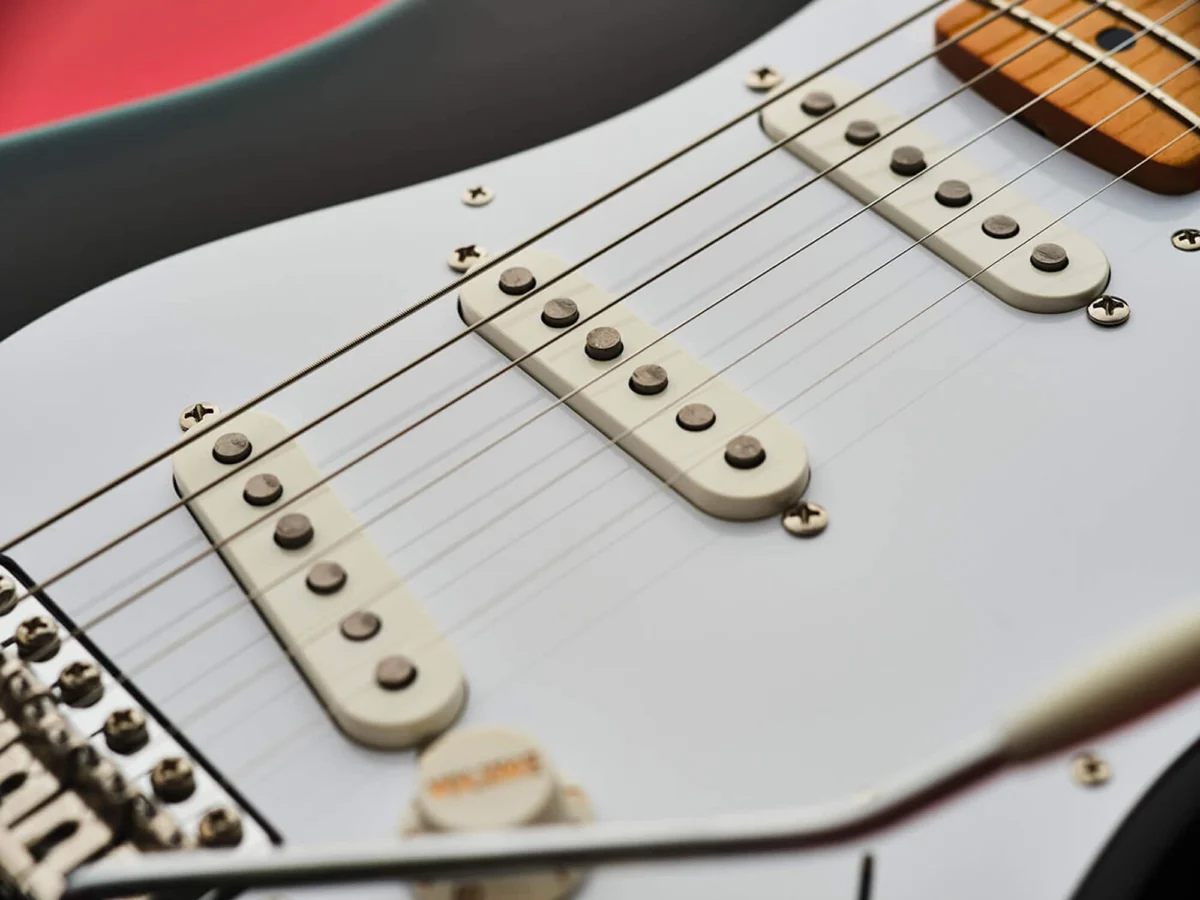
Walk into any guitar shop, and a ubiquitous sight will greet you: the diverse array of pickup covers adorning electric guitars. From the gleaming chrome and nickel domes capping humbuckers on iconic Les Pauls and ES-335s, to the crisp white plastic rectangles gracing Stratocasters, and the visually striking open zebra coils on countless modern superstrats, pickup covers are among the most visible components of an electric guitar. Despite their prominence, the precise function of these covers—beyond their aesthetic contribution under stage lights—remains a surprisingly contentious subject within the guitar community. This enduring debate has fueled countless discussions and represents one of the many "tone myth" rabbit holes that frequently characterize the intricate landscape of guitar technology.
The prevailing opinions diverge sharply: some players adamantly insist that a cover inevitably muffles high frequencies, thereby robbing the instrument’s tone of its essential bite and clarity. Conversely, another contingent of musicians and engineers claims to detect no discernible difference, often citing blind tests as definitive proof. As is frequently the case with such debates, the empirical truth resides in a more nuanced middle ground. The actual tonal impact of a pickup cover is highly contingent upon its constituent materials and the specific design of the pickup it encases.
The Perennial Debate: Aesthetics Versus Acoustics
For decades, the presence or absence of a pickup cover has been a point of fervent discussion among guitarists, luthiers, and audio engineers. This discourse often extends beyond mere aesthetics, delving into the very fabric of an instrument’s sonic character. While the visual appeal of a polished metal cover on a vintage-style humbucker or the stark utilitarianism of a plastic single-coil cover is undeniable, the deeper question revolves around their acoustical and electrical interaction with the magnetic field generated by the pickup. The challenge lies in objectively quantifying these interactions, given the subjective nature of tonal perception and the myriad variables inherent in a guitar’s signal chain. This article aims to demystify these interactions by exploring the historical context, the material science, and the practical implications of pickup covers.
Genesis of the Cover: A Historical Imperative
The origin of the pickup cover was not primarily an artistic choice but a pragmatic engineering solution, deeply intertwined with the early development of electric guitar pickups. Understanding this historical context is crucial for grasping their fundamental role.
-
Humbuckers and Gibson’s Innovation (Mid-1950s):
The covered humbucker, as we largely know it today, is fundamentally a Gibson invention. When legendary engineer Seth Lover designed the "Patent Applied For" (PAF) humbucking pickup in the mid-1950s, the inclusion of a metal cover was not a stylistic flourish. Its primary purpose was multi-faceted:- Electromagnetic Shielding: The coils of early humbuckers were susceptible to external electromagnetic interference (EMI) from sources like fluorescent lights, dimmer switches, and other electrical apparatus, which could induce unwanted hum and noise in the signal. The metal cover acted as a Faraday cage, providing a degree of shielding to mitigate this interference.
- Physical Protection: Guitar pickups are delicate electronic components. The cover provided a robust physical barrier, protecting the coils from dust, sweat, corrosive elements, and accidental impacts that are an unavoidable part of gigging life. It also prevented the ingress of debris, such as errant picks or even spilled beverages, into the intricate wiring.
- Structural Integrity: On early designs, the bobbins holding the coil windings were not always rigidly bonded to the pickup’s baseplate. The cover helped to keep the entire assembly stable and secure.
Nickel-plated covers became standard on Gibson humbuckers from the late 1950s onwards, and this design choice has since solidified into a defining visual characteristic of the humbucking format, intrinsically linking the aesthetic to its functional origins.
-
Single-Coils and Fender’s Pragmatism (Early 1950s):
In stark contrast to the metal-clad humbuckers, single-coil covers, such as those found on Fender’s iconic Stratocaster and Telecaster, were born out of a different set of practical considerations. Leo Fender, renowned for his minimalist and utilitarian design philosophy, opted for plastic covers. These plastic enclosures on the Telecaster and Stratocaster pickups serve an almost exclusively protective function. Electrically, they are largely inert, meaning they do not significantly interact with the magnetic field or the induced electrical signal in a way that would meaningfully alter the tone. Their role is to shield the delicate coil windings from physical damage, dust, and grime, ensuring the longevity and reliability of the pickup. Therefore, any claim that a standard plastic Stratocaster cover significantly modifies tone is generally unfounded and often driven by anecdotal rather than empirical evidence. The core of the tonal debate, therefore, predominantly resides with humbuckers and, more specifically, with the metallurgical composition of the metal alloys used for their covers.
The Science of Sound: How Materials Shape Tone
The interaction between a pickup cover and the magnetic field generated by the pickup is governed by fundamental principles of electromagnetism and material science. This interaction, or lack thereof, is the primary determinant of any tonal alteration.
-
Magnetic Permeability and Eddy Currents:
An electric guitar pickup operates by generating a magnetic field. When a steel string vibrates within this field, it disturbs the field, inducing a small electrical current in the pickup’s coils. This current is then amplified to produce the guitar’s sound.- Magnetic Permeability: This is a measure of how easily a material can support the formation of a magnetic field within itself. Materials with high magnetic permeability (like iron) can concentrate magnetic fields, while materials with low permeability (like air or copper) do not. When a material with certain magnetic properties is placed within the fluctuating magnetic field of a pickup, it can subtly affect the field’s characteristics.
- Eddy Currents: More significantly, when a conductive material is placed within a fluctuating magnetic field, it gives rise to what are known as "eddy currents." These are localized electrical currents induced within the conductor itself. Crucially, these eddy currents generate their own magnetic fields, which, by Lenz’s Law, oppose the original fluctuating magnetic field that created them. This opposition results in a dissipation of energy. In the context of a guitar pickup, this energy is "bled off" from the pickup’s signal. The critical aspect is that this energy loss is disproportionately pronounced at higher frequencies. Consequently, the presence of strong eddy currents leads to a noticeable attenuation of the upper harmonic content, resulting in a perceived softening or dulling of the guitar’s top end.
-
Nickel Silver: The Transparent Protector:
The material most commonly used for vintage-style humbucker covers is nickel silver, sometimes referred to as German silver. Despite its name, this alloy contains no actual silver. It is typically composed of copper, nickel, and zinc. Its crucial property in the context of pickup covers is its very low magnetic permeability and relatively low electrical conductivity compared to other metals like brass.
Because nickel silver is barely magnetic and its conductivity is moderate, it does not significantly disturb the magnetic field generated by the pickup’s magnets and pole pieces, nor does it induce substantial eddy currents. When a nickel silver cover is placed over a PAF-style humbucker, the resulting tonal difference is remarkably minimal. While highly sensitive frequency analyzers can detect slight shifts—often in the range of a few decibels in the extreme upper treble spectrum (e.g., above 5-6 kHz)—these differences are usually imperceptible to the human ear within a typical musical mix. For most players, a nickel silver cover is functionally "transparent" from a tonal perspective. -
Brass: The Tone Softener:
Brass, in contrast to nickel silver, is a highly conductive alloy (primarily copper and zinc). When a brass cover is positioned within a pickup’s fluctuating magnetic field, its high conductivity makes it an excellent medium for the induction of eddy currents. As detailed above, these eddy currents actively bleed off energy from the pickup’s signal, and this energy loss disproportionately targets the higher frequencies. The audible result is a more pronounced softening of the guitar’s top end, often described as a loss of "sparkle," "bite," or "presence."
The use of chrome-plated brass covers became more prevalent in certain periods, particularly when the price of nickel—a key component of nickel silver—climbed. This shift in material is a significant factor behind some players’ observations that their guitars sounded noticeably duller after a re-cover job or with pickups from specific manufacturers or eras that utilized brass covers. It underscores that the base material, not merely the plating, is the critical factor in tonal alteration. -
Gold Plating: A Purely Aesthetic Layer:
Gold-plated covers are a common aesthetic choice for many guitars, particularly those aiming for a luxurious or vintage appearance. However, the gold plating itself is a superficial layer, typically very thin, and has virtually no impact on the pickup’s tone. The tonal characteristics of a gold-plated cover are entirely dictated by the underlying base metal, which will either be nickel silver or brass. A prevalent misconception is that a gold cover inherently sounds different from a nickel one; this is incorrect unless the base alloy beneath the plating is different. Therefore, the choice of gold plating is, from a tonal perspective, purely an aesthetic consideration.
The "Covers Off" Phenomenon: Seeking Clarity
The practice of removing pickup covers, particularly from humbuckers, has become an iconic modification, deeply embedded in guitar lore. This trend was popularized by legendary guitarists such as Jimmy Page, Peter Green, and Eric Clapton, who were often depicted with their humbuckers revealing exposed coils. These artists, often seeking greater presence, aggression, and clarity from their PAF-style humbuckers, reportedly found that removing the covers contributed to achieving this sonic ideal.
- Empirical Analysis of Cover Removal:
The perceived tonal benefits of removing covers can indeed be real, though the magnitude of the effect is often overstated.- Nickel Silver Covers: If a humbucker is equipped with a nickel silver cover, removing it might yield a subtle, perceived bump in "air" or "openness" in the upper frequencies. This effect is typically minor, quantifiable as shifts of perhaps one or two decibels in a relatively narrow upper-treble band. While some highly discerning listeners in controlled environments (e.g., a quiet studio with a high-fidelity monitoring system) might detect this nuance, it is unlikely to constitute a "complete transformation" of the guitar’s tone. Many players who report dramatic changes may be experiencing a psychological effect, hearing what they expect to hear based on popular narratives.
- Brass Covers: When a pickup features a chrome-plated brass cover, the difference upon removal can be more noticeable. Because brass significantly attenuates high frequencies due to eddy currents, its removal effectively eliminates that high-frequency drain. This can result in a more pronounced return of upper-midrange and treble content, lending a brighter, more articulate sound. This is where the "covers off" modification genuinely yields a more tangible sonic shift.
Ultimately, whether the cover removal results in a subtle tweak or a more discernible change depends on the original cover’s material. It is important to temper expectations; while the change can be beneficial for some, it rarely amounts to a complete overhaul of the instrument’s fundamental voice.
Beyond Tone: Practicalities and Pitfalls
Beyond the nuanced discussions of tonal alteration, pickup covers play critical practical roles and can introduce specific challenges if not properly managed.
-
The Microphonic Challenge:
One significant issue associated with pickup covers, particularly in older or improperly manufactured units, is microphonic feedback. A humbucker cover that is not securely seated or adequately bonded to the pickup assembly beneath it can become a microphonic resonator. When the guitar is played at high volumes or with significant gain, the vibrating guitar body and air pressure can cause the loose cover to vibrate sympathetically. These vibrations are then picked up by the magnetic coils, amplified through the guitar’s signal chain, and result in an unwelcome, high-pitched squeal—much like an angry kettle. Original PAFs, from Gibson’s early production, are notoriously prone to this issue because Gibson did not consistently "pot" the entire pickup assembly in wax during those initial years, leaving the covers susceptible to microphonic behavior. -
The Solution: Wax Potting:
The industry standard solution to microphonic feedback is "wax potting." This process involves immersing the entire pickup assembly, including the bobbins and the cover, in a bath of hot paraffin and/or beeswax. The wax permeates all the cavities and gaps, solidifying upon cooling. This effectively "potts" or stabilizes all the components, preventing them from vibrating independently. Modern pickup manufacturers, including prominent brands like Seymour Duncan, DiMarzio, Bare Knuckle Pickups, and Lollar Pickups, almost universally wax-pot their covered humbuckers. This meticulous manufacturing practice is why feedback issues related to microphonic covers are rarely encountered with contemporary, factory-standard guitars. The widespread adoption of wax potting highlights the industry’s commitment to reliability and performance, addressing a common problem that plagued earlier designs.
The Multifaceted Role of Pickup Covers
Even if their tonal impact is minimal in many cases, pickup covers serve several crucial functions that justify their continued presence on many electric guitars:
- Physical Protection: They shield the delicate coils and fine wires from the myriad physical threats encountered during playing, transportation, and storage. This protection extends to dust, sweat, corrosive elements from skin oils, and accidental impacts, all of which can degrade the pickup’s performance and lifespan.
- Electromagnetic Shielding: As originally intended by Seth Lover, metal covers provide a degree of electromagnetic shielding. This helps to reduce unwanted hum and noise induced by external electrical fields from lighting, power lines, and other electronic devices, contributing to a cleaner signal, especially in electrically noisy environments.
- Structural Stability: Particularly for certain designs, the cover contributes to the overall structural integrity of the pickup assembly, holding the bobbins and pole pieces firmly in place and preventing unwanted movement that could affect performance or lead to damage.
- Aesthetics: Beyond all functional considerations, the aesthetic contribution of pickup covers is undeniable. A polished nickel cover on a flame-top Les Paul, for instance, is an iconic visual element that defines the instrument’s character and appeals to a significant portion of the market. The choice of covered or uncovered pickups often dictates the visual "vibe" of a guitar, influencing purchasing decisions and personal customization.
Concluding Analysis: Reconciling Myth and Reality
The reality surrounding guitar pickup covers, often obscured by anecdotal evidence and long-standing "tone myths" circulating in online forums, is that they can indeed alter tone, but the extent of this alteration is almost always exaggerated. The magnitude of any tonal shift is critically dependent on the material composition of the cover. A nickel silver cover on a high-quality humbucker, for all practical purposes, functions as an acoustically transparent protector. Its impact on the frequency response is so minimal that it is unlikely to be discernible in a typical musical context. The true source of significant high-frequency loss resides almost exclusively with brass covers, due to their higher electrical conductivity and the consequent induction of more pronounced eddy currents. This distinction between materials is vital for understanding the historical context of tonal complaints associated with covers.
Ultimately, the cover-versus-no-cover debate, particularly concerning nickel silver humbucker covers, is largely a question of taste, visual preference, and adherence to tradition rather than a meaningful tonal decision for the vast majority of players. In contemporary guitar manufacturing and modification, opting for uncovered pickups is predominantly an aesthetic choice, driven by a preference for the raw, exposed look of double-black or zebra coils. There is no inherent sonic superiority to uncovered pickups in all contexts, and any perceived benefits are often subtle and highly subjective.
For guitarists contemplating removing covers from their humbuckers in pursuit of a new sound, the most pragmatic advice is to proceed with the understanding that dramatic sonic revelations are unlikely. The decision should primarily be driven by an appreciation for the visual appeal of exposed coils, rather than the expectation of a complete tonal overhaul. The enduring presence of pickup covers on electric guitars speaks volumes about their multifaceted role: they are essential protectors, subtle electromagnetic shields, and undeniable contributors to the iconic aesthetics that define the instrument’s rich legacy.
