

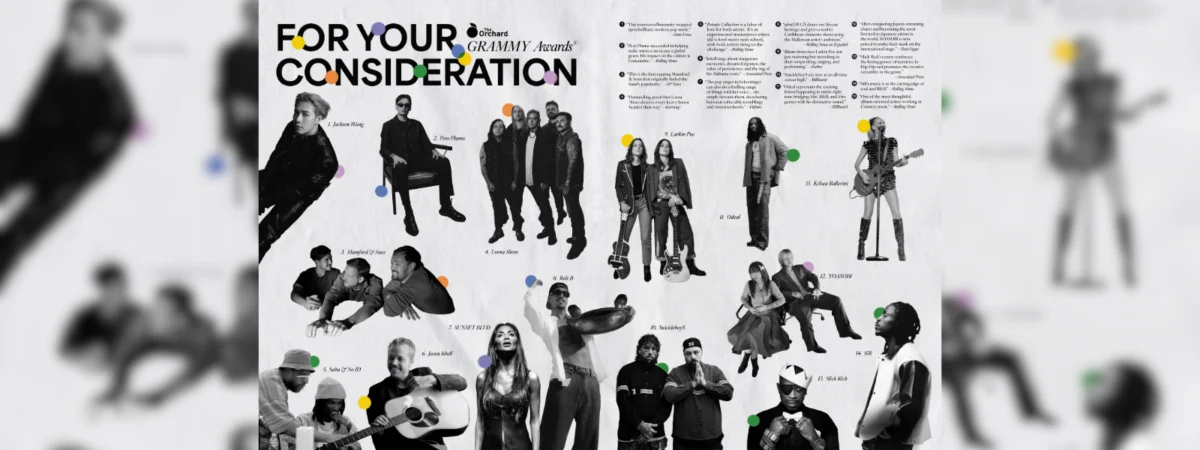
As the music industry gears up for the 69th Annual GRAMMY Awards, the strategic imperative for artists and labels to effectively reach Recording Academy voting members has never been more critical. The "For Your Consideration" (FYC) advertising campaign serves as a vital tool to cut through the inherent noise of a saturated music landscape and ensure artists’ work is top-of-mind during the nomination and voting processes. This comprehensive guide outlines the crucial timelines, permissible content, and strategic considerations for maximizing FYC campaign impact, ensuring that deserving artists gain the visibility necessary to be considered for music’s most prestigious honor.
Understanding the FYC Landscape: Beyond Fan Engagement
While traditional music marketing and advertising efforts are primarily aimed at capturing the attention and loyalty of fans, FYC campaigns operate on a fundamentally different strategic axis. Their sole objective is to inform and persuade the eligible voting members of the Recording Academy. This distinction is paramount, as the criteria and messaging must resonate with industry professionals who possess a nuanced understanding of musical artistry, technical merit, and commercial impact. The goal is not to generate album sales or streaming numbers in the immediate term, but to secure nominations that can lead to significant career advancement and industry recognition.
The GRAMMY Awards, established in 1959, represent the pinnacle of achievement in the music industry. Winning a GRAMMY is often a career-defining moment, bestowing upon artists, songwriters, producers, engineers, and other music professionals a level of prestige that transcends commercial success. The voting process, overseen by the Recording Academy, involves a rigorous system of peer review and ballots cast by its diverse membership, which comprises leading artists, songwriters, producers, engineers, and other music professionals. FYC advertising is therefore a critical, albeit tightly regulated, component of this intricate ecosystem.
Key Timelines for FYC Campaign Deployment

The success of an FYC campaign is directly tied to its timely execution. The Recording Academy meticulously structures its awards calendar, providing specific windows for both the nomination and final voting rounds. Understanding these dates is non-negotiable for any artist or label aiming for GRAMMY consideration.
Phase 1: Pre-Nomination Ballot (August 10, 2026 – October 22, 2026)
This initial and arguably most crucial phase of FYC advertising runs from the present day, August 10, 2026, through the conclusion of the first-round voting on October 22, 2026. During this period, Recording Academy voting members are actively deliberating and casting their ballots to determine the nominees for the 69th Annual GRAMMY Awards. Music companies and independent artists typically commence their FYC advertising efforts well in advance of the voting window, utilizing both digital and print platforms to introduce or re-familiarize voters with their eligible works. The objective here is to plant seeds of recognition and appreciation, ensuring that an artist’s name and their submitted works are fresh in the minds of voters as they make their selections. This phase is about building awareness and highlighting the artistic merit of the submitted material before the nominees are officially announced.
Phase 2: Post-Nomination Ballot (November 16, 2026 – January 7, 2027)
Following the announcement of nominations on November 16, 2026, a distinct FYC advertising opportunity arises for those fortunate enough to have secured a nomination. This second phase is dedicated to influencing the final round of voting, which ultimately determines the winners. The final voting period commences on December 10, 2026, and concludes on January 7, 2027. For nominated artists and their teams, this phase offers a chance to reiterate their case for winning, focusing on their achievement in being recognized among the industry’s best. Advertising during this period often emphasizes the significance of a GRAMMY win and reinforces the reasons why the artist deserves to be crowned a winner in their respective category. The ceremony itself is scheduled for February 7, 2027, marking the culmination of the awards season.
For a comprehensive overview of all critical dates for the 69th Annual GRAMMY season, including eligibility periods and submission deadlines, interested parties are directed to the official GRAMMY Awards FAQ page https://www.grammy.com/awards/faq/. Adherence to these dates is essential for any effective FYC strategy.
Navigating Recording Academy Guidelines: What to Include and Exclude
The Recording Academy enforces strict guidelines for FYC advertising to maintain the integrity and fairness of the awards process. These rules are designed to prevent undue influence and ensure that campaigns focus on the artistic and technical merits of the music. Understanding and adhering to these guidelines is paramount; violations can lead to disqualification.
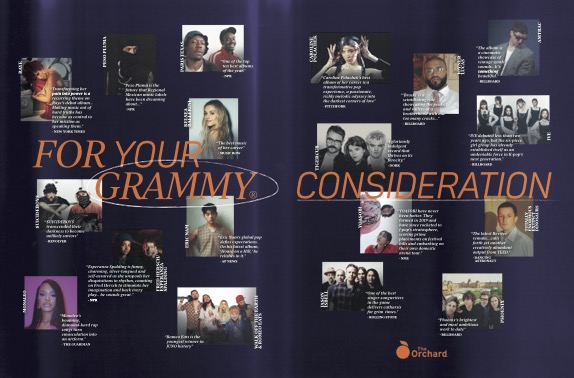
Permissible FYC Communications:
- Artist and Album Information: FYC materials may prominently feature the artist’s name, the album title, and the specific categories for which the artist is seeking consideration. This direct and clear presentation ensures voters know exactly what work is being promoted.
- Critical Acclaim and Reviews: Inclusion of positive quotes from reputable music publications, critics, and industry tastemakers can lend credibility and highlight the artistic reception of the work. These endorsements serve as third-party validation of an artist’s talent.
- Awards and Recognitions: Mentioning previous awards, nominations, or significant industry accolades received by the artist or their work can underscore their established quality and impact.
- Musical and Technical Achievements: Highlighting specific musical achievements, innovative production techniques, lyrical depth, or exceptional songwriting can appeal to the sophisticated judgment of voting members.
- Streaming and Sales Data (with caveats): While the primary focus is not commercial, presenting relevant streaming numbers or chart positions can be included, provided it is done in a manner that supports artistic achievement rather than solely emphasizing commercial success. For example, mentioning a significant chart debut can indicate broad appeal and cultural relevance.
- Links to Music and Videos: Providing direct links to listen to the submitted music or watch music videos allows voters to easily access and evaluate the nominated works.
- Concert and Tour Information: Information about upcoming or recent tours can demonstrate an artist’s ability to connect with audiences and their ongoing relevance in the live music sphere.
- Social Media Handles and Websites: Including social media handles and official website addresses facilitates further engagement and provides avenues for voters to explore the artist’s broader presence.
Prohibited FYC Communications:
- False or Misleading Information: Any claims that are factually inaccurate or misleading regarding the artist, their work, or their achievements are strictly forbidden.
- Comparative Advertising: Campaigns cannot directly compare the artist’s work to that of other nominees or suggest that their work is superior to any other submission. This includes making claims that imply a direct competition outside the official voting process.
- Bribery or Inducement: Offering any form of gift, incentive, or inducement to Recording Academy members in exchange for votes is a severe violation and will result in disqualification. This is a cornerstone of maintaining the integrity of the voting system.
- "GRAMMY Winner" or "GRAMMY Nominee" Claims (Prior to Official Announcement): Artists and their teams are prohibited from using titles like "GRAMMY Winner" or "GRAMMY Nominee" in their FYC materials until such status is officially confirmed by the Recording Academy. This prevents pre-emptive or presumptive claims.
- Direct Appeals for Votes: FYC campaigns should focus on presenting the merits of the artist and their work, rather than making direct pleas or demands for votes. The implied objective is to be considered, not to solicit votes explicitly.
- Inclusion of Unsolicited Materials: FYC advertising should not be accompanied by unsolicited physical copies of music or other promotional materials that have not been explicitly requested by a voting member.
- Endorsements from Non-Eligible Parties: While critical acclaim is valuable, endorsements from individuals or organizations not directly involved in the music’s creation or critical review, or those not qualified to offer professional opinions on music, may be scrutinized.
For a comprehensive and up-to-date understanding of the Recording Academy’s official voting and solicitation guidelines, consult the official Recording Academy website https://www.recordingacademy.com/awards/voting-and-solicitation-guidelines.
Strategic Deployment: Maximizing FYC Campaign Impact
The effectiveness of an FYC campaign hinges on a well-thought-out strategy that leverages the available platforms and adheres to the Academy’s regulations.
Digital Advertising: Digital channels offer unparalleled reach and targeting capabilities. This includes:
- Music Industry Publications: Advertising on websites and in digital editions of prominent music industry trade publications like Billboard, Rolling Stone, Pitchfork, and Variety, which are regularly read by Recording Academy members.
- Social Media Platforms: Targeted advertising on platforms like Instagram, Facebook, Twitter, and LinkedIn, focusing on demographics and interests that align with Recording Academy voters. This can include promotional posts, video ads, and sponsored content.
- Music Streaming Service Placements: Exploring advertising opportunities within music streaming platforms themselves, potentially targeting playlists or user demographics that are likely to engage with industry professionals.
- Industry-Specific Websites and Forums: Identifying and advertising on websites, blogs, and online communities frequented by music professionals.
Print Advertising: Despite the digital shift, print remains a powerful medium for reaching a discerning audience. This includes:
- Trade Magazines: Placing ads in the print editions of key music industry publications.
- Specialized Journals: Considering advertising in publications focused on specific genres or technical aspects of music production if relevant to the artist’s submission.
Content Creation and Messaging: The narrative within FYC materials is crucial.

- Highlighting Unique Selling Propositions: What makes this artist or album stand out? Is it groundbreaking innovation, exceptional storytelling, a unique fusion of genres, or a significant cultural impact?
- Showcasing Artistic Evolution: For established artists, demonstrating growth and innovation in their latest work can be a compelling narrative.
- Emphasizing Collaboration and Craftsmanship: For albums involving significant producer, songwriter, or engineer contributions, highlighting these collaborations can appeal to the industry’s appreciation for meticulous craft.
Data-Driven Insights and Analysis
While specific performance metrics for FYC campaigns are not publicly disclosed by the Recording Academy, industry observers and participants can infer trends and best practices based on past successes and evolving marketing landscapes. The sheer volume of music released annually, estimated to be in the tens of thousands of tracks eligible for GRAMMY consideration, underscores the necessity of effective outreach.
For instance, in a competitive year, an artist with a strong critical reception but perhaps lower mainstream visibility might rely more heavily on FYC advertising to bridge that gap with voters. Conversely, a globally recognized artist might use FYC campaigns to highlight a specific album’s artistic departure or a particular track’s groundbreaking production.
The increasing sophistication of digital advertising allows for granular targeting, ensuring that FYC budgets are spent efficiently, reaching the most relevant decision-makers. Analytics from digital ad platforms can provide insights into engagement rates, click-throughs, and audience demographics, informing future campaign adjustments. However, the ultimate success of an FYC campaign is measured not by these digital metrics alone, but by the tangible outcome of securing nominations.
Inferred Reactions and Broader Impact
While direct quotes from Recording Academy officials regarding specific FYC strategies are rare due to the confidential nature of the voting process, the continued existence and evolution of FYC advertising guidelines reflect the Academy’s commitment to transparency and fairness. The robust set of rules indicates an ongoing effort to balance promotional opportunities with the need to prevent undue influence.

The broader implication of effective FYC marketing extends beyond a single awards season. A GRAMMY nomination or win can significantly elevate an artist’s career trajectory, leading to increased touring opportunities, lucrative endorsement deals, critical acclaim, and a deeper connection with a global audience. For labels and distribution companies like The Orchard, successful FYC campaigns for their roster artists not only bring prestige but also validate their A&R and marketing strategies, reinforcing their position within the industry.
In conclusion, navigating the GRAMMY "For Your Consideration" advertising landscape in 2026 demands a strategic, informed, and meticulously executed approach. By understanding the crucial timelines, adhering strictly to Recording Academy guidelines, and deploying targeted and compelling messaging across appropriate channels, artists and their teams can significantly enhance their chances of capturing the attention of Recording Academy voters and achieving the ultimate recognition in the music world. The FYC campaign is not merely an advertisement; it is an essential strategic component of aspiring for musical excellence at its highest echelon.
