

In the rapidly evolving landscape of digital music marketing, the "link in bio" has transitioned from a simple directory of social media profiles into a sophisticated engine for commerce, fan engagement, and brand identity. As platforms like Instagram and TikTok continue to restrict external linking to a single URL in a user’s profile, the choice of which service to host that link has become a strategic pivot point for independent artists. Music marketing expert Jesse Cannon, author and creator of the influential "Musformation" platform, recently conducted an extensive evaluation of the current market offerings, concluding that Koji represents a significant technological leap forward for musicians, producers, and instrumentalists. By integrating a modular app store directly into the profile interface, Koji is shifting the paradigm from a static list of links to a comprehensive, interactive digital storefront.
The necessity of a "supercharged" link in bio arises from the fragmented nature of modern music consumption. Today’s artists must simultaneously manage presence across Spotify, Apple Music, YouTube, TikTok, and Instagram, while also attempting to sell merchandise, concert tickets, and exclusive digital content. For many years, services like Linktree provided a rudimentary solution to this fragmentation. However, as the creator economy matures, the demand for deeper integration and lower friction has led to the emergence of "super-app" architectures. Cannon’s analysis highlights that the primary advantage of Koji lies in its ability to facilitate transactions and interactions without forcing the fan to leave the social media environment, thereby reducing "bounce rates" and increasing the likelihood of conversion.

The Historical Context of the Link in Bio Phenomenon
To understand the significance of Koji’s entry into the music space, it is necessary to examine the chronology of musician-led web presence. In the early 2000s, the digital identity of a musician was largely centered on MySpace, which offered a centralized hub for audio streaming, tour dates, and fan communication. Following the decline of MySpace, the industry saw a period of decentralization where artists were forced to build expensive, standalone websites that often struggled to gain mobile-optimized traction.
By 2016, the rise of Instagram’s "walled garden" approach—where links were not clickable in captions—created a bottleneck. This led to the first generation of link-in-bio tools, which served as simple landing pages. However, these tools often functioned as mere speed bumps, adding an extra click between the fan and their destination. The current era, which Cannon identifies as the third generation of artist hubs, focuses on "frictionless utility." Koji’s arrival in this space marks a shift toward a "mini-app" ecosystem, mirroring the functionality of platforms like WeChat in Asia, where various services are nested within a single interface.
The Psychology of First Impressions in Fan Acquisition
A central pillar of Jesse Cannon’s endorsement of Koji is the concept of the "first impression." In the digital attention economy, the window to convert a casual viewer into a dedicated follower is measured in seconds. Cannon argues that many musicians overlook the aesthetic and functional quality of their landing pages, which often serve as the first point of direct contact after a fan discovers a song on a TikTok "For You" page or an Instagram Reel.

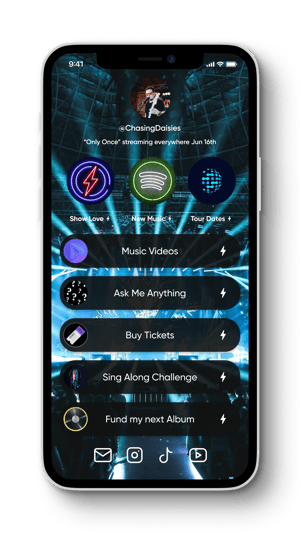
Koji provides a suite of free tools designed to allow musicians to tell their stories through customized graphics, high-definition video backgrounds, and personalized text. Unlike traditional link aggregators that offer limited branding options behind a paywall, Koji’s infrastructure is built on the premise that a musician’s profile should feel like a bespoke extension of their artistic brand. This level of customization is not merely an aesthetic choice; it is a psychological strategy intended to build trust and professional credibility with a new audience. When a user clicks a link and finds a polished, interactive environment, the perceived value of the artist increases, facilitating a deeper emotional connection to the music.
The App Store Advantage and Technical Infrastructure
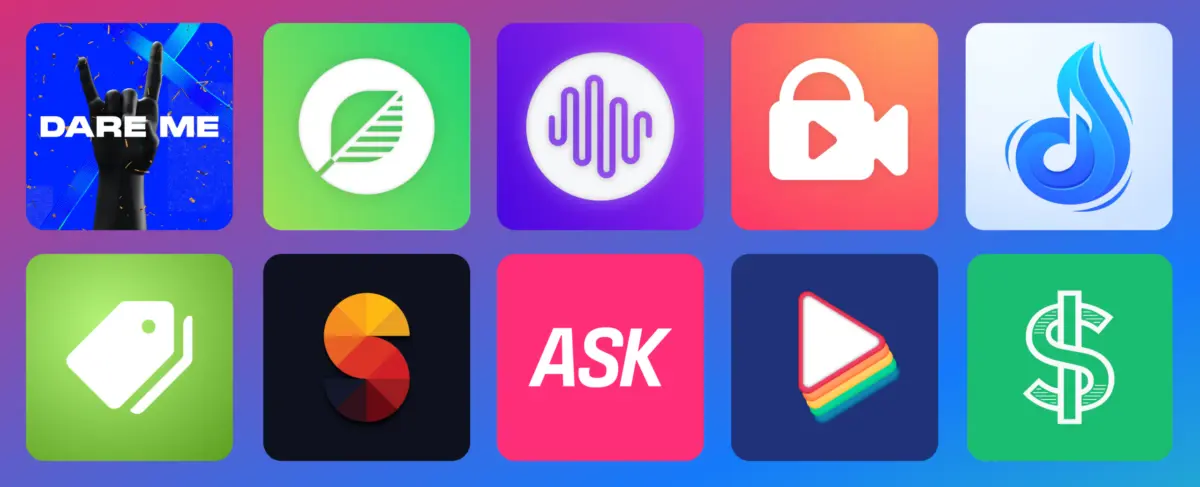
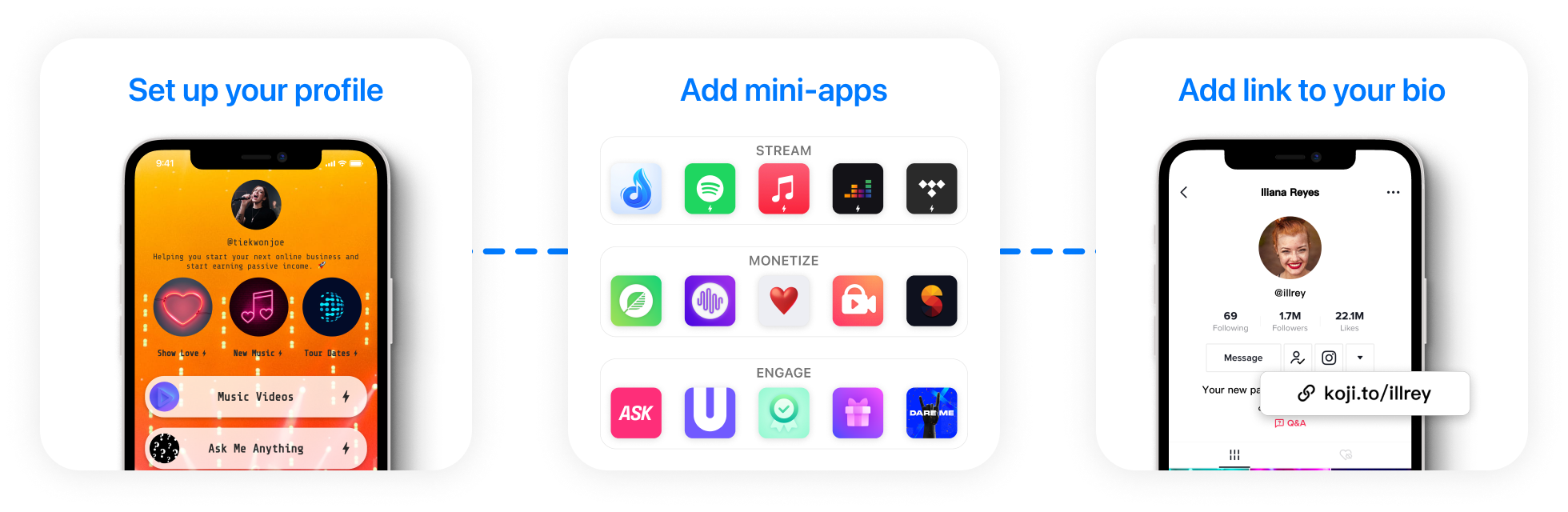
The most distinctive feature of the Koji platform is its integrated App Store. Cannon emphasizes that these are not traditional iOS or Android applications that require a download from an external store. Instead, they are "web apps" that load instantly within the Koji interface. This technical distinction is critical for musicians who want to monetize their audience without the technical hurdles of setting up an e-commerce site or the high commission fees associated with traditional platforms.
The Koji App Store offers a variety of specialized tools for musicians, including:

- Direct-to-Fan Monetization: Apps that allow artists to sell digital downloads, unreleased tracks, or personalized video shoutouts directly within the link.
- Engagement Tools: Interactive elements like "Ask Me Anything" (AMA) prompts, fan polls, and "Video Guestbooks" that encourage user-generated content.
- Mailing List Integration: Streamlined tools for capturing fan emails and phone numbers, which Cannon identifies as the most valuable assets an independent artist can own.
- Tip Jars and Crowdfunding: Low-friction ways for fans to support artists financially without the overhead of a Patreon or Kickstarter campaign.
By centralizing these functions, Koji eliminates the "app fatigue" that often prevents fans from completing a purchase or signing up for a newsletter. The ability to process payments via credit card, Apple Pay, or Google Pay within the social media browser represents a significant reduction in transaction friction.
Economic Implications for the Independent Artist
The economic landscape for musicians has been under intense scrutiny, particularly regarding the low per-stream payouts from major services. Data from industry reports suggest that for many independent artists, streaming royalties account for less than 10% of their total income. The remaining revenue must be generated through touring, merchandise, and direct-to-fan sales.
Cannon’s analysis suggests that Koji provides a vital infrastructure for this diversified revenue model. By offering a platform where artists keep a higher percentage of their sales compared to traditional retailers, Koji empowers the "middle-class" musician—those with dedicated but smaller fan bases—to achieve financial sustainability. Furthermore, the data analytics provided by the platform allow artists to see exactly which social media posts are driving the most traffic and which "mini-apps" are generating the most revenue, allowing for data-driven marketing decisions that were previously only available to major label acts with large data science teams.
Strategic Implementation: Building the Ultimate Profile
To maximize the potential of a Koji profile, Cannon outlines several strategic imperatives for musicians. First, the profile must be treated as a living entity rather than a "set it and forget it" directory. This involves regularly updating the featured "mini-apps" to coincide with new releases, tour announcements, or promotional campaigns.
Key strategies for a high-performing Koji profile include:
- Visual Hierarchy: Placing the most important call-to-action (such as a new single or ticket link) at the very top of the profile using "highlight" features.
- Value Exchange: Using apps that offer something in return for fan data, such as a free unreleased demo in exchange for an email address.
- Social Proof: Incorporating apps that showcase fan interaction, such as a "Fan Leaderboard" or a gallery of fan-submitted photos, which creates a sense of community.
- Multimedia Integration: Embedding Spotify players or YouTube videos directly into the Koji page so fans can listen or watch while they explore other links.
Cannon asserts that the goal is to create an environment where a fan can spend five to ten minutes engaging with different facets of the artist’s career, rather than just clicking a single link and leaving.
Industry Response and Future Outlook
The shift toward integrated link-in-bio platforms has not gone unnoticed by major industry players. Platforms like Sonicbids, which have long served as a bridge between musicians and promoters, have recognized the utility of Koji in helping artists present a professional digital EPK (Electronic Press Kit) to talent buyers. The consensus among music industry analysts is that the "link in bio" is evolving into the new "homepage."
As social media algorithms become increasingly unpredictable, the importance of "platform agnosticism" grows. Koji allows an artist to maintain a consistent business interface regardless of whether their traffic is coming from TikTok, X (formerly Twitter), or a QR code at a live show. This sovereignty over the fan relationship is perhaps the most significant implication of the Koji model.
Looking ahead, the integration of Web3 technologies, NFT galleries, and advanced CRM (Customer Relationship Management) tools into the link-in-bio space is expected to continue. Cannon’s evaluation positions Koji at the forefront of this trend, suggesting that for the modern musician, the platform is less of a utility and more of a central nervous system for their digital business.
Conclusion: The New Standard for Digital Artist Management
The endorsement from Jesse Cannon and the broader adoption by the independent music community signal a turning point in how artists manage their digital presence. By moving away from the limitations of first-generation link aggregators and embracing the "mini-app" ecosystem of Koji, musicians are reclaiming control over their monetization and fan data.
The professional journalistic consensus suggests that as the creator economy continues to expand, the ability to provide a high-quality, frictionless user experience will be the deciding factor in an artist’s ability to scale their career. Koji’s model offers a glimpse into a future where the boundary between social media discovery and commercial transaction is virtually non-existent, providing independent creators with the tools necessary to compete in a globalized, hyper-competitive market. For musicians looking to "supercharge" their career, the transition to a more robust digital hub is no longer an option—it is a strategic necessity.
