

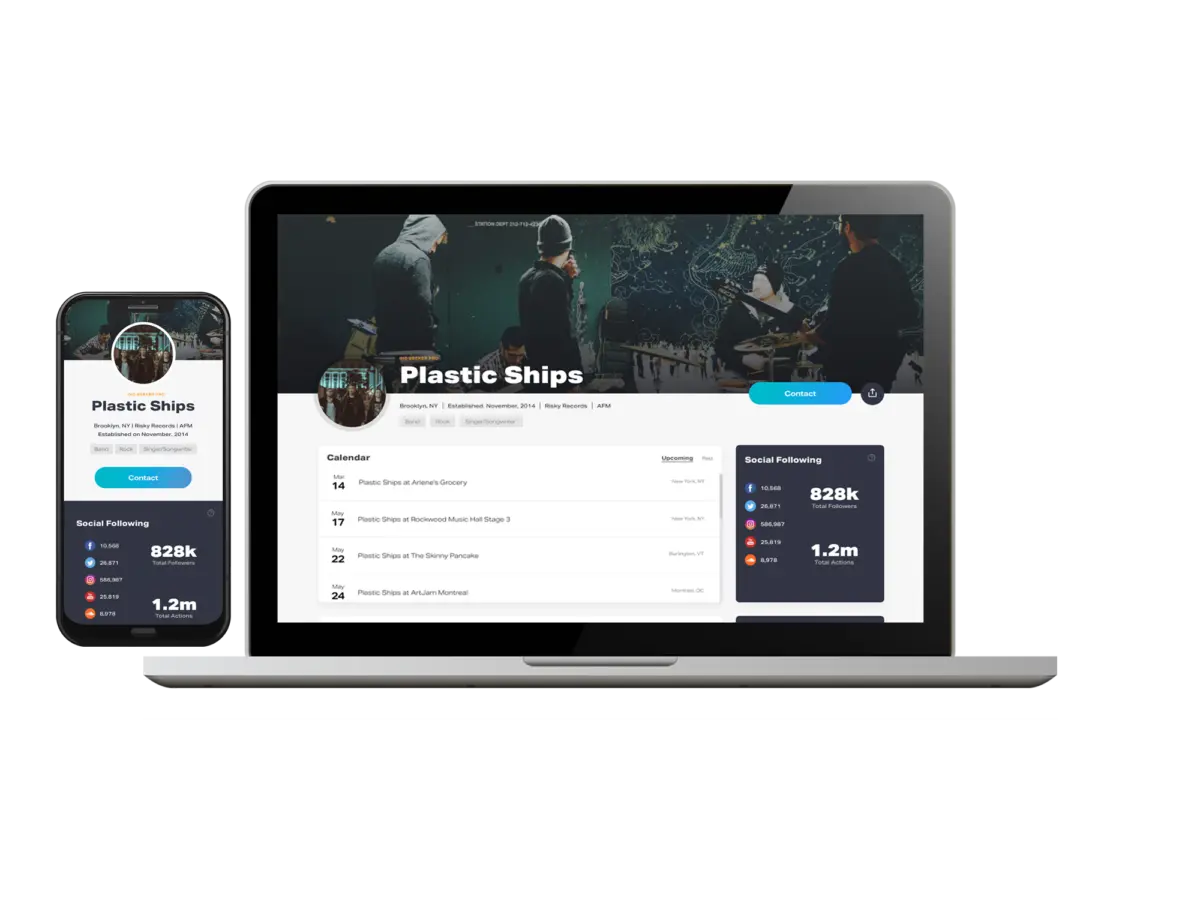
The global music industry has undergone a radical transformation over the last two decades, shifting from a centralized, label-dominated structure to a decentralized ecosystem where independent artists now command a significant share of the market. In this high-stakes environment, the Electronic Press Kit (EPK) has emerged not merely as a convenience but as a fundamental requirement for professional viability. As independent musicians increasingly take on the roles of manager, booking agent, and publicist, the ability to present a cohesive, professional narrative to industry gatekeepers has become the primary differentiator between hobbyists and career professionals.
The independent music sector’s growth is supported by data from industry analysts such as MIDiA Research, which indicates that the "independent-artist-direct" segment is the fastest-growing part of the global recorded music business, generating billions in annual revenue. However, with millions of tracks uploaded to streaming platforms every month, the challenge for the modern artist is no longer just distribution, but discovery and professional engagement. The EPK serves as the bridge between an artist’s creative output and the commercial infrastructure required to sustain a career, providing a centralized repository of information that allows promoters, talent buyers, and journalists to make rapid, informed decisions.
The Historical Evolution of Music Promotion
To understand the current importance of the EPK, one must examine the chronology of music industry promotion. Prior to the digital revolution, artists relied on physical press kits—bulky folders containing printed biographies, physical 8×10 glossies, and demo tapes or compact discs. These kits were expensive to produce and even more costly to distribute via traditional mail. The process was inherently slow, often resulting in "dead" information by the time a kit reached a booking agent’s desk.
The year 2001 marked a pivotal shift in this timeline with the launch of Sonicbids, which established the industry standard for the digital transition. By moving the press kit online, the platform allowed artists to update their information in real-time and share it globally at the click of a button. This technological leap democratized access to music festivals and venues, as small-scale indie artists could now present themselves with the same level of professional polish as major-label acts. Over the subsequent two decades, the EPK has evolved from a static webpage into a dynamic, data-driven tool that integrates streaming metrics, social media analytics, and high-definition multimedia.
A Comprehensive Representation of Artistic Vision
An EPK functions as a digital resume, but its utility extends far beyond a simple list of achievements. It is a curated narrative designed to communicate an artist’s brand identity within seconds. In a professional context, a well-constructed EPK must include several core components to be effective.
First is the professional biography. Unlike a casual social media "about" section, an EPK bio must offer a compelling narrative that contextualizes the artist’s sound and journey. Industry professionals look for "hooks"—unique stories or significant milestones that make an artist marketable to their specific audiences.
Second is the high-quality discography. In the modern era, this typically involves embedded players from platforms like Spotify or SoundCloud, allowing a promoter to hear the artist’s best work without leaving the page. Supporting data is crucial here; if an artist has achieved significant streaming milestones, such as surpassing 10,000 monthly listeners or securing a spot on a curated playlist, these metrics must be featured prominently.
Third is the visual asset library. This includes high-resolution promotional photos and music videos. In an age of visual-first consumption, a talent buyer is often as interested in an artist’s aesthetic and stage presence as they are in their audio recordings. Providing professional-grade imagery ensures that a journalist has the necessary materials to run a feature story without having to request additional files, thereby removing friction from the editorial process.
Streamlining Professional Communication
Efficiency is the currency of the music industry. Booking agents and festival organizers often receive hundreds of inquiries per week. The "one-link" solution provided by an EPK is a critical factor in successful outreach. By consolidating all relevant information—music, video, bio, press coverage, and contact details—into a single URL, artists respect the time of busy professionals.
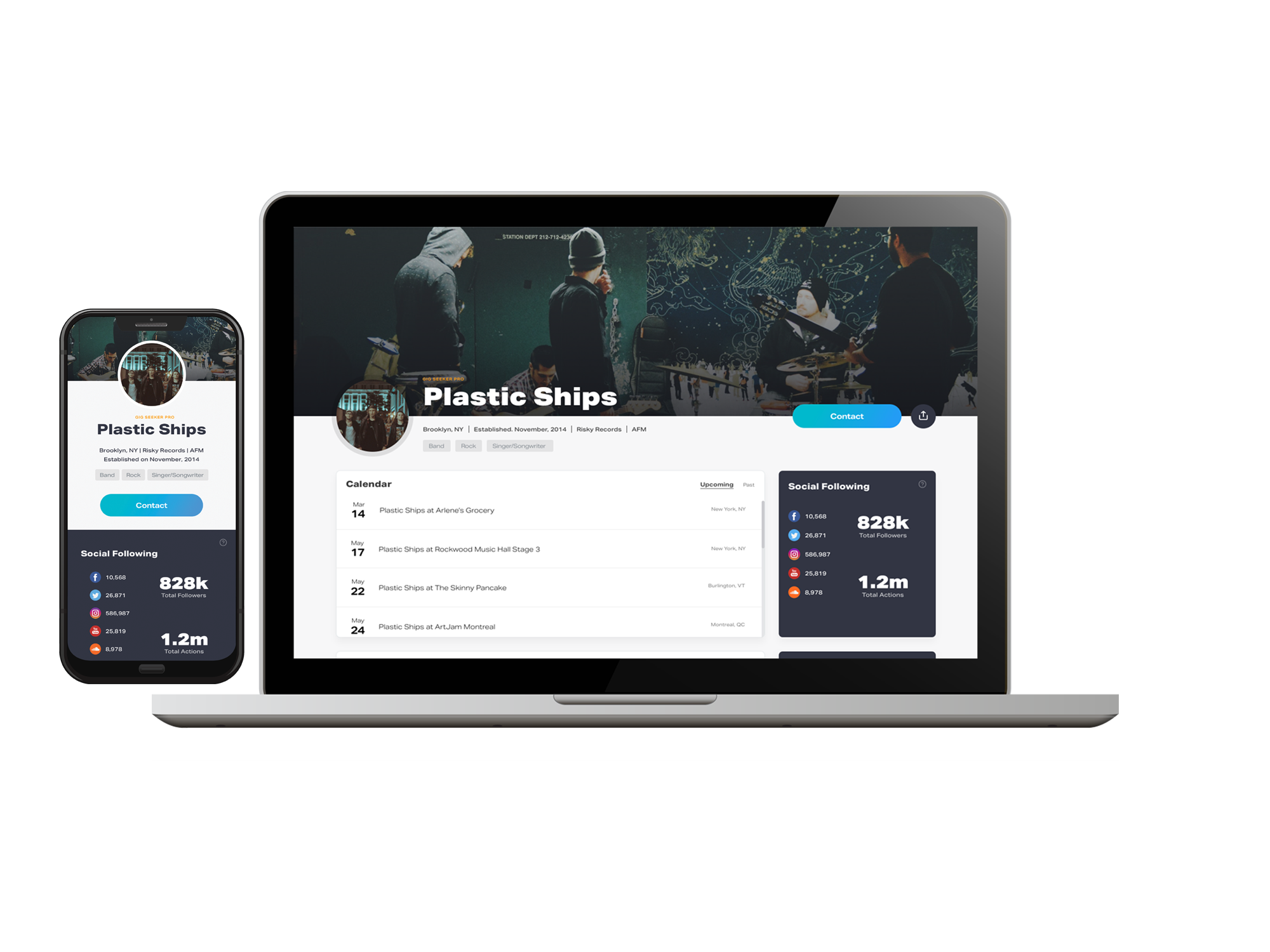
From a logistical standpoint, the EPK eliminates the "email chain fatigue" that often occurs when artists send multiple attachments or links to various platforms. A streamlined EPK allows a venue owner to verify an artist’s draw, listen to their sound, and check their technical requirements (such as a stage plot or input list) all in one session. This professional efficiency significantly increases the likelihood of a response. In the competitive circuit of club bookings and festival slots, the artist who makes the talent buyer’s job easiest is often the one who secures the date.
Establishing Credibility Through Social Proof
In the absence of a major label’s endorsement, independent artists must manufacture their own credibility. The EPK serves as a platform for "social proof"—the psychological phenomenon where people assume the actions of others in an attempt to reflect correct behavior for a given situation. In the music industry, this translates to press quotes, reviews, and testimonials.
Including a section for press highlights allows an artist to showcase third-party validation. A glowing review from a respected music blog or a mention in a local newspaper acts as a seal of approval. Furthermore, the inclusion of "notable performances" helps mitigate the risk for promoters. If a venue sees that an artist has successfully performed at recognized festivals or supported well-known acts, the perceived risk of booking that artist decreases. This objective evidence of professional experience is often what separates an artist from the thousands of others vying for the same opportunities.
Global Accessibility and the 24-Hour Digital Office
The music industry operates on a global scale and across every time zone. An EPK acts as a 24-hour digital office that is always open for business. Whether a journalist in London is looking for a new feature at 3:00 AM or a talent buyer in Los Angeles is scouting for a last-minute replacement at midnight, the artist’s materials are readily available.
This accessibility is particularly vital for the growth of international touring. An artist based in Nashville can effectively pitch to a promoter in Berlin by providing an EPK that translates their local success into a format the international promoter can understand. This digital presence ensures that opportunities are not missed simply because of a delay in communication. The ability for an EPK to be shared via direct link across various messaging platforms and social media also facilitates viral professional networking, where a single recommendation can lead to a kit being viewed by influential industry figures across the globe.
The EPK as a Tool for Continuous Professional Growth
One of the most significant advantages of the digital press kit over its physical predecessor is its capacity for evolution. An artist’s career is not static; it is a series of developments, releases, and milestones. A professional EPK should be treated as a living document that reflects the artist’s current trajectory.
When an artist achieves a new milestone—such as a successful tour, a surge in social media following, or a new single release—the EPK can be updated instantly. This demonstrates to industry professionals that the artist is active and gaining momentum. A "fresh" EPK signals a serious approach to career management. Analysts suggest that artists who update their promotional materials at least once a quarter are more likely to stay relevant in the eyes of talent scouts, who are always looking for the "next big thing" with a proven track record of growth.
Broader Impact and Industry Implications
The proliferation of EPKs has leveled the playing field, allowing independent artists to compete for the same stage time and media attention as those with significant financial backing. This democratization has led to a more diverse and vibrant musical landscape, where talent and professional presentation can outweigh traditional industry connections.
However, the ubiquity of the EPK also means that the standard for quality has risen. As more artists utilize these tools, the quality of the content—the resolution of the photos, the clarity of the biography, and the production value of the music—becomes the new battleground. For the modern indie artist, the EPK is no longer a "bonus" asset; it is the foundation of their professional identity.
In conclusion, the Electronic Press Kit is an indispensable component of a successful music career in the 21st century. By providing a concise representation of artistry, simplifying communication, boosting credibility, and ensuring global accessibility, the EPK empowers independent musicians to navigate the complexities of the industry with professional authority. As the music business continues to evolve toward a more digital and data-centric model, the artists who master the art of the EPK will be the ones best positioned to turn their creative passion into a sustainable and successful career. The transition from a collection of songs to a professional brand begins with the creation of a comprehensive, polished, and dynamic Electronic Press Kit.
