

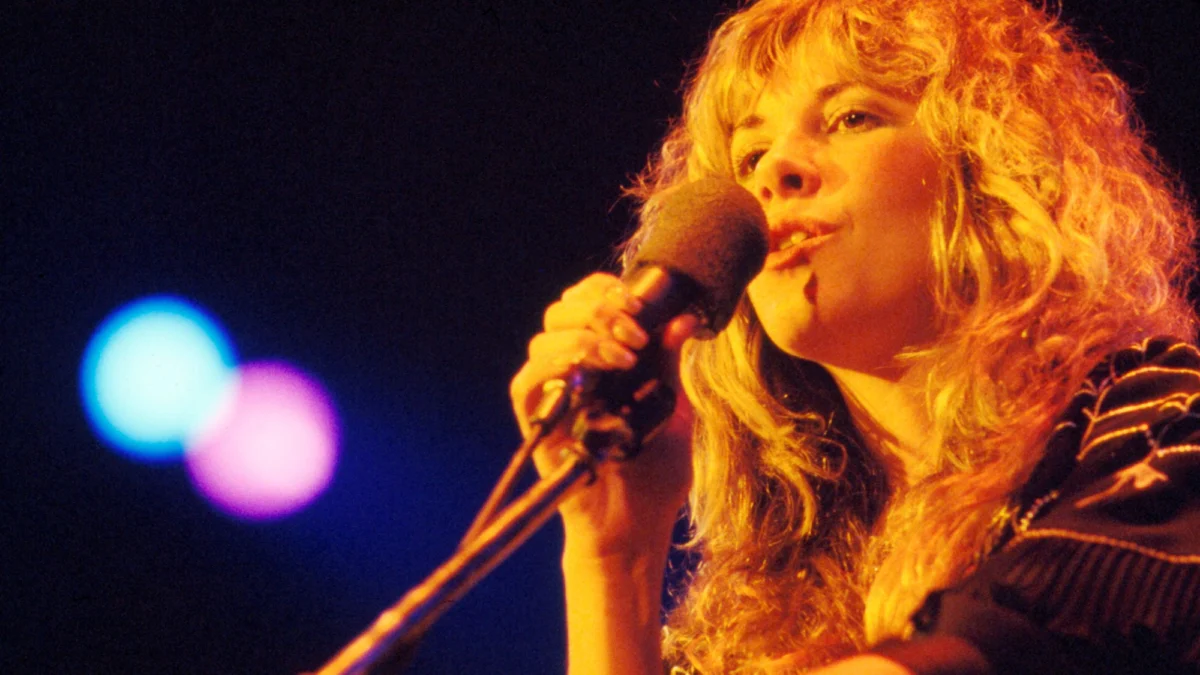
The decade of the 1970s represented a transformative era in the American musical landscape, characterized by the blurring of rigid genre boundaries and the emergence of the singer-songwriter movement. While rock, soul, and pop dominated the airwaves, the underlying DNA of many chart-topping hits shared a profound kinship with country music. Through narrative-driven lyricism, emphasis on vocal harmony, and acoustic-centric instrumentation, certain tracks from this period possessed the requisite qualities to become staples of the Nashville establishment. By examining the structural components and cultural resonance of Fleetwood Mac’s "Landslide," Gladys Knight & The Pips’ "Midnight Train to Georgia," and the Bee Gees’ "How Can You Mend a Broken Heart," it becomes evident that these compositions were only a few production choices away from the country music canon.
The Cultural Landscape of 1970s Crossover Music
To understand why these specific 1970s hits resonate with country sensibilities, one must first look at the industry trends of the time. The early 1970s saw the rise of the "Countrypolitan" sound—a polished, string-heavy production style designed to bring country music to a mainstream pop audience. Concurrently, the "Outlaw Country" movement, led by figures like Willie Nelson and Waylon Jennings, sought to strip away that polish in favor of raw, honest storytelling.
During this period, the Billboard charts frequently saw "crossover" hits. Artists such as John Denver, Olivia Newton-John, and Linda Ronstadt moved fluidly between the pop and country charts, proving that the American public was increasingly receptive to songs that prioritized emotional vulnerability and rural themes. The three songs in question emerged from this fertile ground, utilizing the same narrative tools favored by the songwriters of Music Row.
Landslide: A Masterclass in Reflective Storytelling
Released in 1975 on Fleetwood Mac’s self-titled album, "Landslide" stands as one of the most enduring compositions in the rock-folk tradition. Written by Stevie Nicks while she was in Aspen, Colorado, the song was born during a period of professional and personal uncertainty. From a structural perspective, the song features a simple, repetitive Travis-picking guitar pattern—a staple technique in both folk and country music—and a melody that allows for deep vocal expression.
The lyrical content of "Landslide" adheres strictly to the country tradition of using nature as a metaphor for internal struggle. Lines such as "Oh, mirror in the sky, what is love? / Can the child within my heart rise above?" reflect a level of introspection common in the works of country legends like Dolly Parton or Loretta Lynn. The song deals with the passage of time, the fear of change, and the humility found in the face of nature’s vastness—themes that have grounded country music since its inception.
The potential for "Landslide" to function as a country standard was ultimately validated in 2002 when the country trio The Chicks (then the Dixie Chicks) released a cover of the song. Their version reached number two on the Billboard Hot Country Songs chart and number seven on the Hot 100. The seamless transition of the song into the country format highlighted that the original 1975 version was already operating within a country framework, masked only by Nicks’ rock-icon status and the specific production of the era.
Midnight Train to Georgia: The Narrative of the Southern Return
While "Midnight Train to Georgia" is cemented in history as a soul and R&B masterpiece, its origins and narrative structure are deeply rooted in country music traditions. Written by Jim Weatherly, a songwriter with significant ties to the country genre, the song was originally titled "Midnight Plane to Houston." Weatherly first recorded it as a country-pop track before it was sent to Cissy Houston and eventually Gladys Knight & The Pips.
The song tells a quintessential country story: an aspiring performer goes to Los Angeles to find fame, fails to find success, and decides to return to the South for a "simpler place and time." The theme of the "failed Hollywood dream" and the redemptive power of the Southern home is a trope found throughout the country music songbook, from "Green, Green Grass of Home" to "Detroit City."
Musically, the song’s focus on storytelling and its relatable, everyday protagonist align with the "everyman" appeal of 1970s country music. Gladys Knight’s performance is undeniably soulful, yet the "call and response" with The Pips provides a harmonic structure that could easily be adapted to a bluegrass or gospel-country arrangement. Had the song been recorded with a prominent steel guitar and a slower, more deliberate tempo, it likely would have topped the country charts alongside hits by artists like Charlie Rich or Ronnie Milsap.
How Can You Mend a Broken Heart: The Power of Harmony
The Bee Gees are often remembered for their disco-era dominance in the late 1970s, but their early decade output was defined by soft rock, folk influences, and impeccable three-part harmonies. Their 1971 hit, "How Can You Mend a Broken Heart," is a stark, melancholic exploration of loss that mirrors the "tear-in-my-beer" sentimentality of classic country ballads.
Country music has a long history of "brother acts"—the Everly Brothers, the Louvin Brothers, and the Delmore Brothers—who utilized close-knit vocal harmonies to convey deep emotion. Barry and Robin Gibb’s vocal interplay on this track follows that exact lineage. The song’s instrumentation, centered around acoustic guitar and piano, provides a bare-bones foundation that emphasizes the lyrics’ vulnerability.
The song’s universal appeal and country-adjacent structure were noted early on. In 1972, soul singer Al Green provided a legendary cover, but the song’s potential for a country rendition remains high. The lyrics—"I can still feel the breeze that rustles through the trees / And misty memories of days gone by"—utilize the sensory, nostalgic imagery that defines the songwriting of Nashville’s "Golden Age." In an era where "country-pop" was becoming a dominant force, the Bee Gees’ 1971 hit would have required very little modification to find a home on country radio.
Supporting Data and Chronology of Genre Blending
The 1970s saw a significant shift in how the Recording Industry Association of America (RIAA) and Billboard categorized music. The following timeline illustrates the period’s genre fluidity:
- 1971: The Bee Gees release "How Can You Mend a Broken Heart." It becomes their first U.S. number-one hit.
- 1973: Gladys Knight & The Pips release "Midnight Train to Georgia." It wins the Grammy for Best R&B Vocal Performance by a Duo or Group.
- 1974: The Country Music Association (CMA) awards "Entertainer of the Year" to John Denver, a move that sparked controversy among traditionalists but signaled the genre’s broadening horizons.
- 1975: Fleetwood Mac releases their self-titled album containing "Landslide."
- 1977: The crossover trend peaks with the success of Kenny Rogers’ "Lucille" and Linda Ronstadt’s cover of "Blue Bayou," both of which dominated pop and country charts simultaneously.
Data from the era indicates that country music’s commercial footprint expanded by nearly 40% between 1970 and 1978, largely due to the inclusion of songs that appealed to suburban audiences who were also listening to Fleetwood Mac and the Bee Gees.
Analysis of Broader Implications
The fact that these three songs could have been country hits suggests that the definition of "country music" in the 1970s was more about narrative perspective than specific instruments like the banjo or fiddle. The "standard" status of a song is often determined by its durability—the ability to be reimagined in different styles without losing its emotional core.
The crossover potential of "Landslide," "Midnight Train to Georgia," and "How Can You Mend a Broken Heart" highlights a period of American songwriting where the focus was on the "universal truth" of the lyric. For "Landslide," that truth is the inevitability of aging. For "Midnight Train to Georgia," it is the importance of loyalty and roots. For "How Can You Mend a Broken Heart," it is the existential weight of grief.
These themes are the bedrock of country music. The subsequent covers of these songs by artists across the spectrum—from Al Green to The Chicks—prove that while the production may change, the "country" heart of the song remains.
In the modern era, the lines between country and pop have blurred even further, with artists like Taylor Swift and Chris Stapleton moving between worlds with ease. Looking back at the 1970s, it is clear that this trend was already well underway. These three hits serve as historical evidence that the 1970s was a decade of great songwriting that transcended the labels placed upon it by record labels and radio programmers. In another lifetime, Stevie Nicks, Gladys Knight, and the Gibb brothers might have been celebrated as the architects of a new Nashville sound.
