

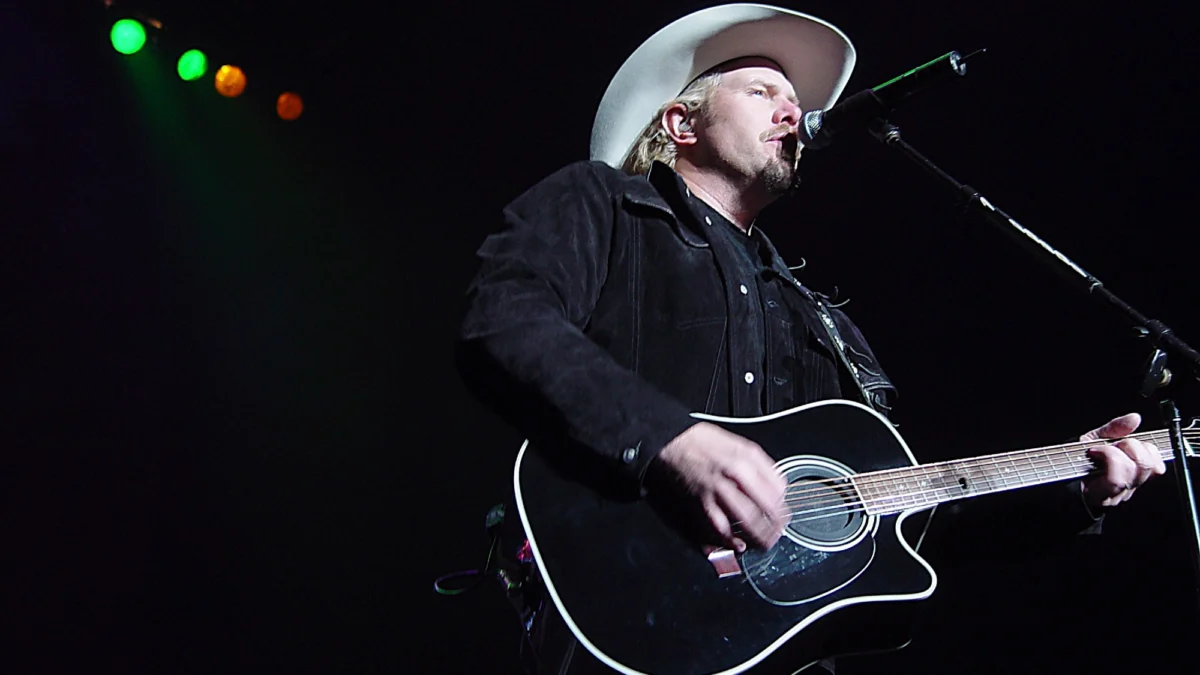
The year 2002 stands as a pivotal moment in the evolution of modern country music, representing a bridge between the neo-traditionalist movements of the 1990s and the stadium-filling pop-inflected country that would dominate the subsequent decade. As the United States navigated the cultural and emotional aftermath of the previous year’s national tragedies, the Nashville music industry responded with a collection of songs that balanced introspection, domestic realism, and high-energy production. This period saw established legends solidifying their legacies while a new vanguard of superstars, including Kenny Chesney and Toby Keith, began their ascent toward becoming the definitive voices of the era. By examining three of the most influential tracks of 2002—Toby Keith’s "My List," Terri Clark’s "I Just Wanna Be Mad," and Kenny Chesney’s "The Good Stuff"—one gains a comprehensive understanding of the thematic and sonic trends that defined the genre at the turn of the millennium.
The Cultural Landscape of Country Music in 2002
In the early 2000s, country music enjoyed a period of significant commercial expansion. According to data from the Recording Industry Association of America (RIAA), country music consistently ranked as one of the top-selling genres during this era, buoyed by the transition from cassette tapes to the peak of the Compact Disc (CD) market. The year 2002 specifically was marked by a shift in radio programming; the "Class of 1989"—which included Garth Brooks and Alan Jackson—remained influential, but the airwaves were increasingly occupied by artists who could blend traditional storytelling with a more polished, contemporary sound suitable for broad demographic appeal.
The thematic focus of the year’s biggest hits often revolved around the "everyman" experience. Songs emphasized the importance of family, the value of time, and the complexities of long-term relationships. This resonated deeply with a public seeking comfort and relatability. It was within this environment that Toby Keith, Terri Clark, and Kenny Chesney released works that would not only dominate the Billboard Hot Country Songs chart but also become permanent fixtures in the American songbook.
Toby Keith and the Introspective Turn of "My List"
Toby Keith entered 2002 as one of the most polarizing and popular figures in country music. While he was often associated with a "tough guy" persona and high-energy anthems, his release of "My List" revealed a softer, more vulnerable dimension of his artistry. Released as the third single from his quintuple-platinum album Pull My Chain, "My List" reached the No. 1 spot on the Billboard Hot Country Singles & Tracks chart in April 2002, holding the position for five consecutive weeks.
Unlike much of Keith’s catalog, "My List" was not penned by the artist himself. The song was written by Tim James and Rand Bishop, offering a narrative about a man overwhelmed by the mundane tasks of daily life—fixing a screen door, changing the oil in his truck—only to realize that these chores are secondary to spending time with his family and nurturing his spiritual life. The chorus, which highlights "starting living" as the primary goal, struck a chord with a post-9/11 audience that was collectively re-evaluating personal priorities.
Industry analysts note that "My List" was crucial for Keith’s career longevity. It proved that he could master the "power ballad" format, expanding his reach beyond his core base. The song’s success was a testament to the power of relatability; by choosing to record a song about the universal struggle of work-life balance, Keith cemented his status as a voice for the working class. The track eventually became one of the most-played songs of the year, contributing significantly to Pull My Chain becoming one of the most successful albums of his career.
Terri Clark and the Realistic Domesticity of "I Just Wanna Be Mad"
While male artists dominated much of the airplay in 2002, Terri Clark remained a formidable force for female representation in the genre. Her single "I Just Wanna Be Mad," released in August 2002 as the lead track from her album Pain to Kill, offered a refreshing and lighthearted take on the realities of marriage and long-term partnerships. Written by the seasoned Nashville songwriting duo of Kelley Lovelace and Lee Thomas Miller, the song peaked at No. 2 on the Billboard Country charts.
The song’s narrative avoids the tropes of "breakup songs" or "love songs," instead focusing on the middle ground: the temporary friction of an argument where neither party is ready to apologize yet. The lyrics—"I think I’m right, I think you’re wrong / I’ll probably give in before long / Please don’t make me smile / I just want to be mad for awhile"—captured a specific emotional honesty that resonated with listeners. It portrayed a healthy relationship as one where conflict is allowed to exist without threatening the foundation of the union.
Clark’s delivery, characterized by her signature "hat-act" bravado and smooth alto vocals, made the song an instant radio staple. For Clark, "I Just Wanna Be Mad" represented a commercial high point in the second phase of her career. It also highlighted a broader trend in 2002 where female artists like Martina McBride and Faith Hill were moving toward "lifestyle country"—songs that focused on the day-to-day emotional lives of women. The track’s enduring popularity is evidenced by its frequent inclusion on 2000s-era country compilations and its status as a fan favorite during Clark’s live performances.
Kenny Chesney and the Narrative Mastery of "The Good Stuff"
Perhaps no song better encapsulates the spirit of country music in 2002 than Kenny Chesney’s "The Good Stuff." Released in May 2002, it served as the second single from his landmark album No Shoes, No Shirt, No Problems. The song was a monumental success, spending seven non-consecutive weeks at No. 1 on the Billboard Hot Country Songs chart and eventually being named the No. 1 country song of the year by Billboard.
Written by Craig Wiseman and Jim Collins, "The Good Stuff" utilizes a classic country storytelling device: a conversation between a younger man and an older, wiser bartender. When the younger man enters a bar looking for a drink after a fight with his wife, the bartender refuses to serve him alcohol, instead offering a "glass of milk" and a story about what really matters. The "good stuff," as defined by the song, is not the whiskey or the beer, but the memories of a life well-lived with a partner—the "burnt suppers" and the "first long kiss on a second date."
The inspiration for the song was rooted in real-life tragedy. Songwriter Craig Wiseman revealed in interviews with The Boot and other Nashville outlets that the lyrics were inspired by a friend who had recently lost his wife to cancer. This infusion of genuine grief and perspective gave the song an emotional weight that was palpable to the listener. For Kenny Chesney, "The Good Stuff" was the song that transitioned him from a popular country singer into a genuine superstar. It showcased his ability to handle heavy, narrative-driven material with a sincerity that won over both critics and casual listeners. The song’s impact was so significant that it helped No Shoes, No Shirt, No Problems debut at No. 1 on the Billboard 200, a rare feat for a country artist at the time.
Data and Chart Performance: A Year of Dominance
The success of these three songs is reflected in the statistical data of 2002. During this year, country radio saw a high turnover of hits, yet these three tracks maintained unusual longevity on the charts.
- Toby Keith’s "My List": 5 weeks at No. 1; Top 30 on the Billboard Hot 100.
- Terri Clark’s "I Just Wanna Be Mad": Peak position No. 2; 20+ weeks on the chart.
- Kenny Chesney’s "The Good Stuff": 7 weeks at No. 1; named the No. 1 Country Song of 2002.
Furthermore, the albums associated with these singles—Pull My Chain, Pain to Kill, and No Shoes, No Shirt, No Problems—all achieved RIAA certifications of Gold, Platinum, or Multi-Platinum within twelve months of their respective releases. This period represented the financial zenith of the Nashville "machine," where radio airplay directly translated into massive physical album sales.
Broader Impact and Implications for the Genre
The legacy of these 2002 classics extends beyond their initial chart runs. They represent a specific era of "Modern Traditionalism," where the instrumentation still leaned heavily on steel guitar and fiddle, but the production was clean and the themes were increasingly suburban. These songs paved the way for the "narrative" style of the mid-2000s, influencing later artists like Brad Paisley and Carrie Underwood.
Moreover, the success of "The Good Stuff" and "My List" signaled a shift in how male country stars marketed themselves. It became acceptable—and indeed, commercially lucrative—for male artists to lead with vulnerability and domesticity. This softened the "outlaw" image of the 70s and the "tough guy" image of the 90s, creating a more holistic "family man" archetype that remains prevalent in the genre today.
In conclusion, the year 2002 was a cornerstone for country music, defined by songs that spoke to the heart of the American experience during a time of transition. Toby Keith’s "My List" reminded listeners to slow down; Terri Clark’s "I Just Wanna Be Mad" provided a realistic look at love’s friction; and Kenny Chesney’s "The Good Stuff" offered a profound meditation on life’s true priorities. More than two decades later, these tracks continue to receive significant airplay, proving that while musical trends may shift, the power of a well-told story remains the bedrock of country music.
