

The intersection of musicology and nocturnal psychology reveals a distinct category of rock compositions that transcend mere entertainment, functioning instead as auditory companions for the quiet, solitary hours of the night. While the majority of rock and roll is historically associated with high-energy daytime activities or the frenetic energy of live evening performances, a specific subset of the genre leans into the stillness of the late hours. These compositions—characterized by lower tempos, minimalist arrangements, and introspective lyrical themes—serve as a soundtrack for the "racing mind," a phenomenon often exacerbated by the lack of external stimuli during the night. By examining seminal tracks from The Velvet Underground, Radiohead, and Mazzy Star, one can trace the evolution of the "nocturnal rock" sound and its enduring impact on the listener’s emotional landscape.
The Foundations of Nocturnal Rock: The Velvet Underground and the Avant-Garde Night
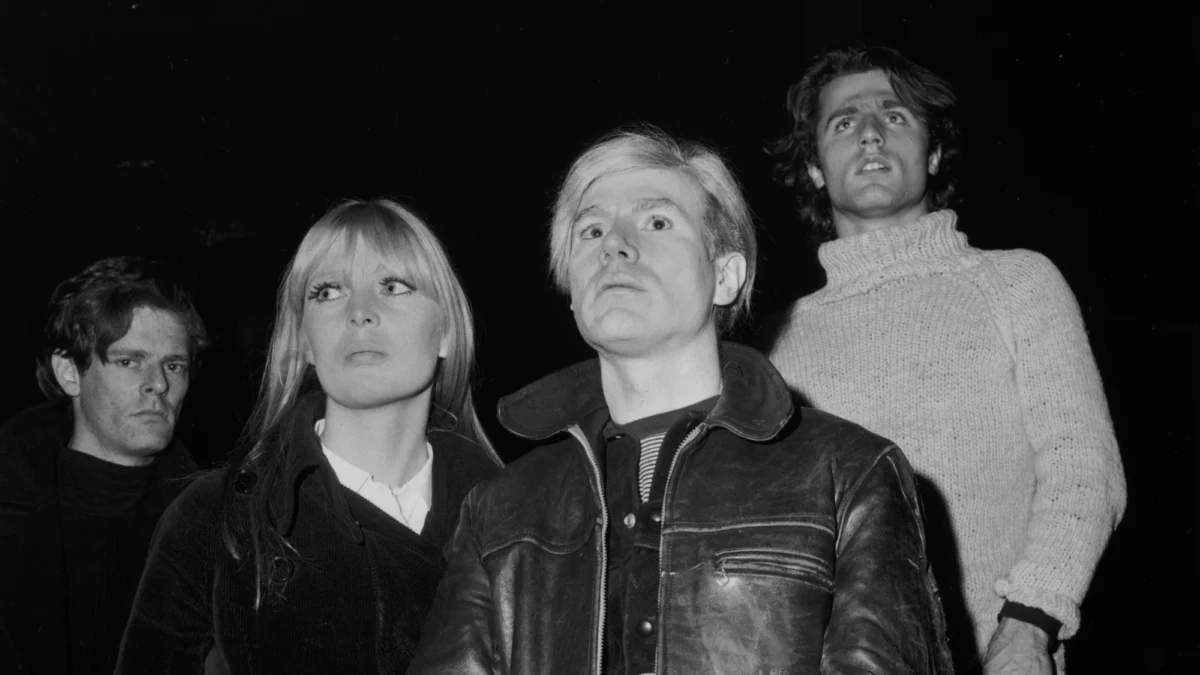
In 1967, the release of The Velvet Underground & Nico introduced a stark contrast to the psychedelic, sun-drenched pop dominating the airwaves. Among its most haunting tracks is "All Tomorrow’s Parties," a song that Lou Reed described as a favorite of Andy Warhol. The track’s origins are rooted in the "Exploding Plastic Inevitable" era, where the band served as the house ensemble for Warhol’s multimedia events. Unlike the celebratory nature of the 1960s counterculture, "All Tomorrow’s Parties" provides a dejected, post-party perspective that feels specifically tailored for the hours after the lights have dimmed.
The song’s technical structure contributes significantly to its nighttime aesthetic. John Cale’s use of a "prepared piano"—a technique where paper or other objects are placed between the strings—creates a percussive, drone-like quality that mirrors the repetitive nature of intrusive thoughts. Coupled with Nico’s deep, Teutonic contralto, the lyrics examine the social anxiety of the "poor girl" who must choose her shroud for the next day’s festivities. The lines, "And where will she go and what shall she do / When midnight comes around," directly address the transition from the social masks of the evening to the lonely reality of the early morning.
Music historians often point to this track as the progenitor of "Goth" and "Post-Punk" sensibilities. It captures the "Sunday Morning" comedown—the moment when the magic of a night out evaporates, leaving the individual to sit alone with the realization of social performativity. In a late-night context, the song acts as a mirror for the listener’s own isolation, looking down on the "party crowd" from a vantage point of weary wisdom.
Existential Dread in the Digital Age: Radiohead’s "No Surprises"
Three decades after The Velvet Underground explored the dark side of New York’s art scene, Radiohead released OK Computer in 1997, an album that would become the definitive document of pre-millennial tension. "No Surprises," the album’s tenth track, represents the pinnacle of what music critics call "the beautiful malaise." While the song’s melody is reminiscent of a child’s lullaby—reinforced by the prominent use of a glockenspiel—the lyrical content is a devastating critique of modern existence.
The song was recorded during a period of intense touring for the band, a time when lead singer Thom Yorke was reportedly struggling with the disconnect between his public persona and his internal state. The lyrics—"A heart that’s full up like a landfill / A job that slowly kills you"—resonate most profoundly during the late hours when the distractions of the workday have ceased. The night often brings a clarity to life’s injustices and the "bruises that won’t heal," making the song’s call for a "quiet life" feel less like a choice and more like an exhausted plea.
From a production standpoint, Nigel Godrich utilized a slowed-down recording technique to give the track its ethereal, slightly off-kilter quality. This "lulling" effect is deceptive; it draws the listener into a false sense of security before delivering lines about "a handshake of carbon monoxide." In the context of a "starry night with nothing to do," as the original text suggests, "No Surprises" functions as a catalyst for a specific type of late-night pessimism—one that is not necessarily violent, but rather a resigned acceptance of the mundane.
The Atmospheric Intimacy of Mazzy Star’s "Fade Into You"
If "All Tomorrow’s Parties" is about the social aftermath and "No Surprises" is about existential fatigue, Mazzy Star’s 1993 hit "Fade Into You" represents the intimate, romantic, and often confusing side of the nocturnal experience. Emerging from the "Paisley Underground" scene in Los Angeles, Mazzy Star, led by the enigmatic Hope Sandoval and guitarist David Roback, perfected a brand of dream pop that relied heavily on atmosphere and texture.
"Fade Into You" is built on a simple, repetitive chord progression (G-Bm-A), but its power lies in its restraint. The use of a slide guitar provides a weeping, melancholic undertone that complements Sandoval’s breathy, understated vocals. The lyrics, "I wanna hold the hand inside you / I wanna take the breath that’s true," are among the most introspective in the alternative rock canon. They speak to the desire for a deep, soul-level connection that often feels more achievable in the vulnerability of the night.
Unlike the previous two tracks, "Fade Into You" offers a sense of "cozy" isolation. It is a song that "quiets us down for the night" rather than amping us up. The song’s success—it reached number 3 on the Billboard Modern Rock Tracks chart—proved that there was a massive commercial appetite for music that prioritized mood over tempo. For the late-night listener, it provides a space for reflection on relationships and the "truth" that is often hidden during the bright, loud hours of the day.
Chronology and the Evolution of the "Nocturnal" Sound
The development of these songs reflects a broader timeline of how rock music moved from the external to the internal.
- 1966-1967: The Velvet Underground records "All Tomorrow’s Parties" at Scepter Studios in New York. The song is largely ignored by the mainstream but becomes a foundational text for avant-garde rock.
- 1990-1993: The rise of "Shoegaze" and "Dream Pop." Mazzy Star records "Fade Into You" for their second album, So Tonight That I Might See. The song bridges the gap between underground psych-folk and mainstream alternative radio.
- 1996-1997: Radiohead retreats to St. Catherine’s Court, a historic mansion, to record OK Computer. "No Surprises" is captured in a single take, emphasizing the raw, unpolished emotion of Yorke’s vocal performance.
This chronology illustrates a shift in the "night song." In the 60s, it was about the darkness of the city; in the early 90s, it was about the haziness of the psyche; by the late 90s, it was about the claustrophobia of the modern world. All three, however, share a common thread: they are designed for a listener who is "still" while the rest of the world is "moving."
Musicological Data and the "Late Night" Appeal
Data from streaming platforms and musicological studies suggest that listener behavior changes significantly after 10:00 PM. According to various "mood" algorithms used by services like Spotify and Apple Music, "slow-tempo" and "acoustic-heavy" tracks see a 25-30% uptick in play rates during the late-night hours.
The three songs discussed here share specific technical traits that align with these findings:
- BPM (Beats Per Minute): "No Surprises" sits at approximately 76 BPM, which closely mimics the human resting heart rate. This creates a biological sense of calm, even when the lyrics are distressing.
- Harmonic Density: "Fade Into You" utilizes a 6/8 time signature (or a very swung 4/4), which creates a "lulling" or "rocking" sensation conducive to sleep or deep relaxation.
- Vocal Delivery: All three songs feature "non-belted" vocals. Nico, Thom Yorke, and Hope Sandoval all sing at a volume that suggests they are whispering directly into the listener’s ear, a technique that enhances the sense of intimacy required for late-night listening.
Broader Impact and Cultural Implications
The legacy of these tracks extends far beyond their initial release dates. They have collectively defined the "melancholy rock" subgenre, influencing contemporary artists such as Lana Del Rey, Phoebe Bridgers, and Beach House. These modern artists continue to explore the "nighttime" aesthetic, proving that the need for music that addresses the "racing mind" is a permanent fixture of the human condition.
Furthermore, the "nocturnal" quality of these songs has made them staples in film and television, often used to underscore moments of profound realization or quiet despair. From the use of "No Surprises" in the television medical drama House to "Fade Into You" appearing in countless coming-of-age films, these songs have become the universal shorthand for "introspection."
In conclusion, "All Tomorrow’s Parties," "No Surprises," and "Fade Into You" are more than just rock songs; they are psychological tools. They provide a safe harbor for the "quiet and emotional" thoughts that only surface when the sun goes down. By prioritizing mood over energy and introspection over spectacle, these tracks have secured their place as the definitive soundtrack for the late-night hours, offering solace to those whose minds refuse to rest.
