

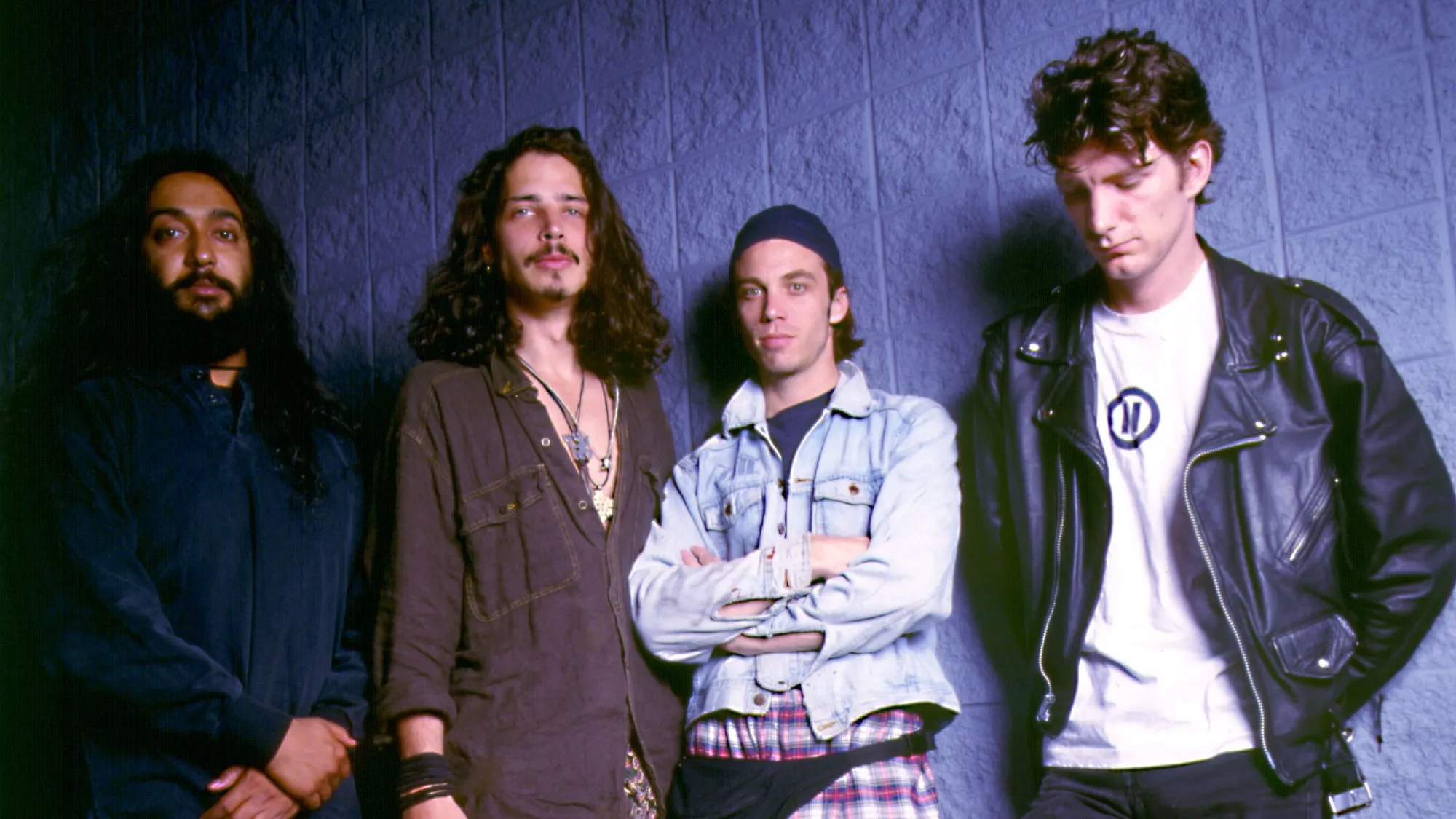
The emergence of these vocalists was not merely a matter of aesthetic preference but a reflection of a changing cultural zeitgeist. As the Cold War ended and a sense of "Gen X" cynicism took root, listeners gravitated toward music that felt "real." The music industry, previously dominated by the gloss of MTV’s early years, was forced to adapt to a demand for singers who sounded like they were grappling with the complexities of the human condition. This transition was marked by the "Seattle Sound" or grunge, the rise of independent female voices in alternative rock, and a general blurring of the lines between underground and mainstream appeal.
The Technical Prowess and Emotional Depth of Chris Cornell
Chris Cornell is frequently cited by musicologists and peers alike as one of the most technically gifted vocalists in the history of rock music. Boasting a multi-octave range—often cited as spanning nearly four octaves—Cornell possessed the rare ability to transition seamlessly from a delicate, breathy baritone to a glass-shattering tenor scream. As the frontman for Soundgarden, and later Temple of the Dog and Audioslave, Cornell’s voice became synonymous with the "heavy" yet melodic side of the 1990s alternative movement.
In tracks like "Outshined" and "Black Hole Sun," Cornell demonstrated a mastery of vocal dynamics that few of his contemporaries could match. Unlike the hair metal vocalists of the previous decade who used high notes for showmanship, Cornell used his upper register to convey a sense of existential dread and visceral yearning. His work on the 1994 album Superunknown showcased a singer at the height of his powers, blending bluesy grit with a haunting, psychedelic sensibility. Industry data reflects this impact; Superunknown debuted at number one on the Billboard 200 and has since been certified six-times platinum by the RIAA. Cornell’s legacy is defined by this "unmatched" uniqueness—a voice that was as powerful as a hurricane yet capable of profound intimacy.
Kurt Cobain and the Transformation of the Rock Archetype
If Chris Cornell represented the technical peak of 1990s vocals, Kurt Cobain represented its emotional epicenter. As the primary songwriter and vocalist for Nirvana, Cobain is credited with dismantling the artifice of 1980s rock. His vocal style was characterized by a "sandpaper" quality—a raspy, strained delivery that felt like a direct transmission of his internal state. Cobain’s voice was not about perfection; it was about the communication of angst, apathy, and occasional flashes of manic energy.
The release of Nevermind in September 1991 serves as the definitive turning point for the decade. The lead single, "Smells Like Teen Spirit," featured a vocal performance that fluctuated between whispered verses and a shredded, screaming chorus, a formula that would be replicated by countless bands throughout the 1990s. However, Cobain’s versatility is often overlooked. On tracks like "About a Girl" or the band’s MTV Unplugged in New York performance, he displayed a melodic sensitivity and a folk-influenced clarity that proved he was more than a "grunge shouter." His rendition of Lead Belly’s "Where Did You Sleep Last Night" remains a touchstone for vocal intensity, ending with a breathy, wide-eyed gasp that has been analyzed by critics for decades as a moment of pure, unscripted musical theater.
Dolores O’Riordan: The Fusion of Celtic Tradition and Alternative Power
While the Pacific Northwest was redefining rock through a male-centric lens, Ireland’s Dolores O’Riordan was carving out a unique space for female vocalists. As the lead singer of The Cranberries, O’Riordan introduced a vocal style that was deeply rooted in Irish traditional music, specifically the technique of "keening"—a traditional form of vocal lamentation. Her voice featured a distinctive "break" or yodel-like flip between her chest voice and head voice, which added a layer of haunting beauty to the band’s alternative rock arrangements.
O’Riordan’s impact was global. The 1994 hit "Zombie," a protest song regarding the Northern Ireland conflict, showcased her ability to move from a fragile lilt to a guttural, aggressive growl. This duality—the ability to be both "the flower and the thorn"—redefined what a female rock lead could sound like in the 1990s. The Cranberries’ second album, No Need to Argue, sold over 17 million copies worldwide, driven largely by the unmistakable nature of O’Riordan’s delivery. She proved that a vocalist did not have to abandon their cultural identity to achieve mainstream rock success; rather, that identity could be the very thing that made them a superstar.
PJ Harvey and the Cinematic Evolution of Alternative Rock
PJ Harvey (Polly Jean Harvey) emerged in the early 1990s as a formidable force of nature, offering a sound that was raw, theatrical, and fiercely independent. Her early albums, Dry (1992) and Rid of Me (1993), featured a vocal style that was often described as "unfiltered." Working with engineers like Steve Albini, Harvey captured a vocal sound that felt dangerously close to the listener—breathy, aggressive, and entirely devoid of the standard pop sheen.
Harvey’s uniqueness lay in her constant evolution. Throughout the 1990s, she shifted from the blues-inflected punk of her early work to the sophisticated, cinematic art-rock of To Bring You My Love (1995). Her voice was her primary tool for this reinvention; she could sound like a Victorian ghost in one track and a vengeful blues queen in the next. Critics often point to her vocal control and dramatic shifts as a primary reason for her longevity. Unlike many of her peers who became tethered to the "grunge" label, Harvey’s vocal versatility allowed her to remain at the forefront of the avant-garde, eventually becoming the only artist to win the prestigious Mercury Prize twice.
Chronology of a Vocal Revolution: 1990–1999
The timeline of the 1990s shows a clear progression of these vocal styles entering and then dominating the mainstream:
- 1990: The release of Alice in Chains’ Facelift and Jane’s Addiction’s Ritual de lo Habitual sets the stage for a new vocal grit.
- 1991: The "Year Punk Broke." Nirvana’s Nevermind and Soundgarden’s Badmotorfinger are released, shifting the Billboard charts away from Michael Jackson and hair metal toward the raw vocals of Cobain and Cornell.
- 1992: PJ Harvey releases Dry, garnering critical acclaim in the UK and US for her uncompromising vocal delivery.
- 1993: The Cranberries release Everybody Else Is Doing It, So Why Can’t We?, introducing O’Riordan’s Celtic-rock fusion to the masses.
- 1994: The peak of the alternative era. Soundgarden’s Superunknown and The Cranberries’ No Need to Argue dominate airwaves. The death of Kurt Cobain in April creates a vacuum that emphasizes the "once-in-a-generation" nature of his voice.
- 1995: PJ Harvey releases To Bring You My Love, proving that 1990s vocalists could evolve beyond the "grunge" aesthetic into high art.
- 1997–1999: The late 90s see a diversification of these influences, with vocalists like Fiona Apple and Jeff Buckley (posthumously) carrying forward the torch of vocal uniqueness.
Industry Data and Cultural Implications
The commercial success of these unique vocalists challenged the prevailing wisdom of the recording industry. Prior to the 1990s, "radio-friendly" vocals were often equated with a lack of harshness and a high degree of melodic predictability. The data from the 1990s suggests the opposite:
- Nirvana’s Nevermind has sold over 30 million copies worldwide.
- Soundgarden’s "Black Hole Sun" remained at the top of the Billboard Mainstream Rock Tracks chart for seven weeks.
- The Cranberries’ "Zombie" reached number one in multiple countries, including Australia, France, and Germany, proving that O’Riordan’s unique vocal style had universal appeal.
This era proved that audiences were hungry for "flawed" perfection. The imperfections in Cobain’s voice or the sharp, jagged edges of PJ Harvey’s delivery were not seen as detriments but as hallmarks of authenticity. This shift had a lasting impact on how A&R (Artists and Repertoire) departments scouted talent, moving away from "manufactured" voices toward artists with a singular, recognizable "DNA" in their vocal cords.
Legacy and the Enduring Influence of the 1990s Sound
The legacy of these four vocalists continues to resonate in the modern musical landscape. The "Cornell scream" can be heard in the performances of modern rock frontmen, while O’Riordan’s influence is evident in the work of artists ranging from Florence Welch to Adele. PJ Harvey remains a beacon for experimental artists, and Kurt Cobain’s "quiet-loud" vocal dynamic is a foundational element of modern alternative and emo music.
In retrospect, the 1990s were a decade where the "strange" became the "standard." These vocalists did not succeed by fitting in; they succeeded by leaning into the qualities that made them different. As the music industry continues to navigate the era of digital streaming and AI-generated content, the singular, human, and deeply "unique" voices of the 1990s stand as a reminder of the power of individual expression. They proved that a voice does not need to be perfect to be immortal—it only needs to be real.
