

In the contemporary digital music landscape, the "link in bio" has evolved from a simple directory of social media URLs into a sophisticated, multi-functional command center for independent artists and major-label performers alike. As social media platforms like Instagram, TikTok, and X (formerly Twitter) continue to restrict outbound linking to a single profile slot, the strategic importance of that link has reached an all-time high. Industry experts and music marketing professionals now argue that the choice of a link-in-bio provider is no longer a matter of aesthetic preference but a critical business decision that impacts fan retention, data collection, and direct-to-fan revenue.
Jesse Cannon, a renowned music marketing expert, producer, and author of the influential DIY guide Get More Fans: The DIY Guide to the New Music Business, recently conducted an extensive analysis of the leading tools available to creators. Following a rigorous comparison of various platforms, Cannon identified Koji as the premier "link in bio" solution for musicians, producers, and instrumentalists. His findings suggest that the platform’s unique architecture—which utilizes a "mini-app" ecosystem rather than a list of static redirects—provides a significant competitive advantage in a crowded attention economy.

The Evolution of the Digital Handshake: First Impressions in the Creator Economy
In the traditional music industry model, an artist’s website served as the primary hub for information and commerce. However, as user behavior shifted toward mobile-first social media consumption, the friction of leaving an app to visit a slow-loading external website led to high "bounce rates" and lost opportunities. Jesse Cannon emphasizes that for modern musicians, the link in bio serves as the "first impression" for potential fans.
"Truly one of the most overlooked parts of building a fan base is the first impression you make on fans," Cannon stated in his analysis. He argues that a disorganized or visually unappealing link tree can signal a lack of professionalism, whereas a streamlined, interactive experience can convert a casual scroller into a lifelong listener. Koji’s platform is designed to facilitate this conversion by offering a suite of free tools that allow artists to tell their stories through customized text, high-resolution graphics, and integrated media players. By creating a "personalized website" feel within the social media browser, artists can maintain the fan’s attention without the jarring transition to a standard external browser.
The Technological Shift: Understanding the Mini-App Advantage
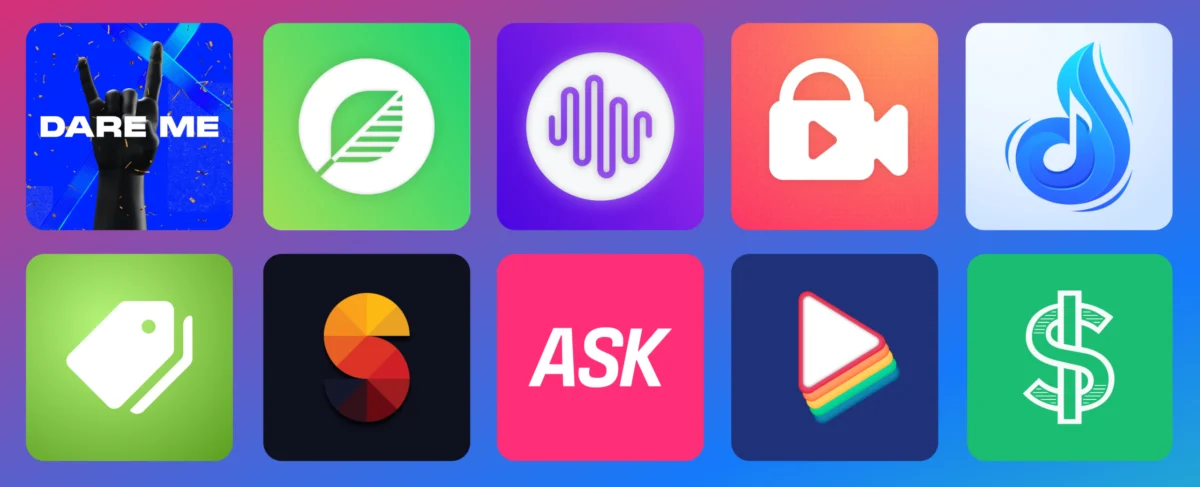
The core differentiator between Koji and legacy competitors like Linktree or Beacons is its underlying technology. While most services act as a simple "switchboard" that redirects users to other sites (e.g., Spotify, Apple Music, or a merch store), Koji functions as a platform for "mini-apps." These are lightweight, web-based applications that run directly inside the link-in-bio interface.

According to Cannon, this distinction is vital for marketing efficiency. "These are not iOS apps; there’s nothing [fans or musicians] need to download," he explained. "Their app store has so many cool possibilities for doing high-quality marketing to your audience." Because these apps load instantly within the social media environment, they eliminate the "app store friction" that often prevents fans from completing a purchase or signing up for a newsletter.
From a technical standpoint, this architecture allows for deep integration. For example, a musician can host a "Tip Jar," sell digital downloads, or run a giveaway without the fan ever leaving the Instagram or TikTok interface. This seamless experience is backed by data suggesting that every additional step or "click" required in a digital transaction leads to a significant percentage of user drop-off.
Diversified Revenue Streams through the Koji App Store
For musicians, the financial landscape has shifted toward a "direct-to-fan" (D2F) model. With streaming royalties often failing to provide a living wage for independent artists, the ability to monetize a social media following directly is paramount. The Koji App Store offers a variety of monetization tools that cater specifically to the needs of the music community:

- Digital Product Sales: Musicians can sell "stems," sample packs, or high-quality FLAC files directly to fans. This is particularly useful for producers and instrumentalists who want to monetize their technical skills.
- Locked Content: Artists can offer "sneak peeks" of upcoming music videos or unreleased tracks behind a paywall or an email sign-up "gate."
- Fan Interaction Apps: Tools like "Ask Me Anything" (AMA) or "Video Shoutouts" allow artists to sell personalized experiences, a market that has seen exponential growth following the success of platforms like Cameo.
- Crowdfunding and Tipping: Unlike traditional storefronts that may take a 15-30% commission, Koji’s infrastructure is designed to keep more money in the artist’s pocket, providing a more sustainable financial model for emerging talent.
Strategic Implementation: Building the Ultimate Musician Profile
To maximize the efficacy of a Koji profile, Jesse Cannon and other industry analysts suggest a strategic approach to profile construction. The goal is to balance immediate calls to action (CTAs) with long-term relationship building. Experts recommend the following five-step framework for musicians:
- Prioritize the "Latest Release": The most current single or album should always occupy the top visual real estate of the profile, often utilizing an "Embed" app that allows fans to listen to the track without leaving the page.
- Visual Consistency: The profile’s theme, colors, and fonts should align with the artist’s current "era" or brand identity, ensuring a seamless transition from the social media feed to the link in bio.
- Email Collection as a Priority: Given the volatility of social media algorithms, owning fan data is essential. Using a "Newsletter Sign-up" mini-app ensures that artists can reach their audience regardless of platform changes.
- Utilizing Video Backgrounds: Koji allows for 4K video backgrounds, which can be used to showcase snippets of music videos, creating a more immersive and high-end feel than static images.
- Regular Updates: A link in bio should be a "living" document. Cannon suggests that musicians treat it as a place to regularly send fans to build a deeper relationship, rather than a "set it and forget it" tool.
Chronology of the Link-in-Bio Sector and Market Trends
The "link in bio" phenomenon began in the early 2010s as a workaround for Instagram’s refusal to allow hyperlinks in captions. By 2016, platforms like Linktree pioneered the concept of a simple landing page of buttons. However, the period between 2020 and 2024 has seen a massive influx of venture capital and technological innovation in the space, driven by the explosion of the "Creator Economy," which is currently valued at over $250 billion.
The shift from "Link in Bio 1.0" (static lists) to "Link in Bio 2.0" (interactive mini-apps) reflects a broader trend in web development toward "composable" platforms. In 2021, Koji’s launch of its advanced app store marked a turning point, forcing competitors to scramble to add similar interactive features. For the music industry, this coincided with the post-pandemic realization that digital-first engagement is the most resilient form of fan management.
Broader Industry Implications and Official Responses
The adoption of advanced link-in-bio tools has significant implications for the traditional power dynamics of the music industry. By providing independent artists with the same high-level marketing tools used by major labels, Koji is effectively democratizing the "tech stack" of music promotion.
Industry analysts note that when artists control their own storefronts and data collection points via a link in bio, they gain leverage in contract negotiations with labels and distributors. While major labels have historically provided the "infrastructure" for an artist’s digital presence, the ease of use of platforms like Koji allows even entry-level musicians to manage a sophisticated digital ecosystem.
Official responses from the creator community have been largely positive. Jesse Cannon’s analysis on his YouTube channel, Musformation, has sparked a wider conversation about the "UX of Fandom." He concludes that the question is no longer whether an artist needs a link in bio, but how they can use it to "facilitate a deeper connection."
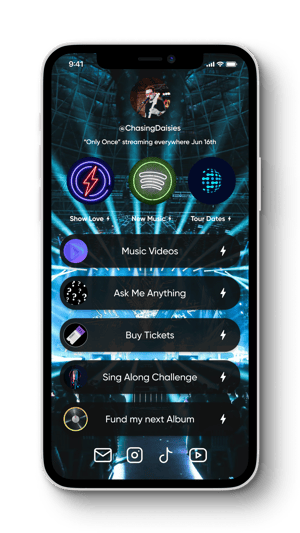
"We should think about if a fan clicked around [your Koji], what would make the best first impression or get them to build a deeper relationship?" Cannon posits. This shift in mindset—from viewing the link as a utility to viewing it as an experience—is perhaps the most significant change in music marketing in the last decade.
As the digital landscape continues to fragment, the ability to centralize a brand into a single, high-performing, and monetizable hub will likely remain the cornerstone of a successful music career. For artists looking to scale their operations in 2024 and beyond, the move toward "supercharged" links appears not just beneficial, but essential for survival in the modern attention economy.
