

The contemporary music industry has undergone a radical transformation over the last decade, shifting from a centralized, label-dominated hierarchy to a decentralized ecosystem where independent artists represent the fastest-growing sector. According to industry reports from Midia Research, independent artists—those recording without traditional label backing—generated approximately $1.2 billion in 2022, a significant increase that highlights the viability of the "DIY" career path. However, this growth has brought about an era of unprecedented market saturation, with over 100,000 tracks uploaded to streaming platforms daily. In this hyper-competitive environment, the ability to network and collaborate has moved from being a supplementary skill to a core professional requirement for career sustainability.
While networking was once confined to backstage handshakes and high-level industry mixers, the modern independent musician must now employ a multi-faceted approach to community building. The traditional barriers to entry have lowered, but the noise floor has risen, making strategic partnerships essential for amplifying reach and creative development. Industry analysts observe that the most successful independent creators are those who view networking not as a transactional pursuit, but as a commitment to artistic "cross-pollination."
The Shift from Gatekeepers to Peer-to-Peer Networks
Historically, a musician’s professional network was largely determined by their proximity to major label A&R representatives or high-profile booking agents. The "gatekeeper" model dictated that success was filtered through a small number of industry executives. However, the rise of digital distribution and social media has facilitated a shift toward peer-to-peer networking. This transition allows artists to build their own infrastructures through collaboration with fellow creatives, including photographers, videographers, and other musicians.

Data suggests that collaborative tracks often perform better on streaming algorithms than solo releases. By pooling audiences, artists can bypass traditional marketing costs. This trend has led to a renewed focus on local and digital communities as the primary engines of growth. The following analysis explores the strategic methods currently being utilized by independent professionals to foster these essential connections.
Integrating with Local Interdisciplinary Arts Scenes
One of the most effective, yet often overlooked, networking strategies involves engaging with the broader local arts community. Music does not exist in a vacuum; it is frequently paired with visual and performance arts. By attending local gallery openings, theater productions, and poetry slams, musicians can tap into a network of creatives who are often seeking sonic components for their own work.
For example, the rise of immersive art installations has created a high demand for bespoke soundscapes. A sculptor or digital artist may require a specific auditory atmosphere to complement a physical exhibit. These interactions provide musicians with opportunities for "sync" placements outside the traditional film and television markets. Furthermore, local theater companies often operate on budgets that preclude the use of licensed mainstream music, creating a niche for independent composers to provide original scores. This interdisciplinary approach not only broadens an artist’s portfolio but also introduces their music to diverse audiences who may not frequent traditional music venues.
The Rise of Structured Collaborative Spaces: Jam Sessions and Workshops
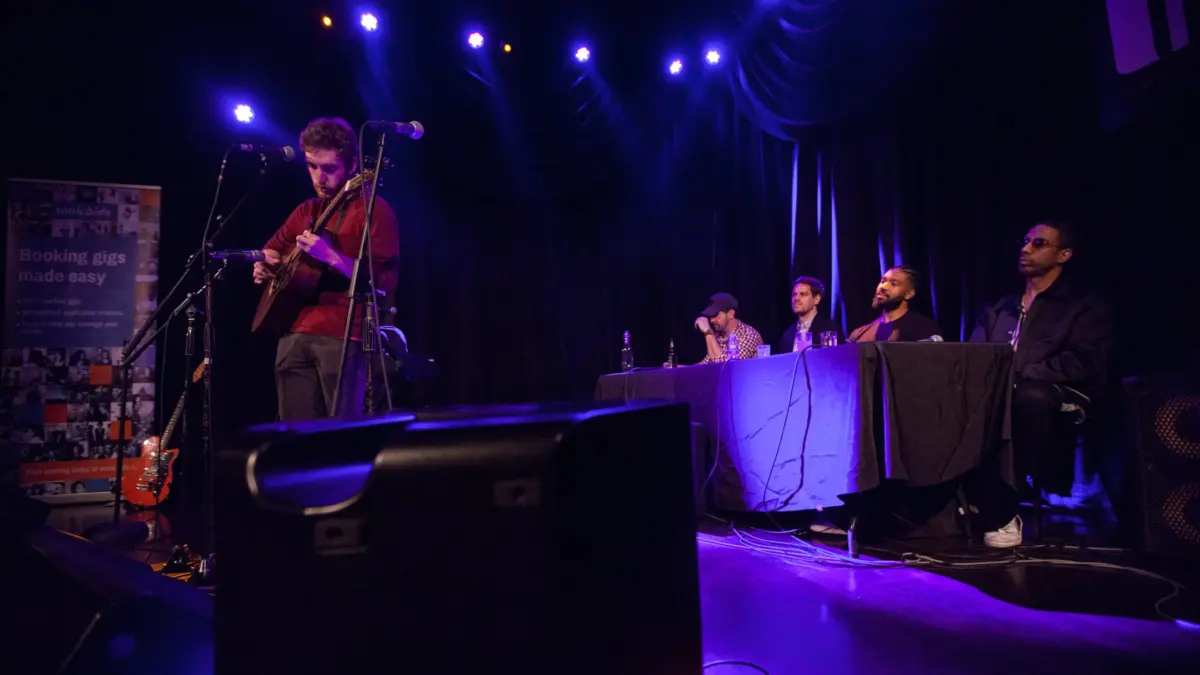
As the industry becomes increasingly digital, the value of physical, high-trust environments has surged. Structured events, such as jam sessions and songwriting workshops, serve as laboratories for professional rapport. Organizations like Sonicbids have historically facilitated these types of interactions through "Feedback Collective" panels and songwriting workshops, which provide a formal framework for artists to critique and support one another’s work.

These events serve a dual purpose. First, they allow for the immediate assessment of a potential collaborator’s technical skill and professional temperament. Second, they foster a sense of "co-opetition"—a blend of cooperation and competition that drives artistic excellence. In a workshop setting, a rock guitarist might find common ground with a jazz saxophonist or an electronic producer, leading to the creation of "genre-fluid" music. This trend toward genre-blending is currently dominating global charts, as seen in the success of artists who merge folk, trap, and ambient influences. By hosting or participating in these sessions, musicians position themselves at the center of a local "hub," increasing their visibility to other industry stakeholders.
Digital Evolution: Beyond Mainstream Social Media
While platforms like Instagram and TikTok are essential for fan engagement, they are often less effective for deep professional networking due to their algorithmic focus on viral content. Consequently, independent musicians are increasingly turning to specialized platforms designed for collaboration.
Sites such as BandLab, SoundCloud, and Discord have become the "virtual green rooms" of the music world. BandLab, in particular, has reported significant growth, providing tools that allow artists to collaborate on tracks in real-time across different continents. This "Global Village" effect means that a producer in London can seamlessly work with a vocalist in Tokyo.
Strategic networking on these platforms requires a move away from "spamming" links toward "thoughtful engagement." Industry experts recommend that artists contribute value to the community—through feedback or technical advice—before seeking favors or collaborations. This builds "social capital," a metric that is increasingly recognized as a predictor of long-term success in the digital economy.

The Festival Ecosystem: Volunteering as Strategic Access
Music festivals represent the highest concentration of industry professionals in a single location. However, for many independent artists, the cost of attendance or the difficulty of securing a performance slot can be prohibitive. Volunteering at these events has emerged as a tactical solution for gaining "behind-the-scenes" access.
Volunteers often work alongside event organizers, stage managers, and sound engineers—individuals who hold significant influence over future booking decisions. By performing their duties reliably while also being prepared to discuss their own musical projects, volunteers can build organic relationships with industry insiders. This "labor-for-access" model has been the starting point for numerous careers, as it demonstrates an artist’s work ethic and commitment to the industry at large. It provides a vantage point to observe the logistics of large-scale productions, which is invaluable knowledge for any artist looking to scale their own live performances.
Leveraging the Fanbase as a Networking Resource
In the current "superfan" economy, an artist’s audience is no longer just a passive consumer group; they are active participants in the artist’s career trajectory. Crowdsourcing networking opportunities through a fanbase is a strategy that utilizes the professional diversity of the listeners themselves.
Independent musicians are increasingly using tools like Patreon, Discord, and social media polls to ask their fans for recommendations on collaborators or local venues. Because fans are invested in the artist’s success, they often act as informal "street teams" or connectors. A fan might have a professional connection to a recording studio, a graphic designer, or another musician. This democratization of the management role allows the artist to focus on creativity while their community helps facilitate professional growth. This model reinforces the "1,000 True Fans" theory, which posits that a modest, highly engaged audience is more valuable than a large, disengaged one.

Analysis of Implications and Future Outlook
The shift toward these "unexpected" networking methods reflects a broader trend of professionalization among independent musicians. As the traditional labels continue to consolidate and focus on established stars, the independent sector must build its own sustainable infrastructure.
The implications of this shift are twofold. First, it requires musicians to be "polymaths"—individuals who are as skilled in communication and project management as they are in songwriting. The modern artist is a small business owner, and networking is their business development department. Second, it promotes a more equitable industry. When networking is based on community involvement and peer-to-peer support rather than exclusive industry parties, it allows for a more diverse range of voices to be heard.
Data from the past five years indicates that artists who engage in frequent collaboration see a higher "stickiness" in their listener retention rates. By appearing on other artists’ tracks or involving different creatives in their projects, they create multiple entry points for new listeners.
In conclusion, the path to success for the independent musician in the 2020s is paved with intentional, strategic connections. Whether through local interdisciplinary art events, structured workshops, niche digital platforms, festival volunteering, or fan engagement, the objective remains the same: to build a resilient community that can withstand the volatility of the music market. As the industry continues to evolve, those who embrace the "community-first" mindset are likely to find themselves at the forefront of the next musical revolution. Networking is no longer a hurdle to be cleared; it is the very foundation upon which a modern musical career is built.
