

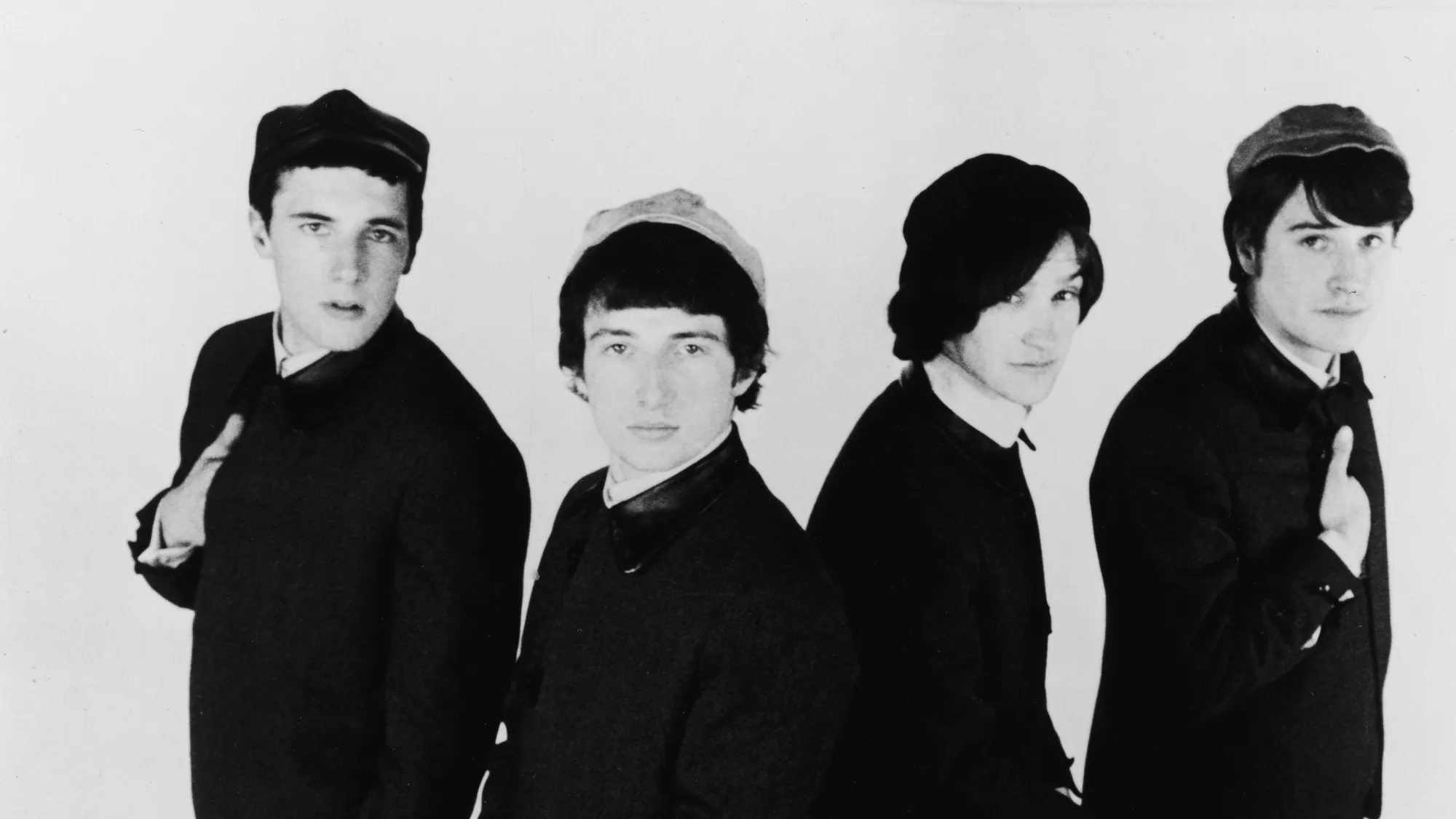
The evolution of contemporary music is frequently mapped through decade-defining movements, yet certain individual compositions from the 1960s possess a sonic architecture so advanced that they bypassed their own era to define the aesthetics of future generations. Between 1964 and 1966, a period characterized by the rapid transition from traditional pop to experimentalism, three specific recordings emerged as foundational pillars for genres that would not fully materialize for another decade: heavy metal, punk rock, and indie pop. By analyzing "You Really Got Me" by The Kinks, "Tomorrow Never Knows" by The Beatles, and "Sunday Morning" by The Velvet Underground, it becomes evident how these tracks utilized unorthodox production techniques and structural innovations to create a "fresh" sound that remains relevant in the 21st-century musical landscape.
The Genesis of Distortion: The Kinks and the Birth of the Power Chord
In August 1964, the release of "You Really Got Me" by The Kinks signaled a violent departure from the polished "Merseybeat" sound that dominated the British Invasion. While contemporary acts focused on clean guitar tones and vocal harmonies, The Kinks introduced a raw, aggressive timbre that would later be identified as the precursor to both heavy metal and punk rock.
The technical catalyst for this shift was a deliberate act of equipment modification. Lead guitarist Dave Davies, seeking a "jagged" sound that his standard amplifier could not produce, used a razor blade to slice the speaker cone of his Elpico amplifier, which was then fed into a larger Vox AC30. This "slashed-cone" effect created a distorted, fuzzy saturation that was virtually unheard of in mainstream pop at the time.
The song’s reliance on a two-chord progression—the "power chord"—is cited by musicologists as a revolutionary simplification of rock structure. According to historical sales data and chart archives, the single reached No. 1 on the UK Singles Chart in September 1964 and peaked at No. 7 on the US Billboard Hot 100 by early 1965. Beyond commercial success, the track’s impact is measured by its legacy; it provided the blueprint for the high-gain riffs of the 1970s, famously covered by Van Halen in 1978, which served to re-introduce the song to a new generation of rock enthusiasts.
Studio as an Instrument: The Beatles’ Avant-Garde Breakthrough
By 1966, the recording studio had transitioned from a mere documentation facility into a creative laboratory, a shift spearheaded by The Beatles and producer George Martin. The final track on the Revolver album, "Tomorrow Never Knows," represents perhaps the most significant leap in production technology during the decade.
Recorded in April 1966, the track abandoned traditional verse-chorus structures in favor of a static C-major drone, influenced by John Lennon’s interest in Indian classical music and the Tibetan Book of the Dead. The technical specifications of the recording included:
- Artificial Double Tracking (ADT): A technique invented by Ken Townsend at Abbey Road to automatically duplicate vocal tracks.
- Tape Loops: The band utilized five distinct tape loops containing saturated and reversed sounds, including a "seagull" effect created by a sped-up guitar.
- Leslie Speaker Processing: John Lennon’s vocals were fed through a rotating Leslie speaker cabinet, typically reserved for Hammond organs, to achieve what he described as the sound of "the Dalai Lama singing from a mountaintop."
- Reverse Audio: The inclusion of backward-recorded guitar parts further alienated the track from the pop standards of 1966.
The song’s drum pattern, performed by Ringo Starr, utilized heavy compression and a "slack" tuning that closely mirrors the breakbeats used in 1990s chemical brothers-style electronic music and trip-hop. While Revolver was a massive commercial success, "Tomorrow Never Knows" was initially viewed by critics as an experimental outlier. Modern analysis, however, identifies it as the point of origin for psychedelic rock and industrial music.
The Architect of Indie Pop: The Velvet Underground’s Minimalist Ethos
While The Beatles were expanding the limits of the studio in London, The Velvet Underground was dismantling the conventions of pop lyricism and arrangement in New York City. The opening track of their 1967 debut (recorded in 1966), "Sunday Morning," stands in stark contrast to the gritty, dissonant "heroin-chic" reputation of the band, yet its influence on the "dream pop" and "indie pop" genres is unparalleled.
Produced under the nominal aegis of Andy Warhol, "Sunday Morning" was a late addition to the album, intended to serve as a potential radio hit. The track features a celesta played by John Cale, providing a chime-like, ethereal quality that would become a staple for 1980s and 90s alternative bands like R.E.M. and Mazzy Star. Lou Reed’s vocal delivery—whispery, detached, and melodic—moved away from the soulful belting of the era toward a more intimate, conversational style.
Chronologically, the song failed to make a significant impact on the Billboard charts upon its release, largely due to the band’s controversial association with the Exploding Plastic Inevitable and the album’s dark subject matter. However, the "slow-burn" success of the track is evidenced by the "Velvet Underground effect": the often-quoted observation by Brian Eno that while the first album only sold 30,000 copies, "everyone who bought one of those 30,000 copies started a band."
Comparative Analysis of Technical Innovation
The longevity of these tracks can be attributed to their rejection of contemporary trends in favor of technical experimentation. The following table illustrates the specific "future-leaning" elements of each track:
| Track | Primary Innovation | Future Genre Influence |
|---|---|---|
| You Really Got Me | Slashed-cone distortion / Power chords | Hard Rock, Punk, Heavy Metal |
| Tomorrow Never Knows | Sampling (Tape loops) / Leslie vocals | Electronica, Psychedelia, Trip-Hop |
| Sunday Morning | Celesta-driven minimalism / Detached vocals | Indie Pop, Dream Pop, Shoegaze |
Official Responses and Critical Re-evaluation
In the decades following the release of these singles, industry peers and music historians have moved from viewing these songs as experimental curiosities to essential academic texts. Pete Townshend of The Who famously remarked that The Kinks were the true pioneers of the "heavy" sound, noting that Dave Davies’ guitar work provided the "missing link" between blues-rock and the aggressive styles that followed.
Similarly, the 50th-anniversary reissue of Revolver in 2022 saw "Tomorrow Never Knows" receiving renewed scrutiny from sound engineers. Giles Martin, son of George Martin, utilized "de-mixing" technology developed by Peter Jackson’s WingNut Films to isolate the tracks, revealing a level of rhythmic complexity that predates modern drum-and-bass programming by nearly thirty years.
Regarding The Velvet Underground, the 2006 induction of their debut album into the National Recording Registry by the Library of Congress solidified "Sunday Morning" as a work of cultural and historical significance. The Registry noted that the album’s "raw and uncompromising" nature changed the trajectory of rock music, with "Sunday Morning" serving as the deceptive, melodic gateway to that transformation.
Broader Impact and Implications for the Music Industry
The enduring "freshness" of these 1960s hits suggests that musical longevity is tied less to high-fidelity recording and more to the subversion of listener expectations. The Kinks’ distortion, The Beatles’ loops, and The Velvet Underground’s ethereal minimalism were all considered "errors" or "excesses" by traditional 1960s standards.
From a commercial perspective, these tracks have proven to be high-value assets in the synchronization (sync) licensing market. Their ability to sound contemporary makes them preferred choices for modern film trailers, advertisements, and television scores, where a 1960s "nostalgia" vibe is less desired than a "timeless" or "edgy" atmosphere.
Furthermore, these songs established the precedent for the "artist-as-producer" model. Before these recordings, musicians were largely expected to perform what was written, with engineers handling the technicalities. The active involvement of Dave Davies in modifying his amp, or Lennon and McCartney in the tape-looping process, shifted the power dynamic in the studio, leading to the rise of the self-produced auteur in the 1970s and beyond.
In conclusion, "You Really Got Me," "Tomorrow Never Knows," and "Sunday Morning" are not merely relics of the 1960s; they are active components of the modern musical DNA. Their survival in the cultural consciousness is a testament to the fact that when artists utilize technology to push beyond the boundaries of their era, the resulting work ceases to age, maintaining a permanent state of modernity. As digital production continues to evolve, these three tracks remain the primary reference points for how to successfully marry technology with raw creative intent.
