

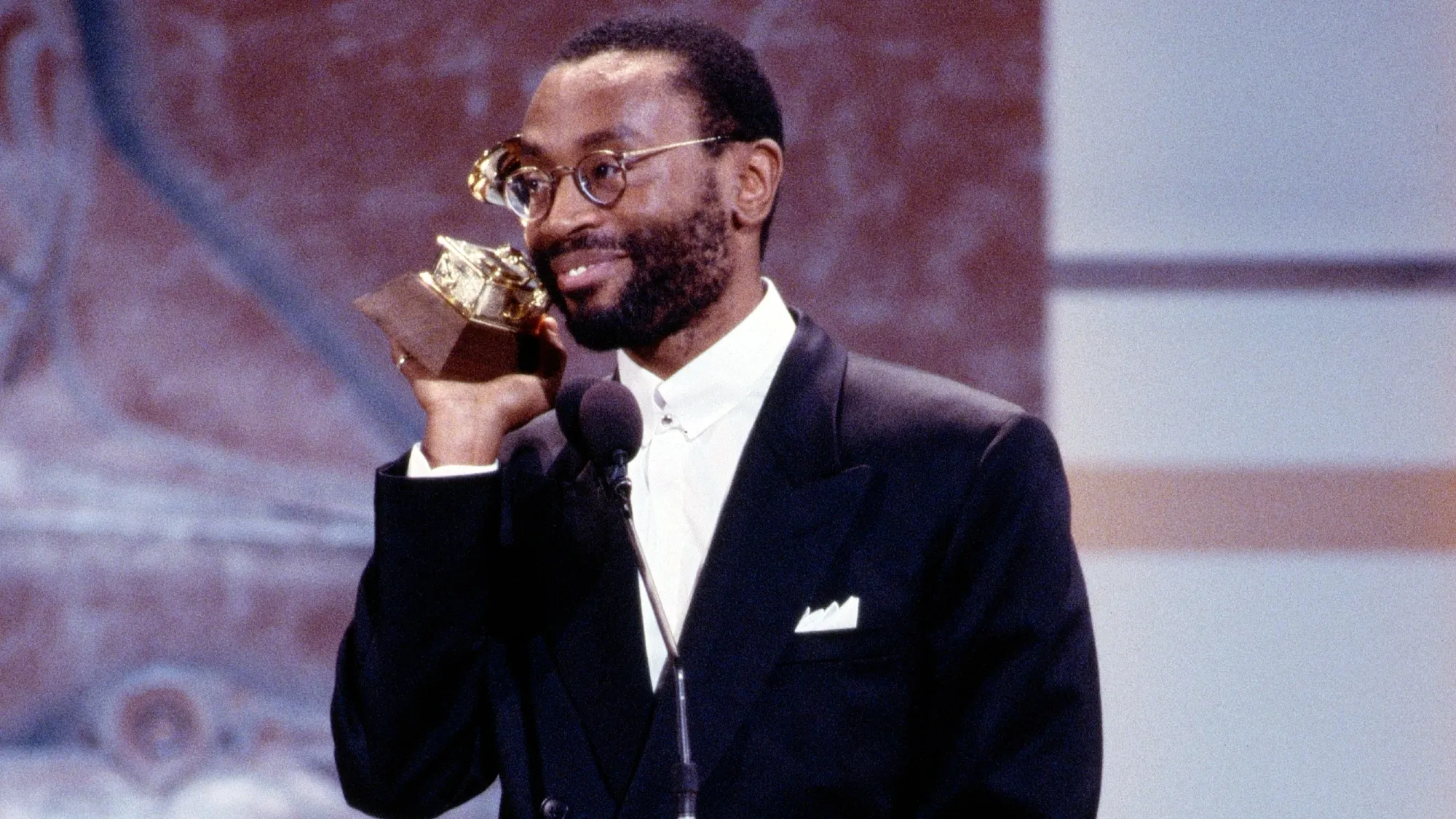
In the late summer of 1988, a musical phenomenon emerged that defied the prevailing trends of synth-pop, hair metal, and early hip-hop that dominated the airwaves. Bobby McFerrin, a virtuoso vocalist known primarily in jazz circles for his improvisational prowess, released "Don’t Worry, Be Happy," a track that would not only define his career but also secure a permanent place in the annals of music history. Featured on his sophomore album, Simple Pleasures, the song achieved the unprecedented feat of becoming the first a cappella track to reach the No. 1 spot on the Billboard Hot 100 chart. While the song’s infectious melody and island-inspired rhythm led many listeners to assume the presence of instrumentation, the recording was entirely a product of McFerrin’s own voice and body, serving as a testament to his extraordinary technical range and creative vision.
The Genesis of a Cultural Anthem
The origins of "Don’t Worry, Be Happy" are rooted in a blend of cinematic comedy and spiritual philosophy. The immediate spark for the song’s creation occurred after McFerrin attended a screening of The Three Amigos, a 1986 comedic Western starring Steve Martin, Chevy Chase, and Martin Short. According to documentation preserved by the Library of Congress, McFerrin viewed the film with his manager, Linda Goldstein. The following day, as they headed toward the recording studio, the pair found themselves still laughing at the film’s humor and the exaggerated accents employed by the lead actors.
Upon entering the studio, McFerrin began experimenting with the whimsical, Caribbean-inflected accent that would become the song’s vocal hallmark. However, the lyrical foundation of the song had been gestating for significantly longer. For more than five years, McFerrin had been fascinated by a simple yet profound mantra he had seen on posters and postcards featuring the Indian spiritual master Meher Baba. The phrase "Don’t Worry, Be Happy" was a core tenet of Baba’s teachings, emphasizing a philosophy of resilience and optimism in the face of life’s inevitable tribulations. By merging this philosophical sentiment with the lighthearted energy inspired by the film, McFerrin synthesized a track that was simultaneously profound and accessible.
Technical Innovation and Production Excellence
From a technical perspective, "Don’t Worry, Be Happy" remains a marvel of studio production. Despite its breezy, effortless sound, the track was the result of a meticulous layering process. At the time of its recording, the concept of a purely vocal track achieving mainstream commercial success was considered highly improbable by industry standards. McFerrin sought to challenge this notion by proving that the human voice could replicate the function of every instrument in a traditional pop ensemble.
The recording process involved McFerrin laying down seven distinct tracks. He provided the lead vocal, the rhythmic "walking" bassline, the percussive elements—achieved through chest-slapping and vocal clicks—and various melodic flourishes that mimicked the sound of a flute or a steel drum. This layering technique, known as overdubbing, required precise timing and a keen ear for harmony. Remarkably, despite the complexity of the arrangement, the entire song was completed in approximately three hours at Westlake Studios in Los Angeles. This efficiency was a direct result of McFerrin’s years of experience as a solo vocal performer, where he frequently improvised multi-part harmonies in a live setting.
A Chronology of Success: From Soundtracks to the Billboard Summit
The trajectory of "Don’t Worry, Be Happy" from a studio experiment to a global chart-topper was swift. The song was first introduced to a wide audience via the soundtrack of the 1988 film Cocktail, starring Tom Cruise. The film’s commercial success provided a powerful launchpad for the single, which resonated with audiences seeking a counter-narrative to the high-stress, materialistic culture of the late 1980s.
In September 1988, the song reached the pinnacle of the Billboard Hot 100, displacing "Sweet Child o’ Mine" by Guns N’ Roses. It held the top position for two weeks and remained on the charts for a total of 26 weeks. Beyond the United States, the song became a global juggernaut, reaching No. 1 in several countries, including Canada, Australia, and Germany, and peaking at No. 2 on the UK Singles Chart. The song’s universal appeal was bolstered by its simple, singalong lyrics, which began with the inviting lines: "Here’s a little song I wrote / You might want to sing it note for note / Don’t worry, be happy."
Critical Acclaim and the 1989 Grammy Awards
The industry’s recognition of McFerrin’s achievement culminated at the 31st Annual Grammy Awards in 1989. "Don’t Worry, Be Happy" swept the major categories, earning McFerrin three of the night’s most prestigious honors. He won for Best Male Pop Vocal Performance, Record of the Year, and Song of the Year. This sweep was historically significant, as it validated a cappella music as a commercially viable and artistically rigorous genre.
Music critics at the time noted the song’s deceptive simplicity. While some initially dismissed it as a "novelty" hit, others recognized it as a sophisticated piece of vocal jazz disguised as a pop song. The track’s success prompted a broader discussion about the capabilities of the human voice and influenced a subsequent generation of vocal groups and beatboxers.
Visual Legacy: The Role of Robin Williams and Bill Irwin
The song’s popularity was further cemented by its iconic music video, which remains a staple of pop culture history. Given that the song was inspired by a comedy, McFerrin chose to collaborate with two of the most physical and inventive performers of the era: Robin Williams and Bill Irwin. The video features the three men engaging in comedic antics, improvisational dance, and pantomime in a minimalist apartment setting.
The chemistry between McFerrin, Williams, and Irwin captured the essence of the song’s message. Williams, then at the height of his fame, brought a frenetic energy that contrasted perfectly with McFerrin’s calm, rhythmic presence. The video’s rotation on MTV helped bridge the gap between different demographics, appealing to children, adults, and music aficionados alike. It reinforced the song’s identity as a beacon of joy and a remedy for the stresses of modern life.
Political Entanglements and Official Responses
Despite its apolitical origins, "Don’t Worry, Be Happy" briefly became a point of contention during the 1988 United States presidential election. The campaign for George H.W. Bush utilized the song as an unofficial anthem, playing it at rallies to project an image of optimism and national well-being. This usage occurred without McFerrin’s permission, and the artist—who was a supporter of the Democratic platform—publicly voiced his disapproval.
In response to the song’s political co-opting, McFerrin reportedly stopped performing the song live for a period, choosing instead to focus on his more experimental and classical projects. This reaction highlighted the artist’s desire to keep the song’s message of personal peace separate from partisan agendas. It also underscored a common tension in the music industry regarding the intellectual property rights of artists and the unauthorized use of their work in political contexts.
Broader Impact and the "One-Hit Wonder" Paradox
In the years following the massive success of "Don’t Worry, Be Happy," Bobby McFerrin released three additional singles, including "Simple Pleasures" and "Sunshine of Your Love." However, none of these follow-ups achieved significant radio play or chart success. This led many casual listeners to label McFerrin a "one-hit wonder."
From a journalistic and musicological perspective, this label is largely considered a misnomer. While McFerrin did not return to the top of the pop charts, his career continued to flourish in the realms of jazz and classical music. He collaborated with legendary cellist Yo-Yo Ma, conducted major symphony orchestras, and continued to push the boundaries of vocal improvisation. For McFerrin, the success of "Don’t Worry, Be Happy" was an anomaly in a career dedicated to high-art exploration rather than commercial pop stardom.
The song’s legacy, however, has remained potent. It has been featured in numerous films beyond Cocktail, including Casper: A Spirited Beginning (1997) and Battle in Seattle (2007). It remains a staple of television commercials, animated features, and motivational seminars. Its inclusion in the National Recording Registry by the Library of Congress further solidifies its status as a work of "cultural, historical, or aesthetic significance."
Analysis of Lasting Implications
The enduring relevance of "Don’t Worry, Be Happy" can be attributed to its fundamental human truth. In an era of increasing digital complexity and societal anxiety, the song’s minimalist production and timeless advice offer a moment of reprieve. It serves as a reminder of the power of the individual voice—both literally, in McFerrin’s technical execution, and figuratively, in the song’s call for personal resilience.
Furthermore, the song’s success proved that the music industry could occasionally reward pure talent and innovation over high-budget artifice. Without the use of a single synthesizer, drum machine, or guitar, Bobby McFerrin created a global hit that outperformed the most heavily produced tracks of its time. As the music industry continues to evolve in the age of streaming and artificial intelligence, the legacy of "Don’t Worry, Be Happy" stands as a definitive argument for the irreplaceable value of human creativity and the universal language of melody.
