

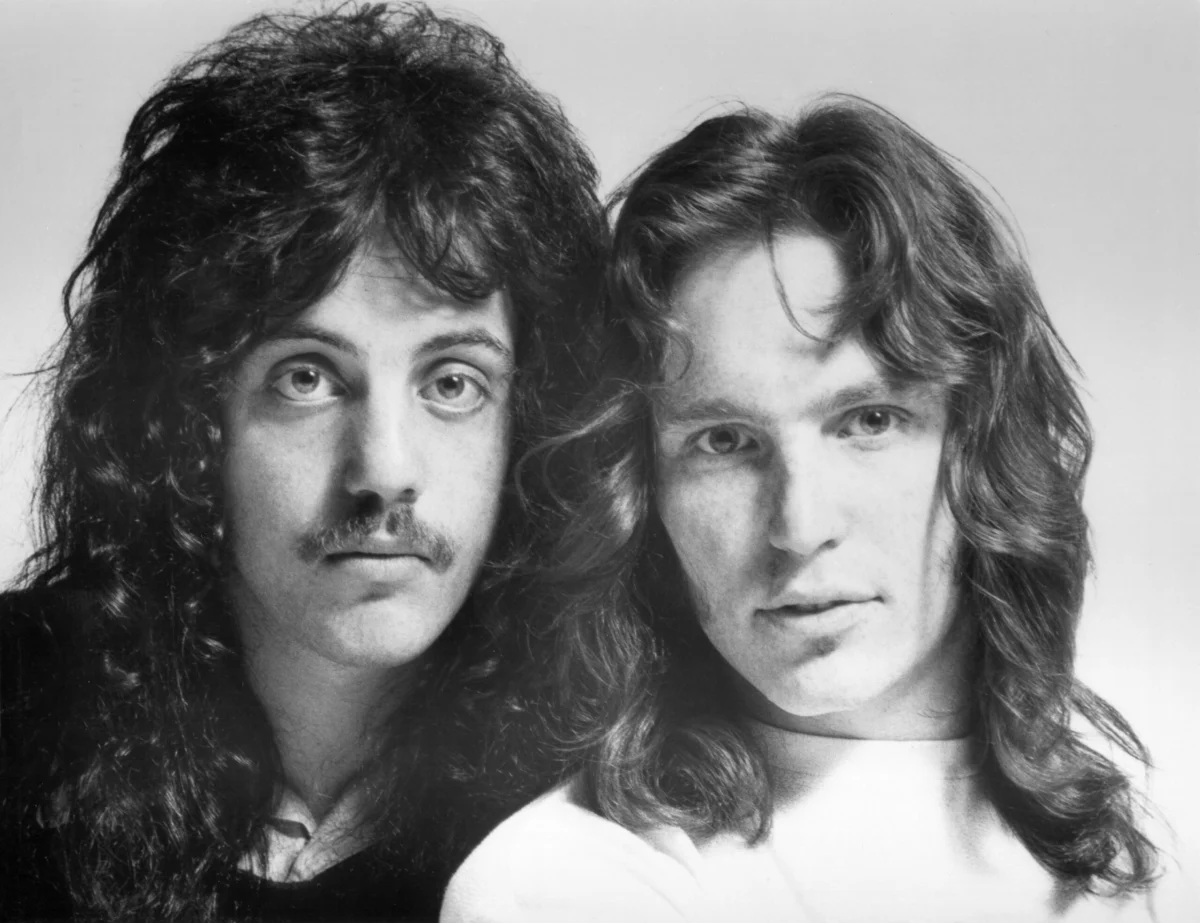
The music world is mourning the passing of Jon Small, a figure whose multifaceted career spanned the formative years of Billy Joel’s musical journey and extended into a celebrated tenure as a director of some of the most memorable music videos and concert films of the late 20th and early 21st centuries. Small’s death was announced today by his lifelong friend and collaborator, Billy Joel, in a social media post, with a widely circulated death announcement indicating his passing occurred on Friday, early September 2023. While no cause of death has been publicly disclosed, a funeral service is scheduled for September 9 in Great Neck, New York, where Small’s life and contributions will be commemorated. His legacy is marked by an extraordinary blend of musicianship, visual artistry, and a complex personal narrative intertwined with one of rock music’s most enduring figures.
A Shared Genesis: The Early Musical Forays with Billy Joel
Jon Small’s indelible connection to Billy Joel began in their teenage years on Long Island, New York, a bond forged in the crucible of aspiring musicianship. Their shared passion for music would lead them to become central figures in two significant, albeit short-lived, bands that laid the groundwork for Joel’s eventual superstardom. The vibrant and eclectic New York music scene of the 1960s, a melting pot of rock, soul, and burgeoning psychedelic sounds, provided the backdrop for their initial collaborations.
The first of these ventures was The Hassles, a psych-rock and soul ensemble formed in the mid-1960s. Small, with his dynamic drumming, provided the rhythmic backbone, while Joel contributed his burgeoning songwriting talent and keyboard prowess. The band quickly garnered attention for their energetic live performances and distinctive sound, signing with United Artists Records. They released two albums: their self-titled debut in 1967 and Hour Of The Wolf in 1969. On the latter, Joel’s role expanded significantly, taking over lead vocal duties from original singer John Dizek, a clear precursor to his future as a frontman. The Hassles, though not achieving widespread commercial success, were critical in refining Joel and Small’s musical identities, exposing them to the rigors of recording and touring, and developing their stage presence. Their music, characterized by its blend of soulful vocals, Hammond organ riffs, and psychedelic flourishes, offered a snapshot of the era’s diverse sonic landscape.
Following the dissolution of The Hassles, Small and Joel embarked on an even more audacious musical experiment: the duo Attila. Formed in 1969, Attila represented a radical departure, embracing a heavier, organ-driven hard rock sound, often compared to the likes of Vanilla Fudge or The Nice. Small’s powerful drumming was a driving force, complementing Joel’s distorted organ and raw vocals. Their lone, self-titled album, released on Epic Records in 1970, showcased a raw, aggressive energy that was a stark contrast to the more melodic pop sensibilities Joel would later embrace. While critically polarizing at the time, and largely forgotten by mainstream audiences, Attila remains a cult curiosity, an artifact demonstrating Joel and Small’s willingness to push musical boundaries, even if it meant venturing into less commercially viable territories.
A Profound Personal and Artistic Turning Point
The professional partnership between Small and Joel, however, was inextricably linked to a complex personal dynamic that would dramatically alter their lives and, in a profound sense, shape Joel’s artistic output. Attila dissolved in 1971 under the weight of personal turmoil: Joel began a romantic relationship with Small’s wife, Elizabeth Weber. This betrayal had devastating consequences for all involved, particularly for Small. The emotional fallout from this period was extensively explored in the 2014 HBO documentary Billy Joel: And So It Goes, where all parties spoke with candor about the raw pain and difficult choices.
Joel’s profound guilt over the affair led him to a desperate act, an attempted suicide by drinking furniture polish. It was Jon Small, despite the immense personal anguish he was experiencing, who found Joel and rushed him to the hospital, ultimately saving his life. This extraordinary act of compassion, transcending deep personal hurt, underscores the profound bond that, despite everything, persisted between the two men. The harrowing experience became the direct inspiration for "Tomorrow Is Today," a poignant and introspective track from Joel’s debut solo album, Cold Spring Harbor, released later in 1971. The song, with its themes of despair and the search for meaning, stands as a testament to the emotional intensity of that period and the unlikely role Small played in Joel’s survival and subsequent artistic evolution. Elizabeth Weber would later become Joel’s first wife and manager, further cementing the intricate connections that defined this chapter of their lives.
A New Canvas: Transitioning to Filmmaking
In the wake of the dissolution of Attila and the personal upheavals, Jon Small embarked on a remarkable career pivot, transitioning from behind the drum kit to behind the camera. This shift was not merely a change of profession but a testament to his innate creativity and adaptability. He found a new calling as a filmmaker, specializing in the burgeoning fields of music videos and concert films, which were rapidly gaining prominence as essential tools for artists to connect with their audiences. The 1980s, in particular, saw the explosive growth of MTV, transforming music videos from promotional novelties into an art form and a crucial component of an artist’s public image. Small was perfectly positioned to capitalize on this revolution.
His directorial vision quickly established him as a sought-after talent. Small possessed an intuitive understanding of how to translate musical energy and lyrical narratives into compelling visual stories. His early work began to define the aesthetic of the music video era, marked by innovative storytelling, dynamic cinematography, and a keen sense of pacing that mirrored the music itself.
Defining Moments: Iconic Music Videos and Visual Storytelling
Jon Small’s filmography is punctuated by several seminal works that left an indelible mark on popular culture. Perhaps his most iconic contribution to the music video landscape is the groundbreaking 1986 collaboration between Aerosmith and Run-DMC on "Walk This Way." This video was a cultural watershed moment, not only revitalizing Aerosmith’s career but also shattering genre barriers by bringing rock and hip-hop together in a powerful visual narrative. Small’s direction brilliantly captured the tension and eventual synergy between the two groups, culminating in the memorable scene where they literally break through a wall to perform together. The video’s impact was immense, solidifying the crossover potential of hip-hop and becoming a staple on MTV, influencing countless artists and directors in its wake.
Beyond "Walk This Way," Small’s versatility as a director was evident in his diverse portfolio. He became a trusted visual interpreter for some of the biggest names in music. For country superstar Garth Brooks, Small was instrumental in crafting a visual identity that matched Brooks’ theatrical stage presence and heartfelt lyrics. He directed multiple Brooks videos, including the powerful "The Red Strokes" and the emotionally charged "Standing Outside The Fire." These videos often featured cinematic scope and dramatic narratives, complementing Brooks’ storytelling prowess and helping to cement his status as a global phenomenon.
His directorial talents extended across genres, encompassing R&B and pop. He helmed videos for acclaimed artists like Anita Baker and Luther Vandross, translating their soulful melodies into elegant and evocative visual pieces. Small also maintained his connection with Billy Joel, directing several of his videos, including the upbeat "Tell Her About It" and the sophisticated "Baby Grand," a duet featuring the legendary Ray Charles. These projects showcased Small’s ability to adapt his style to suit the unique artistic voice of each musician, whether it required high-concept narratives, intimate performance pieces, or grand-scale productions.
Mastering the Live Experience: Concert Films and Documentaries
As the music industry evolved, so did Jon Small’s focus. In the later stages of his career, he increasingly specialized in concert films, an art form that demands a deep understanding of live performance, stagecraft, and the delicate balance between capturing the raw energy of a show and presenting it in a polished, cinematic way. Small’s experience as a musician, particularly as a drummer, gave him a unique perspective on rhythm, timing, and the interplay between performers, which proved invaluable in his concert film work.
He became a go-to director for capturing the electrifying essence of live shows for a host of country music’s biggest stars, including Garth Brooks, Reba McEntire, Brad Paisley, Blake Shelton, and Rascal Flatts. These films were more than mere recordings; they were immersive experiences designed to transport the viewer into the heart of the concert, preserving the energy and spectacle for millions. His keen eye for detail, understanding of lighting, and ability to coordinate multiple cameras to capture both grand sweeping shots and intimate close-ups made his concert films celebrated for their authenticity and visual impact.
Small’s collaborative spirit also extended to working with rock and blues legends like Van Morrison, for whom he helmed projects that captured the distinctive intensity and improvisational nature of Morrison’s performances. And, inevitably, his professional path continued to intertwine with Billy Joel’s. Small directed multiple Billy Joel concert movies, serving as a visual chronicler of his friend’s legendary live shows, from stadium-filling spectacles to more intimate performances. These films are crucial historical documents, preserving Joel’s musical legacy for future generations and showcasing the enduring power of their shared artistic vision, even when operating in different capacities.
Legacy and Enduring Impact
Jon Small’s passing marks the end of an era for those who knew him personally and for the countless millions who experienced his work. His career serves as a powerful testament to the multifaceted nature of creativity within the music industry. From providing the rhythmic foundation for Billy Joel’s earliest artistic explorations to becoming a visionary director who shaped the visual language of popular music, Small’s contributions are profound and far-reaching.
His early work with The Hassles and Attila, though overshadowed by Joel’s later solo career, represents a vital chapter in the development of a musical icon. It showcases Small’s foundational role as a musician and his willingness to experiment. The personal saga with Joel and Elizabeth Weber, while deeply painful, also led to a moment of profound human connection and directly inspired one of Joel’s earliest and most moving solo compositions, illustrating how even the most complex personal relationships can fuel artistic creation.
As a director, Small was a pioneer. He not only witnessed the rise of the music video and concert film but actively shaped their evolution. His ability to connect with artists across genres, from the raw energy of rock and hip-hop to the heartfelt narratives of country and the soulful expressions of R&B, speaks volumes about his versatility and intuitive understanding of music’s visual potential. The "Walk This Way" video alone would secure his place in pop culture history, but his extensive work with artists like Garth Brooks and Billy Joel further cemented his legacy as a master storyteller behind the lens.
While specific public statements from many of the artists Small worked with are pending, the quality and longevity of his collaborations speak volumes about the respect and admiration he commanded. His work helped artists define their public image, communicate their messages, and connect with their audiences on a deeper, more visceral level. Jon Small’s life was a testament to passion, resilience, and the transformative power of art, leaving behind a rich tapestry of sounds and images that will continue to resonate for generations to come. He will be remembered not only as a talented drummer but as a visionary who helped us see and feel the music in unforgettable ways.
