

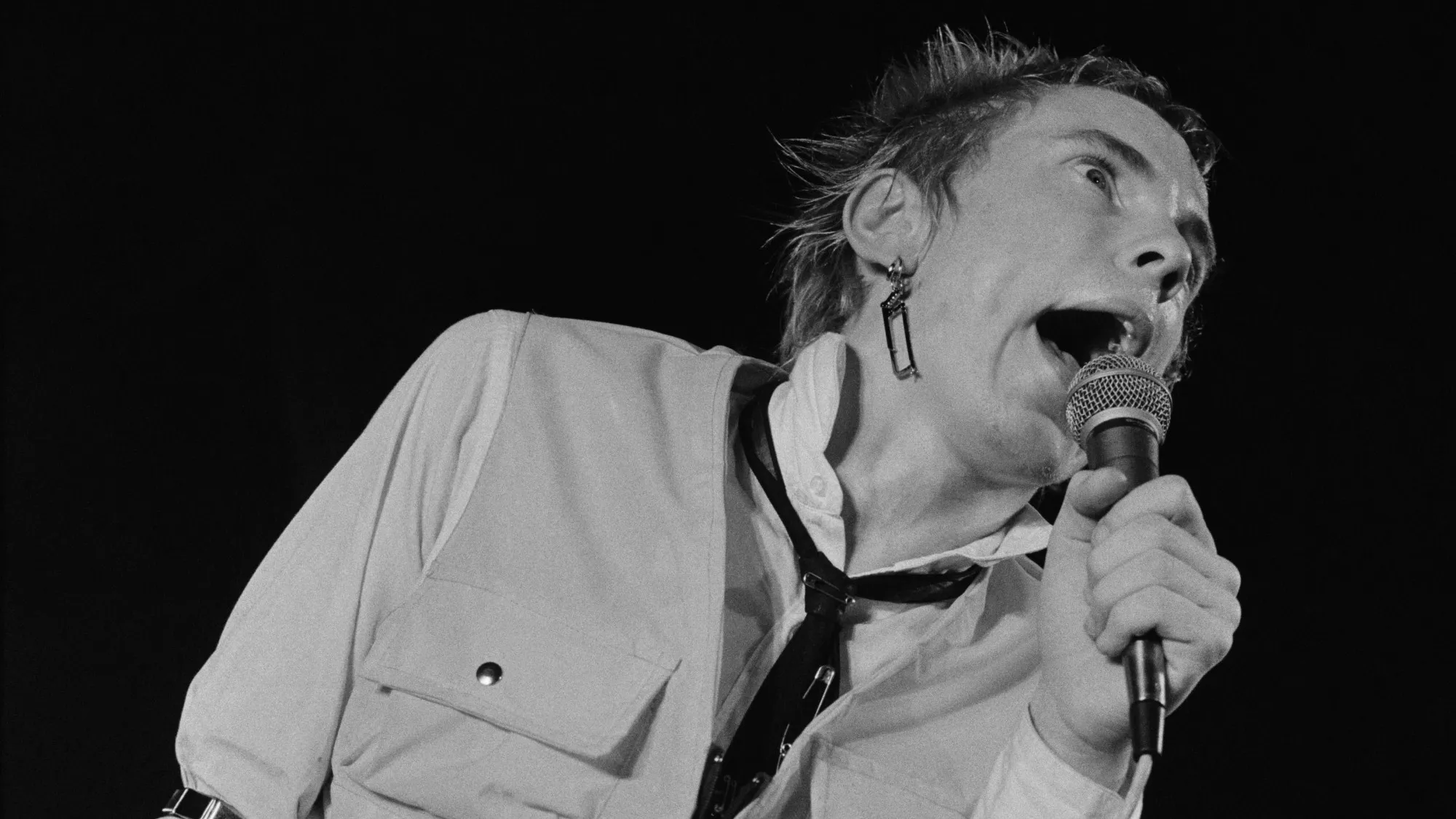
The emergence of punk rock in the mid-1970s represented more than a shift in musical aesthetics; it was a profound socio-cultural rupture that challenged the established order of the recording industry and the prevailing norms of Western society. Characterized by short, fast-paced songs, hard-edged melodies, and often political or anti-establishment lyrics, punk rock stripped music down to its most primal elements. This movement was born out of a specific set of economic and social conditions, particularly in the urban centers of New York City and London, where a generation of disenfranchised youth sought an alternative to the perceived excesses of progressive rock and the polished artifice of disco. By examining the seminal works of foundational bands such as The Ramones, the Sex Pistols, the Dead Boys, and the New York Dolls, one can trace the trajectory of a genre that prioritized raw energy and DIY (do-it-yourself) ethics over technical virtuosity.
The Architectural Blueprint: The Ramones and the New York Scene
The Ramones are widely credited with establishing the sonic blueprint for punk rock. Formed in Forest Hills, Queens, in 1974, the quartet—consisting of Joey, Johnny, Dee Dee, and Tommy Ramone—discarded the complex arrangements typical of 1970s arena rock in favor of high-speed, three-chord structures. Their third studio album, Rocket to Russia, released in November 1977, is often cited by musicologists as the pinnacle of their early recording career, blending their signature aggression with a distinct surf-rock and 1950s pop sensibility.
A centerpiece of this album is "Teenage Lobotomy," a track that exemplifies the band’s use of dark humor and social satire. The song depicts a protagonist who undergoes a lobotomy following exposure to the chemical DDT (Dichlorodiphenyltrichloroethane), a pesticide that was banned in the United States in 1972 due to environmental and health concerns. The lyrics—"Slugs and snails are after me / DDT keeps me happy"—serve as a surrealist commentary on the perceived brain-numbing effects of suburban American life and the pharmaceutical culture of the era.
Musically, "Teenage Lobotomy" showcases the relentless down-stroke guitar technique of Johnny Ramone and the driving, metronomic percussion of Tommy Ramone. Produced by Tony Bongiovi and Ed Stasium at Mediasound Studios in Manhattan, the track features a higher production value than their self-titled debut, yet it retains the abrasive edge that defined the CBGB (Country, Bluegrass, and Blues) scene. The Ramones’ influence cannot be overstated; their 1976 performance at the Roundhouse in London is frequently cited as the catalyst for the British punk explosion, inspiring future members of The Clash and the Sex Pistols to form their own ensembles.
The British Volley: The Sex Pistols and Social Unrest
While the American punk scene was largely rooted in art-school sensibilities and a reaction against musical boredom, the British iteration was deeply intertwined with the socio-economic volatility of late-1970s United Kingdom. The nation was grappling with high unemployment, labor strikes, and the "Winter of Discontent." Into this fray stepped the Sex Pistols, managed by the provocateur Malcolm McLaren.
"Pretty Vacant," released in July 1977 as the third single from their only studio album, Never Mind the Bollocks, Here’s the Sex Pistols, remains a definitive anthem of the movement. Unlike the more overtly political "God Save the Queen," which was famously banned by the BBC during the Silver Jubilee of Elizabeth II, "Pretty Vacant" addressed a sense of generational apathy and the lack of a viable future for British youth.
Bassist Glen Matlock, who is credited with writing the song’s iconic main riff, noted in an interview with Uncut that the track was a "primal scream" against the stagnation of the era. Matlock stated that the song was a reaction to the IRA bombings and the general atmosphere of dread in London, emphasizing a "do-it-anyway" attitude in the face of uncertainty. The song reached Number 6 on the UK Singles Chart, a significant achievement for a band that was frequently targeted by the tabloid press and conservative politicians.
The production by Chris Thomas provided the track with a "wall of sound" guitar layering that gave it a commercial viability without sacrificing its punk integrity. The deliberate pronunciation of the word "vacant" by lead singer Johnny Rotten—emphasizing the second syllable to sound like a profanity—was a calculated act of rebellion that bypassed radio censors while signaling the band’s contempt for societal politesse.
The Aggression of the American Midwest: The Dead Boys
As the punk movement expanded, it found a particularly fertile and aggressive ground in the American Midwest. The Dead Boys, originally from Cleveland, Ohio, relocated to New York City in 1976 at the urging of Joey Ramone. Emerging from the ashes of the proto-punk band Rocket from the Tombs, the Dead Boys brought a level of nihilism and performative violence that was rare even by punk standards.
Their 1977 track "Down In Flames," from the debut album Young, Loud and Snotty, serves as a testament to their high-octane delivery. The song features a theatrical introduction that characterizes the band as emerging from the "sleaziest catacombs of erotica." Lead singer Stiv Bators was known for his chaotic stage presence, which often involved self-mutilation and provocative antics, bridging the gap between the Stooges’ Iggy Pop and the later hardcore punk movement.
The Dead Boys’ tenure at CBGB solidified the venue’s reputation as the epicenter of the underground. Their music was characterized by Cheetah Chrome’s stinging guitar leads and a rhythmic section that favored speed over finesse. "Down In Flames" encapsulates the band’s "live fast, die young" ethos, a sentiment that would eventually define the more extreme subgenres of punk and metal in the decades to follow.
The Protopunk Foundation: The New York Dolls
To fully understand the 1970s punk explosion, one must acknowledge the foundational influence of the New York Dolls. Formed in 1971, the Dolls predated the "punk" label but provided the aesthetic and musical groundwork for everything that followed. By blending the raucous energy of the Rolling Stones with glam rock aesthetics and a "street-smart" New York attitude, the Dolls influenced a wide spectrum of artists, from the Sex Pistols to the hair metal bands of the 1980s like Mötley Crüe and Kiss.
Their cover of Bo Diddley’s "Pills" is a standout track that highlights their ability to reinterpret classic rhythm and blues through a distorted, urban lens. The song’s focus on pharmaceutical escapism resonated with the grit of early 1970s Manhattan. Despite their lack of commercial success during their initial run—their 1973 self-titled debut album, produced by Todd Rundgren, failed to break the Top 100 on the Billboard charts—their impact was seismic.
The New York Dolls’ use of cross-dressing and makeup was not merely a fashion statement; it was a subversive act that challenged the hyper-masculinity of the rock world. This gender-blurring approach, combined with the raw, unpolished guitar work of Johnny Thunders, created a template for the "punk" identity: a rejection of the status quo in both sound and appearance.
Chronology of Key 1970s Punk Developments
The evolution of the genre can be mapped through several critical milestones between 1971 and 1978:
- 1971: Formation of the New York Dolls in New York City.
- 1973: Release of New York Dolls, the band’s debut album, introducing the "glam-punk" aesthetic.
- 1974: The Ramones play their first show at Performance Studios in NYC (March); CBGB begins hosting underground rock acts.
- 1975: Patti Smith releases Horses, merging punk energy with beat poetry.
- 1976 (July): The Ramones perform at the Roundhouse in London, a pivotal moment for the UK scene.
- 1977 (May-July): The "Summer of Punk" in the UK; the Sex Pistols release "God Save the Queen" and "Pretty Vacant."
- 1977 (November): The Ramones release Rocket to Russia, and the Dead Boys release Young, Loud and Snotty.
- 1978: The Sex Pistols disband following a disastrous US tour, signaling the end of the first wave of UK punk and the beginning of the post-punk era.
Broader Impact and Industry Implications
The legacy of 1970s punk rock extends far beyond the charts. It democratized the process of music creation. The "three-chord" philosophy empowered thousands of individuals to form bands, start independent record labels, and publish fanzines, effectively bypassing the gatekeepers of the traditional music industry. This DIY infrastructure laid the groundwork for the alternative rock boom of the 1990s and the modern indie music scene.
From a technical standpoint, punk forced a re-evaluation of recording techniques. Engineers began to favor "dry" sounds and live-room tracking to capture the energy of the performances, a stark contrast to the heavily layered and processed sounds of 1970s stadium rock.
Furthermore, the genre’s willingness to address political and social issues—whether through the Ramones’ satire or the Sex Pistols’ direct confrontation—re-established music as a primary vehicle for social commentary. While the original 1970s movement was relatively short-lived in its purest form, its DNA remains embedded in the global musical landscape, proving that raw expression and cultural honesty often carry more weight than commercial polish.
