

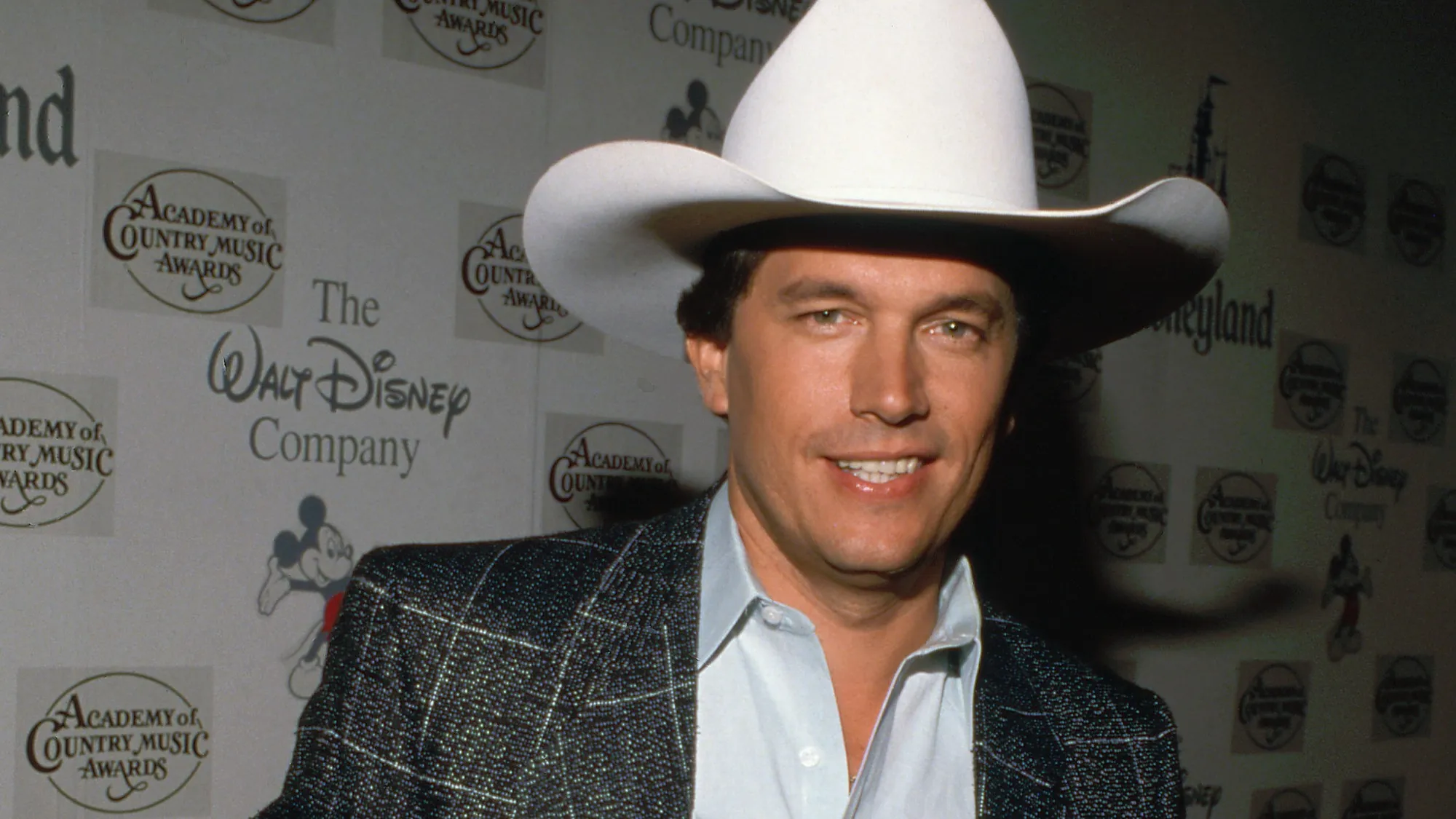
The final year of the 1980s represented a pivotal turning point for the American country music industry, serving as the bridge between the polished "Urban Cowboy" era and the massive commercial explosion of the 1990s. This period, often referred to by historians as the dawn of the "New Traditionalist" movement, saw a return to the genre’s roots—fiddle, steel guitar, and authentic storytelling—while simultaneously embracing modern production values that appealed to a broader demographic. In 1989, three specific tracks emerged not only as chart-topping hits but as cultural touchstones that defined the trajectory of the genre: George Strait’s "Ace In The Hole," Patty Loveless’s "Timber, I’m Falling In Love," and Garth Brooks’s "If Tomorrow Never Comes." These songs represent the convergence of seasoned stardom, the rise of powerful female voices, and the arrival of a global phenomenon that would change the music industry forever.
The Evolution of the New Traditionalist Movement
To understand the significance of 1989, one must look at the state of Nashville in the preceding years. Following the crossover success of the late 1970s, country music had begun to lose its distinct identity, often blending indistinguishably with adult contemporary pop. However, by the mid-80s, artists like George Strait and Reba McEntire began steering the ship back toward traditional sounds. 1989 was the year this movement reached its zenith.
The industry saw the debut of the "Class of ’89," a group of artists including Garth Brooks, Clint Black, Alan Jackson, and Travis Tritt. This influx of talent brought a younger, more energetic audience to country music, expanding its market share significantly. The songs released that year were characterized by a sophisticated simplicity—catchy enough for radio but grounded in the emotional honesty that is the hallmark of the genre.
George Strait and the Strategic Brilliance of Ace In The Hole
By 1989, George Strait was no longer a newcomer; he was the reigning king of the genre. His album Beyond the Blue Neon, released in February of that year, served as a masterclass in Texas swing and honky-tonk revivalism. The standout single, "Ace In The Hole," written by Dennis Adkins, became a definitive anthem for Strait, further cementing his reputation for consistency and traditionalist integrity.
"Ace In The Hole" reached the No. 1 spot on the Billboard Hot Country Songs chart in 1989, marking Strait’s 18th career chart-topper and his third No. 1 of that calendar year alone. The song’s lyrical content—a metaphorical take on life and gambling—offered a philosophical perspective on resilience: "You’ve got to learn to play your cards right if you expect to win in life / Don’t put it all on the line for just one roll / You’ve got to have an ace in the hole."
The track was Strait’s 11th consecutive No. 1 hit, a streak that showcased his unprecedented grip on country radio. While the song itself became a staple of his live performances, it also held a deeper personal significance for the artist. Strait’s backing band, which has toured with him since the early 1970s, is also named the Ace in the Hole Band. Interestingly, the band held the name for over a decade before Adkins’ song was ever recorded, making the track feel like a predestined tribute to Strait’s long-term collaborators.
The production of "Ace In The Hole" was led by Jimmy Bowen and Strait himself. It featured a bouncy, mid-tempo arrangement that highlighted the Western swing influences that Strait had championed since his debut. The success of the single helped Beyond the Blue Neon achieve Platinum certification, contributing to the over 100 million records Strait would eventually sell throughout his career.
Patty Loveless and the Rise of Mountain Soul
While George Strait represented the established guard, Patty Loveless was emerging as one of the most vital female voices in the genre. Her 1988 album Honky Tonk Angel hit its stride in 1989, producing her first-ever No. 1 single, "Timber, I’m Falling In Love." Written by the prolific songwriter Kostas, the track was a breath of fresh air, blending bluegrass-inflected vocals with a contemporary country-rock beat.
Loveless, often praised by her peers as a "singer’s singer," brought a raw, Appalachian "mountain soul" to her recordings. "Timber, I’m Falling In Love" captured the exhilarating, sometimes terrifying feeling of unexpected romance: "Who knows how love starts / I woke up with you in my heart / Timber I’m falling in love." The song’s success was a significant milestone for female artists in Nashville, who were beginning to reclaim a larger share of the airwaves.
The impact of Honky Tonk Angel extended beyond a single hit. The album also featured the No. 1 single "Chains," and it eventually became Loveless’s first Gold-certified record. Industry analysts note that Loveless’s success in 1989 paved the way for the female-led country boom of the 1990s, influencing artists like Martina McBride and Patty Griffin. Her ability to balance traditional country sensibilities with a modern edge made her a bridge between the legends of the past and the superstars of the future.
Garth Brooks and the Birth of a Supernova
Perhaps the most significant event of 1989 was the debut of Garth Brooks. While his first single, "Much Too Young (To Feel This Damn Old)," performed well, it was his second release, "If Tomorrow Never Comes," that signaled the arrival of a transformative force in music. Co-written by Brooks and Kent Blazy, the song is a poignant ballad about expressing love before it is too late.
The journey of "If Tomorrow Never Comes" to the top of the charts was not a foregone conclusion. Brooks had originally pitched the song to several other artists and songwriters, most of whom failed to see its potential. In archival interviews from The Anthology: Part 1, Brooks recalled his early frustrations, stating, "I had passed the song to two or three different songwriters, and they just didn’t get it… The first time I sit with Kent, he goes, ‘What’ve you got?’ I said, ‘Well, I got a song nobody likes.’"
Blazy, however, saw the emotional core of the track. Upon its release, the song resonated deeply with the public, reaching No. 1 on the Billboard Country Singles chart and winning Favorite Country Single at the American Music Awards. The lyrics—"If tomorrow never comes / Will she know how much I loved her / Did I try in every way to show her every day / That she’s my only one"—became a universal sentiment that transcended the country genre.
"If Tomorrow Never Comes" was instrumental in the success of Brooks’s self-titled debut album, which has since been certified Diamond (over 10 million copies sold). The song established Brooks not just as a singer, but as a songwriter capable of tapping into the collective consciousness of the American public. His success in 1989 laid the groundwork for the 1990s, where he would become one of the best-selling artists in music history, rivaling the sales figures of The Beatles and Elvis Presley.
Chronology of a Milestone Year
The progression of these hits throughout 1989 illustrates the momentum of the genre:
- February 1989: George Strait releases Beyond the Blue Neon, setting the standard for the year’s production quality.
- April 1989: Garth Brooks releases his self-titled debut album, introducing a new brand of relatable, high-energy country.
- May 1989: Patty Loveless’s "Timber, I’m Falling In Love" begins its ascent on the charts, eventually peaking at No. 1 in mid-summer.
- July 1989: George Strait releases "Ace In The Hole" as a single, which quickly climbs to the top of the charts by September.
- August 1989: Garth Brooks releases "If Tomorrow Never Comes," which hits No. 1 in December, closing out the decade on a high note.
Supporting Data and Industry Impact
The commercial data from 1989 reflects a burgeoning industry. According to the Recording Industry Association of America (RIAA), country music sales began a steep upward trajectory in the late 80s that would continue for the next decade. In 1989, country music accounted for approximately 7% of total music sales in the U.S.; by the mid-90s, that number would nearly double.
The year also marked a shift in media consumption. The Nashville Network (TNN) and CMT (Country Music Television) gained significant viewership in 1989, providing a visual platform for these artists. The music video for "If Tomorrow Never Comes," which featured Brooks’s then-wife Sandy Mahl, helped humanize the artist and created a personal connection with fans that was previously rare in the genre.
Broader Implications and Legacy
The legacy of these three songs extends far beyond their initial chart runs. They represent three different pillars of country music: the steadfast tradition of Strait, the vocal prowess and emotional depth of Loveless, and the populist, storytelling power of Brooks.
"Ace In The Hole" remains a staple of classic country radio, often cited by modern artists like Jon Pardi and Cody Johnson as a primary influence on their sound. Patty Loveless’s work in 1989 is credited with keeping the "soul" in country music during a time of rapid commercialization. Meanwhile, "If Tomorrow Never Comes" is frequently covered by artists across genres, including a notable version by Irish singer Ronan Keating that reached No. 1 in the UK in 2002.
As the 1980s drew to a close, these three tracks served as a definitive statement that country music was not only surviving but thriving. They proved that the genre could innovate without losing its heart, a balance that helped define the "Golden Age" of 90s country that followed. For the "80s kids" who grew up with these melodies on the radio, these songs remain more than just hits; they are the soundtrack to a transformative era in American music.
