


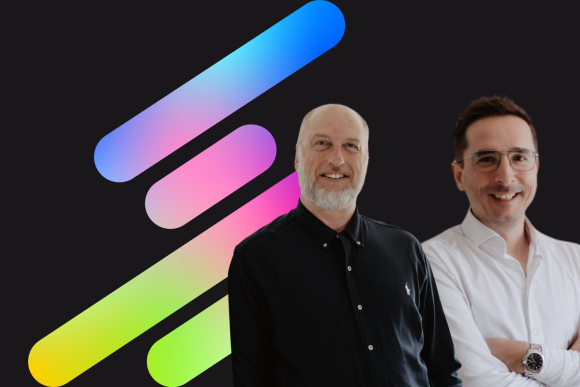
The upcoming leat con 26, a premier convention for the live entertainment and technology sectors, is set to address one of the most pressing challenges facing small and medium-sized enterprises (SMEs) today: the strategic transition of leadership and ownership. On October 6, 2026, from 16:00 to 17:30, industry experts Florian Kunz and Peter Marx will lead an intensive workshop titled "Business Succession: A Complex Process" in Workshop Room A2.1, Hall A2. This session aims to provide a structured roadmap for business owners who are contemplating their exit strategies, as well as for potential successors looking to navigate the intricacies of taking the helm of an established firm.
As the "silver tsunami" of retiring business owners continues to sweep through the European industrial landscape, the live technology sector—characterized by highly specialized knowledge and long-standing client relationships—finds itself at a critical juncture. The workshop led by Kunz and Marx is designed to demystify the succession process, moving from the initial conceptual phase to the final execution of a sale or transfer. By focusing on practical, actionable insights, the presenters intend to equip attendees with the tools necessary to ensure the longevity of their enterprises and the stability of the broader market.
The Strategic Importance of Early Succession Planning
In the current economic climate, business succession is no longer a private family matter or a simple administrative task; it is a vital strategic maneuver. Data from the German KfW SME Panel consistently indicates that tens of thousands of companies face a succession crisis annually, with a significant percentage failing to find a suitable candidate before the owner’s retirement. Within the specialized fields of event technology and production, this risk is amplified by the high degree of technical expertise and personal networking required to maintain operations.
The leat con 26 workshop emphasizes that the "ideal" time to start planning a succession is not months, but years before the intended departure. Florian Kunz and Peter Marx argue that a structured approach, initiated early, allows for the optimization of company value and the identification of potential pitfalls that could derail a deal. During the 90-minute session, the lecturers will outline how a proactive stance can prevent the "fire sale" scenarios that often occur when an owner is forced to exit due to health or financial pressures.
A Chronological Roadmap for Leadership Transition
The workshop is structured to follow the logical progression of a succession project. According to the curriculum prepared by Kunz and Marx, a successful transfer typically follows a multi-year trajectory, which they break down into four distinct phases:
Phase I: Preparation and Goal Definition
This phase involves a deep dive into the owner’s personal and professional objectives. Is the goal to keep the company in the family, sell to employees (Management Buy-Out), or find an external buyer (Management Buy-In)? The workshop will provide frameworks for evaluating these different scenarios based on the company’s financial health and the owner’s legacy goals.
Phase II: Business Optimization and Valuation
Before a company can be handed over, it must be "fit for sale." This involves cleaning up balance sheets, documenting proprietary processes, and ensuring that the business is not overly dependent on the owner for its daily operations. Kunz and Marx will discuss various valuation methods—such as the Discounted Cash Flow (DCF) method and the Multiple method—and how they apply specifically to the tech and event services industry.
Phase III: The Search and Negotiation Process
Finding the right successor is often the most time-consuming step. The workshop will cover the search for potential candidates, the importance of non-disclosure agreements (NDAs), and the initial letter of intent (LOI). The instructors will highlight the psychological aspects of negotiation, where emotional attachments often clash with the cold realities of financial due diligence.
Phase IV: Execution and Handover
The final stage is the legal and financial closing. However, the "handover" often continues for months or even years after the papers are signed. The workshop will explore "earn-out" models and advisory roles for outgoing owners to ensure a smooth transition of client trust and technical know-how.
Current Market Data and Economic Context
The necessity of this workshop is underscored by recent economic data regarding the "Mittelstand"—the backbone of the German-speaking economy. According to the Institute for SME Research (IfM) Bonn, approximately 30,000 companies in Germany are handed over to successors every year. However, the number of available successors is shrinking due to demographic shifts and a growing preference among younger generations for corporate employment or starting new ventures over taking over existing ones.
In the event technology sector, which suffered significantly during the pandemic years but has since seen a robust recovery, the stakes are even higher. Companies that survived the 2020-2022 period often did so through extreme resilience and innovation. Now, as those owners approach retirement age in 2026, they possess valuable IP and market share that must be preserved. Experts suggest that a failed succession in this sector doesn’t just impact the owner; it disrupts the supply chain for major cultural events, trade fairs, and corporate productions.
Profiles of the Lecturers: Florian Kunz and Peter Marx
The effectiveness of the leat con 26 workshop is rooted in the extensive experience of its facilitators. Florian Kunz and Peter Marx are recognized figures in the field of corporate consultancy and M&A (Mergers and Acquisitions). Their approach is noted for being "practice-oriented," moving beyond theoretical models to address the real-world friction that occurs during a sale.
Florian Kunz has spent years advising SMEs on growth strategies and exit planning, with a particular focus on the technical services sector. His expertise lies in identifying the "hidden value" in companies that might not be immediately apparent on a standard balance sheet. Peter Marx, on the other hand, brings a wealth of experience in the legal and structural aspects of business transfers. He is known for his ability to navigate the complex tax implications of a sale, ensuring that both the seller and the buyer enter the agreement with a clear understanding of the long-term financial consequences.
Together, they represent a holistic view of the succession process, combining financial acumen with the "soft skills" required to manage the human elements of a transition.
Potential Implications for the Industry
The "Business Succession" workshop at leat con 26 is expected to have a ripple effect across the industry. By educating a cohort of business owners on the importance of structured transitions, the event contributes to market stability. When a business is successfully handed over rather than liquidated, jobs are preserved, and innovation continues.

Furthermore, the workshop serves as a networking hub for potential successors. In previous years, similar sessions have acted as a catalyst for "Management Buy-Ins," where younger professionals with capital and ambition meet veteran owners looking for a way out. This "matchmaking" element is an unofficial but vital component of the leat con program.
From an analytical perspective, the focus on succession planning suggests a maturing of the live entertainment technology market. It signals a move away from the "founder-led" era toward a more institutionalized and sustainable business model. As companies become larger and more complex, the methods used to transfer them must become equally sophisticated.
Official Expectations and Industry Response
While official statements from the leat con organizers emphasize the educational value of the program, industry associations have also voiced their support for such initiatives. Representatives from the VPLT (The Association of Media and Event Technology) have frequently noted that professionalizing the management side of the industry is just as important as technical innovation.
"Succession is the final test of a founder’s leadership," noted one industry analyst in the lead-up to the convention. "If you build a great company but it dies with your retirement, you haven’t built a sustainable legacy. The work that Kunz and Marx are doing is about ensuring that the expertise developed over the last thirty years remains within the industry."
Conclusion and Attendance Details
The workshop "Business Succession: A Complex Process" is a critical addition to the leat con 26 agenda. It addresses a systemic challenge with a combination of data-driven strategy and practical experience. For business owners in the Hall A2 vicinity on October 6, the session represents an opportunity to gain a competitive edge in the "market for companies."
Attendees are encouraged to arrive early at Workshop Room A2.1, as the session is expected to draw a significant crowd of both veteran entrepreneurs and aspiring executives. The 90-minute duration will include a dedicated Q&A segment, allowing participants to pose specific questions regarding their unique situations. As the industry looks toward the late 2020s, the lessons learned in this workshop may well determine which companies thrive in the next generation and which fade into history.
