

The Architect of the Romantic Riff: Roy Orbison’s Oh, Pretty Woman
Released in August 1964, "Oh, Pretty Woman" stands as a monumental achievement in the career of Roy Orbison and a definitive anthem of instant attraction. Co-written with Bill Dees, the song’s origins are rooted in a spontaneous moment of domestic life. According to historical accounts from Monument Records, the inspiration struck when Orbison’s wife, Claudette, informed him she was heading out to the store. When Orbison asked if she needed any money, Dees interjected with the remark, "A pretty woman never needs any money." This quip sparked the creation of one of the most recognizable guitar riffs in music history.
The song’s structure mimics the progression of a chance encounter. It begins with a steady, anticipatory drum beat and the iconic growl, moving into a narrative of a man watching a woman walk down the street. Musically, the track was sophisticated for its time, featuring four different guitarists to achieve its layered sound. Upon its release, the song reached number one on the Billboard Hot 100, staying there for three weeks. It was a global phenomenon, selling over seven million copies and revitalizing Orbison’s career during the height of the British Invasion, a time when many American artists were struggling to maintain chart relevance.
Analysis of the song’s impact suggests that its success lies in its blend of vulnerability and confidence. Orbison’s vocal range—climbing from a baritone growl to a soaring falsetto—captures the internal monologue of someone witnessing beauty in real-time. For the purpose of a first date, the song provides a rhythmic "swagger" that bolsters the listener’s confidence while acknowledging the sheer awe of a new connection.
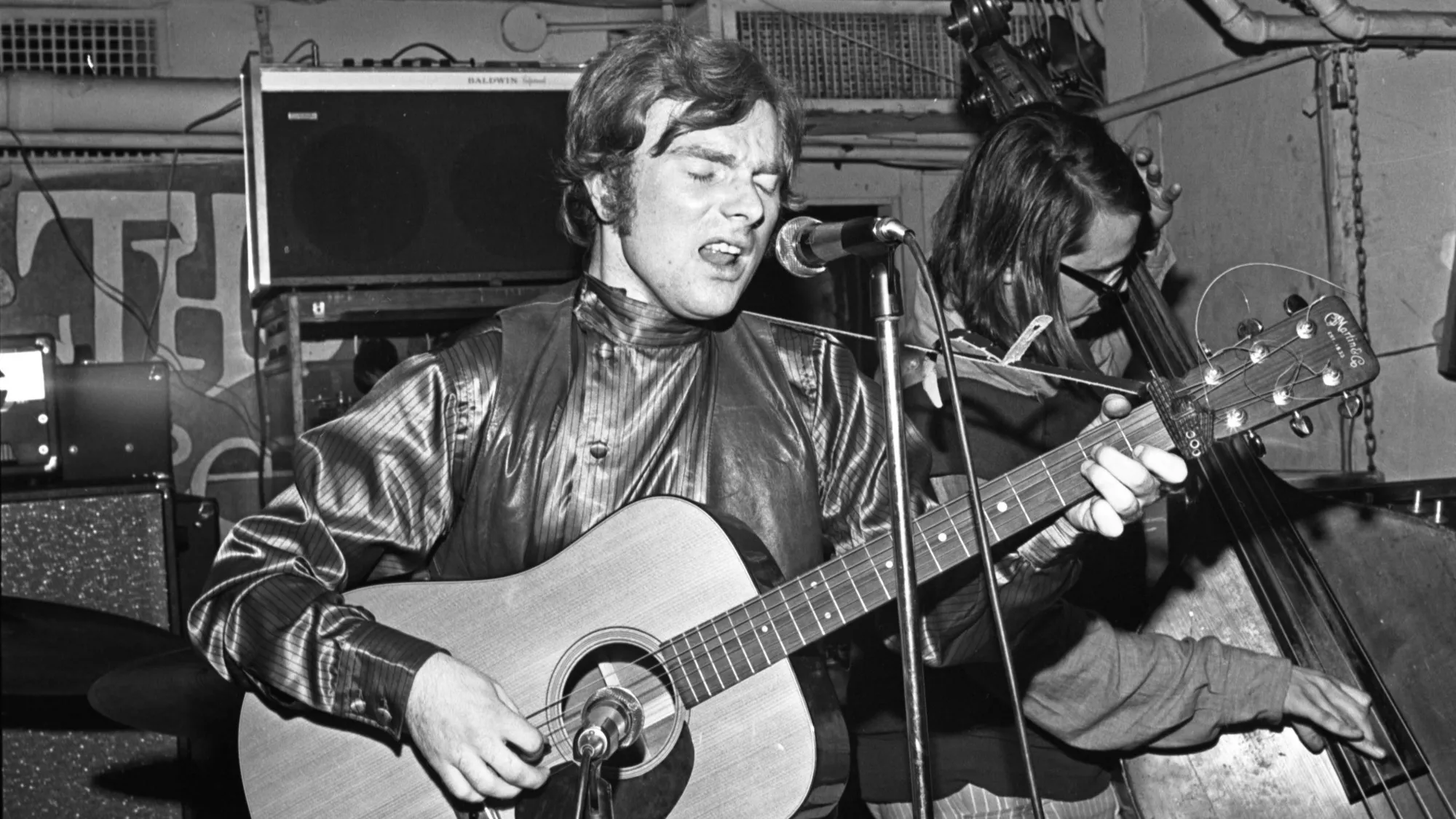
Van Morrison and the Transition of Brown Eyed Girl
In 1967, the music world saw the release of Van Morrison’s "Brown Eyed Girl," a track that has since become a staple of radio airplay and wedding receptions. However, the song’s journey from the recording studio to the airwaves was fraught with creative shifts and legal complexities. Originally titled "Brown Skinned Girl," the song was inspired by the calypso rhythms Morrison had been experimenting with. Morrison later clarified in interviews that the title change was a subconscious slip rather than a calculated commercial move.
The recording session took place in March 1967 at A&R Studios in New York City. Produced by Bert Berns, the track features a distinctive "sha-la-la" chorus that invites audience participation, a hallmark of the era’s focus on communal joy. Despite its upbeat tempo, the lyrics are deeply nostalgic, reflecting on "making love in the green grass," a line that led to the song being censored by many radio stations at the time. A "clean" version was eventually released to ensure the track’s longevity on the AM dial.
From a data perspective, "Brown Eyed Girl" remains one of the most downloaded and streamed songs of the 1960s. It reached number ten on the Billboard Hot 100, but its cultural footprint far exceeds its initial chart position. The song’s ability to evoke the sensory details of a date—the "misty morning fog" and the "hollow log"—makes it a quintessential piece of romantic storytelling. It encapsulates the "infatuation" phase by grounding it in specific, shared memories, a technique that songwriters have emulated for decades.
The Manufacturing of Joy: The Archies and Sugar, Sugar
By 1969, the music industry was seeing the rise of "bubblegum pop," a genre designed for maximum catchiness and broad appeal. At the forefront of this movement was "Sugar, Sugar" by The Archies. Unlike other hits of the era, The Archies were a fictional band based on the characters from Archie Comics. The song was the brainchild of Don Kirshner, who had previously found success with The Monkees and sought a group over which he could maintain total creative control.
Written by Jeff Barry and Andy Kim, "Sugar, Sugar" was initially rejected by several established acts before being recorded by session musicians, including lead vocalist Ron Dante. Andy Kim recalled the recording process as one filled with "euphoria," noting that the team didn’t spend time over-analyzing the lyrical depth. Instead, they focused on the "jive"—the infectious, repetitive nature of the melody that made it perfect for the jukebox culture of the late 60s.
Statistically, "Sugar, Sugar" was a juggernaut. it was the number one song of 1969 according to Billboard, spending four weeks at the top of the charts. It was a massive success in both the United States and the United Kingdom, proving that the sentiment of "sweetness" in a relationship was a universally marketable concept. In the context of a first date, the song represents the "sugar high" of new love—the simplistic, unburdened excitement that precedes the complexities of a long-term commitment.
The Psychological Resonance of The Turtles’ Happy Together
The year 1967 was pivotal for the counterculture movement, but it also produced some of the most enduring mainstream pop hits. Among these was "Happy Together" by The Turtles. Written by the songwriting duo Garry Bonner and Alan Gordon, the song had been rejected by numerous artists and was reportedly in a "worn-out" state when it reached The Turtles. The band recognized the potential in the demo’s minor-to-major key shifts, which perfectly mirrored the transition from longing to fulfillment.
The song’s production is notable for its intricate vocal harmonies and the use of a brass section to build tension toward the climactic chorus. Lyrically, "Happy Together" borders on the obsessive, with lines like "I can’t see me lovin’ nobody but you for all my life." While such a sentiment might be premature for a first date, it captures the "delusional lovebug" feeling that often accompanies a successful initial meeting.
"Happy Together" successfully knocked The Beatles’ "Penny Lane" off the number one spot on the Billboard Hot 100 in early 1967, a feat that underscored the song’s immense popularity. It remained at the top for three weeks. Industry analysts often cite the song as a masterpiece of "sunshine pop," a subgenre that emphasized lush arrangements and optimistic themes. The track’s enduring legacy is evidenced by its frequent use in film and television to signify a moment of romantic realization or montage-style courtship.
Chronology of 1960s Romantic Pop Milestones
To understand the broader context of these songs, one must look at the timeline of the 1960s music industry:
- 1960-1963: The era of the "Teen Idol" and the Brill Building songwriters. Romance was often depicted in a polite, idealized fashion.
- 1964: The British Invasion begins. Roy Orbison releases "Oh, Pretty Woman," bridging the gap between traditional rock and roll and the new pop sensibility.
- 1965-1966: The introduction of folk-rock and more complex lyrical themes. The focus shifts toward "meaningful" connections.
- 1967: The "Summer of Love." Van Morrison releases "Brown Eyed Girl" and The Turtles release "Happy Together," reflecting a more liberated view of romance and physical attraction.
- 1968-1969: The industry diversifies. While hard rock and psychedelic music grow, "Sugar, Sugar" demonstrates that there is still a massive market for pure, unadulterated pop escapism.
Broader Impact and Industry Implications
The success of these tracks fundamentally changed how record labels approached the concept of the "love song." Before the 1960s, romantic music was often synonymous with slow tempos and orchestral backing. The tracks by Orbison, Morrison, The Archies, and The Turtles proved that romantic infatuation could be high-energy, danceable, and commercially dominant.
Furthermore, the data regarding the longevity of these songs is staggering. According to BMI (Broadcast Music, Inc.), "Every Breath You Take" and "You’ve Lost That Lovin’ Feelin’" are among the most played, but 1960s "feel-good" tracks like "Brown Eyed Girl" consistently rank in the top tier of perennial radio favorites. This suggests that the "first date" feeling captured by these artists is not just a relic of the past, but a recurring emotional state that modern listeners continue to seek out.
In conclusion, the 1960s provided a unique cultural vacuum where technical innovation in the studio met a societal shift toward emotional openness. The resulting music—ranging from Orbison’s growl to the animated cheer of The Archies—offers a comprehensive map of the infatuation experience. These songs do more than just provide a background beat; they serve as historical documents of how we have learned to express the thrill of a new beginning. As long as people continue to navigate the nervous excitement of a first date, the soundtracks of the 1960s will remain an essential part of the romantic lexicon.
