

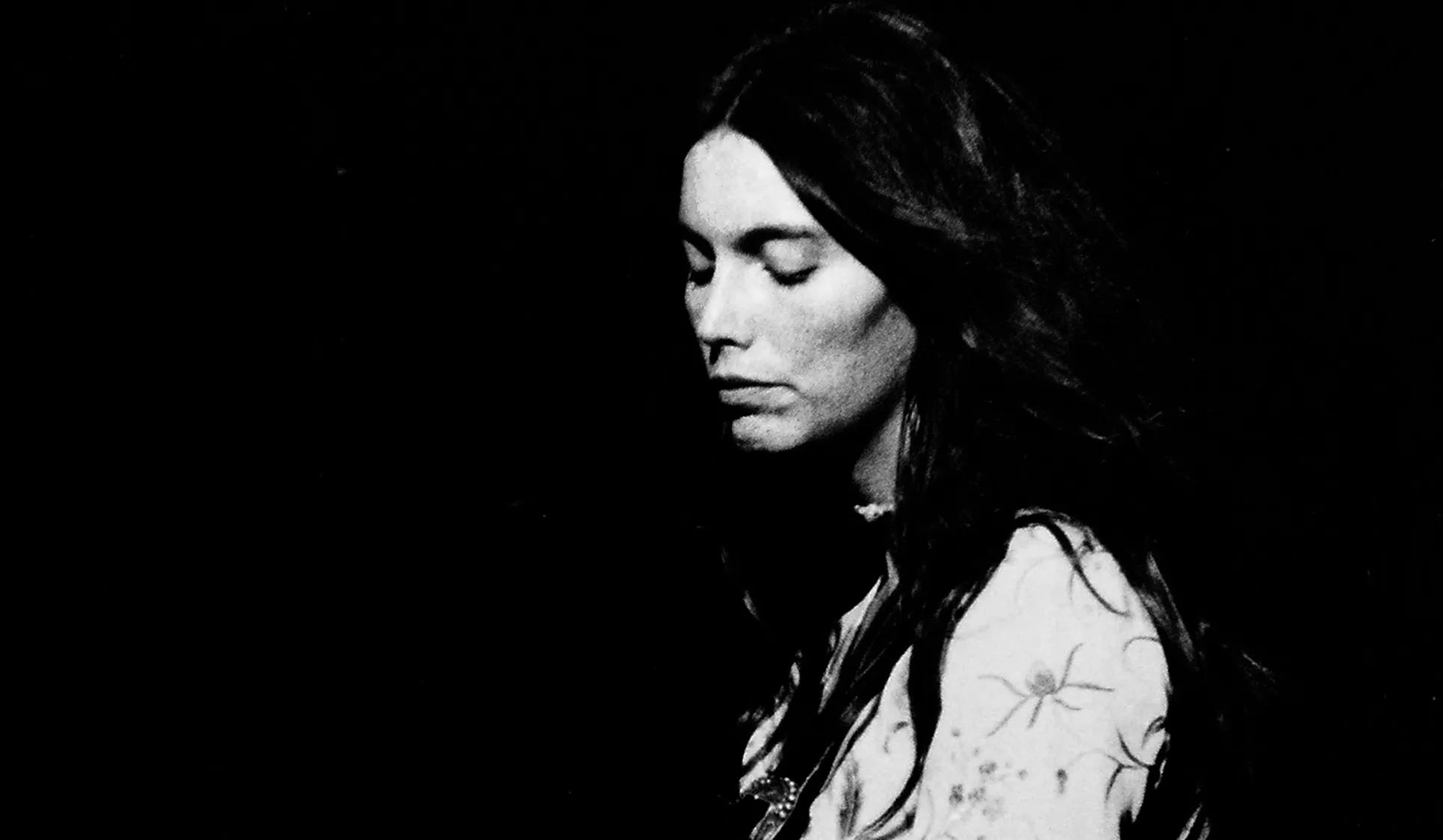
The year 1976 stands as a pivotal moment in the evolution of American country music, serving as a bridge between the traditional Nashville sound and the burgeoning influences of folk-rock and contemporary pop. This era, characterized by high-fidelity production and deeply personal songwriting, produced a series of singles that defined the sonic landscape of the mid-1970s. Among the most influential releases of that year were three distinct tracks: "Sweet Dreams" by Emmylou Harris, "’Til I Can Make It On My Own" by Tammy Wynette, and "(I’m A) Stand By My Woman Man" by Ronnie Milsap. Each song not only topped the charts but also encapsulated the shifting cultural and artistic priorities of the country music industry during the United States Bicentennial.
The Artistic Renaissance of Emmylou Harris and Elite Hotel
In 1976, Emmylou Harris solidified her position as a central figure in the "New Country" movement with the release of her third studio album, Elite Hotel. While Harris was already respected for her collaboration with the late Gram Parsons, Elite Hotel established her as a formidable solo artist capable of blending traditional country sensibilities with a sophisticated, modern aesthetic. A standout track from this project was her rendition of "Sweet Dreams," a song written by the legendary Don Gibson.
Gibson originally wrote and recorded "Sweet Dreams" in 1955, and it had been famously covered by Patsy Cline in 1963. However, Harris’s 1976 version brought a new level of ethereal precision to the composition. Produced by Brian Ahern, the track showcased Harris’s crystalline vocals supported by her renowned "Hot Band," which included luminaries such as James Burton and Rodney Crowell. The song’s lyrical narrative—an evocative exploration of unrequited love and the inability to escape the memory of a former partner—resonated deeply with audiences. The opening lines, "Sweet dreams of you / Every night I go through / Why can’t I forget you and start my life anew," became a hallmark of the era’s emotive storytelling.
The success of "Sweet Dreams" was a significant milestone for Harris. It became her second number-one single on the Billboard Hot Country Singles chart, following the success of "Together Again," which was also featured on Elite Hotel. The album itself was a critical and commercial triumph, earning Harris her first Grammy Award for Best Country Vocal Performance, Female. By revisiting classics by Don Gibson, Buck Owens, and even The Beatles, Harris demonstrated a unique ability to curate the history of the genre while pushing its boundaries forward.
Tammy Wynette and the Path to Personal Independence
While Emmylou Harris was charting new territory, Tammy Wynette—often referred to as the "First Lady of Country Music"—was navigating a period of significant personal and professional transition. In 1976, Wynette released "’Til I Can Make It On My Own," a song she co-wrote with George Richey and her longtime producer, Billy Sherrill. This track is frequently cited by music historians and Wynette herself as one of her finest compositions, reflecting a vulnerability that was both raw and relatable.
The song was released following Wynette’s highly publicized divorce from George Jones in 1975. The lyrics served as a poignant reflection on the struggle for self-sufficiency after a long-term partnership. The chorus, "Now and then / Lord, you know I’ll need a friend / And ’til I get used to losing you / Let me keep on using you / ’Til I can make it on my own," captured the complexities of dependency and the slow process of healing. Under Billy Sherrill’s direction, the production utilized the "Nashville Sound" tropes of sweeping strings and polished arrangements, which emphasized the dramatic arc of Wynette’s vocal performance.
The year 1976 proved to be exceptionally prolific for Wynette. In addition to the success of "’Til I Can Make It On My Own," she secured two other number-one hits: "You and Me" and "Golden Ring," the latter being a duet with her ex-husband, George Jones. This period highlighted Wynette’s resilience; despite her personal domestic challenges, her professional output remained at the pinnacle of the industry. "’Til I Can Make It On My Own" has since been recognized as a standard in the country music canon, covered by artists ranging from Kenny Rogers and Dottie West to Martina McBride.
Ronnie Milsap and the Intersection of Homage and Controversy
The third pillar of 1976 country music excellence was Ronnie Milsap’s "(I’m A) Stand By My Woman Man." Milsap, who had successfully transitioned from an R&B background to country stardom, was in the midst of an extraordinary run of hits during the mid-70s. The song appeared on his album 20/20 Vision and was written by Kent Robbins.
"(I’m A) Stand By My Woman Man" spent two weeks at the number-one spot on the country charts. The song’s lyrical content emphasized devotion and stability within a relationship: "I’m a stand by my woman man / We fall asleep at night thinking ain’t love grand / That’s why I’m a stand by my woman man / When she’s down she knows I’ll be beside her." While the song was a commercial juggernaut, it also became the center of a notable legal and creative discussion.
The track was a deliberate play on Tammy Wynette’s 1968 classic "Stand By Your Man." However, the similarities in the melody and the thematic structure led to a copyright lawsuit. The dispute centered on the resemblance of Milsap’s piano-driven arrangement and melodic phrasing to the earlier Sherrill-Wynette composition. Despite the legal complications, the song remained a staple of Milsap’s catalog and further established his reputation for blending soulful delivery with country tropes. 20/20 Vision also produced another significant hit, "What Goes On When the Sun Goes Down," reinforcing Milsap’s dominance on the airwaves during this period.
Chronology of Country Music Milestones: 1976
To understand the impact of these three songs, it is necessary to view them within the broader timeline of the year’s events in the country music industry:
- January 1976: Emmylou Harris’s Elite Hotel begins its ascent on the charts, following its late 1975 release, eventually hitting number one on the Billboard Top Country Albums chart.
- March 1976: Tammy Wynette releases the single "’Til I Can Make It On My Own," which quickly moves toward the top position, peaking in April.
- May 1976: The "Outlaw Country" movement reaches a fever pitch with the success of Wanted! The Outlaws, featuring Waylon Jennings and Willie Nelson, signaling a diversifying market.
- August 1976: Ronnie Milsap releases "(I’m A) Stand By My Woman Man," securing his place as a leading male vocalist of the year.
- October 1976: The Country Music Association (CMA) Awards recognize the year’s achievements, with the industry celebrating the commercial expansion of the genre.
- December 1976: Emmylou Harris concludes the year with a Grammy win for Elite Hotel, cementing the album’s legacy.
Market Data and Industry Impact
The commercial performance of these tracks reflected a robust era for the country music business. In 1976, country music was expanding its demographic reach, aided by FM radio and crossover success on the pop charts.
Emmylou Harris’s Elite Hotel was certified Gold by the RIAA, a significant feat for a country-folk artist at the time. The album’s success proved that there was a substantial market for "catalog" songs—older hits reimagined for a new generation. Tammy Wynette’s continued dominance reinforced the "star system" of Nashville, where established icons could maintain relevance through high-quality songwriting and production. Ronnie Milsap’s success illustrated the genre’s ability to incorporate elements of blue-eyed soul and pop without losing its core identity.
Statistically, the mid-1970s saw a rise in the number of country stations across the United States, growing from roughly 600 in the late 1960s to over 1,100 by 1976. This doubling of the broadcast footprint provided the necessary infrastructure for these number-one hits to reach a national audience, transcending regional boundaries.
Professional Analysis of Broader Implications
The significance of these three songs extends beyond their chart positions. They represent the three main pillars of the Nashville industry in 1976: the interpretive artist (Harris), the singer-songwriter (Wynette), and the crossover entertainer (Milsap).
- Interpretive Preservation: Harris’s work on "Sweet Dreams" highlighted the importance of the country music "songbook." By breathing new life into a Don Gibson standard, she ensured that the genre’s history remained a living part of its present.
- Emotional Authenticity: Wynette’s "’Til I Can Make It On My Own" reinforced the idea that country music was the "music of the people," capable of articulating complex adult emotions like grief, divorce, and the pursuit of independence. This authenticity remains the bedrock of the genre.
- Production and Crossover Appeal: Milsap’s work, despite the legal controversy, showed how Nashville was refining its production values. The use of sophisticated piano arrangements and polished backing vocals allowed country music to compete directly with adult contemporary and pop music for airtime.
In retrospect, the success of these 1976 singles provided a blueprint for the "Urban Cowboy" movement that would follow in the late 70s and early 80s. They demonstrated that country music could be both commercially viable and artistically rigorous. For the "70s kids" who grew up listening to these tracks, they represent a golden age of melody and lyricism—a time when the stories told in three minutes and thirty seconds felt as vast and significant as the country itself. The enduring popularity of Harris, Wynette, and Milsap today serves as a testament to the lasting quality of the music produced during this remarkable year in American history.
