

The landscape of country music has always been defined by a deep reverence for its lineage, a genre where the past is not merely remembered but actively woven into the fabric of the present. In recent years, a distinct phenomenon has emerged within the Nashville songwriting community: the creation of "spiritual successors." These are modern tracks that, while not official sequels or covers, mirror the themes, sonic palettes, and emotional resonance of iconic hits from decades prior. By examining the works of contemporary artists such as Midland, Lainey Wilson, and Zach Top, it becomes evident that the success of modern country often relies on a sophisticated dialogue with the legends of the 1970s and 1990s. This intergenerational bridge allows new artists to capture the nostalgia of longtime listeners while introducing classic tropes to a younger demographic.
The Architecture of Escapism: From Margaritaville to the Honky Tonk
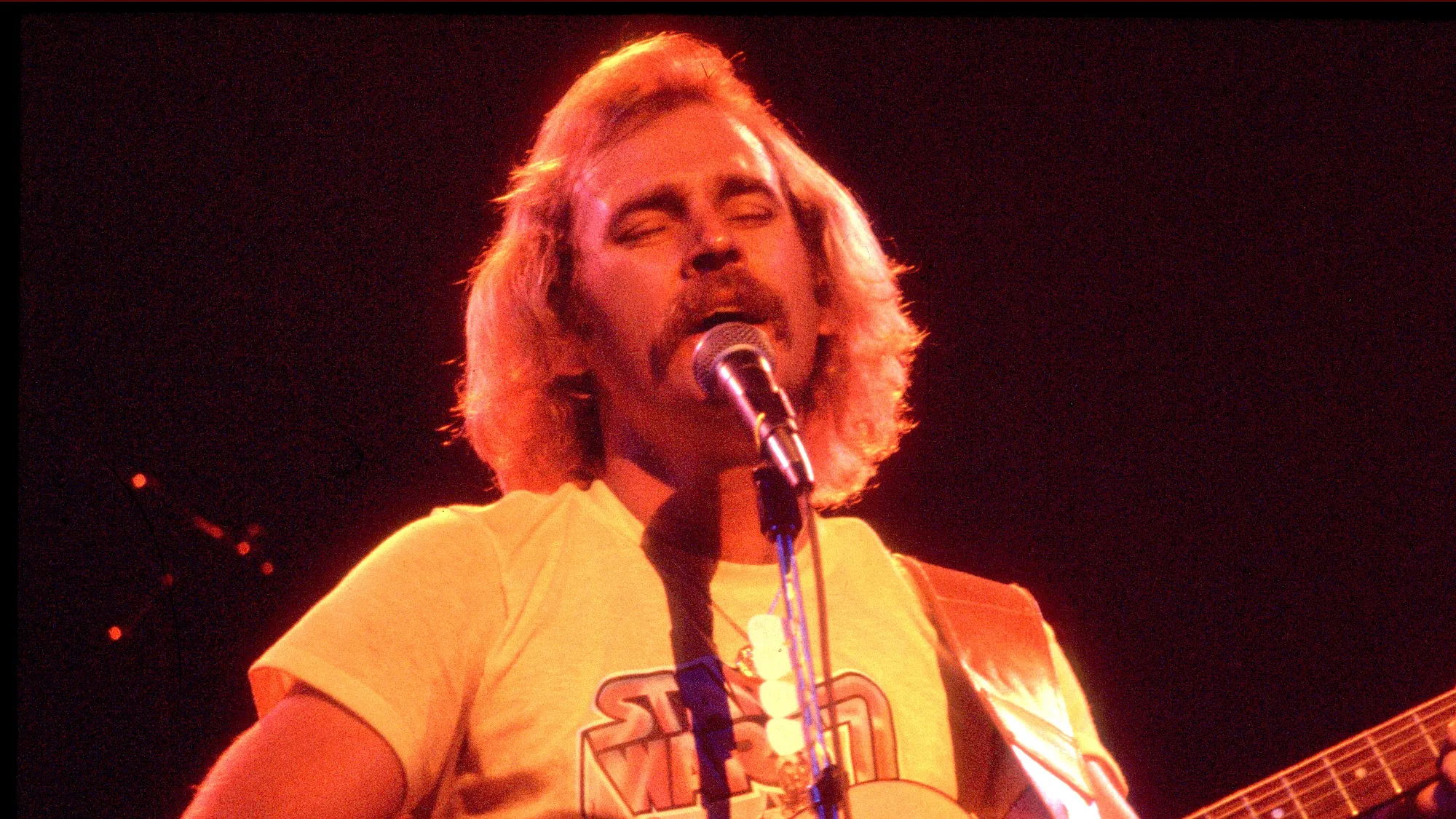
In 1977, Jimmy Buffett released "Margaritaville," a song that would eventually transcend the charts to become a lifestyle brand and a cultural shorthand for tropical escapism. Peaking at number eight on the Billboard Hot 100, the track introduced a "Gulf and Western" sound that blended country storytelling with a laid-back, coastal atmosphere. Fast forward forty years to 2017, and the trio Midland arrived on the scene with "Drinkin’ Problem," a song that serves as a thematic descendant of Buffett’s work, albeit shifted from the beach to the neon-lit confines of a traditional honky-tonk.
While "Drinkin’ Problem" was not explicitly written as a tribute to Buffett, the parallels are striking. Both songs utilize a breezy, mid-tempo melody to mask a deeper narrative of emotional avoidance through alcohol. In "Margaritaville," the protagonist is "wastin’ away" while grappling with a failed relationship; in "Drinkin’ Problem," the band sings, "They call it a problem, I call it a solution," reframing a vice as a necessary coping mechanism.
The commercial data supports the efficacy of this approach. "Drinkin’ Problem" was certified 5x Platinum by the RIAA and earned Midland two Grammy nominations. The song’s success signaled a shift in the mid-2010s away from the high-octane "Bro-Country" sound toward a more melodic, retro-inspired aesthetic. Industry analysts suggest that Midland’s ability to evoke the "easy-going" nature of 70s-era Buffett and the Eagles provided a refreshing alternative for listeners fatigued by electronic elements in country radio.
The Fruit of Nostalgia: Comparing Strawberry Wine and Watermelon Moonshine
Perhaps the most direct example of a spiritual successor in the modern era is Lainey Wilson’s 2023 hit "Watermelon Moonshine." From the moment of its release, critics and fans alike drew immediate comparisons to Deana Carter’s 1996 masterpiece, "Strawberry Wine." Both songs function as coming-of-age narratives centered on a young woman’s first experience with love and the bittersweet loss of innocence, using a fruit-flavored alcoholic beverage as the central metaphor for that specific season of life.
Deana Carter’s "Strawberry Wine," written by Matraca Berg and Gary Harrison, was a pivotal moment in 90s country, winning Single of the Year at the CMA Awards. It spent two weeks at number one and became a touchstone for "feminine nostalgia." Wilson’s "Watermelon Moonshine" follows a nearly identical emotional arc. Where Carter sang of "the hot July moon" and being "seventeen," Wilson evokes "a parkin’ back in them cuts" and a sense of reckless, youthful abandon.
The chronological connection between these two tracks highlights a 27-year cycle of storytelling. Wilson, who has cited the 90s as a primary influence on her "Bell Bottom Country" style, utilized "Watermelon Moonshine" to solidify her status as the genre’s leading female voice. The track reached number one on the Country Airplay chart, making Wilson the first female artist in over a decade to have three songs in the top 10 simultaneously. The enduring popularity of the "first love" trope, paired with the specific sonic hallmarks of 90s country—acoustic guitars, fiddle swells, and a slower narrative pace—proves that the "Strawberry Wine" blueprint remains a potent tool for commercial success.
The Sonic Lineage: Zach Top and the Alan Jackson Standard
While Midland and Lainey Wilson focus on thematic echoes, newcomer Zach Top represents a movement centered on sonic preservation. His 2024 breakout "Sounds Like The Radio" is a deliberate homage to the neotraditionalist movement of the early 1990s, specifically the work of Alan Jackson. Jackson’s 1993 hit "Chattahoochee" is widely considered the gold standard of the era, blending a driving honky-tonk beat with lyrics about small-town upbringing.
Zach Top’s connection to Jackson is not merely inferred; it is stated. The opening line of "Sounds Like The Radio" references Jackson’s signature hit: "Well, the day I was born the doc couldn’t believe / I came out cryin’ Chattahoochee." This lyrical nod serves as a manifesto for Top’s artistic identity. Unlike the "Metropolitan" country sound that dominated Nashville for much of the 2010s, Top utilizes heavy steel guitar and a nasal, traditional vocal delivery that mirrors Jackson’s iconic style.
The broader impact of this "90s revival" is reflected in the current market trends. Data from Luminate shows a significant increase in the consumption of 90s country catalog tracks, alongside a rising demand for new artists who replicate that sound. By positioning himself as the heir apparent to Alan Jackson, Zach Top has tapped into a demographic of listeners who feel alienated by modern pop-country influences. His debut album, Cold Beer & Country Music, has been lauded by critics as a masterclass in traditionalism, suggesting that the "spiritual successor" model is moving beyond individual songs and into full-scale career branding.
Chronology of Influence: A Timeline of Successors
To understand how these connections formed, it is helpful to look at the timeline of their respective releases and the cultural shifts that accompanied them:
- 1977: Jimmy Buffett releases "Margaritaville," establishing the template for "escapist country."
- 1993: Alan Jackson releases "Chattahoochee," cementing the neotraditionalist sound of the 90s.
- 1996: Deana Carter releases "Strawberry Wine," creating the definitive coming-of-age country ballad.
- 2017: Midland releases "Drinkin’ Problem," reviving the 70s country-rock aesthetic.
- 2023: Lainey Wilson releases "Watermelon Moonshine," directly channeling the nostalgia of the mid-90s.
- 2024: Zach Top releases "Sounds Like The Radio," bringing the Jackson-era production style back to the forefront of the genre.
Industry Analysis and the "Yellowstone" Effect
The rise of these spiritual successors can be attributed to several factors, including the "Yellowstone" effect—a cultural phenomenon where the popular television series Yellowstone and its soundtrack (which heavily features Wilson and other traditional-leaning artists) reintroduced mainstream audiences to "authentic" country sounds. This created a vacuum in the market that contemporary artists filled by looking backward for inspiration.
Furthermore, the "spiritual successor" strategy mitigates the risks associated with modern music production. By utilizing familiar structures and themes, artists can bypass the skepticism often directed toward "new" sounds. A song like "Watermelon Moonshine" feels familiar to a 45-year-old listener who grew up with "Strawberry Wine," yet it feels fresh and relatable to a 20-year-old experiencing their first summer romance. This dual-generational appeal is the primary driver of the high streaming numbers seen for these tracks.
Official Responses and Artist Perspectives
Artists themselves have been vocal about these connections. Lainey Wilson has frequently stated in interviews that she wanted to capture the "magic" she felt when first hearing Deana Carter on the radio. "It’s about a time in your life when you didn’t know any better," Wilson noted in a press release regarding "Watermelon Moonshine." "It’s that universal feeling of being young and thinking you’ve got it all figured out."
Similarly, the members of Midland—Mark Wystrach, Jess Carson, and Cameron Duddy—have often discussed their desire to return to the "song-first" mentality of the 1970s. By acknowledging their influences, these artists avoid accusations of imitation, instead framing their work as a continuation of a grand tradition.
Broader Implications for the Future of Country Music
The prevalence of spiritual successors suggests that country music is currently in a period of intense self-reflection. As the genre continues to expand globally, its core identity is being preserved through these modern reinterpretations of classic tropes. For songwriters and producers, the lesson is clear: innovation does not always require the abandonment of the past. Often, the most "innovative" move an artist can make is to find a new way to tell an old story.
As the industry moves forward, we can expect to see more artists mining the catalogs of the 80s and 90s for inspiration. Whether it is a modern take on George Strait’s storytelling or a contemporary echo of Shania Twain’s crossover appeal, the "spiritual successor" is becoming a permanent fixture of the Nashville machine. These songs ensure that while the faces of country music may change, the soul of the genre remains anchored in the classics that defined it.
