

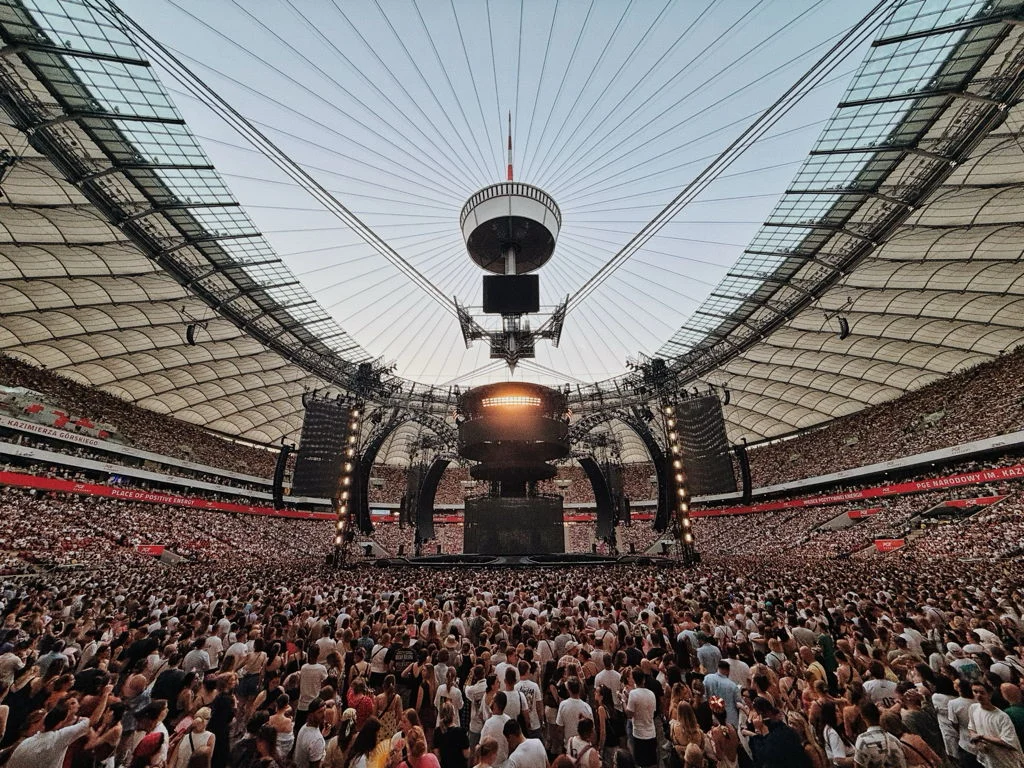
The landscape of live music production in Eastern Europe reached a new technical milestone during the recent "Obrotowy Tour" by Polish superstar Dawid Podsiadło. To meet the immense visual demands of a stadium-scale 360-degree production, 2Vision, a leading specialist in live broadcast and event technology, designed and executed a sophisticated multi-camera video ecosystem. Centered on a Blackmagic Design workflow, the installation managed everything from high-dynamic-range acquisition to complex signal routing and multi-channel recording, ensuring that tens of thousands of fans in Poland’s largest venues experienced a visually seamless performance.
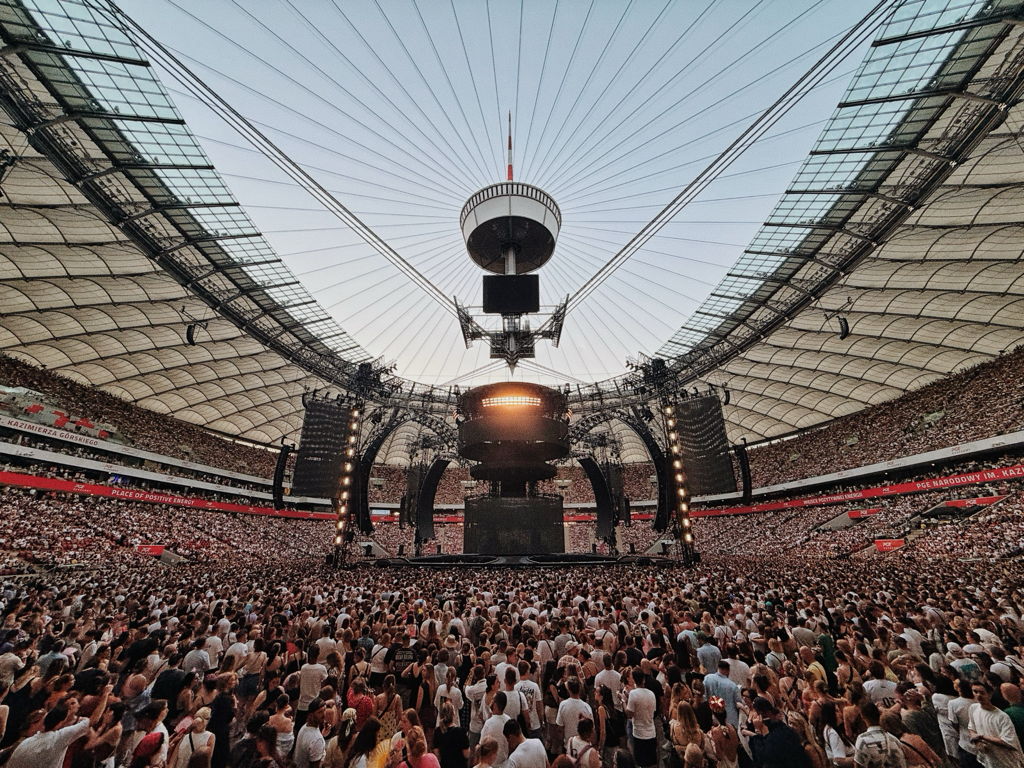
The tour, commissioned by East Eventz, visited four of Poland’s most iconic sporting arenas: the Silesian Stadium in Chorzów, the Enea Stadion in Poznań, the Polsat Plus Arena in Gdańsk, and the PGE Narodowy in Warsaw. These venues, with capacities ranging from 40,000 to nearly 60,000 attendees, required a production scale rarely seen in domestic tours. The "Obrotowy" (Rotating) concept utilized a central stage that provided a 360-degree view for the audience, necessitating a non-traditional camera plot and a robust signal management strategy to feed multiple LED screen stations positioned around the stadium bowls.
A New Benchmark for Polish Live Music Production
Dawid Podsiadło has long been a pioneer in the Polish music industry, consistently breaking records for ticket sales and production value. The Obrotowy Tour represented his most ambitious undertaking to date, moving away from the traditional "end-stage" setup to a central island configuration. This architectural choice meant that the production team had no "back of house" in the traditional sense; every angle was visible to some portion of the audience.
For 2Vision, the challenge was to create a mobile video system that could be deployed rapidly across different stadium geometries while maintaining the highest possible image quality. The technical requirements included not only standard Image Magnification (IMAG) for the fans in the upper tiers but also the creation of specialized feeds for social media, archival recording, and the artist’s own creative team. The integration of Blackmagic Design’s 12G-SDI ecosystem allowed the team to handle high-bandwidth 4K signals with minimal latency—a critical factor when the artist’s live image is projected on screens several stories high.
Technical Architecture: Acquisition and Optical Versatility
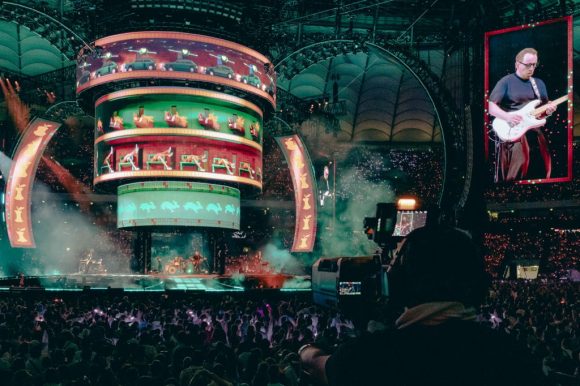
At the heart of the capture strategy were nine to twelve Blackmagic URSA Broadcast G2 cameras, depending on the specific requirements of each venue. The URSA Broadcast G2 was selected for its unique ability to bridge the gap between traditional broadcast functionality and cinematic image quality. Featuring a 6K digital film sensor with dual native ISO, the cameras provided the low-light performance necessary for the concert’s atmospheric opening sequences while maintaining enough dynamic range to handle the intense pyrotechnics and strobe lighting of the finale.
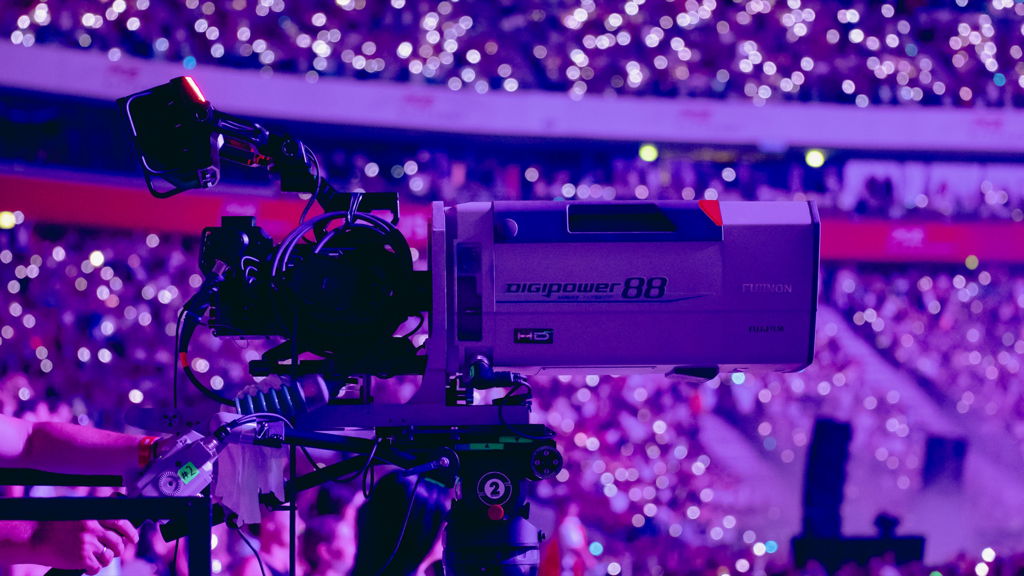
To cover the vast distances of a stadium environment, 2Vision equipped the URSA units with a variety of high-performance B4 lenses. These included "box lenses" with 107x, 88x, and 42x zoom capabilities, allowing operators to capture tight close-ups of the artist from the furthest reaches of the stadium floor. The versatility of the G2’s mount system was a key factor; it allowed the team to use these broadcast-standard lenses for long-range shots while utilizing other camera configurations for different perspectives.
Beyond the primary URSA units, the production integrated a diverse array of more than 20 signal sources. This included:
- Handheld cameras for on-stage intimacy.
- Pan-Tilt-Zoom (PTZ) cameras mounted within the stage structure for unique, low-profile angles.
- Wireless RF cameras to allow operators to move freely among the crowd.
- A specialized line-camera (cable cam) for sweeping aerial shots of the 360-degree stage.
- Drone units to provide the "God’s eye" view of the stadium and the surrounding cityscapes.
Grzegorz Jakubowski, CEO of 2Vision, emphasized that the choice of the URSA Broadcast G2 was driven by the need for a familiar broadcast workflow. "For a stadium production, we still need a classic broadcast workflow," Jakubowski noted. "B4 lenses, large box lenses, servo zooms, and remote camera control are essential for experienced operators. However, visually, this was a concert, not a football match. We needed the cinematic texture that the URSA sensor provides to match the artistic vision of the tour."
Engineering the Visual Consistency of IMAG
One of the primary difficulties in stadium concert video is the sheer scale of the IMAG (Image Magnification) screens. When a performer’s face is projected at a height of 10 meters, any technical flaw—be it a color mismatch, a focus error, or digital noise—is magnified to an unforgiving degree. Sebastian Van Dessel, COO of 2Vision, pointed out that maintaining consistency across a dozen cameras is the most grueling part of the job.
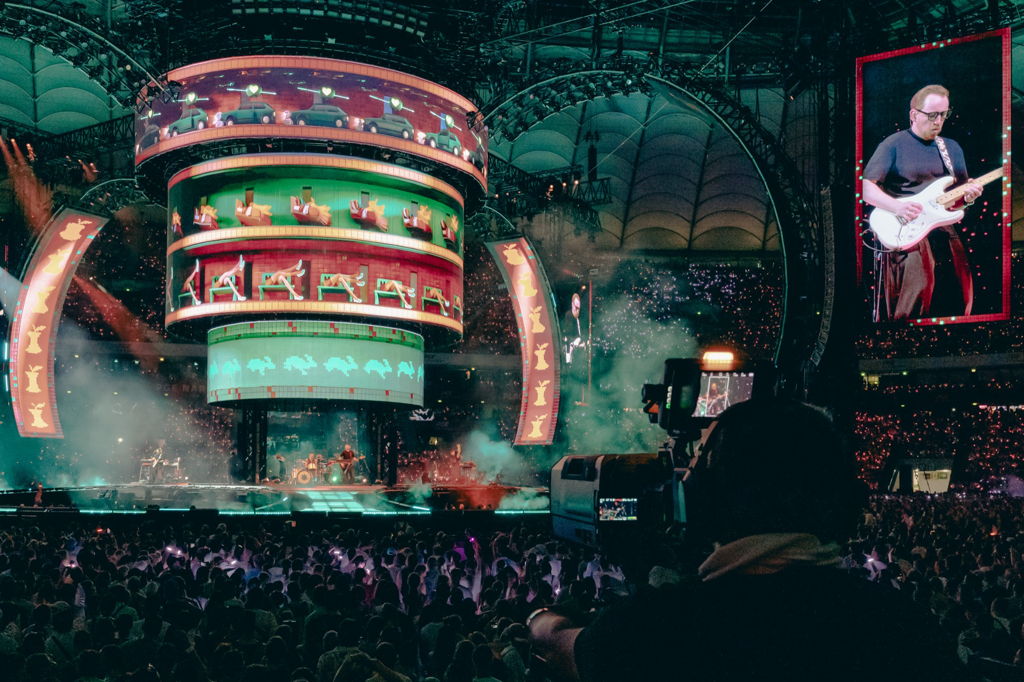
The production had to navigate extreme lighting transitions, moving from near-total darkness to high-intensity white light within fractions of a second. The 2Vision team used the Blackmagic Camera Control functionality to remotely adjust iris, shutter, and color balance for all URSA units from a central station. This ensured that skin tones remained natural and highlights were not "blown out" when the stage lighting reached peak intensity.
"Large IMAG screens are merciless," Van Dessel explained. "Even the smallest discrepancy between cameras becomes immediately obvious to the audience. Our goal was to ensure that regardless of which camera the director chose, the visual ‘signature’ of the show remained constant."
Centralized Control: The ATEM Constellation and Videohub 120×120
The nerve center of the production was housed in a mobile control room, where the live mix was managed via an ATEM 4 M/E Constellation 4K switcher, paired with an ATEM 2 M/E Advanced Panel 20. The "Multi-M/E" (Multiple Mix Effects) architecture of the Constellation was vital because the tour required several distinct mixes to be produced simultaneously.
The primary PGM (Program) feed was sent to the main LED screens, but the Multimedia Team also required three independent AUX feeds to populate different parts of the stage’s visual architecture. Additionally, 2Vision provided specialized feeds for:
- Production monitoring for the technical crew.
- Artist monitoring (often referred to as "vanity" feeds).
- Administrative and security monitoring.
- Broad, universal "safety" shots for the recording.
- Specific feeds dedicated to the social media and content creation teams.
Managing this complex web of inputs and outputs required a high-capacity routing solution. 2Vision utilized the Blackmagic Videohub 120×120 12G, which acted as the central nervous system for signal distribution within the OB (Outside Broadcast) truck. The 12G-SDI standard allowed the team to run 4K video over a single cable, simplifying the physical infrastructure while maintaining future-proof bandwidth.
The Videohub proved particularly valuable during the rehearsal phases in each city. Stadium tours often involve last-minute changes to the stage design or the addition of guest performers. Jakubowski noted that the ability to logically reconfigure the entire routing map without physically "re-patching" cables saved the team countless hours. "During rehearsals, things change constantly. Someone might suddenly need a wide shot instead of the PGM feed, or a recorder might need a different source. With the Videohub, we could handle these requests instantly through the software interface."
Archiving and Post-Production: A Blackmagic RAW Workflow
The Obrotowy Tour was not just a live event; it was also a massive content-gathering exercise for future documentaries, music videos, and concert films. To support this, 2Vision implemented a comprehensive recording strategy. Approximately 20 separate feeds were recorded simultaneously.
The primary URSA Broadcast G2 cameras recorded 4K Blackmagic RAW (B-RAW) internally to dual CFast 2.0 cards. This allowed the post-production team to access the full sensor data later, providing maximum flexibility for color grading and exposure adjustment. Simultaneously, the control room utilized two HyperDeck Studio 4K Pro broadcast decks and one HyperDeck Studio HD for PGM recording, "clean" feeds (video without graphics), and safety backups.
ISO recordings (isolated feeds from individual cameras) were also captured for the PTZ and drone units. This multi-layered recording approach ensured that no moment of the four-city tour was lost, providing a rich library of footage for Podsiadło’s management team.
Broader Implications for the Live Event Industry
The success of 2Vision’s workflow on the Dawid Podsiadło tour highlights a growing trend in the global live events industry: the democratization of high-end broadcast technology. Previously, the level of technical sophistication required for a stadium-sized 360-degree show was the exclusive domain of massive international rental houses with budgets in the millions of dollars.
By leveraging the Blackmagic Design ecosystem, 2Vision demonstrated that a regional production company could deliver "world-class" visual standards using modular, scalable, and cost-effective equipment. The integration of 12G-SDI, cinematic sensors in broadcast bodies, and high-density routing reflects a shift toward more agile production models that do not sacrifice quality for mobility.
The Obrotowy Tour also underscores the rising importance of "Visual Consistency" in the age of high-definition social media. With fans recording every second of the show on their smartphones and the artist’s team demanding 4K raw footage for global distribution, the margin for error in live video production has vanished.
Conclusion and Future Outlook
As the final notes of the tour echoed through Warsaw’s PGE Narodowy, the 2Vision team looked toward the future. The experience gained from managing the complexities of the Podsiadło production has already begun to influence the company’s next steps. Grzegorz Jakubowski confirmed that the success of this workflow has become the blueprint for 2Vision’s next UHD OB truck.
"The central Blackmagic infrastructure gave us the flexibility we needed for a tour of this magnitude," Jakubowski concluded. "We are now looking at scaling this same approach for even larger productions. The ability to maintain a consistent cinematic look within a traditional broadcast environment is exactly what modern artists and audiences demand."
The Obrotowy Tour stands as a testament to the power of integrated video technology in the live music space. Through the strategic use of high-resolution capture, flexible routing, and robust multi-channel recording, 2Vision and Blackmagic Design helped transform a series of concerts into a historic visual spectacle, setting a new standard for stadium productions in Poland and beyond.
