

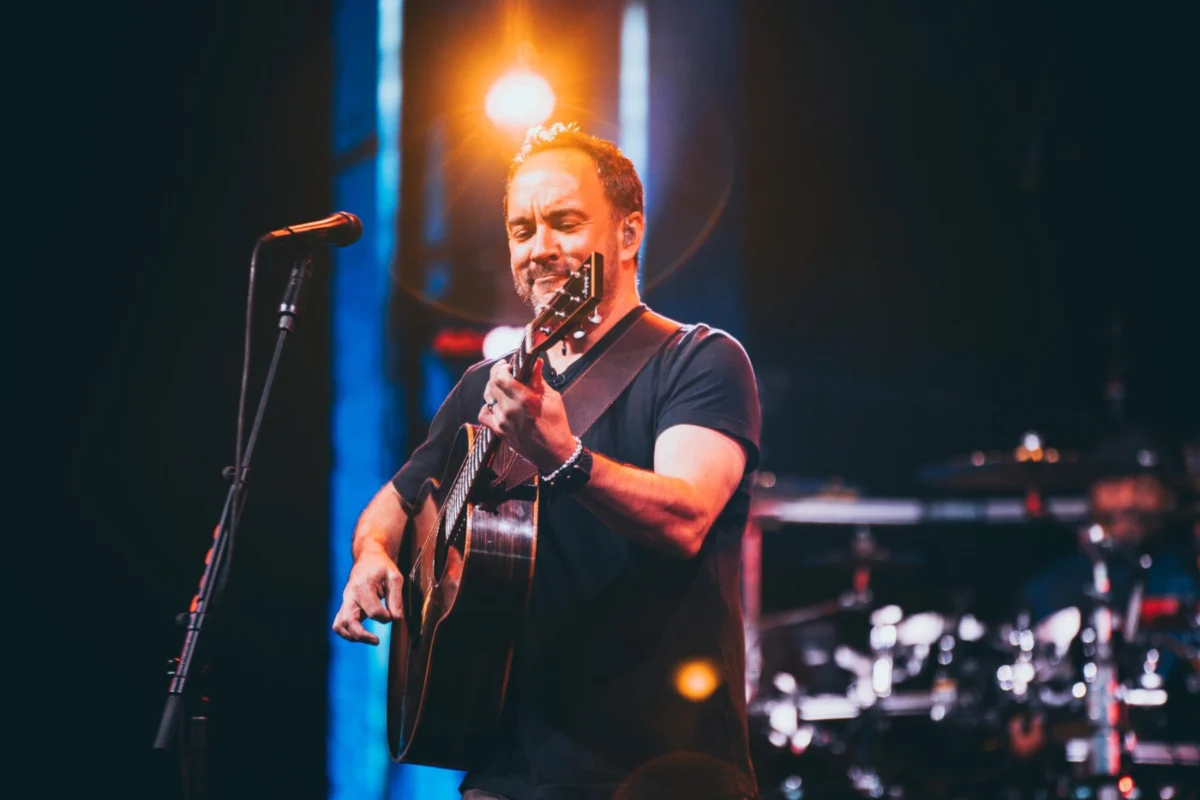
Ocean City, Maryland – The eagerly anticipated Oceans Calling Festival, a prominent fixture on the East Coast’s autumn music calendar, announced the cancellation of its entire Friday, September 25, lineup due to the impending threat of a powerful nor’easter and significant beach erosion. The decision, made on Thursday, September 24, has left thousands of ticketholders disappointed and highlighted the increasing vulnerability of outdoor music events to severe weather patterns exacerbated by a changing climate. High-profile acts including the Dave Matthews Band, Ludacris, O.A.R., Yellowcard, Shaggy, and Liz Phair were among those whose sets were wiped out, underscoring the substantial impact on both artists and fans.
The festival, typically a vibrant three-day celebration of music, culture, and coastal charm, draws tens of thousands to Ocean City’s iconic boardwalk and beach. Its cancellation of the opening day marks a significant blow, not only to the entertainment schedule but also to the local economy that benefits substantially from the influx of visitors. Organizers cited safety as the paramount concern, acknowledging the "extraordinary efforts" made by production, site, and safety teams, as well as city officials, to prepare for the event. However, the cumulative effects of persistent inclement weather leading up to the festival, particularly the erosion of the beach area where much of the infrastructure is built, rendered it impossible to ensure a safe environment for attendees, artists, and crew.
The Anatomy of a Cancellation: A Chronology of Weather Woes
The decision to cancel Friday’s programming was not sudden but rather the culmination of days of monitoring an evolving weather situation. Forecasters had been tracking a robust nor’easter developing off the Atlantic coast, predicting a prolonged period of adverse conditions for the Delmarva Peninsula. This type of storm is characterized by strong onshore winds, heavy rainfall, and significant coastal impacts, often lasting for multiple days.
- Early Week (September 21-23): Initial weather models began to solidify predictions for a strong coastal storm impacting the Mid-Atlantic region by the end of the week. While specific impacts were still being refined, the potential for heavy precipitation and elevated winds became a growing concern for festival organizers.
- Mid-Week (September 23-24): As the storm system approached, local meteorological services, including those cited by WBOC, issued more definitive warnings. Forecasts indicated wind gusts potentially exceeding 55 miles per hour at the beach from Friday night into Saturday. More critically, the sustained nature of the storm was emphasized, suggesting a prolonged assault on the coastline, leading to significant beach erosion and coastal flooding. This continuous battering by wind and waves directly compromised the stability of temporary structures and the integrity of the festival grounds.
- Thursday, September 24 (Announcement Day): With the storm’s trajectory and intensity confirmed, and visible signs of beach erosion already impacting the festival site near the inlet, organizers made the difficult decision to cancel Friday’s events. The official statement from the festival acknowledged that the "impacts of this week’s continued weather" and "beach erosion that affected the festival site" made it "impossible to safely complete the build in time for Friday." Ocean City Emergency Services director Joe Theobald corroborated this, noting, "This is a typical nor’easter for the coastline. It’s nothing new for Ocean City… it’s a sustained period of time, and that’s really what’s played into this." The combination of existing conditions and the grim forecast for additional rough weather over the weekend sealed Friday’s fate.
The logistical challenge of constructing multiple stages, vendor areas, and public safety zones on an unstable, eroding beach under adverse weather conditions proved insurmountable. The safety of concertgoers, performers, and production staff ultimately dictated the cancellation, prioritizing well-being over economic considerations or entertainment schedules.
Supporting Data: The Impact of a Nor’easter on Coastal Events
Nor’easters are powerful extratropical cyclones that typically form along the East Coast of North America and derive their name from the strong northeasterly winds they bring to coastal areas. These storms are known for their capacity to generate significant precipitation, high winds, and particularly damaging coastal impacts, including storm surge, coastal flooding, and severe beach erosion. For an event like Oceans Calling, situated directly on the beach and boardwalk, these conditions pose an existential threat.
Predicted wind gusts exceeding 55 miles per hour are well above the thresholds for safely operating temporary structures, such as stages, lighting rigs, and vendor tents. Such winds can turn unsecured objects into projectiles and destabilize large structures, creating immense hazards. Coastal flooding, even moderate levels, can inundate access roads, parking areas, and parts of the festival site, rendering them impassable or unsafe.
However, the most critical factor cited by organizers was beach erosion. The beaches of Ocean City, while regularly replenished, are inherently dynamic environments. A sustained nor’easter, with its relentless waves and storm surge, can rapidly strip away vast quantities of sand, undermining foundations and creating uneven, hazardous terrain. This directly compromises the structural integrity of stages and other temporary installations, making it unsafe for large crowds to gather. The prolonged duration of the storm, as highlighted by Director Theobald, exacerbates these effects, as the coastline has less time to recover between high tides or periods of intense wave action.
Official Responses and Refund Logistics
In their official statement, the festival organizers expressed regret but maintained that "The safety of our fans, artists, crew, and community must come first." This sentiment aligns with standard event management protocols, where public safety is the ultimate determinant in continuation decisions.
For affected ticketholders, the festival outlined a clear refund policy. Individuals who purchased one-day Friday tickets will receive an automatic refund for the full price of their ticket. For those who purchased 3-Day tickets through Front Gate Tickets, 33% of the ticket price will be automatically refunded. These refunds are expected to be processed within 30 days, providing some financial relief to attendees whose plans were disrupted. The transparency in the refund process is crucial for maintaining goodwill among the festival’s dedicated fanbase.
As of the cancellation announcement, the status of Saturday and Sunday’s lineups remained uncertain. Organizers indicated that they would continue to monitor the weather conditions and assess the integrity of the festival site. The Saturday and Sunday schedules are slated to feature a diverse array of artists, including Twenty One Pilots, Gwen Stefani, Goo Goo Dolls, Third Eye Blind, Mumford & Sons, Matchbox Twenty, Caamp, and My Morning Jacket. Decisions regarding these remaining days will undoubtedly hinge on the severity of the storm’s actual impact and the feasibility of rapidly repairing or securing the site once the immediate threat subsides.
Broader Impact and Implications: A New Era of Festival Vulnerability
The cancellation of Oceans Calling’s opening day is not an isolated incident but rather a stark reminder of a growing trend impacting the live music industry: the increasing frequency and intensity of climate-related disruptions. Over recent years, music festivals and outdoor concerts have faced an unprecedented array of challenges stemming from extreme weather events, signaling a new era of vulnerability.
This past summer alone has witnessed several high-profile cancellations and disruptions across North America, underscoring the pervasive nature of these challenges:
- Ocean Way Festival (Santa Monica, California): Just weeks prior to its debut, the inaugural Ocean Way Festival was canceled due to dangerous high surf and flooding caused by Southern California’s Hurricane Marie. This event was particularly noteworthy as hurricane impacts are relatively rare on the West Coast, highlighting an expansion of extreme weather phenomena into unaccustomed regions.
- Bonnaroo Music and Arts Festival (Manchester, Tennessee): The renowned Bonnaroo festival, an annual staple in the heartland, faced severe storm impacts. Its 2026 edition saw temporary site evacuations and the cancellation of several sets due to severe weather. The aftermath was so significant that organizers took the unprecedented step of canceling the 2027 edition entirely, citing the need for the grounds to "rest and recover" from the extensive damage. This decision underscores the long-term consequences that extreme weather can have on festival infrastructure and ecosystems.
- Wildfires and Air Quality (Northeast U.S. and Southern Canada): Earlier in the summer, widespread wildfires across eastern Canada led to unprecedented levels of poor air quality across the Northeast U.S. and parts of Canada. This public health crisis forced the postponement or cancellation of numerous outdoor concerts, impacting artists such as the Black Keys, John Mellencamp, Mavis Staples, Creed, and The War and Treaty. The implications extended beyond immediate safety to include long-term health risks for performers and audiences exposed to prolonged periods of hazardous air.
These incidents collectively paint a clear picture: climate change is no longer a distant threat but a present and immediate challenge for the global live music industry. The Atlantic hurricane season, in particular, has seen an increase in the number of intense storms, leading to more frequent disruptions for coastal events.
Challenges and Adaptations for the Festival Industry
The escalating frequency of climate-related disruptions presents complex challenges for festival organizers:
- Risk Assessment and Insurance: Underwriting insurance for outdoor events becomes increasingly complex and costly as climate risks mount. Insurers are adjusting premiums and terms to reflect the heightened probability of cancellations due to extreme weather, potentially straining festival budgets.
- Site Selection and Infrastructure: Organizers must re-evaluate festival locations, considering not only logistical convenience but also long-term climate resilience. This could mean investing in more robust, storm-resistant infrastructure, selecting sites less prone to flooding or erosion, or even exploring alternative indoor venues as contingencies.
- Contingency Planning: The need for comprehensive contingency plans has never been greater. This includes clear communication strategies for cancellations, efficient refund mechanisms, and potentially even backup plans for relocating parts of an event if conditions permit.
- Sustainability Practices: The very events being impacted by climate change are also being urged to adopt more sustainable practices. Festivals are increasingly under pressure to reduce their carbon footprint, manage waste effectively, and engage in environmental stewardship to contribute to broader climate solutions.
- Economic Impact: Beyond ticket refunds, cancellations incur significant financial losses for organizers, artists, vendors, and local economies. Hotels, restaurants, and local businesses that rely on festival-driven tourism suffer direct revenue losses, creating a ripple effect throughout host communities.
The Oceans Calling Festival’s Friday cancellation serves as a potent reminder that the entertainment industry, like many others, must adapt to a rapidly changing global climate. As weather patterns become more unpredictable and extreme, the ability to deliver live, outdoor music experiences will increasingly depend on foresight, resilience, and a proactive approach to environmental challenges. The industry faces a critical juncture, balancing the desire to create unforgettable experiences with the imperative to ensure the safety and sustainability of these beloved cultural events. The coming days will reveal whether Oceans Calling can proceed with its remaining schedule, but the broader message about climate’s impact on culture has already been powerfully delivered.
