

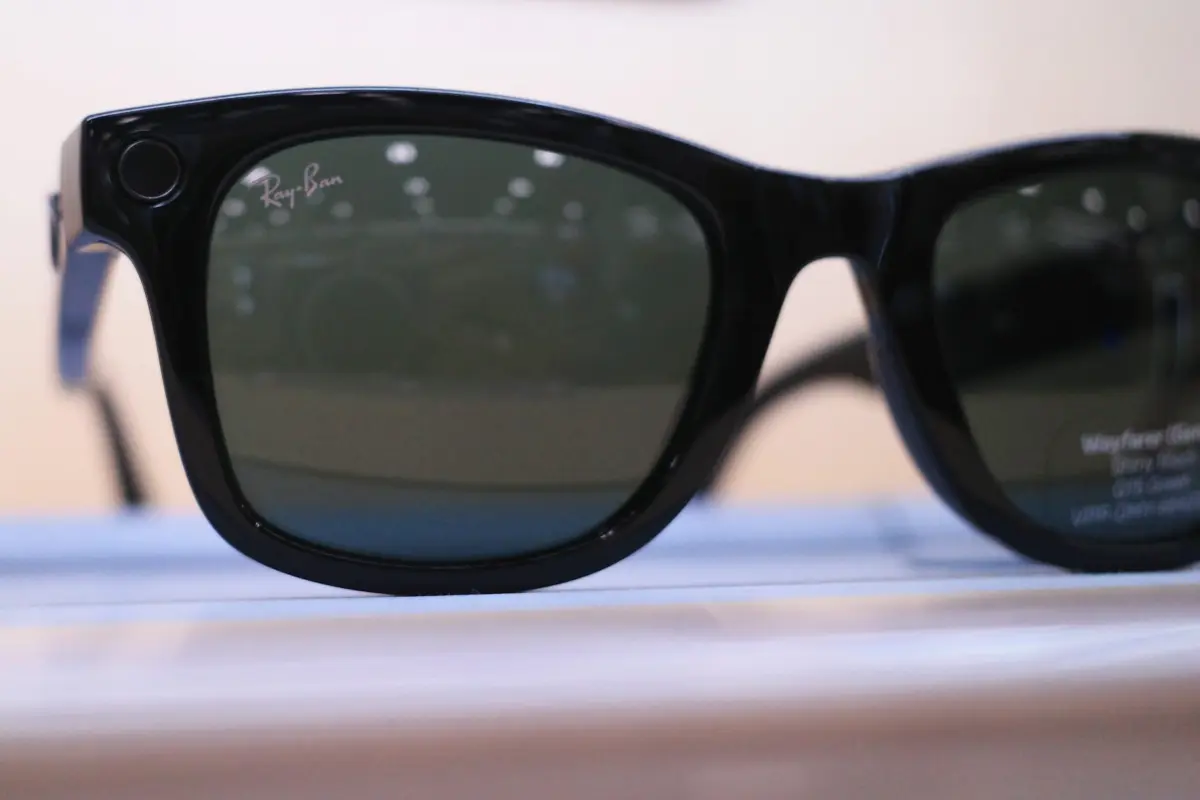
Italian eyewear conglomerate EssilorLuxottica, the parent company behind iconic brands such as Ray-Ban, Oakley, and Sunglass Hut, is facing a substantial copyright infringement lawsuit from Warner Music Group (WMG). The music powerhouse alleges that EssilorLuxottica has extensively utilized hundreds of its copyrighted musical works in social media advertisements across various platforms without obtaining the necessary licenses or providing compensation. The complaint, officially filed on Friday, October 9, seeks maximum statutory damages totaling an estimated $64 million, underscoring the escalating legal battle between intellectual property owners and commercial entities operating in the digital advertising landscape.
The Core Allegations: Unlicensed Music in Digital Campaigns
The lawsuit, a copy of which was obtained by Billboard, specifically accuses EssilorLuxottica of infringing upon 427 distinct copyrights owned by Warner Music Group. These alleged infringements involve both sound recordings released by WMG’s various record labels and musical compositions published by its subsidiary, Warner Chappell Music. The scope of the alleged misuse is vast, encompassing a diverse array of popular artists whose music is globally recognized. Among the prominent names cited in the complaint are pop superstar Taylor Swift, whose hit "You Belong with Me" was allegedly used; hip-hop sensation Drake with "0 to 100/The Catch Up"; global pop icon Dua Lipa’s "Don’t Start Now"; and R&B queen Rihanna’s "Where Have You Been." Other artists whose works are mentioned include Charli XCX with "Apple" and Travis Scott’s "Sicko Mode."
According to WMG, EssilorLuxottica’s digital marketing campaigns, disseminated across platforms like Facebook, Instagram, TikTok, and YouTube, have collectively reached more than 36 million followers. These campaigns, featuring high-profile music tracks, are described in the lawsuit as "wildly successful" in driving sales and enhancing the brand profiles of EssilorLuxottica’s portfolio of eyewear brands, ultimately generating billions of dollars in revenue for the conglomerate. However, WMG contends that despite this commercial success directly benefiting from the appeal of these musical works, the music company, its artists, and its songwriters have been entirely excluded from any financial remuneration. The lawsuit explicitly states, "Defendants used the Plaintiffs’ copyrighted works to build their brand profiles and drive sales without paying any compensation to Plaintiffs. Defendants not only failed to pay for the use of Plaintiffs’ copyrighted works, but by including these works in the Luxottica videos without Plaintiffs’ consent, Defendants deprived Plaintiffs and their artists and songwriters of the ability to control how and where their art is used." This claim highlights not only the financial aspect but also the crucial element of creative control that intellectual property owners seek to maintain over their artistic creations.
EssilorLuxottica: A Global Eyewear Juggernaut
To understand the magnitude of this lawsuit, it is essential to contextualize EssilorLuxottica’s position in the global market. Formed in 2017 through the merger of Italian eyewear giant Luxottica and French lens manufacturer Essilor, the company stands as the undisputed global leader in the design, manufacture, and distribution of ophthalmic lenses, frames, and sunglasses. Its vast portfolio includes some of the world’s most recognizable eyewear brands, such as Ray-Ban, Oakley, Persol, Oliver Peoples, and Arnette, alongside licensed brands like Chanel, Prada, Dolce & Gabbana, and Versace. The company also operates major retail chains including Sunglass Hut, LensCrafters, Pearle Vision, and Target Optical.
With a staggering global presence, EssilorLuxottica reported revenues exceeding €24.5 billion in 2022, solidifying its dominant market share. Its marketing strategies heavily rely on sophisticated digital campaigns, particularly on social media, to reach diverse consumer demographics and promote its extensive product lines. The visual appeal of eyewear naturally lends itself to platforms like Instagram and TikTok, where short, engaging video content often features popular music to capture attention and convey a desired lifestyle or brand image. This reliance on digital advertising underscores the potential impact of any alleged intellectual property infringements on such a large scale. The company’s significant investment in digital outreach makes the allegations of unlicensed music use particularly pertinent, as it suggests a fundamental oversight in a core operational area.
Chronology of the Dispute and Industry Context
While the specific timeline of communications between WMG and EssilorLuxottica prior to the lawsuit’s filing remains undisclosed in the initial public complaint, such legal actions typically follow a period of attempted negotiation or cease-and-desist warnings. It is common practice for music rightsholders to first notify alleged infringers of their unauthorized use and seek a resolution, including licensing agreements or the removal of infringing content. The filing of a formal lawsuit usually indicates that these preliminary efforts have been unsuccessful or that the scale of infringement necessitated immediate legal action.
The lawsuit was formally filed on October 9. As of Monday, October 12, EssilorLuxottica had not immediately responded to requests for comment on the lawsuit, a common initial reaction from companies facing high-profile legal challenges as they review the allegations and formulate their defense strategy.
This lawsuit is not an isolated incident but rather a significant development in a broader, ongoing "large-scale legal crackdown" initiated by major music rightsholders against corporate entities using unlicensed tracks in their social media advertising. Over the past several years, record labels and music publishers have increasingly focused their legal resources on brands that leverage the appeal of popular music without securing proper commercial licenses. This campaign has targeted a diverse range of companies, from restaurant chains like Chili’s and hotel giants like Marriott to specialty retailers such as Crumbl and Designer Shoe Warehouse. The vast majority of these cases have historically concluded in settlements, often involving substantial financial payments and the establishment of formal licensing agreements. This pattern indicates a clear strategic shift by the music industry to ensure fair compensation and control over their intellectual property in the burgeoning digital advertising ecosystem.
The Nuances of Music Licensing in the Digital Age
At the heart of these disputes lies a crucial distinction in music licensing: the difference between blanket licenses for individual social media users and specific commercial licenses required for brands. Platforms like Instagram and TikTok have established blanket licensing agreements with major music companies, allowing individual users to freely soundtrack their personal videos from extensive libraries of pre-cleared songs. This framework has democratized music use for personal creative expression and contributed significantly to the virality of songs on social media.

However, these blanket licenses explicitly do not extend to commercial entities or brands using music for promotional purposes. For a brand to use a song in an advertisement—whether it’s a traditional television commercial, a radio spot, or a short social media video—it must secure what is known as a "synch license" (synchronization license) from the music publisher for the composition and a "master use license" from the record label for the specific sound recording. These licenses grant permission to synchronize the music with visual content and typically involve a negotiated fee based on factors such as the song’s popularity, the scope of the campaign, the duration of use, and the territories involved. WMG’s lawsuit underscores that EssilorLuxottica, despite its considerable resources and sophisticated marketing operations, allegedly failed to adhere to these standard industry practices for commercial music use. The music industry argues that brands, by leveraging the emotional resonance and cultural cachet of popular music to sell products, derive direct commercial benefit and therefore must compensate the creators and rightsholders.
Financial Implications and Potential Damages
Warner Music Group is seeking the maximum statutory damages allowed under U.S. copyright law, which is $150,000 per infringed work when the infringement is found to be willful. With 427 alleged infringements, this amounts to a staggering total of $64,050,000. Statutory damages are a critical component of copyright law, providing a predetermined range of monetary compensation that can be awarded without the plaintiff having to prove actual financial losses. This is particularly relevant in cases where quantifying the exact commercial benefit derived by the infringer or the precise damages suffered by the rightsholder can be complex. The ability to claim statutory damages acts as a powerful deterrent against copyright infringement.
Beyond the monetary damages, WMG may also seek injunctive relief, which would legally prohibit EssilorLuxottica from continuing to use the infringing music and require the removal of all existing unauthorized content. Additionally, if successful, WMG could recover its legal fees and other costs associated with the litigation. The potential financial exposure for EssilorLuxottica is substantial, not only in terms of direct damages but also in potential reputational harm and the costs of defending a complex intellectual property lawsuit.
Inferred Statements and Broader Industry Impact
While EssilorLuxottica has yet to issue an official statement, their eventual response is likely to involve a thorough review of the allegations, potentially claiming internal oversight, an misunderstanding of licensing requirements, or even disputing the validity of some of the claims. Given the typical trajectory of such cases, a settlement out of court remains a strong possibility, as both parties often prefer to avoid the protracted expense and uncertainty of a full trial.
From the perspective of the music industry, this lawsuit reinforces their unwavering commitment to protecting intellectual property rights in the digital age. Executives across labels and publishing houses would likely view this action as a necessary step to ensure that artists and songwriters are fairly compensated for their creative contributions, especially when their work directly fuels commercial success. This stance is rooted in the principle that music is a valuable asset, and its commercial exploitation must be properly licensed.
For the advertising and marketing industries, this lawsuit serves as another stark reminder of the critical importance of robust internal compliance and licensing protocols. Brands and their agencies are under increased scrutiny to verify that all creative assets, particularly music, are properly cleared for commercial use across all platforms. The financial and reputational risks associated with non-compliance are growing, pushing companies to invest more in legal counsel specializing in intellectual property and to adopt more cautious approaches to content creation. This could lead to a greater reliance on royalty-free music libraries, commissioned original scores, or more diligent pursuit of explicit synchronization licenses, fundamentally altering how brands approach music in their digital marketing strategies.
Future Outlook and Digital Rights Accountability
The lawsuit against EssilorLuxottica is poised to become another high-profile case in the ongoing evolution of intellectual property law in the digital sphere. The legal process will likely involve discovery, where both parties exchange information and evidence, followed by potential settlement negotiations. Should a settlement not be reached, the case could proceed to trial, setting a precedent for similar disputes.
This case also highlights the increasing sophistication of tracking and identifying copyright infringements in the vast ocean of online content. With advancements in content recognition technology and the sheer volume of digital advertising, intellectual property owners are better equipped than ever to monitor and enforce their rights. The battle between content creators and commercial users will continue to shape the legal landscape, defining the boundaries of fair use and proper compensation in an era dominated by digital media consumption and promotion.
Ultimately, the lawsuit against EssilorLuxottica is more than just a dispute over millions of dollars; it is a testament to the music industry’s resolve to establish clear boundaries and accountability for commercial entities leveraging creative works in the digital space. It reinforces the message that while social media offers unprecedented reach, it does not absolve brands of their responsibility to respect and compensate intellectual property holders, ensuring that artists and creators receive their rightful share in the value they generate. The outcome of this case will undoubtedly send ripples through both the music and advertising industries, further shaping best practices for brand engagement with copyrighted material in the digital era.
